


The mid-September 2026 gaming period on the Xbox platform is characterized by a notable transition in consumer behavior, shifting from the high-velocity consumption of blockbuster summer releases toward a more eclectic mix of niche titles, legacy content, and indie explorations. While the industry traditionally views the post-summer window as a precursor to the intensive holiday release schedule, current data suggests a "tepid" week for major AAA launches, prompting a significant portion of the player base to revisit backlogs or engage with long-tail live-service titles. This trend is further bolstered by the Xbox "Free Play Days" initiative and the "Publisher Spotlight Sale," which have redirected player attention toward discounted catalog titles and temporary access opportunities.
The Post-Blockbuster Vacuum and the Rise of Onimusha Way of the Sword
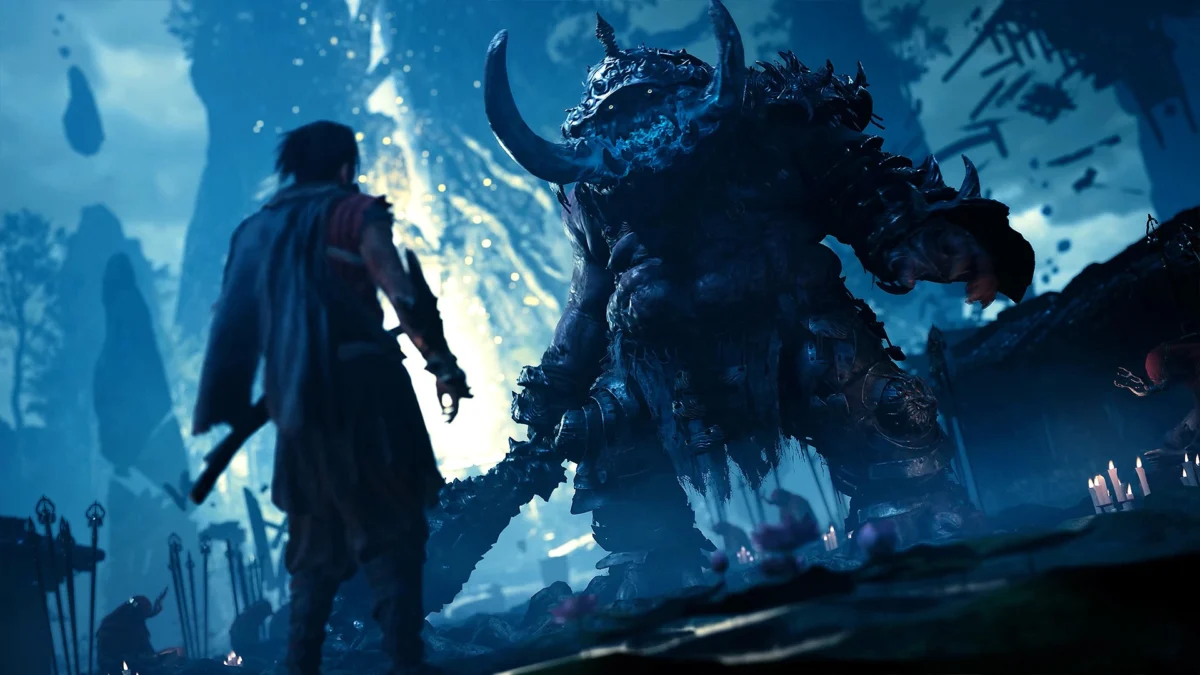
The current market sentiment is heavily influenced by the recent completion cycle of major 2026 titles, most notably Star Wars Zero Company. As a flagship title for the year, its completion has left a measurable "frustration void" among core enthusiasts—a psychological state where players struggle to find a successor of equal mechanical or narrative depth. This vacuum has provided a strategic opening for Capcom’s Onimusha: Way of the Sword, a title that represents a significant revival of a legacy intellectual property.
However, the rollout of Onimusha: Way of the Sword has faced logistical hurdles. Industry reports indicate that physical pre-orders have suffered from cascading delivery delays, a recurring issue in the 2026 retail landscape as supply chains continue to optimize for digital-first distribution. Despite these delays, the title remains a high-priority acquisition for players seeking refined melee combat, illustrating the enduring power of brand nostalgia when coupled with modern technical fidelity.
The Live Service Paradox: Analyzing Exoprimal’s Niche Longevity
One of the more anomalous observations in the current Xbox ecosystem is the continued, albeit minimal, engagement with Exoprimal. Despite a player base that has contracted significantly—with internal metrics suggesting as few as 40 active users in specific 30-day windows for certain regions—the title continues to attract "tourist" players and those investigating Capcom’s broader portfolio.
The survival of Exoprimal in a market that typically punishes low-concurrency live services raises questions about the cost-benefit analysis of maintaining servers for legacy multiplayer titles. Analysts suggest that for publishers like Capcom, the value of keeping these titles active lies in ecosystem retention rather than direct monetization, providing a diverse "game pass" style variety that appeals to completionists and industry researchers alike.
The Indie Resurgence: Mewgenics, Sprawl Zero, and Valheim’s Full Release
While the AAA sector experiences a temporary lull, the indie and mid-market sectors are seeing a surge in activity. The recent launch of Mewgenics, the long-anticipated tactical feline simulator from Edmund McMillen, has captured a specific segment of the market focused on deep systemic complexity. Simultaneously, Sprawl Zero has hit the Xbox platform, tapping into the "boomer shooter" trend by drawing heavy inspiration from the golden age of early 2000s first-person shooters.
Furthermore, the transition of Valheim out of its extended Early Access phase marks a pivotal moment for the survival genre on Xbox. The 1.0 release is expected to trigger a significant re-engagement phase for the title, as players who were hesitant to invest in an unfinished product now have access to a stabilized and feature-complete version of the Viking-themed survival simulator.
Sports Simulators and Real-World Synergy: The NHL 27 Phenomenon
The sports gaming sector continues to show robust engagement, particularly with NHL 27. This engagement is frequently driven by real-world athletic events. A recent homecoming game for the Manchester Storm, held at their refurbished arena, saw an attendance of over 11,000 spectators—the second-largest crowd in the history of British ice hockey.
This surge in physical attendance has had a direct correlation with digital engagement metrics on Xbox. Historically, major live sporting events lead to a 15-20% uptick in related simulation gaming as fans seek to replicate the live experience in a digital environment. NHL 27 remains the primary beneficiary of this trend, maintaining a steady position in the "Most Played" charts despite the broader market’s quietude.
Legacy Gaming and the Role of Specialized Hardware
An emerging sub-sector of the Xbox community is increasingly turning toward legacy content and specialized hardware configurations. The "Evercade Alpha" and similar bartop arcade solutions are gaining traction among enthusiasts who value tactile, coin-op history. This interest in retro gaming extends to handheld legacy titles; for instance, Mario Kart DS continues to be cited as a staple of communal gaming, often preferred over modern iterations for its specific mechanical nuances and nostalgic value.
This trend highlights a growing fragmentation in the market:
- The New Release Chasers: Players focused on the latest "Free Play Days" and 2026 launches.
- The Backlog Strategists: Players utilizing sales to clear older titles like Mafia: Definitive Edition.
- The Retro Purists: Players moving between modern Xbox hardware and legacy platforms.
Economic Drivers: Free Play Days and Publisher Spotlight Sales
The Xbox Store’s current promotional cycle, featuring the "Publisher Spotlight Sale," serves as a critical stabilization tool during weeks with few new releases. By discounting over 25 high-profile titles, Microsoft is effectively managing the "tepid" release schedule by incentivizing the exploration of the existing library.
Data from previous "Free Play Days" (such as the September 10-13 window) indicates that these limited-time access events result in a 12% conversion rate from "trial" to "purchase." By offering a rotating selection of games for free over the weekend, Xbox maintains high daily active user (DAU) counts even in the absence of a "blockbuster" launch. This strategy is essential for maintaining the health of the digital storefront and ensuring that the hardware remains the central hub for home entertainment.
Chronology of Key Events in September 2026
To understand the current state of the Xbox ecosystem, it is necessary to look at the timeline of events leading into the current weekend:
- September 1-5: Conclusion of major summer marketing campaigns; initial launch of Sprawl Zero.
- September 10-13: Implementation of Free Play Days, offering a diverse range of titles to the Xbox Gold and Game Pass Ultimate tiers.
- September 14: The "Publisher Spotlight Sale" begins, targeting the mid-month budget of digital consumers.
- September 15: Valheim officially exits Early Access, seeing a 30% spike in concurrent players.
- September 17: Reports of physical delivery delays for Onimusha: Way of the Sword begin to circulate in online forums.
- September 18-20: Current weekend window characterized by high engagement with NHL 27 and indie titles like Mewgenics.
Broader Implications for the Gaming Industry
The current shift toward varied, niche, and legacy content suggests that the modern gamer is becoming less reliant on the "AAA-or-nothing" release cycle. The ability of the Xbox platform to sustain engagement through sales, indie support, and backward compatibility is a testament to the robustness of the ecosystem.
Industry analysts predict that as development cycles for AAA games continue to lengthen, these "tepid" weeks will become more frequent. Consequently, the success of a console platform will increasingly depend on its ability to curate its existing library and support smaller developers. The diverse range of titles currently being played—from the 20-year-old Mario Kart DS to the experimental Exoprimal—underscores a market that is more fragmented, yet more resilient, than ever before.
As the industry moves toward the final quarter of 2026, the data gathered during these quieter periods will likely inform future promotional strategies, ensuring that the "frustration void" left by completed blockbusters is always filled by a diverse array of digital alternatives. The Xbox ecosystem, through its combination of subscription services and aggressive sales tactics, appears well-positioned to navigate these fluctuations in the release calendar.