


The recent wave of significant layoffs impacting Xbox Game Studios has led to the cancellation of an unannounced project at World’s Edge, the development team responsible for the venerable Age of Empires franchise. The studio, which has been under the umbrella of Xbox Game Studios since 2019, is now undergoing a structural integration with Activision, a move that has coincided with substantial personnel reductions and the abrupt halt of its latest creative endeavor. This development raises questions about the future direction of the Age of Empires series and the broader implications of Microsoft’s expansive gaming portfolio restructuring.
Layoffs Strike World’s Edge, Project Axed
Reports of the studio’s predicament surfaced following statements from key personnel within World’s Edge. Adam Isgreen, the Creative Director for the Age of Empires franchise at World’s Edge, revealed the extent of the layoffs in a public forum, indicating that "half the studio" was affected, including himself. While Isgreen initially suggested that the studio had been "generally spared," subsequent information clarified that the impact was severe enough to necessitate the cancellation of a new, as-yet-unnamed project. This project was widely understood to be connected to the Age of Empires intellectual property, leaving the future of potential new entries or significant expansions in question.
Further corroboration came from Andrew Martz, a Senior Software Engineer at World’s Edge. Martz publicly shared that the layoffs were a direct consequence of the studio’s reorganization and its transition into becoming part of Activision. He highlighted a particularly poignant situation where his own promotion at World’s Edge, which became effective on September 15th, was followed by his dismissal just one week later, illustrating the abrupt and often personal impact of these corporate restructurings. Martz noted that his experience was not an isolated incident, suggesting a pattern of similar circumstances among those affected.
A Timeline of Restructuring and Redundancy
The events at World’s Edge are intrinsically linked to a broader strategic realignment within Microsoft’s gaming division, particularly following its acquisition of Activision Blizzard. In January 2024, Microsoft announced plans to cut approximately 1,900 jobs across its Xbox division, a significant portion of its gaming workforce. This announcement followed the completion of the $68.7 billion acquisition of Activision Blizzard in October 2023. The layoffs were presented as a measure to "reduce the size of our gaming business" and align resources with the company’s long-term strategy.
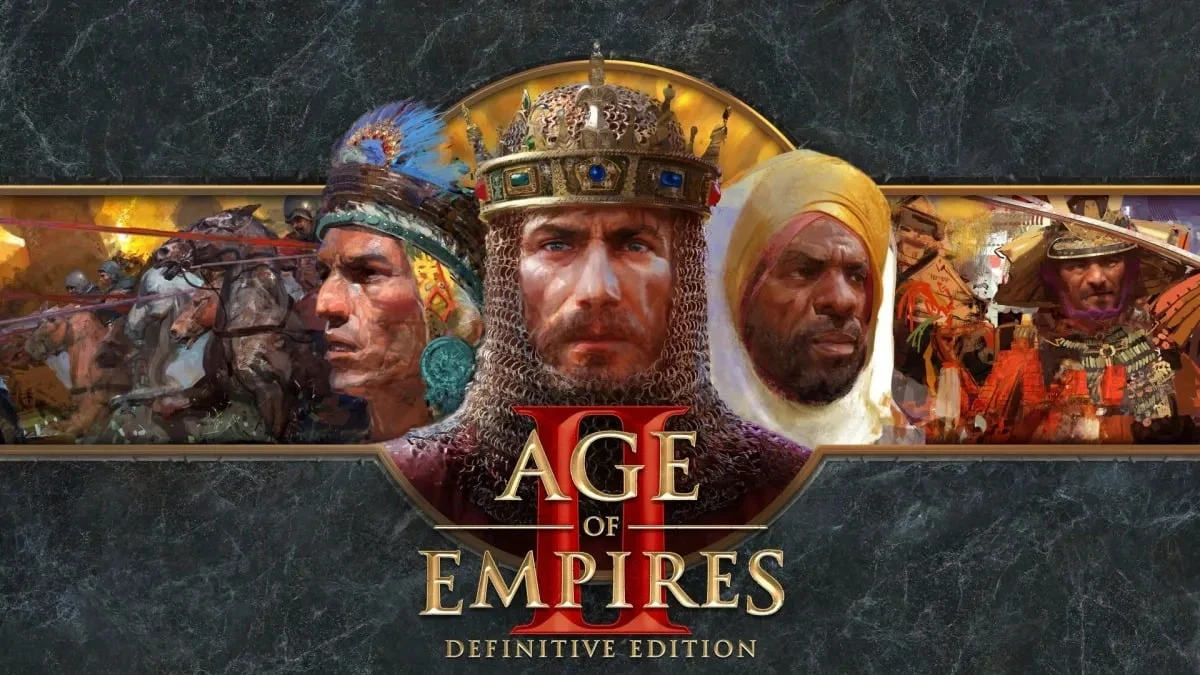
World’s Edge, established in 2019 to exclusively focus on the Age of Empires IP, had been instrumental in revitalizing the classic real-time strategy series. Under its stewardship, Age of Empires II: Definitive Edition received consistent updates and new content, while Age of Empires IV was developed and released in 2021, marking the first new mainline entry in the franchise in over a decade. The studio’s track record with the beloved series made the cancellation of its latest project a notable development.
The integration of World’s Edge into Activision’s operational structure, a process that appears to be ongoing, seems to be a primary driver for the recent staffing changes. This consolidation is part of Microsoft’s larger strategy to streamline its gaming operations and leverage synergies across its newly acquired entities and existing studios. However, the execution of these strategic shifts has evidently come at a human cost, with widespread implications for the affected employees and the projects they were working on.
Supporting Data and Industry Context
The ~270 job cuts reported within Xbox Game Studios, as alluded to by sources familiar with the situation, represent a substantial reduction in personnel. Microsoft has stated that these initial cuts represent approximately three-quarters of the planned reductions, implying that further layoffs may still be forthcoming as the "restructuring" process continues. This level of workforce reduction is not uncommon in the tech and gaming industries during periods of significant corporate acquisition and strategic reorientation.
The acquisition of Activision Blizzard itself was a landmark event, fundamentally reshaping the competitive landscape of the video game industry. Microsoft’s stated goal was to bolster its Xbox Game Pass subscription service and expand its content offerings across multiple platforms. However, such large-scale integrations invariably lead to redundancies and the consolidation of operations. Studios with overlapping functions or those deemed less critical to the overarching strategy are often prime candidates for restructuring.
In this context, World’s Edge’s shift to being under Activision’s "wing" signifies a change in its reporting structure and potentially its operational autonomy. While it continues to be responsible for the Age of Empires franchise, its place within the broader Microsoft gaming ecosystem has been redefined. The cancellation of its unannounced project suggests that either the project was deemed no longer viable within the new operational framework, or the talent pool required to complete it was significantly diminished by the layoffs.
Reactions and Inferred Implications
While official statements from Microsoft and Activision regarding the specific details of the World’s Edge layoffs and project cancellation are limited, the information provided by Isgreen and Martz offers a clear, albeit somber, picture. The sentiment among some observers and within the affected community is one of concern that such restructuring efforts might prioritize cost-saving and established franchises over the development of new intellectual property or innovative expansions.
The fear expressed by some industry analysts is that this wave of layoffs and integration could lead to a future dominated by "infinite sequels and little to no original content." This perspective suggests a potential shift away from riskier, original game development in favor of maximizing returns on existing, proven franchises. The mention of partnerships with third parties, such as Kojima Productions, by one observer, highlights a possible avenue for novel content creation, but it underscores the perceived reduction in internal originality.
The impact on the Age of Empires franchise itself remains a key question. World’s Edge has demonstrated a strong capacity for managing and expanding this beloved series. The loss of talent, particularly in leadership and creative roles, could affect the pace and direction of future Age of Empires content. While the franchise has a dedicated fanbase and a clear roadmap for its existing titles, the cancellation of an unannounced project hints at a potential disruption in its long-term development pipeline.
Broader Impact on the Gaming Landscape
The restructuring at Xbox Game Studios and the integration of Activision Blizzard represent a significant consolidation of power within the gaming industry. Microsoft now commands a formidable portfolio of studios and intellectual properties, ranging from Halo and Forza to Call of Duty and World of Warcraft. This consolidation has implications for competition, talent acquisition, and the types of games that are prioritized for development.
The practice of large-scale layoffs following major acquisitions, while often framed as necessary for efficiency, raises ethical considerations and concerns about the sustainability of creative careers in the industry. The abrupt termination of projects and the displacement of experienced developers can have a chilling effect on innovation and morale across the sector.
As Microsoft continues to navigate the post-acquisition integration, the gaming community will be closely watching how these changes impact the quality and diversity of games released across its platforms. The case of World’s Edge and the cancellation of its unannounced project serve as a stark reminder of the volatile nature of the modern gaming industry and the profound effects of corporate strategy on the creative talent that drives it. The future of the Age of Empires franchise, and indeed many other beloved series, will be shaped by these ongoing organizational shifts and the strategic decisions made at the highest levels of Microsoft’s gaming division.