


The immediate impact of this restructure, which also included the difficult decision to reduce the workforce by 286 positions across various teams, has been the transfer of stewardship for iconic franchises and studios. Activision, a recent colossal acquisition for Microsoft, is now taking on direct responsibility for several major names previously associated with Xbox Game Studios, including the legendary Halo franchise, the creatively diverse Rare, and the strategy-focused World’s Edge. This move significantly reconfigures the landscape of Microsoft’s internal development ecosystem, consolidating vast segments of its creative output under the established publishing infrastructure of its acquired entities.
The Restructuring Unveiled: A New Organizational Chart Emerges
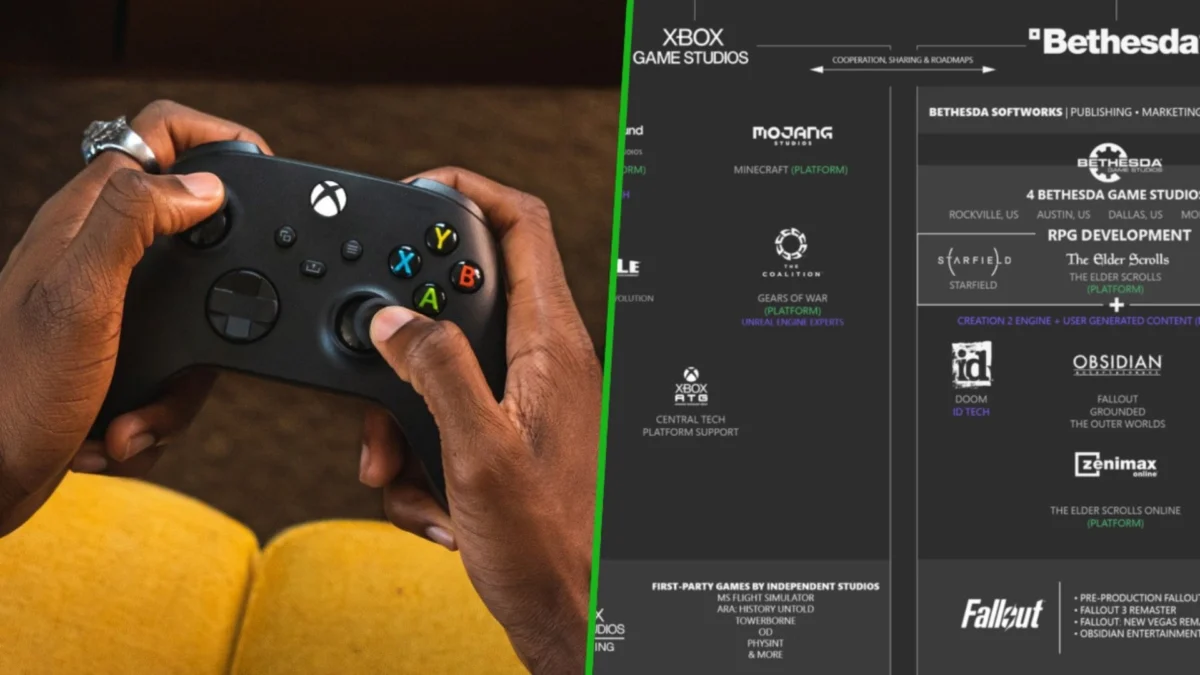
The core of this strategic shift involves a dramatic redefinition of what constitutes "Xbox Game Studios." Prior to these announcements, XGS served as the primary umbrella for most of Microsoft’s internally developed titles, encompassing a broad array of genres and creative visions. However, the recent changes suggest a more concentrated role for XGS itself. The "leaner" XGS now appears to primarily house a select group of studios, focusing on specific flagship projects.
Among the studios that remain clearly classified under the direct Xbox Game Studios banner are The Coalition, known for its work on the Gears of War series and currently developing Gears of War: E-Day; InXile Entertainment, celebrated for its RPGs and actively working on Clockwork Revolution; and the highly successful duo of Playground Games and Turn 10, responsible for the critically acclaimed Forza Horizon and Forza Motorsport franchises, with Playground also leading development on the much-anticipated Fable reboot. Additionally, Mojang, the studio behind the global phenomenon Minecraft, and Halo Studios, potentially now focused on "Legacy Support" for the Halo franchise, are mentioned with a nuanced status, indicating their roles might also be undergoing re-evaluation or integration into broader structures.
This re-organization has been vividly illustrated through a preliminary infographic published by beloved Xbox community figure Klobrille, known for their insightful analyses and visual representations of the Xbox ecosystem. The infographic quickly became a focal point for discussion among fans and industry observers, providing an early, albeit unofficial, visual aid to comprehend the significant shifts. It clearly showcases the substantial growth in the portfolios managed by Bethesda and, particularly, Activision, reflecting their expanded mandates within the Microsoft gaming empire. While some specifics, such as the exact nature of Halo Studios’ "Legacy Support" role under Activision, remain subject to further clarification, the infographic offers a compelling snapshot of the new order.
Microsoft’s Evolving Strategy: A Historical Context
To fully grasp the magnitude of these changes, it is essential to contextualize them within Microsoft’s broader strategic trajectory in the gaming industry. For over two decades, Xbox has been a key pillar of Microsoft’s consumer technology offerings, evolving from a console manufacturer to a comprehensive gaming platform provider. A defining characteristic of this evolution, particularly over the last decade, has been an aggressive strategy of studio acquisitions aimed at bolstering Xbox Game Pass, its subscription service, and enhancing its first-party content pipeline.

The initial expansion of Xbox Game Studios began in earnest in the late 2010s, with acquisitions like Ninja Theory, Playground Games, Compulsion Games, and Obsidian Entertainment, among others. These moves were designed to diversify the Xbox portfolio and provide a steady stream of exclusive titles. The strategy culminated in two monumental acquisitions: ZeniMax Media (Bethesda Softworks) in 2021 for approximately $7.5 billion, bringing powerhouse franchises like The Elder Scrolls, Fallout, Doom, and Starfield under the Xbox banner; and the colossal acquisition of Activision Blizzard King (ABK) in 2023 for nearly $69 billion, a deal that reshaped the entire gaming industry by adding Call of Duty, Warcraft, Candy Crush, Overwatch, and numerous other blockbuster IPs to Microsoft’s arsenal.
These acquisitions were consistently framed by Microsoft leadership, notably CEO Satya Nadella and Xbox head Phil Spencer, as efforts to deliver "more games to more players across more devices," with Game Pass often cited as the central distribution mechanism. The sheer scale of the ABK acquisition, in particular, introduced an unprecedented number of studios and IPs into Microsoft’s first-party structure, creating a complex web of development teams and publishing needs.
Prior to this latest restructure, Microsoft’s gaming division boasted over 30 internal development studios spread across Xbox Game Studios and Bethesda Softworks. Managing such a vast and diverse creative ecosystem presents unique challenges in terms of resource allocation, creative oversight, and operational efficiency. Furthermore, Microsoft has not shied away from making tough decisions regarding its studios, as evidenced by recent closures of teams like Arkane Austin (known for Redfall) and Tango Gameworks (critically acclaimed for Hi-Fi Rush) in early 2024. These previous instances of consolidation and realignment set a precedent for strategic, albeit sometimes painful, adjustments within the company’s gaming portfolio, signaling an ongoing effort to optimize its creative output and operational structure.
The New Landscape of Xbox First-Party Development
The recent announcements herald a significant shift in how Microsoft intends to manage its vast array of gaming assets, with Activision and Bethesda emerging as the primary operational hubs for a substantial portion of its first-party development.
Activision’s Expanded Mandate: The integration of studios and IPs like Halo, Rare, and World’s Edge into Activision’s purview is perhaps the most striking aspect of this restructure. Activision, historically a titan in third-party publishing, now assumes a much larger role within Microsoft’s internal ecosystem.
- Halo: The flagship franchise of Xbox, Halo has been a cornerstone of the brand since its inception. Moving its development and "Legacy Support" under Activision suggests a strategic decision to leverage Activision’s extensive experience in managing large, live-service multiplayer titles and its robust global publishing infrastructure. This could mean a more streamlined development process for future Halo titles, potentially benefiting from Activision’s proven track record with franchises like Call of Duty.
- Rare: This venerable British studio, known for its innovative and often whimsical titles like Banjo-Kazooie, Perfect Dark, and more recently Sea of Thieves, represents a diverse creative output. Integrating Rare into Activision might offer the studio access to greater resources and a wider distribution network, while potentially introducing new layers of publishing oversight. Sea of Thieves, in particular, with its ongoing live-service model, could align well with Activision’s operational expertise in sustained content delivery.
- World’s Edge: Responsible for the beloved Age of Empires real-time strategy series, World’s Edge has successfully revitalized the franchise. Its move to Activision could signify an intent to further grow the strategy genre within Microsoft’s portfolio, potentially benefiting from Activision’s global marketing and community management capabilities.
The primary implication of Activision’s expanded role is a stronger emphasis on operational efficiency and leveraging established publishing strengths. Activision has a highly sophisticated global distribution network, robust marketing capabilities, and deep expertise in managing large-scale game releases and live-service operations. By bringing more first-party IPs under this umbrella, Microsoft appears to be centralizing core publishing functions and potentially standardizing development processes where applicable.
Bethesda’s Continued Strength: While the focus of the current restructure highlights Activision’s new responsibilities, Bethesda Softworks continues to operate as a vital, largely independent publishing arm within Microsoft. With studios like Bethesda Game Studios, Arkane Studios, id Software, MachineGames, and ZeniMax Online Studios, Bethesda maintains a robust portfolio of critically acclaimed and commercially successful franchises. This dual-publisher approach—Bethesda maintaining its distinct identity alongside Activision’s expanded role—suggests that Microsoft is keen on preserving the unique creative cultures and proven publishing models of its major acquisitions while streamlining the core Xbox Game Studios brand.

The Leaner Xbox Game Studios: The consolidation means that the direct "Xbox Game Studios" label is now applied to a more focused group of developers. This concentration likely aims to provide these studios with clearer directives and dedicated support, fostering a more agile and efficient development environment for their high-profile projects.
- The Coalition: Dedicated to Gears of War, a flagship Xbox exclusive, ensuring its continued prominence.
- InXile Entertainment: Known for its RPG pedigree, its continued independence under XGS suggests Microsoft’s commitment to supporting diverse, narrative-driven experiences.
- Playground Games & Turn 10: The stewards of the Forza franchise, their retention within XGS underscores the importance of this racing series to the Xbox ecosystem. Playground’s work on Fable also positions it as a key creative pillar.
- Mojang: The studio behind Minecraft, its unique position as a global cultural phenomenon likely necessitates a distinct management structure, though its formal reporting lines may continue to evolve.
The potential "winding down as a brand" for Xbox Game Studios as a singular, encompassing entity is a significant takeaway. This doesn’t necessarily imply a reduction in overall first-party output, but rather a re-allocation of where that output is managed and published. It could signify a move towards a more federated model, where major publishing entities like Activision and Bethesda operate with greater autonomy over their integrated development teams, while a core XGS unit focuses on specific strategic projects or incubates new ideas.
Official and Inferred Responses
While official, detailed statements directly addressing every nuance of this restructure are often staggered, industry observers and analysts anticipate Microsoft leadership to frame these changes as a natural evolution of their long-term strategy. Statements from Xbox head Phil Spencer or President of Gaming Content and Studios Sarah Bond are expected to emphasize "strategic alignment," "operational efficiency," and "optimizing creative talent" across the vast gaming portfolio. The goal, they would likely articulate, is to leverage the unique strengths of each publishing arm—Activision’s global scale and live-service expertise, Bethesda’s proven track record with epic RPGs and shooters, and the core Xbox Game Studios’ focus on key platform exclusives—to deliver higher quality, more consistent content to players, particularly Game Pass subscribers.
Activision leadership would likely express enthusiasm for their expanded mandate, highlighting their commitment to stewarding iconic franchises like Halo and Rare’s IPs with the respect and resources they deserve. Their statements would likely focus on the collaborative potential and the opportunity to integrate these studios into their robust development and publishing pipelines.
From an industry analyst perspective, these moves are seen as a logical, albeit aggressive, step in Microsoft’s consolidation strategy. Analysts might point to the increasing costs of game development, the intense competition in the subscription service market, and the need for greater synergy across a sprawling organizational structure as key drivers. The job cuts, while regrettable, would be viewed as a harsh but often inevitable component of such large-scale organizational realignments, aimed at reducing redundancies and focusing resources.
Within the developer community, reactions are likely mixed. While some might view the integration into larger publishers as a path to greater stability and resources, others might express concerns about potential impacts on creative autonomy and unique studio cultures. The uncertainty surrounding the future branding and operational independence of smaller teams can be a source of anxiety, even amidst assurances of continued support for ongoing projects.
Implications for Developers and Gamers

The implications of this restructure are far-reaching, affecting both the creators within Microsoft’s ecosystem and the millions of gamers who engage with its products.
For Developers:
- Creative Direction: Moving studios under established publishers like Activision could lead to increased pressure to align with existing franchise templates or publishing strategies. While this might streamline production, some fear it could homogenize creative output or reduce experimental projects.
- Resource Allocation: Access to Activision’s vast resources, including technology, marketing, and talent pools, could significantly benefit studios like Rare and World’s Edge, potentially enabling them to pursue more ambitious projects or expand existing ones.
- Studio Culture: Integration into a larger corporate structure can inevitably alter studio culture. The challenge for Microsoft and its publishing arms will be to preserve the unique identities and creative spirits of the acquired studios while fostering greater organizational cohesion.
- Job Security: While the immediate restructure involved job cuts, the long-term goal of increased efficiency could lead to a more stable environment for remaining teams, albeit within a reconfigured structure.
For Gamers:
- Game Pass Content Flow: The ultimate goal for Microsoft remains the continuous delivery of high-quality content to Game Pass. This restructure aims to optimize that flow, potentially leading to more consistent releases and better-managed live-service titles. However, the shift in branding might alter perceptions of what constitutes a "first-party Xbox game."
- Franchise Direction: The new stewardship of IPs like Halo under Activision will be closely watched. Fans will be eager to see if this move revitalizes the franchise, potentially bringing a new operational rigor to its development, or if it leads to changes in its core identity.
- Branding and Identity: The potential de-emphasis of the "Xbox Game Studios" brand raises questions about how Microsoft will present its first-party offerings moving forward. Will games simply be branded under Activision, Bethesda, or Xbox Game Studios as distinct publishing labels, or will a new overarching branding strategy emerge?
- Industry Consolidation: This restructure is another data point in the ongoing trend of consolidation within the video game industry. Larger companies are acquiring and integrating more studios, which can lead to fewer independent voices but potentially more robust, high-budget productions.
Looking Ahead
The recent strategic overhaul at Microsoft’s gaming division represents a pivotal moment in the company’s long-term vision for Xbox. By streamlining Xbox Game Studios and deeply integrating key IPs and development teams into the powerful publishing infrastructures of Activision and Bethesda, Microsoft is signaling a commitment to operational efficiency, strategic alignment, and leveraging the full breadth of its acquired assets.
While the exact contours of this new structure, particularly the future branding and day-to-day operations of the remaining XGS studios, are still unfolding, the direction is clear: a more federated, publisher-led approach to first-party development. The success of this realignment will ultimately be measured by its ability to deliver innovative, high-quality games consistently to players, maintain creative vitality within its studios, and solidify Xbox’s position in the fiercely competitive global gaming market. The coming years will reveal whether this bold organizational transformation yields the strategic advantages Microsoft envisions, redefining what it means to be a first-party Xbox developer in an increasingly consolidated industry.