


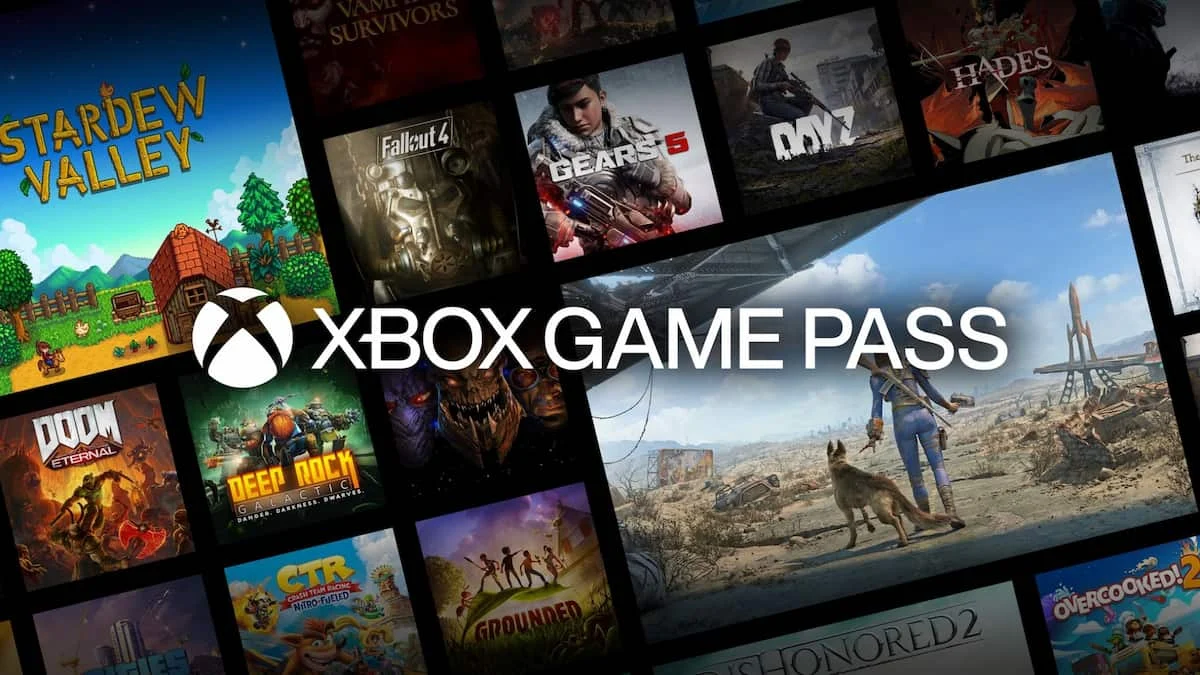
The revolutionary impact of Xbox Game Pass on game accessibility and affordability for a global audience is undeniable. For a modest monthly fee, typically under $15 in many regions, subscribers gain access to a vast library of hundreds, if not thousands, of games, representing a collective retail value that could easily run into thousands of dollars. However, this unprecedented value proposition is increasingly becoming a focal point of internal friction within Xbox, with reports suggesting that some studio leaders harbor a deep-seated animosity towards the subscription service, viewing it as a detrimental force that erodes the perceived value of their titles and complicates the measurement of a game’s commercial success.
The core of this discord lies in the fundamental economic model of Game Pass. When AAA titles, often priced at $50, $60, or even higher at retail, are immediately available on the service from day one, it creates a significant disincentive for many consumers to purchase them outright. This was starkly illustrated with games like The Outer Worlds 2. Despite being a well-regarded title, its engagement on platforms like Steam was reportedly subdued, with a substantial portion of the player base opting to experience it through Game Pass rather than incurring the full purchase price. This trend obfuscates traditional metrics of success, such as sales figures, making it difficult to gauge a game’s true market penetration and financial performance in the conventional sense.
The "Detest" of Game Pass: A Growing Internal Concern
These internal frustrations have been brought to light by investigative journalist Jason Schreier, a highly respected figure in the gaming industry. According to Schreier, who cited sources within Xbox, many studio executives "absolutely detest Game Pass" and believe it has "destroyed the value of their games." While it is highly improbable that Xbox would ever discontinue its flagship subscription service, the sentiment suggests a potential strategic shift. Schreier posits that the company may begin to phase out the inclusion of day-one AAA releases on Game Pass, a move he deems increasingly illogical from a business perspective.
"That makes no sense anymore," Schreier reportedly stated, referencing the economic implications for individual game launches. This perspective underscores a growing tension between the subscriber-centric model of Game Pass and the traditional publisher-developer model that relies on direct sales for revenue generation and the establishment of a game’s market standing.
Case Studies: The Devaluation Dilemma
The impact of Game Pass on a game’s perceived value is not merely theoretical. The example of The Outer Worlds 2 serves as a potent illustration. A game that would typically command a premium price point is instead consumed by a large audience as part of a bundled subscription. Similarly, Schreier highlighted the situation with South of Midnight. While not a universally acclaimed title, it garnered a dedicated following among those who appreciated its unique qualities. However, the game’s retail price of $40 was effectively rendered moot for Game Pass subscribers who could access it for a fraction of that cost, a monthly subscription fee that has fluctuated but remained significantly lower than the individual game’s price.
This dynamic fosters an environment where players are incentivized to adopt a "Game Pass shortcut," prioritizing cost savings over direct ownership. The narrative from within Xbox, as relayed by Schreier, is that this practice diminishes the perceived worth of not just individual titles but of games as a whole. The argument is that Game Pass, as a service, has become a "detriment to the games industry" by fundamentally devaluing the art and effort that goes into game development and publication.
A Broader Context: The Evolution of Gaming Business Models
The emergence of subscription services like Game Pass represents a significant evolution in the gaming industry’s business models. For decades, the industry has largely operated on a perpetual license model, where consumers purchase individual games outright. This model directly links revenue to unit sales, providing a clear, albeit sometimes volatile, measure of a game’s commercial success.
Xbox Game Pass, launched in June 2017, disrupted this paradigm by offering an all-you-can-eat buffet of games for a recurring fee. This approach has proven immensely popular with consumers, driving significant subscriber growth for Microsoft. By 2023, Xbox announced that Game Pass had surpassed 29 million subscribers, a testament to its appeal. The service’s value proposition is further amplified by its inclusion of first-party titles from Xbox Game Studios on day one of their release, a strategy that has been a cornerstone of its subscriber acquisition efforts.
However, this aggressive strategy has inevitably created ripple effects throughout the industry. Publishers and developers, particularly those who are not part of Microsoft’s internal studios, face complex negotiations to get their games onto Game Pass. The terms of these deals, which are rarely disclosed, likely involve upfront payments and revenue-sharing agreements that may not always align with the potential revenue generated from direct sales.
The Data Behind the Discontent: Sales vs. Subscriptions
Quantifying the precise impact of Game Pass on individual game sales is challenging due to the proprietary nature of sales data and subscription metrics. However, industry analysts and observers have pointed to trends that support the concerns raised by Xbox insiders. For instance, while Game Pass undoubtedly drives engagement with a vast library of games, the revenue generated per player for a specific title within the service is significantly lower than it would be from a direct purchase.
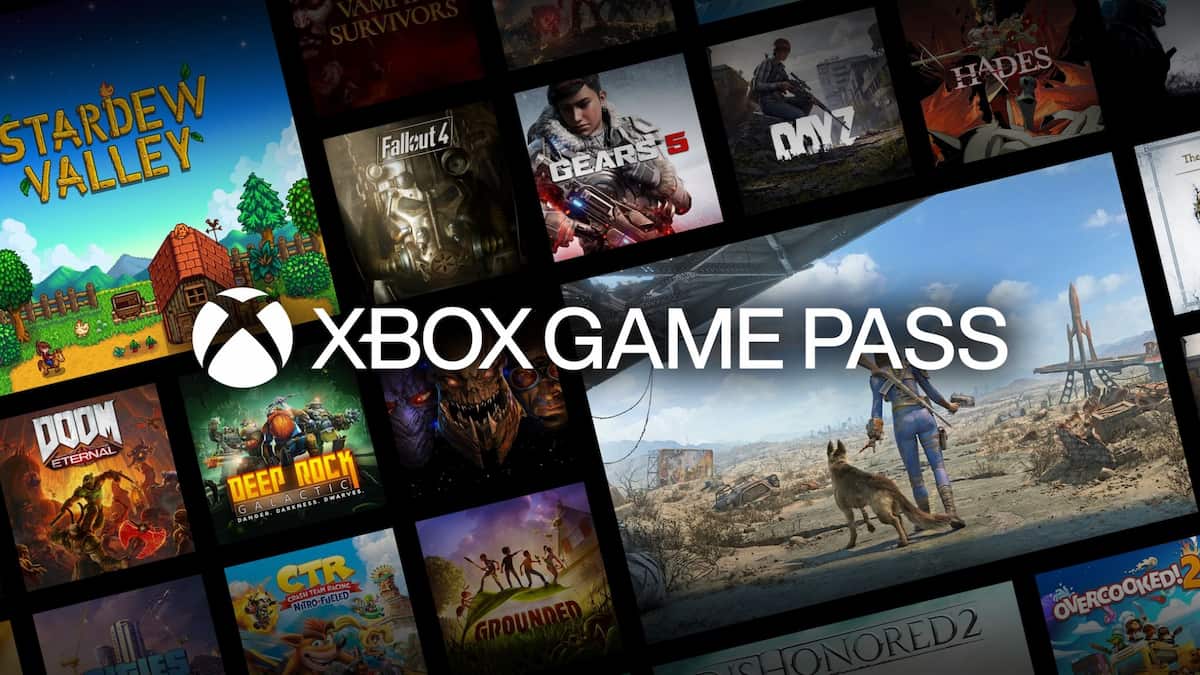
A study by Ampere Analysis in late 2022 indicated that while Game Pass subscribers play a wider variety of games, their spending on individual titles outside the subscription service decreased. This suggests a potential cannibalization effect, where the convenience and affordability of Game Pass lead players to forgo purchases they might have otherwise made.
The situation with Tony Hawk’s Pro Skater 3+4 serves as another illustrative example, as depicted in accompanying imagery. While specific sales data for this title’s day-one release on Game Pass is not publicly available, the narrative surrounding it, as previously reported, suggests that its inclusion on the service may have overshadowed its potential to achieve significant traction as a standalone purchase. This phenomenon can lead to a perception of underperformance, even if the game is being played by a large number of people through the subscription.
The Implication of "Success" Metrics
The core issue for studio leadership appears to be the redefinition of "success." In a traditional retail model, success is primarily measured by sales figures and the revenue generated from those sales. This data informs future development, marketing strategies, and can influence a studio’s standing within the industry. With Game Pass, a game can be played by millions of subscribers, yet if those subscribers are not purchasing the game individually, the traditional metrics of success are not met.
This creates a disconnect: a game might be experiencing high engagement within the Game Pass ecosystem, but this engagement does not translate into the same kind of quantifiable financial success that developers and publishers have historically relied upon. This can lead to difficulties in securing funding for future projects, as investors and stakeholders may look at the seemingly modest sales figures and perceive the game as a commercial failure, even if its reach through Game Pass is substantial.
Potential Future Strategies and Industry Reactions
The reported internal dissent within Xbox suggests a potential recalibration of Game Pass’s role in its content strategy. The removal of day-one AAA releases from the service would be a significant shift. This could involve a tiered approach, where newer, higher-priced titles are held back for a period after their retail launch, or perhaps only become available on Game Pass after a certain sales threshold has been met.
Such a change would likely be met with mixed reactions. Subscribers might express disappointment at the diminished day-one availability of new titles. However, it could also be seen as a positive development by third-party publishers who are concerned about the impact of Game Pass on their own sales. This could lead to a more balanced ecosystem where both subscription services and traditional retail sales can coexist more harmoniously.
Industry analysts are closely watching these developments. The success of Game Pass has set a precedent, and other platform holders are exploring similar subscription models. However, the internal challenges faced by Xbox highlight the complexities of integrating such a service into a broader industry that still relies heavily on direct game purchases.
A Broader Impact on the Gaming Industry
The debate surrounding Game Pass’s impact on game value is not confined to Xbox. It touches upon fundamental questions about the future of game monetization, intellectual property valuation, and the economic sustainability of game development.
One counterargument to the notion that Game Pass devalues games is that it actually increases accessibility and introduces new players to titles they might otherwise never have discovered. For players with limited budgets, Game Pass offers an unparalleled opportunity to experience a diverse range of games. Furthermore, some argue that players do not necessarily perceive Xbox’s first-party games as lacking value; rather, the subscription model simply offers a more compelling economic choice for consuming those titles. Evidence for this can be seen in the strong performance of certain day-one games on platforms outside of Game Pass when fans perceive their value to be exceptionally high.
Ultimately, the internal conflict within Xbox regarding Game Pass underscores a critical juncture for the gaming industry. As subscription services continue to grow in prominence, the industry must navigate the delicate balance between providing value to consumers and ensuring the financial viability and perceived worth of the games themselves. The decisions made by Microsoft in the coming months and years regarding Game Pass’s content strategy will undoubtedly have a far-reaching impact on how games are developed, distributed, and valued for years to come.