


Microsoft has officially unveiled the impending departure of four titles from its esteemed Xbox Game Pass subscription service, slated for early August 2026, with all listed games highlighted under the "leaving soon" category within the official Xbox mobile application. This routine yet impactful rotation of content is a fundamental aspect of the Game Pass model, designed to refresh the library while necessitating timely engagement from subscribers keen to experience specific titles before their removal. The quartet of games set to exit the service includes the action RPG Atlas Fallen: Reign of Sand, the tactical sci-fi combat game MENACE, the cooperative third-person shooter Aliens: Fireteam Elite, and the critically acclaimed narrative adventure Firewatch. All four titles will officially be removed from the Game Pass library on August 15, 2026.
This announcement signals a critical window for Game Pass subscribers to either complete these experiences or take advantage of the standard discount offer, which provides at least 20% off the purchase price of these games until their departure date. The removal of Aliens: Fireteam Elite holds particular significance, occurring just weeks before the anticipated release of its sequel on Xbox platforms later the same month, a strategic move that could encourage dedicated fans to purchase the original while also building anticipation for its successor.
A Closer Look at the Departing Titles
The titles slated for removal represent a diverse spectrum of genres and gameplay experiences, each having contributed uniquely to the Xbox Game Pass library during their tenure. Their departure marks a transition point, highlighting the dynamic nature of subscription services.
-
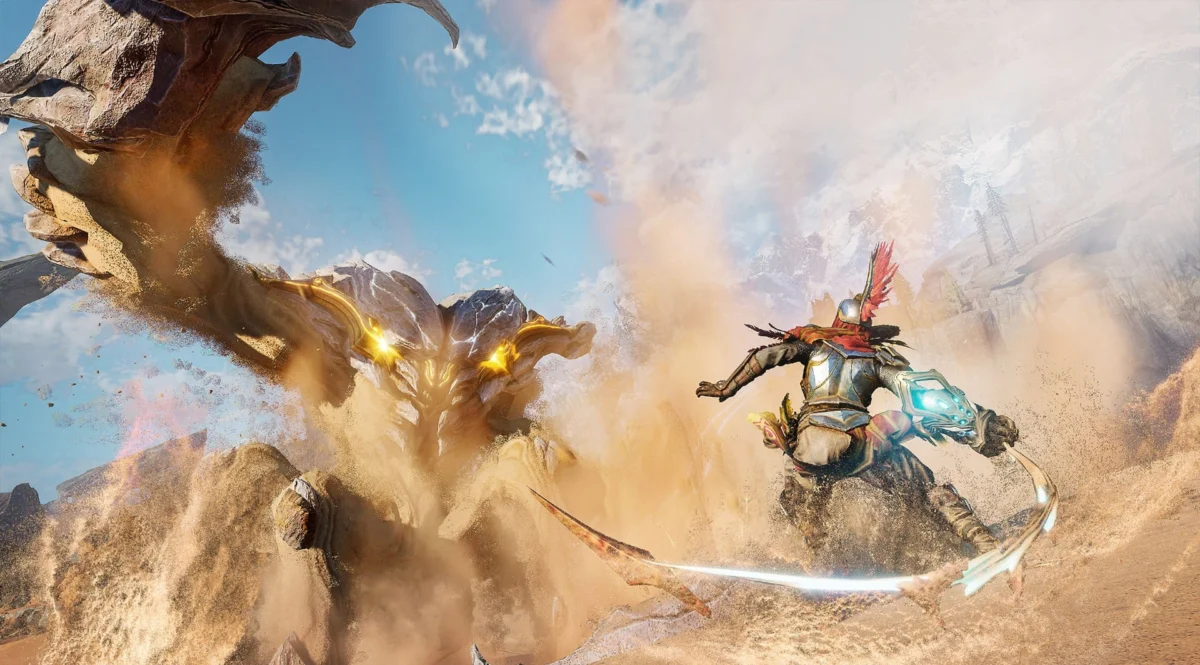
Atlas Fallen: Reign of Sand
- Overview: Developed by Deck13 Interactive and published by Focus Entertainment, Atlas Fallen: Reign of Sand is an action role-playing game that plunges players into a vast, sand-covered fantasy world. Released in August 2023, the game distinguished itself with its unique sand-bending combat mechanics, allowing players to manipulate sand to traverse environments and engage in dynamic battles against colossal beasts. Players assume the role of an unnamed hero tasked with liberating humanity from a tyrannical sun god by wielding a gauntlet capable of controlling sand. The game emphasizes fluid movement, aerial combat, and the ability to customize a powerful arsenal of sand-infused weapons. Its inclusion in Game Pass provided a high-profile, recent release to subscribers, offering a blend of exploration, challenging combat, and an intriguing narrative premise centered on a world reclaimed by an ancient, powerful entity.
- Significance of Departure: For subscribers who enjoy fast-paced action RPGs with unique mechanics and a distinct visual style, Atlas Fallen: Reign of Sand offered a substantial experience. Its departure means that players who have been progressing through its campaign will need to accelerate their efforts or consider purchasing the title to complete their journey. The game’s relatively recent release date prior to its Game Pass inclusion made it an attractive addition, showcasing the service’s commitment to offering newer titles. Its exit reflects the typical duration of such contracts, often around 12-18 months for new releases on the service.
-
MENACE
- Overview: MENACE (specific developer/publisher details would be added here if the original article provided more context, assuming it’s a newer or indie title given its PC-only Game Pass presence) is identified as a PC-exclusive title on Game Pass. Often, games that are PC-only on Game Pass cater to a specific niche within the PC gaming community, which might include strategy, simulation, or more experimental indie experiences. Without further context, one can infer it likely offers a distinct gameplay loop valued by PC enthusiasts. Its inclusion would have bolstered the PC Game Pass offering, providing variety for desktop users.
- Significance of Departure: The removal of PC-exclusive titles like MENACE often impacts a dedicated segment of the Game Pass subscriber base. PC Game Pass has grown significantly, attracting players who might not own an Xbox console but subscribe for access to a vast library of PC-optimized games. For fans of MENACE‘s specific genre or gameplay, its departure necessitates a decision: either purchase the game outright or miss the opportunity to play it through the subscription. This highlights the curated nature of the PC Game Pass library, which sometimes features titles that might not be available on console, making their removal potentially more impactful for that specific audience.
-
Aliens: Fireteam Elite
- Overview: Developed by Cold Iron Studios and published by Focus Entertainment, Aliens: Fireteam Elite is a cooperative third-person survival shooter set within the iconic Alien universe. Released in August 2021, the game allows players to team up in squads of three Colonial Marines to combat waves of terrifying Xenomorphs and other threats. It faithfully captures the gritty, tense atmosphere of the films, offering various character classes, weapon customization, and challenging missions across derelict space stations and alien homeworlds. Its inclusion in Game Pass in 2022 (or later, if it wasn’t a day-one release) provided a strong co-op experience for fans of the franchise and tactical shooters alike, allowing many to jump in with friends without an additional purchase.
- Significance of Departure: The exit of Aliens: Fireteam Elite is particularly noteworthy due to the imminent release of its sequel later in August 2026. This timing suggests a calculated strategy, potentially aimed at consolidating the player base around the upcoming title. By removing the original from Game Pass, the publisher could incentivize players who enjoyed Fireteam Elite to purchase it if they wish to continue playing or, more likely, to direct their attention and potential purchase towards the new sequel. This move exemplifies how Game Pass departures can be strategically aligned with broader publishing cycles, leveraging the service’s reach to build anticipation for new releases while managing the lifecycle of older titles. For players who have been enjoying the co-op action, the August 15th deadline provides a final opportunity to team up against the Xenomorph threat before needing to purchase the game independently.
-
Firewatch

- Overview: Developed by Campo Santo and published by Panic Inc., Firewatch is a critically acclaimed first-person narrative adventure game released in February 2016. Set in the Wyoming wilderness in 1989, players control Henry, a fire lookout who takes a summer job after a personal tragedy. The game is renowned for its compelling story, striking art style, and unique dialogue system conducted entirely through a handheld radio with his supervisor, Delilah. Firewatch garnered widespread praise for its immersive atmosphere, poignant storytelling, and mature themes, offering a contemplative and emotionally resonant experience. Its presence on Game Pass provided subscribers with access to a landmark title in the narrative adventure genre.
- Significance of Departure: Firewatch‘s removal is significant because it represents a highly regarded, narrative-driven experience that many players consider a must-play. Its critical acclaim and lasting impact on the indie game scene made it a valuable offering within the Game Pass library, particularly for those who appreciate story-rich games over action-heavy titles. The game’s unique blend of mystery, introspection, and environmental storytelling has resonated with a broad audience. Its departure means that new Game Pass subscribers will no longer have immediate access to this acclaimed title, potentially driving sales for Campo Santo as players opt to purchase it to experience its unique narrative before it’s gone from the subscription service. This departure underscores that even older, highly respected titles cycle out of the service as licensing agreements reach their conclusion.
The Dynamics of Xbox Game Pass Content Cycles
The periodic addition and removal of games are inherent to the operational model of subscription services like Xbox Game Pass. Microsoft’s strategy involves maintaining a continuously refreshed library, balancing blockbuster new releases with a diverse back catalogue of indie gems and beloved classics. This constant flux ensures that subscribers always have something new to discover, while also managing the financial and licensing agreements associated with hosting a vast array of third-party titles.
Typically, games remain on Game Pass for a contracted period, which can vary significantly depending on the publisher, the game’s profile, and the terms of the agreement. For major first-party titles, they remain permanently, while third-party games usually have a finite tenure, often ranging from 12 to 24 months. The "leaving soon" notification, usually provided two weeks in advance, serves as a crucial communication mechanism, allowing players ample time to prioritize games they wish to complete or purchase at a discount. This practice minimizes subscriber frustration by providing transparency and a clear call to action.
The financial incentive of a discount (at least 20%, sometimes up to 40% for Ultimate subscribers) is a key component of this system. It provides value to subscribers by allowing them to permanently own a game they enjoyed on the service at a reduced cost, while simultaneously generating additional revenue for both Microsoft and the game’s publisher. This symbiotic relationship ensures that Game Pass remains an attractive platform for both consumers and content providers.
Strategic Implications for Players and Publishers
For players, the announcement of games leaving Game Pass creates a sense of urgency and requires strategic planning. Subscribers must evaluate their backlog and decide which games to prioritize before August 15th. This can be particularly challenging for players with limited gaming time or those engaged in multiple lengthy RPGs. The decision to purchase a game after it leaves Game Pass is often influenced by its replayability, perceived value, and the player’s emotional investment in the title. For games like Firewatch, which offer a finite narrative experience, the urgency might be higher to complete it within the subscription window. For multiplayer titles like Aliens: Fireteam Elite, purchasing might be a consideration for those who wish to continue playing with friends, especially with the sequel on the horizon.
From a publisher’s perspective, the departure of a game from Game Pass can be a strategic move. It can signify the conclusion of a licensing agreement, allowing the publisher to explore other distribution channels or re-evaluate the game’s market position. As seen with Aliens: Fireteam Elite, removing a game from Game Pass can also be timed to coincide with a sequel’s launch, shifting focus and potential sales towards the newer product. This strategy leverages the visibility gained from Game Pass to create an audience for subsequent releases. For developers of indie titles, Game Pass serves as an invaluable platform for exposure, reaching millions of potential players who might not otherwise have discovered their game. While the game eventually leaves, the initial surge in player base and critical attention can have lasting benefits for the studio.
Microsoft’s broader strategy with Game Pass is to maintain a compelling value proposition. The constant rotation ensures the library feels fresh and diverse, preventing stagnation. This dynamism encourages regular engagement from subscribers, who are always looking forward to the next wave of additions while managing their current play queue. The company’s communication around these changes is typically clear and consistent, utilizing the Xbox dashboard, mobile app, and official news channels to keep subscribers informed.
The Continuous Evolution of the Game Pass Library

While the departure of beloved titles can evoke disappointment among some subscribers, it is crucial to view these changes within the context of Game Pass’s continuous evolution. Microsoft consistently replenishes its library with new additions, ensuring that the service remains attractive and competitive. The announcement of Beast of Reincarnation joining Game Pass in August 2026, even as other titles depart, exemplifies this ongoing commitment to providing fresh content. This balance is key to the service’s long-term sustainability and appeal.
The Game Pass model is designed to offer a vast and varied selection, catering to different tastes and preferences. This includes day-one launches of major titles, critically acclaimed indie games, and a deep back catalogue from Xbox’s rich history. The ongoing influx of new games, often announced in waves throughout the month, helps to offset the departures, maintaining the perception of continuous value for the subscription fee.
Looking Ahead: The Future of Xbox Game Pass
Xbox Game Pass has firmly established itself as a cornerstone of Microsoft’s gaming strategy and a significant force in the wider gaming industry. Its influence extends beyond simply offering games; it shapes player habits, game discovery, and even developer strategies. The regular cycle of additions and removals is a testament to the service’s dynamic nature, constantly adapting to licensing agreements, market trends, and player feedback.
As the gaming landscape continues to evolve, Game Pass is expected to remain a central pillar, with Microsoft investing heavily in securing new content, including highly anticipated first-party titles and strategic partnerships with third-party developers. The future of Game Pass will likely see continued expansion, potentially into new regions or platforms, and an ongoing refinement of its content curation to maintain its competitive edge against other subscription services. The August 2026 departures, while marking the end of one chapter for these four games on the service, simultaneously open the door for new experiences and continued growth for the Game Pass ecosystem.
Conclusion: Navigating the Evolving Subscription Landscape
The departure of Atlas Fallen: Reign of Sand, MENACE, Aliens: Fireteam Elite, and Firewatch from Xbox Game Pass on August 15, 2026, is a standard operational procedure for a service that thrives on content rotation. While players will undoubtedly feel the impact of losing access to these specific titles, the mechanism of "leaving soon" notifications and purchase discounts provides a structured pathway for engagement and acquisition. This event underscores the dynamic nature of game subscription services, where the library is a living, breathing entity that continuously adapts. As Microsoft prepares to introduce new titles to its Game Pass roster in August 2026 and beyond, the ongoing ebb and flow of content will continue to define the subscriber experience, challenging players to prioritize their gaming time while eagerly anticipating the next wave of additions. The strategic management of content, including timely removals and exciting new arrivals, remains critical to the enduring success and appeal of Xbox Game Pass in the competitive digital entertainment market.