

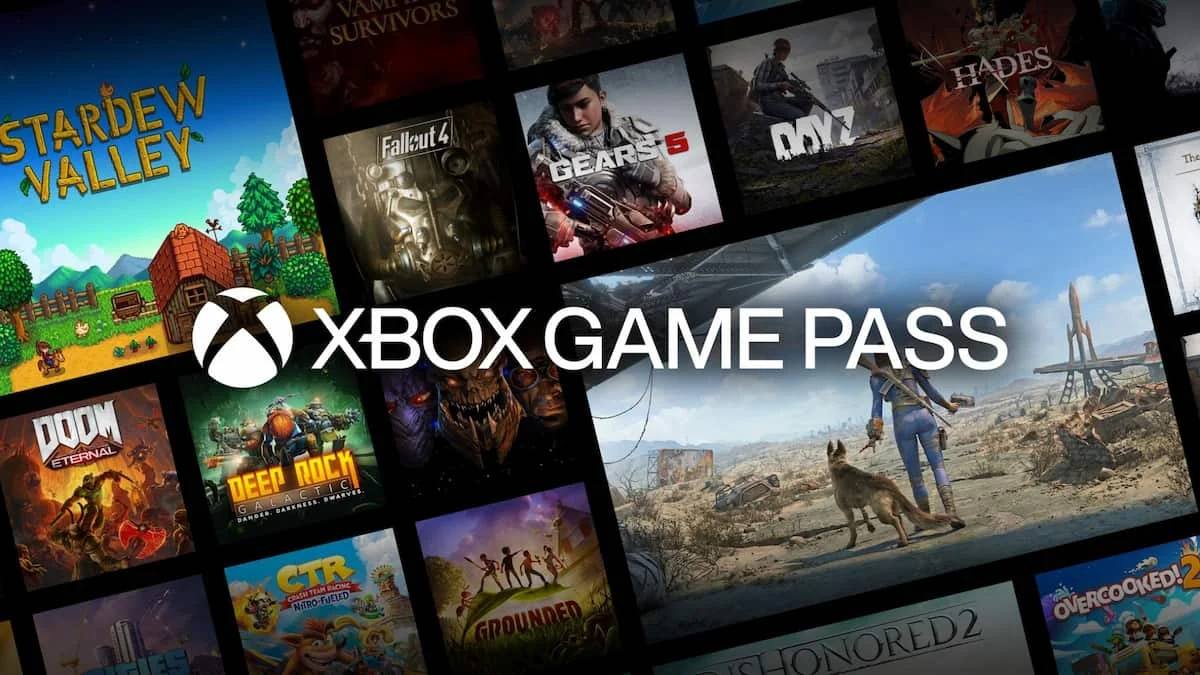
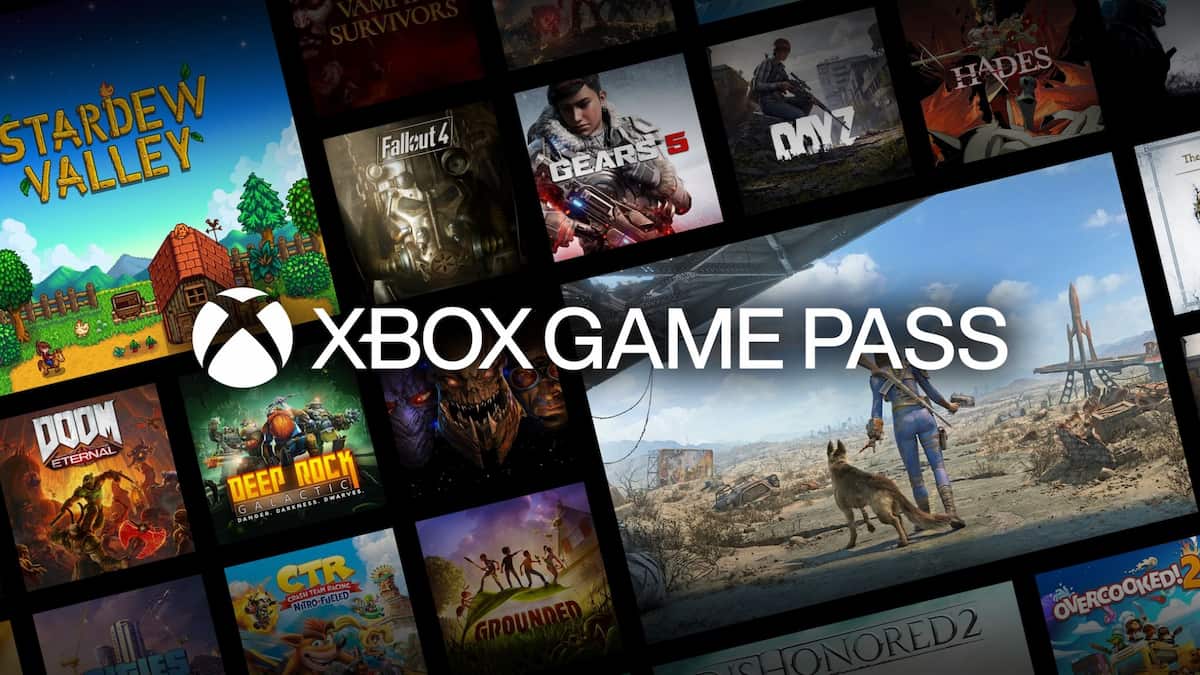
Xbox Game Pass has undeniably revolutionized how a significant portion of the global gaming community accesses titles, transforming the landscape of AAA and viral games by offering unprecedented affordability and accessibility. For many players, a subscription costing less than $15 per month unlocks a library of hundreds, if not thousands, of games that would otherwise represent a substantial financial investment. However, this model, while lauded by consumers, presents a complex set of challenges for game developers and publishers, particularly concerning revenue generation and the perception of a game’s commercial success. Recent reports and industry commentary suggest that within Xbox itself, there is a growing internal tension regarding the long-term sustainability and impact of Game Pass, with some studio executives reportedly harboring significant reservations about its effects on the broader games industry.
The Accessibility Revolution and Its Financial Undercurrents
The core appeal of Xbox Game Pass lies in its value proposition. For a relatively low monthly fee, subscribers gain access to a vast and ever-expanding catalog of games, including many high-profile releases. This has democratized gaming for a generation, allowing players to explore diverse genres and titles without the prohibitive cost of individual purchases. Games that would typically retail for $50, $60, or even $70 can be experienced as part of a Game Pass subscription.
This accessibility, however, creates a significant economic paradox. When a game is available on Game Pass on its day of release, the traditional metrics of commercial success—unit sales and revenue—become obscured. For instance, a game like The Outer Worlds 2, while a critically well-received title, reportedly saw limited engagement on platforms like Steam. The prevalent reasoning cited is that many players opted to access the game through Game Pass rather than purchasing it outright, a choice driven by the cost savings inherent in the subscription model. This scenario, where a game’s potential sales are cannibalized by its inclusion in a subscription service, raises fundamental questions about how "success" is defined and measured in the current gaming ecosystem.
Internal Dissent: Shreier’s Revelations on Game Pass Sentiment
The growing concern over Game Pass’s impact is not confined to external observation. Renowned video game journalist Jason Shreier, in a report highlighted by wccftech, has indicated that a significant number of Xbox studio leaders hold a deeply ambivalent, if not outright negative, view of Game Pass. While it is widely understood that Xbox is unlikely to discontinue the service given its strategic importance and consumer adoption, Shreier’s insights suggest a potential shift in strategy, specifically the removal of day-one releases from the subscription library. The rationale behind this potential change, as explained by Shreier, is that the current model of offering every major release on day one "makes no sense anymore" from a financial perspective for many involved.
Shreier elaborated on this sentiment by referencing games like South of Midnight. While acknowledging the game’s dedicated fanbase, he pointed out that its commercial performance is difficult to gauge accurately. A game priced at $40, if played through Game Pass for a fraction of that monthly cost, provides a clear incentive for players to choose the subscription route. This dynamic, Shreier argues, leads to a situation where many in Xbox’s studio leadership believe Game Pass has "destroyed the value of their games" and, by extension, has been a "detriment to the games industry." The core of this criticism centers on the devaluation of individual game purchases and the broader perception of what a game is "worth" in the market.
The Economic Conundrum: Devaluing Individual Purchases
The fundamental economic challenge posed by Game Pass is its ability to decouple the consumption of a game from its individual purchase price. For players, this is an undeniable benefit, offering a vast entertainment library for a predictable and affordable cost. However, from a developer’s or publisher’s standpoint, this can be detrimental. When a game is readily available on Game Pass, the incentive for a consumer to spend $60 on that specific title diminishes significantly. This can lead to lower unit sales, which are often crucial for recouping development costs and generating profit, especially for smaller studios or titles that may not achieve immediate viral success.
The case of Tony Hawk’s Pro Skater 3+4, as depicted in accompanying imagery, serves as a potential illustration of this issue. While the image itself is illustrative and the game’s specific sales performance is not detailed in the original text, the implication is that such titles, when released day one on Game Pass, may not achieve the same commercial breakthroughs they might have in a traditional sales environment. This creates a difficult situation where the perceived "success" of a game becomes a complex equation, influenced not just by critical reception or player engagement, but also by the opaque revenue-sharing models employed by subscription services.
Shifting Perceptions of Value: A Player-Centric vs. Developer-Centric View
The dichotomy in perception regarding Game Pass’s impact can be further understood by examining the differing priorities of players and developers. Players, naturally, gravitate towards the most cost-effective way to access the games they want to play. For them, Game Pass represents a superior value proposition compared to purchasing individual titles. This consumer behavior, while rational from their perspective, creates the economic pressures that are causing concern within the development community.
Conversely, developers invest significant time, resources, and creative energy into producing games. Their financial models are often predicated on direct sales or a clear return on investment tied to unit sales. When a significant portion of their potential audience opts for a subscription service instead of a direct purchase, the financial projections can be severely impacted. This can lead to a chilling effect on investment in certain types of games or a reluctance to take creative risks, as the perceived financial upside of a traditional release may be diminished.
Historical Context and Precedent
This debate is not entirely new. The concept of subscription services for digital content has been a recurring theme in various industries, from music streaming to film and television. Each transition has brought about a period of adjustment, where established revenue models are challenged and new ones emerge. In the gaming industry, the advent of digital storefronts and the subsequent rise of digital sales initially disrupted traditional retail models. Game Pass represents the next evolutionary step in this digital transformation, shifting the focus from individual ownership to access.
Previous analyses, including reports from destructoid.com, have highlighted how Game Pass can significantly affect the release performance of games on other platforms. The "Day One" release strategy, where new titles are immediately available on Game Pass, has been identified as a factor that can lead to underperformance in traditional sales channels. Games may struggle to gain traction when a readily available, lower-cost alternative exists. This creates a peculiar situation where a game is simultaneously a success for Game Pass subscribers and a potential commercial disappointment in terms of direct sales.
Potential Implications and Future Directions
The internal discussions at Xbox, as reported by Shreier, suggest a potential recalibration of the Game Pass strategy. The removal of day-one releases for some titles, particularly those that might benefit more from direct sales or are not considered flagship "system sellers" for the service, could be a logical step. This would allow developers to pursue traditional sales models for certain games while still leveraging Game Pass for broader reach and player engagement for others.
Such a shift could have several implications:
- Restored Sales Metrics: By reducing the number of day-one releases, Xbox could potentially provide developers with a clearer path to achieving measurable success through unit sales, thus re-establishing traditional benchmarks for commercial performance.
- Strategic Content Placement: Games could be strategically placed on Game Pass after an initial period of exclusive sales, allowing them to build momentum and revenue through direct purchases before becoming accessible via subscription.
- Re-evaluation of Game Value: A more curated approach to day-one releases might encourage players to more thoughtfully consider the value of individual game purchases, potentially leading to a renewed appreciation for the effort and cost involved in game development.
- Impact on Third-Party Developers: For third-party developers, this could mean more predictable revenue streams if they can rely on a combination of Game Pass revenue and direct sales, rather than being entirely dependent on the often opaque revenue-sharing models of subscription services.
However, any such changes would need to be carefully managed to avoid alienating the substantial player base that has come to rely on Game Pass for its extensive day-one offerings. The success of Game Pass is undeniable, and its ability to drive player engagement and build a loyal subscriber base is a significant asset for Xbox. The challenge lies in finding a sustainable balance that benefits both the platform holder and the creators who populate its service. The ongoing evolution of Xbox Game Pass will undoubtedly continue to be a critical focal point in discussions about the future of the gaming industry.