


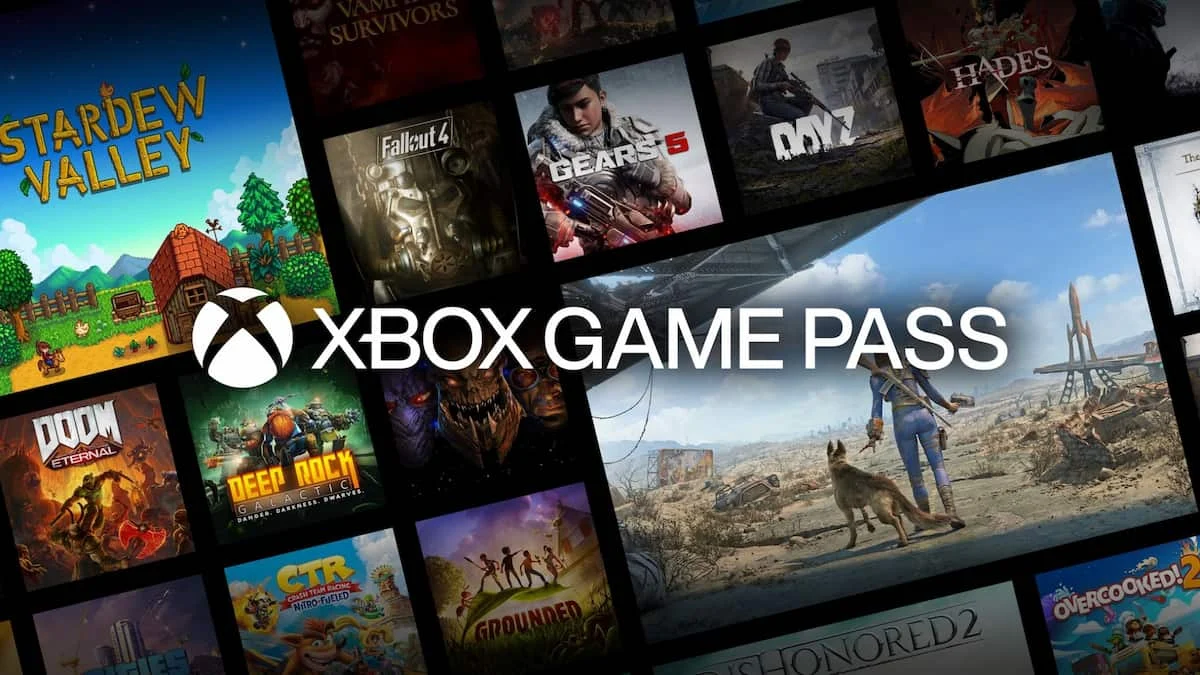
Xbox Game Pass, Microsoft’s ambitious subscription service, has undeniably revolutionized the accessibility and affordability of video games for a global audience. For a modest monthly fee, players gain access to a vast library of titles, including many AAA and critically acclaimed games, effectively offering thousands of dollars worth of entertainment for a fraction of the cost. However, this unprecedented value proposition for consumers has simultaneously emerged as a significant challenge for game developers and publishers, particularly concerning the perceived value and commercial success of individual titles. The core issue lies in how Game Pass, especially with its day-one releases of first-party and even third-party games, can dramatically reduce a game’s direct sales revenue and obscure its true market performance, leading to internal friction and strategic reassessments within Xbox itself.
The Economics of Subscription and its Impact on Game Sales
The economic model of Xbox Game Pass is designed to offer an expansive catalog of games for a low, recurring price. In many regions, this subscription costs less than $15 per month, providing access to hundreds of games. While this is a boon for consumers, it presents a complex dilemma for developers. Games that typically retail for $50, $60, or even $70 are made available on the service, often on their launch day. This creates a powerful incentive for players to opt for the subscription rather than purchasing the game outright.
Consider the example of The Outer Worlds 2. Despite being a well-regarded title, its engagement on platforms like Steam reportedly saw a significant portion of players choosing to access it through Game Pass rather than purchasing it at full price. This was largely due to its inclusion on the service from day one, effectively bypassing the traditional sales funnel. When a game is readily available as part of a subscription, the perceived value of a standalone purchase diminishes significantly, making it difficult to gauge the game’s independent commercial success. This lack of clear sales data can impact future investment decisions, sequels, and developer morale.
Internal Disquiet: Reports of Developer Frustration with Game Pass
Adding a layer of complexity to this discussion are reports suggesting that within Xbox’s studio leadership, there is a palpable discontent with the Game Pass model, despite its strategic importance for the platform. Renowned industry journalist Jason Schreier, citing sources familiar with the matter, has indicated that while Xbox is unlikely to abandon Game Pass, there is a growing sentiment that the practice of releasing major titles on day one of their launch may cease. The reasoning, according to these reports, is that this strategy "makes no sense anymore" from a revenue and perceived value perspective for many of the games.
Schreier highlighted another example, South of Midnight. This game, while not necessarily a critical darling, resonated deeply with a specific audience. Its retail price was set at $40. However, for a monthly subscription fee significantly lower than that, players could access it through Game Pass. This disparity in cost and accessibility can lead to a situation where players are disincentivized from purchasing games individually, preferring the "Game Pass shortcut" to save considerable money. This creates an environment where the true market demand and financial success of a game are not accurately reflected by its direct sales figures.
According to Schreier’s observations, "There are a lot of people out there in studio leadership within Xbox who absolutely detest Game Pass and think it has destroyed the value of their games." He further elaborated that this sentiment extends to the broader perception of the gaming industry: "[They] think it has taken away from the value of all games in general just as a service, and that it’s been a detriment to the games industry and those people’s views because of how it devalues games." This internal conflict underscores the difficult balancing act Microsoft faces: leveraging Game Pass as a key differentiator and acquisition tool while simultaneously ensuring the financial health and perceived value of the games that power the service.
The Chronology of Game Pass and Evolving Industry Perceptions
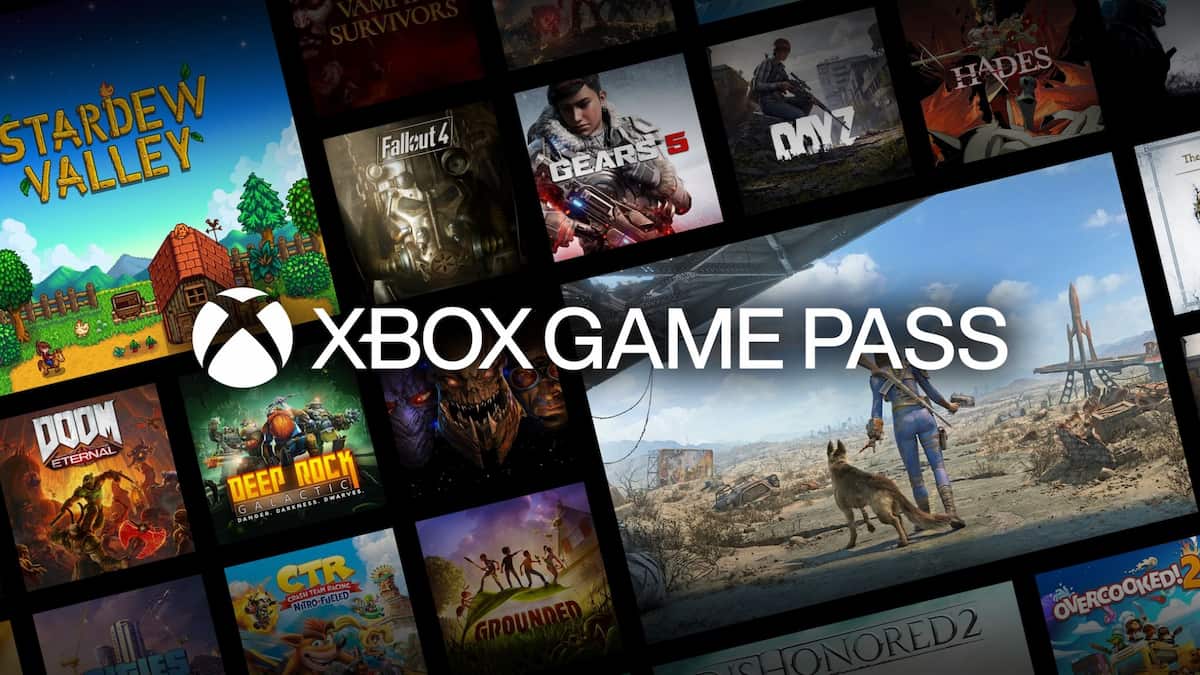
Xbox Game Pass was first launched in June 2017 as a way for Microsoft to offer a compelling value proposition for Xbox owners and to compete with other subscription services. Initially, the service focused on a curated library of older titles, but its strategy evolved rapidly. The introduction of Xbox Game Studios titles on day one of their release, starting with Sea of Thieves in March 2018 and more significantly with Gears 5 in September 2019, marked a pivotal shift. This move was lauded by players as a groundbreaking development, significantly increasing the appeal of the Xbox ecosystem.
The subsequent acquisition of Bethesda Softworks and ZeniMax Media in March 2021, and later Activision Blizzard in October 2023, further bolstered Microsoft’s first-party output and its ability to populate Game Pass with highly anticipated titles. This aggressive content strategy, while enhancing the service’s attractiveness, also intensified the debate about its impact on traditional game sales and the industry’s economic model. Reports of internal friction and dissatisfaction with Game Pass’s effect on perceived game value appear to have emerged as the service matured and its influence on player purchasing habits became more pronounced.
Supporting Data and Market Analysis
While specific internal financial data from Microsoft regarding Game Pass revenue versus direct game sales for individual titles is not publicly disclosed, industry analysts have provided insights into the broader market trends. Studies have shown a correlation between games available on subscription services and a decline in their standalone purchase rates. For instance, a 2022 report by Ampere Analysis suggested that while subscription services like Game Pass drive game adoption, they can also lead to a cannibalization of full-price sales, particularly for games that are not perceived as system-sellers or exclusive must-haves.
The inclusion of titles like Tony Hawk’s Pro Skater 3+4 on Game Pass from day one, as alluded to in the original context, can prevent the game from achieving a significant commercial breakthrough in the traditional market. While players might engage with it through their subscription, the absence of substantial direct sales figures can lead to the perception that the game did not perform well, regardless of its player count on the service. This ambiguity makes it challenging for publishers to make informed decisions about future investments in sequels or related franchises.
Furthermore, the concept of "devaluation" can be understood through the lens of consumer expectations. When a large library of high-quality games is available for a low monthly fee, consumers may begin to view individual games as less valuable when considered outside the context of the subscription. This can create a psychological barrier to purchasing games at their full retail price, even for titles that are critically acclaimed and developed with substantial budgets.
Broader Industry Implications and Potential Future Shifts
The ongoing tension surrounding Xbox Game Pass has broader implications for the entire video game industry. If successful, Microsoft’s strategy could influence how other platform holders and publishers approach content distribution and monetization. The current model, while beneficial for players, raises questions about the long-term sustainability of game development if direct sales revenue continues to be eroded.
One counter-argument to the notion of Game Pass solely devaluing games is that player engagement and brand building can still be significant. A game that might not sell millions of copies at full price could still reach a vast audience through Game Pass, fostering goodwill, generating positive word-of-mouth, and potentially leading to increased interest in future installments or merchandise. This was observed in cases where first-party Xbox titles that performed exceptionally well outside of Game Pass were those where fans genuinely believed the game’s value justified the purchase price, indicating that player perception of worth remains a critical factor.
However, the persistent internal concerns at Xbox suggest that the current balance may not be optimal for all stakeholders. The potential shift away from mass day-one releases on Game Pass, as reported by Schreier, could signal a strategic recalibration. This could involve a tiered approach, where only select flagship titles launch day-one, while other games are added to the service after a period, allowing their initial retail sales window to conclude. Such a move would aim to preserve the perceived value of individual games while still leveraging Game Pass as a powerful marketing and player acquisition tool.
The future of game monetization and distribution is likely to remain a dynamic landscape. Services like Xbox Game Pass have undeniably reshaped player expectations and market economics. The ongoing dialogue and reported internal discussions within major industry players like Xbox highlight the critical need for innovative solutions that balance the accessibility afforded by subscription models with the financial viability and perceived value of the games that form their foundation. The industry will continue to monitor how Xbox and other stakeholders navigate these complex economic and creative challenges, as the decisions made today will shape the gaming landscape for years to come.