


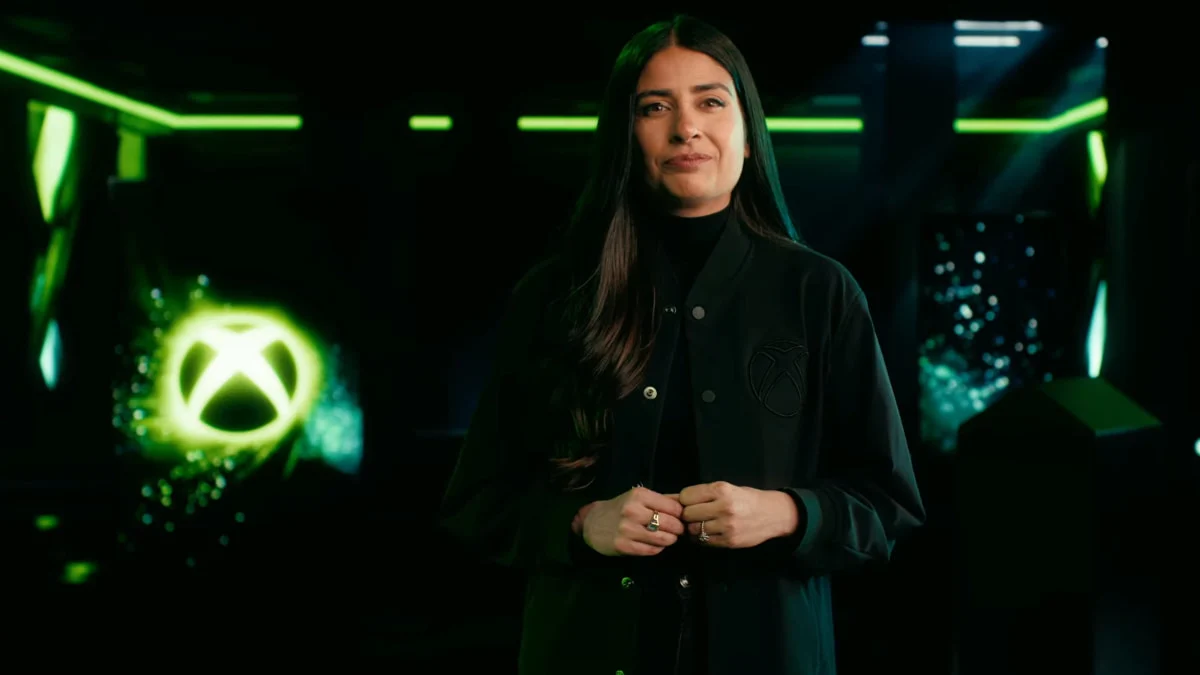
The gaming landscape, once buzzing with optimistic pronouncements and renewed exclusive titles, is now grappling with a starkly different reality within Xbox. Months after Asha Sharma ascended to the role of CEO, succeeding the respected Phil Spencer, a period of apparent revitalization has taken a sharp and unsettling turn. Sharma’s initiative, termed the "Xbox Reset," spanning the next 100 days, signals a period of significant upheaval, marked by substantial workforce reductions and a confronting assessment of the company’s financial trajectory and operational challenges. This abrupt shift, detailed in a company-wide memo and corroborated by industry reporting, casts a shadow over the brand’s recent gains and raises critical questions about its future direction.
A Fleeting Renaissance and a Harsh Reckoning
The initial months of Asha Sharma’s tenure were met with considerable optimism. Her leadership was characterized by a clear articulation of a renewed focus on the Xbox brand and its player base. This was punctuated by strategic decisions such as a reduction in the subscription price for Xbox Game Pass, a move widely seen as a commitment to value for loyal customers. Furthermore, the announcement of highly anticipated exclusive titles like Gears of War: E-Day and Clockwork Revolution rekindled excitement and signaled a return to a core strength that many felt had been diluted. The prevailing sentiment within the gaming community and among industry observers was that Xbox was regaining its footing and charting a confident course forward.
However, this optimistic outlook has been abruptly challenged. The "Xbox Reset" initiative, as outlined by Sharma and Xbox Game Studios head Matt Booty, presents a considerably bleaker picture. The memo, obtained and reported on by Bloomberg’s Jason Schreier, frankly addresses "realities that we need to navigate," which unfortunately translate into "major layoffs" scheduled for July. This announcement follows the close of Microsoft’s fiscal year on June 30th, a timing that underscores the urgency and scale of the internal adjustments being undertaken.
Declining Revenues and Strategic Realignments
The core driver behind these drastic measures appears to be a persistent decline in Xbox’s revenue streams. The company memo explicitly states, "We will end this fiscal year at about a three percent accountability margin, down year-over-year." This figure, while seemingly modest, represents a significant downturn in profitability. The statement further elaborates on the financial strain, noting, "Excluding Activision Blizzard King, over the past five years, we have spent over $20 billion on ongoing investments in our content, platform, and hardware subsidy, but our annual revenue has declined nearly half a billion during that time." The stark conclusion drawn from this data is unequivocal: "Going forward, this cannot continue."
This admission highlights a critical strategic challenge for Xbox. Despite substantial financial outlays aimed at bolstering its ecosystem, the company has witnessed a contraction in its top-line revenue. The acquisition of Activision Blizzard King, a monumental deal completed in late 2023, was largely seen as a move to inject new life and revenue into Xbox’s content pipeline. However, the current financial reporting suggests that even this significant acquisition has not yet offset the underlying revenue decline in other areas of the Xbox business. This points to systemic issues that extend beyond the immediate impact of content releases or subscription service adjustments.
The memo further acknowledges that the path forward will involve difficult and potentially unpopular decisions. Sharma’s words, "what comes next will be surprising and even frustrating to discover," suggest a willingness to enact fundamental changes that may disrupt established norms and player expectations. She emphasized a departure from past approaches, stating, "We won’t succeed by hiding hard truths, nor will we succeed by doing the same thing and expecting different results." This declaration signals a departure from incremental adjustments and points towards a more radical restructuring of Xbox’s business model and operational priorities.

The Specter of Component Shortages and Soaring Costs
Beyond the internal financial pressures and workforce reductions, Xbox is confronting a severe external challenge: a global "hardware component crisis." Sharma’s memo details a dramatic escalation in the cost of essential components for console manufacturing. She revealed that console storage component prices had doubled upon her assumption of the CEO role in February, have since doubled again, and are projected to experience another "significant increase." This cumulative effect is staggering, projecting costs to be "over 5x the prices we paid only two years earlier."
The impact of this crisis extends to other critical hardware elements. "Memory costs have followed a broadly similar trajectory," Sharma reported. The implications are dire: "While the entire industry is facing a components crisis, we believe we have been impacted more greatly than many of our peers due to the choices we made over the last half decade." This statement suggests that prior strategic decisions, perhaps related to supply chain dependencies or long-term component sourcing agreements, have exacerbated Xbox’s vulnerability to the current market volatility.
The immediate consequence of these escalating component costs is a production bottleneck. "We are currently unable to make as many consoles as players want to buy," Sharma admitted. This scarcity not only frustrates consumers but also limits Xbox’s ability to capitalize on market demand and generate revenue. The company is actively seeking a "new business model and partnerships for hardware," a clear indication that its current approach to hardware procurement and manufacturing is unsustainable. Despite these challenges, Xbox remains "committed to [the next Xbox console, codenamed Helix]," a project that now faces an uncertain and potentially much more expensive future.
Broader Industry Impact and Consumer Concerns
The challenges faced by Xbox are not isolated incidents. The broader gaming industry is grappling with similar pressures. Sony and Nintendo, the other major console manufacturers, have also been compelled to implement price hikes for their respective consoles in response to rising production costs. This widespread trend suggests a systemic issue within the global electronics supply chain, amplified by geopolitical factors and increased demand.
The escalating costs of hardware components inevitably translate to higher prices for consumers. The prospect of the next-generation Xbox console, codenamed Helix, launching at a significantly inflated price point is a significant concern for the gaming community. Many players are already feeling the pinch of increased prices across various forms of entertainment, and further substantial increases in console costs could make gaming a less accessible hobby. This could lead to a contraction in the addressable market and a shift in consumer spending towards alternative forms of entertainment.
The current situation presents a complex and challenging environment for Asha Sharma and the Xbox leadership team. While the "Xbox Reset" initiative aims to address critical financial and operational issues, the impending layoffs represent a human cost that cannot be overlooked. The focus on profit margins and accountability, while necessary for business survival, stands in stark contrast to the personal impact on employees facing job displacement. The coming months will be a critical period for Xbox, defining its ability to navigate these multifaceted crises and chart a sustainable path forward in an increasingly volatile industry. The long-term success of the brand will depend on its capacity to adapt, innovate, and rebuild trust with both its workforce and its dedicated player base.