


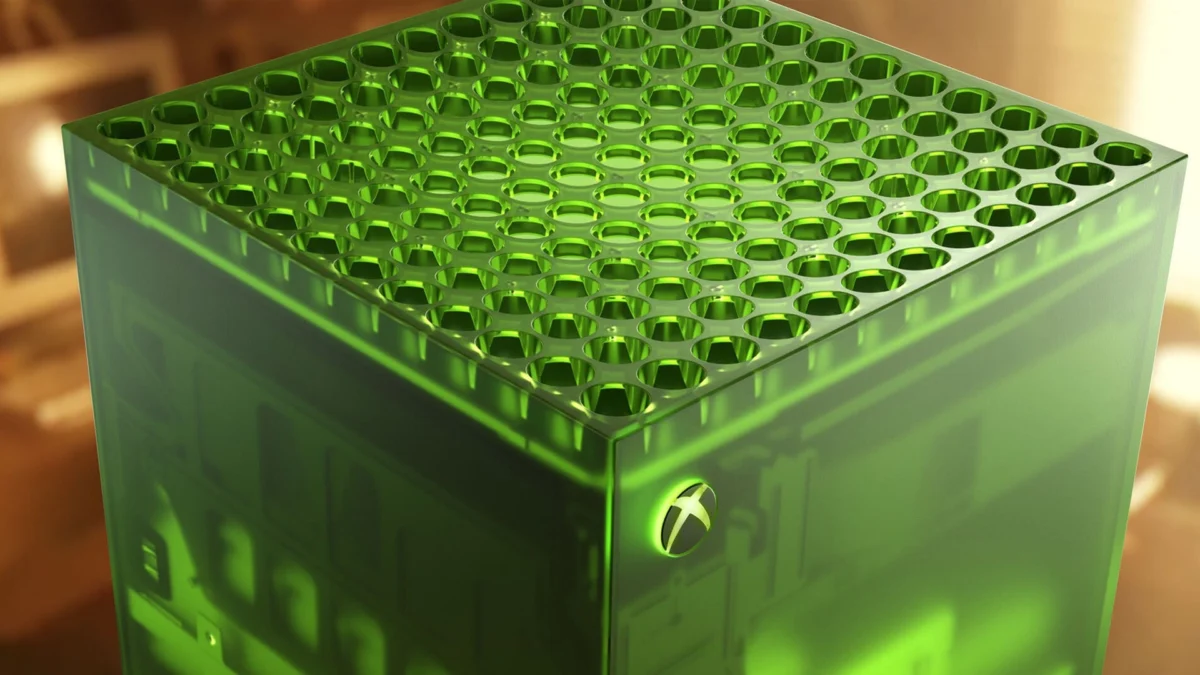
Microsoft’s Xbox division is poised to implement a global price increase for its Xbox Series X and Xbox Series S consoles, effective Saturday, August 1st. However, industry sources and expert analysis suggest that even with this adjustment, the technology giant may continue to incur losses on each unit sold, raising significant questions about the long-term viability of its current hardware strategy and the future direction of its anticipated next-generation initiative, Project Helix.
The decision to raise prices, initially announced in June 2026, reflects a growing trend across the consumer electronics sector, driven primarily by an unprecedented surge in manufacturing costs. At the heart of this challenge lies a severe and ongoing component shortage crisis, particularly impacting memory chips. The escalating global demand for artificial intelligence (AI) infrastructure has significantly pushed memory chip prices to record highs, creating what some industry observers have dubbed a "RAMpocalypse." This volatile market environment has reportedly compelled Microsoft to add an additional $100 to the price of both Xbox Series X and S hardware, a move that analysts believe is a direct response to the eroding profit margins on its console sales.
The Economic Realities of Console Manufacturing
The console market has historically operated on a unique financial model. Unlike many other consumer devices such as smartphones or personal computers, gaming consoles are frequently sold at a loss, or at best, near cost, at the beginning of their life cycles. This strategy, often referred to as "loss-leading," aims to quickly build a large install base, which then generates substantial revenue through software sales (games), subscription services (Xbox Game Pass, Xbox Live Gold), and accessory purchases. Over time, as manufacturing processes mature and component costs decrease, the hardware eventually becomes profitable.
However, the current economic climate has severely disrupted this traditional model. The component shortage crisis, exacerbated by geopolitical tensions, supply chain disruptions originating from the COVID-19 pandemic, and the surging demand from other high-tech sectors, has led to sustained and unpredictable increases in the cost of critical components like semiconductors, microprocessors, and memory modules. For Xbox, the reliance on high-performance RAM for its Series X and S consoles has made it particularly vulnerable to the current "RAMpocalypse."
Jez Corden, a prominent writer for Windows Central, recently cited sources claiming that "Xbox is losing around $150~ per Xbox Series X|S sold recently due to memory price increases." This staggering figure underscores the profound impact of the rising component costs. If these claims are accurate, even with the impending $100 price hike, Microsoft could still face a deficit of approximately $50 per console sold. This scenario presents a stark contrast to the anticipated path to profitability that console manufacturers typically envision midway through a generation.
A Chronology of Rising Costs and Strategic Shifts
The trajectory towards the current pricing dilemma has been unfolding for several years. The initial launch of the Xbox Series X and Series S in November 2020 occurred amidst the nascent stages of global supply chain disruptions. While initial component costs were factored into the launch prices, the subsequent, sustained escalation proved difficult to predict and manage.
- Early 2021: Reports of widespread semiconductor shortages begin to emerge, impacting various industries from automotive to consumer electronics. Xbox acknowledges challenges in meeting demand due to supply constraints.
- Late 2021 – Early 2022: The component crisis intensifies. Prices for key materials and chips begin to steadily climb. Xbox Chief Supply Officer (CSO) issues statements regarding console demand outstripping supply and rising component prices, hinting at the pressures building on manufacturing costs.
- Mid-2022 – Early 2026: The global economic landscape shifts further with rising inflation and increased investment in AI infrastructure, particularly from major tech companies. This drives up demand for high-bandwidth memory (HBM) and other advanced RAM technologies, creating a ripple effect across the entire memory market, impacting even standard DRAM used in consoles.
- June 2026: Microsoft officially announces worldwide price increases for the Xbox Series X and Series S consoles, citing rising production costs. The announcement details the specific new pricing for various regions.
- August 1st, 2026: The announced price increases officially take effect, marking a significant adjustment in Xbox’s pricing strategy during the current console generation.
- July 2026 (Pre-hike analysis): Industry analysts, including Jez Corden, begin to publish reports and insights suggesting that the price hike may not be sufficient to bring console sales into profitability, indicating continued losses per unit.
This timeline illustrates a reactive rather than proactive approach, forced upon Xbox by external market forces beyond its immediate control. The price hike, while necessary to mitigate losses, represents a difficult decision that could impact consumer sentiment and competitive positioning.
The Shadow Over Project Helix: Xbox’s Next-Gen Ambitions
The financial strain on current-generation hardware inevitably casts a long shadow over Microsoft’s plans for its next-generation console, widely rumored under the codename "Project Helix." Project Helix is reportedly envisioned as an ambitious hybrid console, potentially integrating PC-like capabilities and offering open access to third-party storefronts such as Steam and the Epic Games Store, a significant departure from traditional console ecosystems. This strategic direction aims to blur the lines between console and PC gaming, offering unparalleled flexibility and a vast library of titles.
However, the current economic realities threaten the feasibility of such an endeavor, especially if it aims to be a high-performance device. Earlier discussions around Project Helix, including a poll conducted by Pure Xbox, indicated that a majority of voters believed it would cost more than a hypothetical $1049 "Steam Machine." If the current Series X|S consoles are struggling to achieve profitability even after a price hike, the challenge of pricing a more advanced, potentially more expensive hybrid device competitively becomes immensely complex.
Xbox Boss Asha Sharma recently acknowledged these challenges, emphasizing the critical need for "innovation" to make Project Helix economically viable. Speaking on the matter, Sharma stated, "I think it’s expensive if we do not innovate. I came to help that problem. It’s natural that prices go up, every generation around us is raising prices, but I don’t think you can raise prices through the hardware crisis that we’re seeing, and so it will require fundamental change in terms of how we innovate and how we think about the business models and how we go bring this to market, and we’re working on that."
Sharma’s comments suggest a multi-faceted approach to innovation, extending beyond just hardware design. This could involve exploring new business models, optimizing supply chain logistics, or even rethinking the core architecture of the device to reduce component costs without sacrificing performance or the desired "hybrid" experience. The implication is clear: simply building a powerful new console and selling it at a traditional price point may no longer be sustainable in the current and projected economic environment.
Broader Implications and Strategic Pivots

The ongoing financial pressures have broader implications for Xbox’s overall strategy within the highly competitive gaming market. Sony’s PlayStation 5 and Nintendo’s Switch, while also facing supply chain challenges, have navigated the landscape with varying degrees of success. Sony has also raised the price of its PS5 in some regions, indicating a shared industry challenge, but the specific impact on its profitability remains less transparent than the current reports concerning Xbox. Nintendo, with its less powerful but immensely popular Switch, operates on a different cost structure, potentially insulating it somewhat from the most extreme high-end component price fluctuations.
For Xbox, the continued losses on hardware sales could accelerate a strategic pivot towards its services-centric model. Xbox Game Pass, its subscription service, has been a cornerstone of its strategy, aiming to generate recurring revenue independent of hardware sales. If hardware continues to be a loss leader, the pressure on Game Pass to attract and retain subscribers, and on first-party software to drive engagement, will only intensify. This could lead to an even greater emphasis on cloud gaming capabilities, allowing users to access Xbox titles without owning dedicated hardware, further decentralizing the gaming experience from a single console purchase.
The concept of an "open" Project Helix with access to Steam and Epic stores, while appealing to consumers, presents its own set of challenges. Such an approach could dilute Xbox’s control over its ecosystem and potentially reduce its share of software revenue if players opt to purchase games from competing storefronts. This would necessitate an even stronger value proposition for Xbox’s own services and first-party titles to maintain a competitive edge. If hardware is not profitable, and a significant portion of software sales goes to third parties, the overall economic model becomes difficult to sustain.
The Road Ahead: Innovation as Imperative
The outlook for the console market, and specifically for Xbox’s hardware division, remains complex heading into late 2026 and 2027. Experts predict that the component crisis, particularly concerning memory and advanced semiconductors, is unlikely to abate significantly in the short term, with demand from AI, automotive, and other high-growth sectors continuing to drive prices upward.
This environment makes innovation not just an advantage, but an absolute imperative for Xbox. The challenge for Asha Sharma and her team is to devise a strategy for Project Helix that delivers a compelling next-generation experience while remaining financially sustainable in a world of ever-increasing component costs. This could involve:
- Modular Hardware Design: Developing a console with more upgradeable or customizable components to reduce initial manufacturing costs and extend the hardware’s lifecycle.
- Aggressive Supply Chain Management: Forging stronger, more resilient partnerships with component manufacturers and investing in long-term supply agreements to mitigate price volatility.
- Differentiated Business Models: Further integrating cloud gaming and subscription services into the core value proposition of Project Helix, potentially offering tiered hardware options or even a "console-as-a-service" model.
- Software-Centric Profitability: Relying even more heavily on Game Pass subscriptions, first-party exclusives, and advertising revenue to offset hardware losses, essentially treating the console as an access point rather than a primary profit driver.
The impending price hike for the Xbox Series X and S consoles is a direct symptom of a larger, systemic issue facing the consumer electronics industry. For Microsoft’s Xbox division, it highlights the immediate financial pressures and underscores the critical need for strategic foresight and profound innovation as it charts the course for Project Helix and the next era of gaming. The ability to maintain a healthy business model in this challenging landscape will determine not only the affordability of future Xbox hardware but also its ultimate success in the evolving global gaming market.