


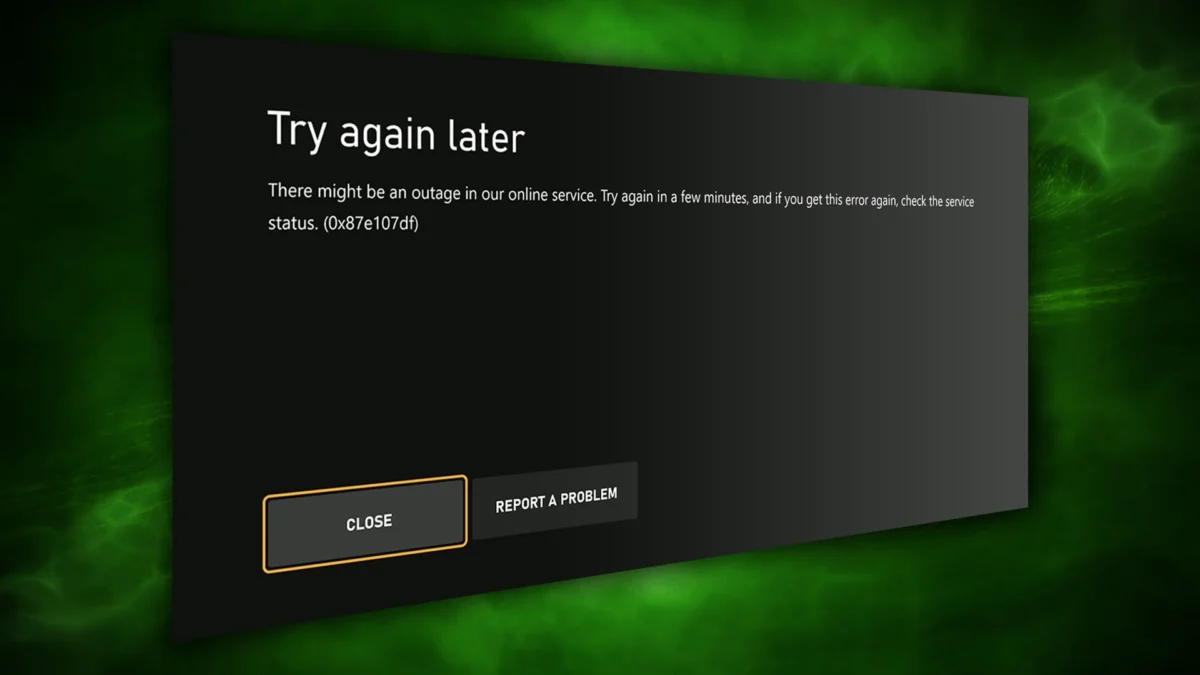
Microsoft has officially confirmed the full restoration of Xbox Live services following a significant technical disruption that lasted approximately 20 hours, beginning on July 27, 2026. The outage, which was among the most extensive in the platform’s recent history, effectively paralyzed the gaming experience for millions of users worldwide, preventing access to digital libraries, online multiplayer services, and even certain physical media titles that require online authentication. According to the final update from Xbox Support at 12:46 AM on July 28, the issues have been mitigated, and users are once again able to sign in, launch games, and complete transactions through the Microsoft Store.
Chronology of the 20-Hour Disruption
The service instability began early on July 27, with the first wave of reports surfacing on social media and service-monitoring platforms like DownDetector. By mid-morning, the Xbox Status page indicated a "Major Outage" affecting Account & Profile services, followed shortly by failures in Store & Subscriptions and Cloud Gaming.
Throughout the afternoon, the scope of the incident widened. While some users reported intermittent access to their consoles, the vast majority encountered error codes when attempting to boot software. Microsoft’s engineering teams issued several updates via social media, acknowledging the length of the downtime and the frustration caused by the persistent inability to verify game licenses. The "long one," as described by Xbox Support, finally drew to a close in the early hours of July 28, when the primary authentication servers were brought back online and stabilized.
Technical Scope and the DRM Dilemma
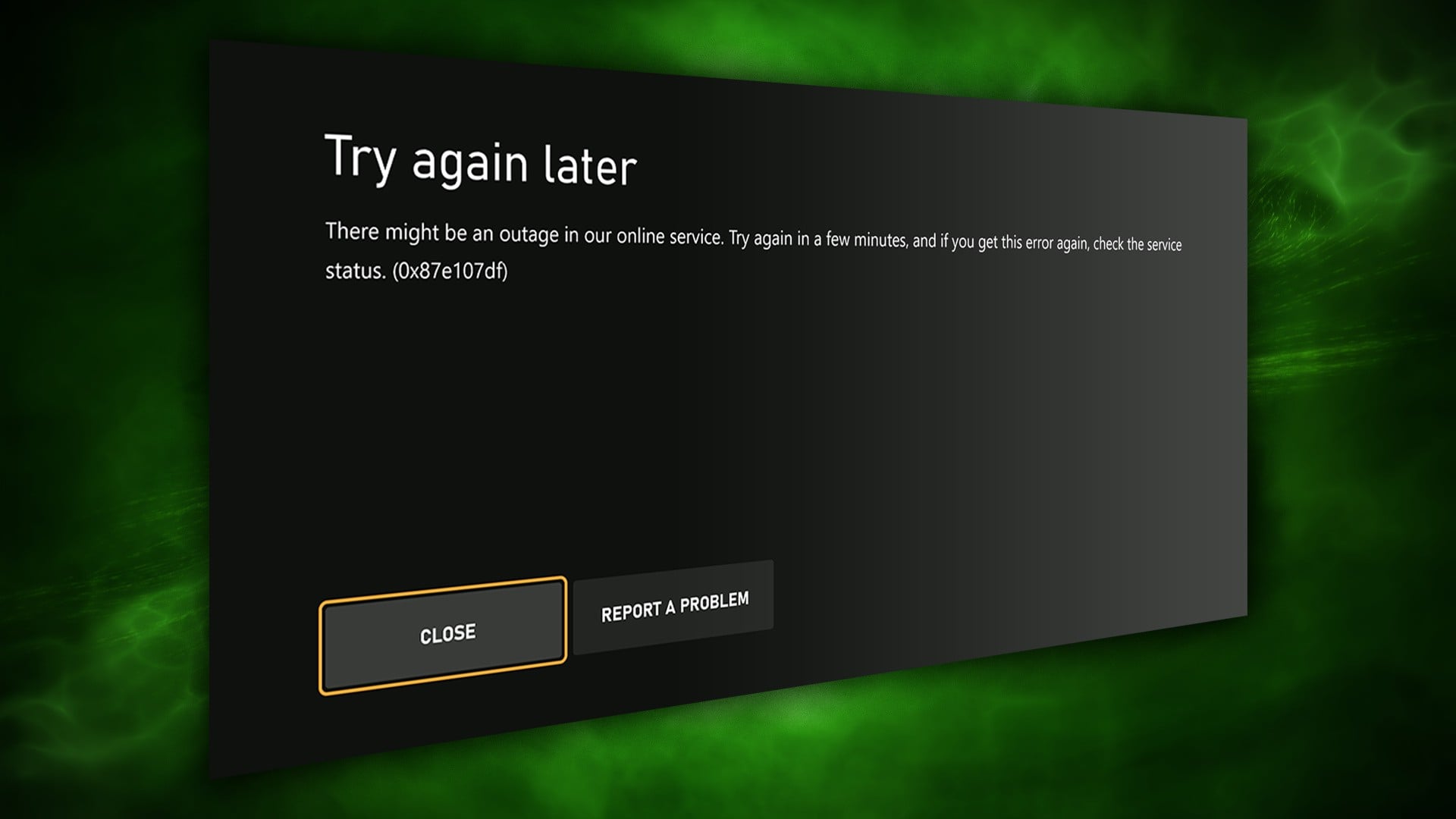
The outage highlighted a critical vulnerability in the modern gaming ecosystem: the reliance on Digital Rights Management (DRM) and persistent server check-ins. Unlike previous generations where physical media served as an autonomous license, the Xbox Series X|S architecture often requires a "handshake" with Microsoft’s servers to verify ownership.
During this 20-hour window, users discovered that even physical discs were not immune to the service failure. For many, the console was unable to validate the license held on the disc because the secondary online verification layer was unreachable. This sparked significant debate across gaming forums regarding the "Home Xbox" feature. While setting a console as a "Home Xbox" is intended to allow for offline play, many users reported that this fail-safe did not function as expected during the July 27 outage, possibly due to a failure in the initial sign-in token renewal process.
Interestingly, the disruption appeared to be localized primarily to the console hardware ecosystem. Data gathered during the event suggested that the Xbox for PC app remained functional for a larger segment of the population. Users operating on Windows-based handhelds, such as the ROG Ally, and traditional desktop rigs reported success in launching titles like the indie hit "Replaced," even while their console counterparts remained locked out of the same software. This discrepancy suggests a divergence in the server clusters or authentication protocols used for the Windows gaming environment versus the dedicated Xbox console OS.
Impact on Hardware Variants: Series S vs. Series X
The outage brought the inherent risks of the digital-only hardware model into sharp focus. Owners of the Xbox Series S—a console without an optical disc drive—found themselves with effectively "bricked" hardware for the duration of the event. Without the ability to fall back on physical media, these users were entirely dependent on the availability of Microsoft’s cloud infrastructure.

However, the event served as a sobering reminder for Xbox Series X owners as well. The assumption that a physical disc provides a guaranteed offline experience was challenged when the console refused to launch disc-based games. In many instances, modern games require a "day-one" patch or a partial download to function, and if the console cannot communicate with the server to check for these requirements or to verify the user’s profile, the disc remains unplayable. This has led to renewed calls from consumer advocacy groups for a more robust "Offline Mode" that does not require periodic server pings.
Comparative Data and User Sentiment
Market analysis during the outage indicated a sharp spike in engagement for rival platforms, as displaced Xbox users migrated to PlayStation and Nintendo ecosystems. Social media sentiment analysis conducted during the 20-hour window showed a 400% increase in mentions of "DRM" and "Digital Ownership" in relation to the Xbox brand.
While Microsoft has not released specific numbers regarding the total number of affected users, the Xbox Live service boasts over 120 million monthly active users. Even a conservative estimate suggests that millions were unable to access their purchased content. The financial impact, while difficult to quantify immediately, includes lost revenue from the Microsoft Store and a potential dip in Game Pass engagement metrics for the fiscal quarter.
Official Responses and Remediation
In the wake of the restoration, Xbox Support released a statement thanking the community for their patience. "Good news — the earlier Xbox issue should now be mitigated. You should once again be able to launch games, sign in, and complete purchases," the update read. The company encouraged users who were still experiencing issues to restart their consoles or visit the official support portal for troubleshooting.
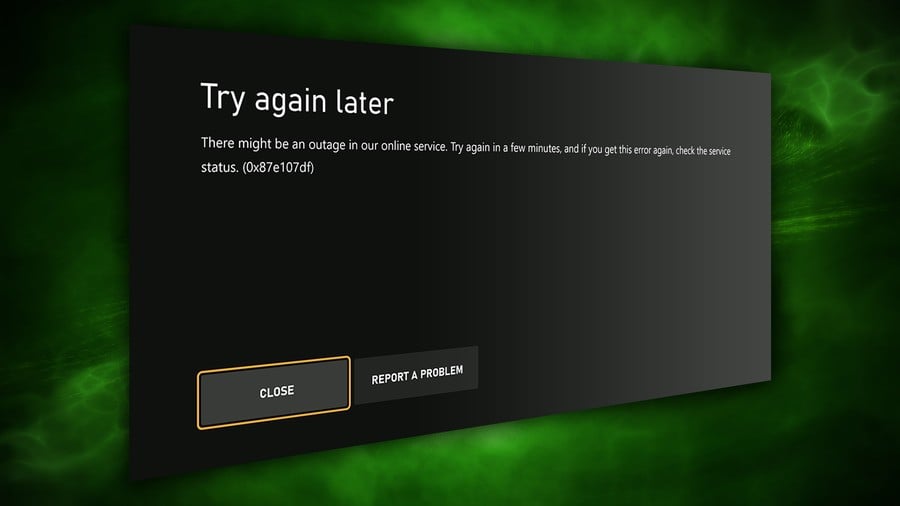
Industry analysts expect Microsoft to conduct a thorough post-mortem of the event to prevent a recurrence. Similar outages in the past, such as the multi-day disruption in May 2022, led to minor adjustments in how the console handles offline licenses, but the July 2026 event suggests that those measures may still be insufficient for a total server collapse.
Broader Implications for the Gaming Industry
The July 27 outage is likely to serve as a cornerstone in the ongoing discussion regarding the "always-online" nature of modern entertainment. As the industry moves toward a future dominated by cloud gaming and subscription services like Xbox Game Pass, the reliability of server infrastructure becomes a matter of consumer rights.
There are several key implications emerging from this event:
- Re-evaluation of Digital Ownership: Consumers are becoming increasingly aware that "purchasing" a digital game is often a license to access content rather than a transfer of ownership. When the licensing server disappears, so does the access.
- The Case for Physical Preservation: Despite the failures seen during this outage, proponents of physical media argue that discs still offer a higher degree of security than purely digital files, provided that platform holders allow for true offline play without mandatory check-ins.
- Infrastructure Resilience: The fact that the PC ecosystem remained largely unaffected suggests that Microsoft may need to decentralize its console authentication servers or adopt the more flexible protocols used by the Windows Store to ensure redundancy.
- Consumer Trust: For a brand that is heavily marketing a "play anywhere" philosophy, a 20-hour total blackout is a significant blow to brand loyalty. Ensuring that Game Pass subscribers can access their library during outages will be crucial for the long-term viability of the subscription model.
Conclusion
As the Xbox ecosystem returns to normal operations, the gaming community remains on high alert. The July 2026 outage was a stark reminder of the fragility of the digital-first era. While the immediate technical issues have been resolved, the conversation regarding DRM, server dependency, and the rights of the consumer is only beginning to intensify. Microsoft’s ability to address these structural concerns will be a defining factor in its competition with other platform holders who face similar pressures in an increasingly connected world. For now, players are advised to ensure their "Home Xbox" settings are correctly configured, though, as this incident proved, even that may not be a foolproof solution in the face of a global service failure.