


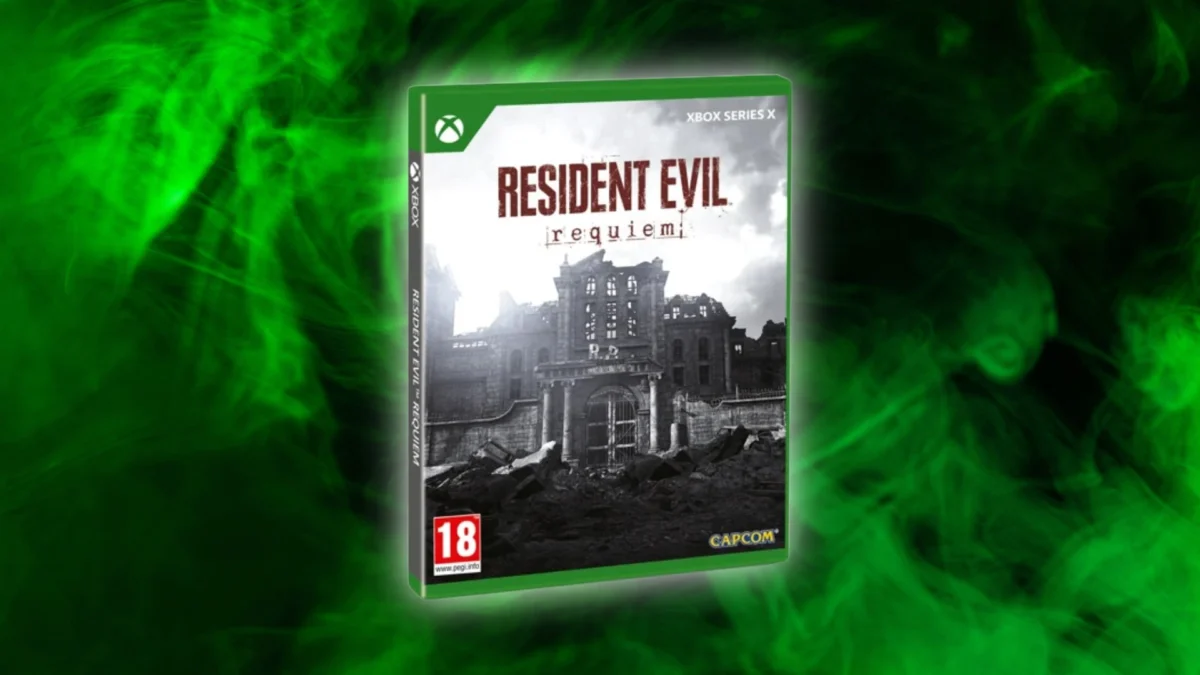
The long-anticipated Xbox Disc to Digital conversion feature has commenced its initial rollout to a select group of Xbox Insider Alpha program members, marking a significant step in Microsoft’s evolving strategy for digital game ownership. This new functionality allows users to convert eligible physical game discs into digital licenses, integrating their existing disc-based libraries seamlessly into the digital Xbox ecosystem. However, the early stages of this rollout, observed in early August 2026, have been characterized by a notable absence of an official, comprehensive list of supported titles from Microsoft, prompting the dedicated Xbox community to proactively compile their own compatibility databases. This grassroots effort highlights both the enthusiasm for the feature and the immediate need for clear communication regarding its extensive, yet currently undefined, scope.
The Genesis of a Digital Future: Xbox’s Strategic Shift
Microsoft’s journey towards a more digitally-centric gaming experience is not new, but the Disc to Digital feature represents a pivotal bridge for existing physical media owners. For years, the gaming industry has witnessed a gradual, yet inexorable, shift from physical retail to digital distribution. PC gaming largely abandoned physical media over a decade ago, and console platforms have increasingly followed suit. Microsoft itself introduced the Xbox One S All-Digital Edition in 2019 and later the disc-less Xbox Series S, signaling a clear long-term vision. The Disc to Digital feature aligns perfectly with this trajectory, offering a practical solution for players who have amassed extensive physical game collections but wish to transition to the convenience and longevity of digital libraries, especially in an era where physical disc drives may become less common in future console iterations.
Rumors and discussions surrounding a disc conversion service have circulated within the Xbox community for several years, often fueled by patent filings and speculative reports. The core appeal lies in addressing a common dilemma for gamers: how to reconcile a cherished physical library with the undeniable advantages of digital ownership, such as instant access, no disc swapping, and the ability to play on multiple consoles (via account login) without needing the physical media. This feature effectively future-proofs game ownership for those who might eventually opt for a disc-less console or simply prefer the digital convenience.
Navigating the Rollout: Initial Phase and Compatibility Challenges
The current rollout is exclusively for participants in the Xbox Insider Alpha program, Microsoft’s most advanced tier of beta testers. This phased approach is typical for significant platform updates, allowing Microsoft to gather crucial telemetry, identify bugs, and refine the user experience before a broader public release. Initial reports from Alpha Insiders indicate that the process involves inserting a physical game disc into an Xbox Series X or Xbox One console, after which the system identifies the game and offers an option to convert it to a digital license, often for a nominal fee. This fee, speculated to cover licensing costs or act as a minor transaction, has been a point of discussion among early adopters.
While Microsoft has broadly stated that "thousands" of games are supported at launch, the lack of a definitive list has created an immediate information vacuum. This ambiguity is particularly challenging given the vast and diverse library of Xbox titles spanning multiple generations. Among the reported absentees from the initial compatibility checks are highly popular and recent titles such as Forza Horizon 6, Assassin’s Creed Syndicate, and Elden Ring. The exclusion of such prominent games, especially a first-party title like Forza Horizon 6 (which would presumably have straightforward licensing), has raised questions about the criteria for inclusion and the complexities involved.
The reasons for a game’s absence from the supported list can be multifaceted. For third-party titles, intricate licensing agreements with publishers and developers might pose significant hurdles. These agreements often specify distribution methods, regional rights, and revenue sharing, which may not have initially accounted for a disc-to-digital conversion model. Older games might also present challenges if their original publishers no longer exist or if the underlying licensing for music, voice acting, or other intellectual property has expired. Even for first-party titles, internal policy, technical compatibility, or specific promotional tie-ins could influence their availability in the conversion program. Furthermore, regional variations in game releases and digital rights management (DRM) could mean a game supported in one territory is not in another, adding another layer of complexity to compiling a universal list.
Community Takes the Reins: The Rise of Fan-Compiled Databases
In response to the absence of official guidance, the highly engaged Xbox community has swiftly mobilized to fill the informational void. This collective action underscores the power and resourcefulness of modern gaming communities. Websites like XCT have taken the initiative to create dedicated lists, meticulously tracking which games are reported as compatible and which are not. Simultaneously, popular online forums such as ResetEra have established extensive threads where users actively share their experiences, confirming successful conversions and flagging unsupported titles. The official Xbox Reddit page has also become a central hub for this collaborative effort, hosting megathreads where thousands of comments detail individual findings.
These community-driven lists are not merely arbitrary collections; they represent a crowdsourced database built on direct user experience. Each reported success or failure contributes to a growing, albeit unofficial, understanding of the feature’s scope. The rapid compilation of these lists demonstrates a critical need among users for clarity and foresight, allowing them to assess the value of the Disc to Digital feature for their personal libraries. This collaborative spirit not only helps fellow gamers but also indirectly provides Microsoft with invaluable data from real-world usage scenarios, potentially highlighting unexpected compatibility issues or popular titles that warrant prioritization for future inclusion. The detailed anecdotal evidence gathered from these platforms offers granular insights into specific game editions, regional differences, and potential workarounds, going beyond what a simple official list might initially convey.
The Technical and Logistical Hurdles: Why No Official List (Yet)?
Microsoft’s decision to launch the Disc to Digital feature without an immediate, comprehensive official list, while frustrating for some users, can be understood within the context of a complex technical and logistical undertaking. The primary reason is likely the dynamic nature of such a list. During an Insider preview phase, compatibility is subject to change. New titles might be added, or existing ones removed, as technical issues are resolved or new publisher agreements are secured. Releasing an "official" list too early could lead to outdated information and increased user frustration if the list changes frequently.
Furthermore, compiling a list of "thousands" of games, especially when considering different regional SKUs, special editions, and backward-compatible titles from older Xbox generations, is an enormous data management task. It requires not only technical verification but also extensive legal and licensing reviews for each title. Microsoft might also be leveraging the Insider program to gauge which titles are most frequently attempted for conversion, thereby informing their prioritization for official compatibility checks and publisher negotiations. This data-driven approach allows them to focus resources where they are most impactful.
From a strategic perspective, the phased rollout allows Microsoft to manage expectations. By starting with a broad "thousands of games" statement and letting the community discover the specifics, they can temper initial disappointment over popular omissions while building anticipation for future expansions. It also buys them time to finalize agreements with more publishers and refine the conversion mechanism, ensuring a smoother experience when the feature eventually rolls out to a wider audience. The expectation is that as the feature matures and moves beyond the Insider phase, Microsoft will eventually provide more definitive resources, perhaps even a tool that allows users to check a game’s compatibility directly.
Implications for Gamers and the Industry
The Xbox Disc to Digital feature carries significant implications for both consumers and the broader gaming industry.
Consumer Convenience and Digital Library Management: For gamers, the most immediate benefit is unparalleled convenience. It eliminates the need to physically store and manage discs, freeing up shelf space and simplifying the gaming experience. Players can access their entire converted library from any compatible Xbox console by simply logging into their account, enhancing portability and ease of use. This is particularly appealing for those who travel, have multiple consoles, or simply prefer a minimalist setup. It also offers a form of digital preservation, ensuring access to games even if physical discs are lost, damaged, or console disc drives fail in the future.
The Evolving Landscape of Game Ownership: This feature further blurs the lines between physical and digital game ownership. It acknowledges that many players have hybrid libraries and seeks to provide a bridge between the two. While it doesn’t eliminate physical media entirely, it certainly diminishes the long-term necessity of holding onto discs once converted. This represents another step towards a fully digital ecosystem, offering consumers a transition path rather than a forced migration.
Impact on the Used Game Market: The Disc to Digital feature has a nuanced relationship with the used game market. Unlike simply purchasing a digital version, this is a conversion process linked to an existing physical disc. While it doesn’t directly facilitate new digital sales or remove physical copies from circulation (as the disc is still required for the initial conversion), it does reduce the ongoing reliance on the physical disc for play. This could subtly depress the demand for used physical copies of games that are easily convertible, as players may prefer to convert their own disc rather than buy another used one. However, the requirement of the physical disc for conversion means the used game market will still serve as a source for players looking to acquire a game to then convert.
Strengthening the Xbox Ecosystem: For Microsoft, the Disc to Digital feature is a strategic move to further entrench players within the Xbox ecosystem. By adding value to existing physical libraries, it encourages continued engagement with Xbox hardware and services. It complements offerings like Xbox Game Pass and Xbox Cloud Gaming, providing another facet to Microsoft’s comprehensive gaming platform strategy. A unified digital library across generations and platforms enhances user retention and makes the Xbox ecosystem more attractive to a wider audience, including those who may have been hesitant to fully embrace digital due to their physical collections.
Anticipated Future Developments and Official Communication
Looking ahead, the gaming community and industry observers will be closely watching several key developments. The most pressing need remains for Microsoft to provide an official and regularly updated compatibility list. While the community’s efforts are commendable, an authoritative source from the platform holder is essential for long-term clarity and trust. This could manifest as a dedicated section on the Xbox website, an in-console tool, or even a comprehensive database of unsupported titles, which, given the "thousands" of supported games, might be a more manageable list to maintain.
Beyond the Alpha program, the feature is expected to roll out to broader Xbox Insider rings (Beta, Delta, Omega) and eventually to all Xbox users. Each phase will likely bring further refinements, expanded compatibility, and more detailed communication. Microsoft’s commitment to player feedback, often reiterated by Xbox leadership, suggests that user experiences and community discussions will play a crucial role in shaping the feature’s evolution. Expect ongoing negotiations with third-party publishers to expand the library of convertible titles, as more publishers recognize the value in offering this convenience to their existing customer base.
Conclusion
The rollout of the Xbox Disc to Digital feature represents a significant technological and strategic milestone for Microsoft and the Xbox platform. It is a pragmatic response to the evolving landscape of game consumption, offering a bridge for physical media owners into an increasingly digital future. While the initial phase has presented challenges, particularly concerning the lack of an official compatibility list, the proactive and collaborative response from the Xbox community has effectively mitigated this information gap. This grassroots effort not only serves the immediate needs of Alpha Insiders but also underscores the enduring passion and ingenuity of the gaming community. As Microsoft continues to refine and expand this feature, it stands poised to enhance the Xbox experience, solidify its digital ecosystem, and further shape the future of game ownership. The journey from physical disc to digital license is underway, and its success will ultimately be measured by its comprehensive reach and the clarity of its implementation.