


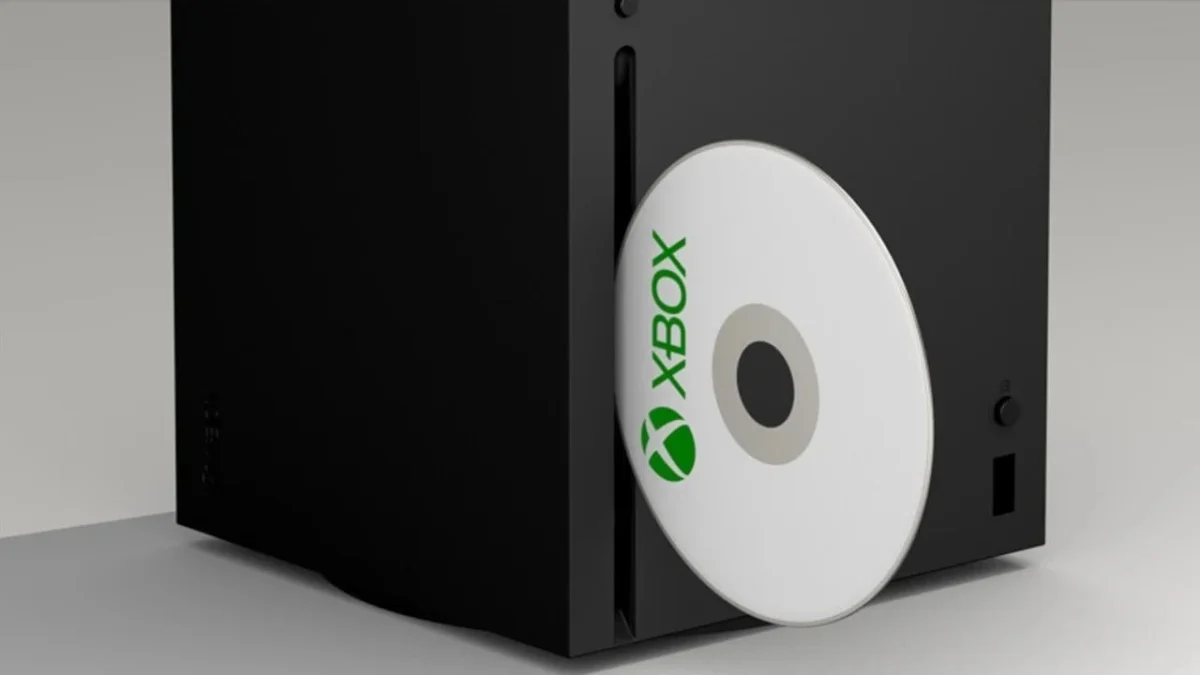
The nascent Xbox Disc to Digital program, a pivotal initiative aimed at bridging the gap between physical game libraries and the increasingly digital ecosystem, has received a series of substantial updates less than a month after its initial announcement. These rapid iterations, communicated via a dedicated hub on the Xbox Insiders subreddit, underscore Microsoft’s commitment to refining the service and indicate an expedited development cycle. Among the most notable recent improvements are the widespread integration of Ubisoft titles, the addition of three popular Electronic Arts (EA) games, and critical fixes addressing specific content delivery issues for high-profile releases. This agile development approach, leveraging the robust feedback mechanism of the Xbox Insider community, positions the program as a significant step in how players interact with their game collections in the evolving landscape of console gaming.
Rapid Evolution and Expanded Catalog
Launched just over two weeks prior, the Xbox Disc to Digital program quickly established itself as a crucial feature for many Xbox users. Its premise—allowing owners of physical game discs to convert them into digital licenses—addresses a long-standing desire among gamers, particularly those considering disc-less console upgrades or simply preferring the convenience of digital libraries. The initial rollout was met with considerable interest, supporting thousands of physical games from its inception.
The latest wave of updates, detailed on September 10th within the Xbox Insiders subreddit, highlights a proactive development strategy. Foremost among these is the significant expansion of the supported game catalog. Following an initial phase that saw broad compatibility, the program notably welcomed a substantial collection of Ubisoft titles, a major win for players given the publisher’s extensive library of popular franchises. This integration, which occurred rapidly within the past week, signals strong publisher support and a streamlined process for adding new titles.
Further enriching the catalog, three prominent EA titles have been added to the Disc to Digital service: Split Fiction, A Way Out, and It Takes Two. The inclusion of these games, particularly the critically acclaimed co-operative experiences A Way Out and It Takes Two, broadens the appeal of the service and demonstrates Microsoft’s success in onboarding major third-party publishers. It Takes Two, a recipient of numerous Game of the Year awards, represents a high-value addition for consumers looking to digitize their physical copies.
Addressing Specifics: Content Delivery and Bug Resolution
Beyond catalog expansion, the updates also focused on critical technical refinements and user experience enhancements. A significant improvement pertains to Alan Wake 2 Deluxe Edition. Previously, players converting this specific physical edition might not have received their entitled Deluxe Edition content digitally. The latest update resolves this, ensuring that the digital license accurately reflects the purchased physical edition, including all bonus content. This fix is crucial for maintaining consumer trust and ensuring the integrity of content ownership.
Another notable resolution addresses a peculiar bug affecting Halo Infinite. For some users, converting the physical disc of Halo Infinite into a digital license failed to include the campaign mode, rendering the digital version incomplete. This issue, a major impediment to the utility of the service for one of Xbox’s flagship titles, has now been rectified, ensuring a complete and functional digital transfer. Such targeted fixes are indicative of a responsive development team actively monitoring feedback and addressing critical user-reported issues.

These ongoing "fixes and changes," as Xbox terms them, are not merely reactive but part of a continuous improvement cycle. The establishment of a central communication hub on Reddit for Xbox Insiders highlights a transparent development process, allowing the community to track progress and offer direct feedback. This open dialogue is vital for a program of this nature, where nuances of game versions, regional availability, and content entitlements can vary widely.
The Strategic Imperative: Bridging Physical and Digital
The introduction and rapid iteration of the Disc to Digital program must be understood within the broader context of the video game industry’s inexorable shift towards digital distribution. Over the past decade, digital game sales have steadily eclipsed physical sales, driven by convenience, instant access, and the rise of disc-less consoles. Data from market research firms consistently shows digital sales accounting for upwards of 80-90% of total game software revenue in recent years, a trend accelerated by the COVID-19 pandemic.
Microsoft, a key player in this digital transformation, has actively promoted digital consumption through platforms like the Xbox Games Store and its immensely successful Game Pass subscription service. The introduction of the Xbox Series S, a purely digital console, further solidified this strategic direction. However, a significant portion of the Xbox user base still possesses extensive physical game collections accumulated over multiple console generations. These players faced a dilemma: either retain their disc-enabled consoles, limiting their upgrade options, or abandon their physical libraries to embrace the all-digital future.
The Disc to Digital program directly addresses this pain point, offering a pathway for these users to transition their existing physical investments into the digital realm. This not only enhances customer loyalty but also smooths the transition for players considering disc-less hardware in the future. By providing a mechanism for physical media owners to preserve their game ownership in a digital format, Microsoft effectively removes a significant barrier to entry for its digital-first ecosystem, potentially expanding the market for disc-less consoles and digital services.
A Historical Perspective: The Evolution of Game Ownership
From cartridges to CDs, DVDs, and Blu-rays, physical media has long been the cornerstone of video game distribution. The act of owning a physical copy, with its tangible artwork and the ability to lend, trade, or resell, has been a cherished aspect of gaming culture for decades. However, the advent of broadband internet and robust online storefronts ushered in the era of digital distribution, fundamentally altering consumer habits.
The benefits of digital are undeniable: no physical clutter, instant downloads, pre-loading capabilities, and often, more competitive pricing during sales. Yet, the concept of "ownership" in the digital sphere remains a contentious issue. Unlike physical copies, digital licenses are typically revocable and tied to platform accounts, raising concerns about long-term access and game preservation. Programs like Disc to Digital attempt to offer a compromise, providing the convenience of digital while acknowledging the existing investment in physical media. This hybrid approach reflects a maturing industry grappling with legacy formats and evolving consumer expectations.
The Insider Program: A Catalyst for Refinement

The Xbox Insider Program, a community-driven initiative allowing passionate users to test unreleased features and provide feedback, plays a critical role in the development of services like Disc to Digital. Its structured environment facilitates rapid iteration, allowing Microsoft to deploy updates, gather data, and implement changes in near real-time. The dedicated subreddit hub serves as a direct conduit between developers and the most engaged segment of their user base.
The swift addition of major publishers like Ubisoft and EA, and the immediate response to specific game-related issues, are direct outcomes of this collaborative testing process. Insiders provide invaluable insights into usability, identify bugs that might escape internal testing, and highlight features most desired by the community. This agile methodology is particularly well-suited for a complex service like Disc to Digital, which must contend with a vast and varied library of games, different regional encodings, and potential licensing complexities. The continued status of Disc to Digital as an Insider-exclusive feature indicates that Microsoft is leveraging this testing phase to its fullest, ensuring a robust and polished experience before a broader public rollout.
Broader Implications and Future Outlook
The Xbox Disc to Digital program carries significant implications for various stakeholders within the gaming ecosystem. For consumers, it offers unprecedented flexibility and choice, empowering them to transition their physical collections without repurchasing games. This could alleviate concerns about adopting disc-less consoles and make the digital-first future more accessible. It also has potential ramifications for the secondary market of physical games, though the full extent remains to be seen. While some might argue it devalues physical copies, others might see it as a way to extend the utility of older discs that might otherwise gather dust.
For publishers and developers, the program represents a new avenue for engaging with existing customers and potentially re-monetizing older titles through digital conversion, while also reinforcing the value of their digital storefronts. The willingness of major players like Ubisoft and EA to participate suggests a mutual benefit and a recognition of changing market dynamics. The technical collaboration required to integrate thousands of games from various publishers speaks volumes about the industry’s capacity for cooperation in evolving consumer offerings.
From Microsoft’s perspective, Disc to Digital is a strategic move to solidify its digital ecosystem. By offering a comprehensive solution for physical media owners, the company strengthens its position against competitors, particularly in the ongoing debate over digital rights and game preservation. It also potentially streamlines its future hardware strategy, making disc-less consoles an even more attractive proposition. As digital content continues its ascent, services that seamlessly integrate legacy formats will become increasingly vital for maintaining a broad and satisfied customer base.
While the full public rollout date remains unannounced, the ongoing stream of updates and fixes suggests that Microsoft is meticulously preparing the service for a wider audience. The current phase of refinement within the Xbox Insider Program is crucial for ironing out any remaining kinks and ensuring a smooth, reliable experience. As the program continues to evolve, gamers can anticipate further additions to the supported game list, more regional expansions, and continued improvements to the conversion process. The Disc to Digital program is not just a feature; it’s a statement about the future of game ownership, adaptability, and Microsoft’s commitment to evolving with its player base. The gaming community eagerly awaits its full deployment, poised to embrace a more flexible and integrated approach to their cherished game libraries.