


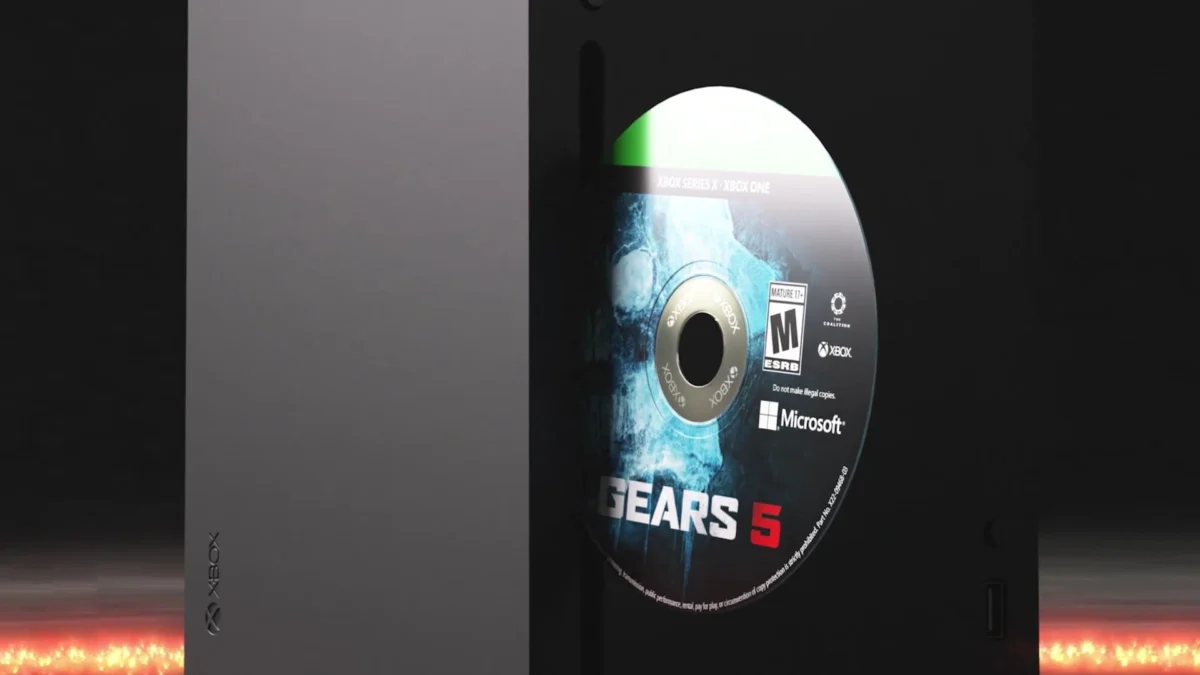
The highly anticipated Xbox Disc to Digital feature has officially commenced its rollout, becoming accessible to an initial cohort of users within the Xbox Insider program. This pivotal development, arriving just days after its formal announcement, provides the first tangible insights into how the system operates, offering a foundational look before its broader public release. The feature empowers users to convert eligible physical Xbox One and Xbox Series X game discs into free digital licenses, thereby unlocking additional benefits such as seamless integration with Xbox Cloud Gaming and the advantageous Xbox Play Anywhere support where applicable. This initial launch is specifically targeting members of the Alpha and Alpha Skip-Ahead rings of the Xbox Insider program, with plans for a gradual expansion to additional rings in the forthcoming weeks and months.
The Evolving Landscape of Gaming: A Shift Towards Digital
The introduction of the Disc to Digital feature by Xbox marks a significant milestone in the ongoing evolution of the video game industry, reflecting a broader, irreversible shift from physical media to digital distribution. For over a decade, the industry has witnessed a steady decline in physical game sales, paralleled by a dramatic surge in digital purchases, subscriptions, and cloud-based gaming services. This trend is driven by a confluence of factors, including the convenience of instant access, the elimination of disc-swapping, environmental considerations associated with physical production, and the growing prevalence of digital-only console variants, such as the Xbox Series S and the Xbox One S All-Digital Edition.
Microsoft, through its Xbox ecosystem, has been at the forefront of this digital transformation. Initiatives like Xbox Game Pass, which offers a vast library of games for a monthly subscription, and Xbox Play Anywhere, which allows users to purchase a game once and play it on both Xbox consoles and Windows PCs, underscore the company’s long-term strategy to embrace and cultivate a robust digital environment. The Disc to Digital program can be seen as a natural extension of this strategy, aiming to bridge the gap for consumers who have accumulated extensive physical game libraries but now wish to transition fully or partially into the digital realm without repurchasing their entire collection. This move not only enhances consumer convenience but also aligns Xbox with the prevailing industry winds, future-proofing its platform against the eventual obsolescence of physical media.
Feature Mechanics and Phased Rollout Strategy
The core functionality of the Xbox Disc to Digital feature is designed for simplicity and user accessibility. As demonstrated by early user reports, the process typically involves inserting a physical Xbox One or Xbox Series X game disc into a compatible console. The system then initiates a verification process, authenticating the disc and its associated game title. Upon successful verification, the user is granted a free digital license for that game, which is then added to their Xbox library. This digital entitlement removes the necessity of inserting the physical disc to play the game thereafter, streamlining the gaming experience and making the title available for download and play across any console logged into the user’s account, or via cloud streaming services where supported.
The decision to roll out this feature initially to the Alpha and Alpha Skip-Ahead rings of the Xbox Insider program is a standard operational procedure for Microsoft. The Insider program serves as a critical testing ground, allowing a select group of dedicated users to experience new features, provide feedback, and help identify potential bugs or issues before a wider deployment. This phased approach minimizes risks associated with large-scale rollouts and ensures that the feature is refined and stable by the time it reaches the general public. Based on historical patterns, new features typically spend several weeks or even months within the Insider rings, progressing through various stages (Alpha, Beta, Delta, Omega) before becoming universally available. This methodical strategy underscores Microsoft’s commitment to delivering a polished and reliable user experience.
Early User Discoveries and Game Compatibility Nuances
The immediate aftermath of the feature’s activation for Insiders has been characterized by enthusiastic user engagement, with fans promptly sharing their experiences and observations across social media platforms and dedicated forums. These early discoveries have provided crucial insights into the initial compatibility of the Disc to Digital program.
One of the most noteworthy findings has been the unexpected functionality of the feature with certain games that have been delisted from the Xbox Store. Titles such as "OnRush" and "Deadpool," which are no longer available for digital purchase, have been reported by some users to successfully convert to digital licenses. This aspect is particularly significant for game preservation, offering a potential lifeline for titles that might otherwise become inaccessible to new digital buyers. However, this success is not universal. Other delisted titles, such as "Forza Horizon 3," have been reported as incompatible, failing to generate a digital entitlement. This inconsistency highlights the complex web of licensing agreements and digital rights management (DRM) that govern game distribution. Publishers, licensing bodies, and original developers all play a role in determining the ongoing availability and transferability of game licenses, even for titles no longer actively sold.
Microsoft had previously communicated that "thousands" of Xbox One and Xbox Series X titles would be supported at launch, but not every game. This initial user feedback corroborates that statement, indicating a substantial but not exhaustive library of compatible games. Furthermore, several high-profile titles, including upcoming releases and recent blockbusters like "Assassin’s Creed Shadows," "Sonic Racing: CrossWorlds," and "Forza Horizon 6," are not currently featured in the Disc to Digital program. While these titles may receive support in the future, their current exclusion suggests that initial eligibility might prioritize older titles or those with more straightforward licensing agreements. The hope among the community is that Xbox will continue to expand the list of supported games, gradually encompassing a wider array of the console’s extensive back catalog.
The Complexities of Digital Rights and Game Preservation
The varied success rate with delisted games brings to light the intricate nature of digital rights management and its impact on game preservation. When a game is delisted from digital storefronts, it typically means that the publisher’s licensing agreements for intellectual property (IP), music, or other third-party content have expired, or that the commercial viability of maintaining the digital storefront presence no longer justifies the associated costs. For some delisted titles, the underlying digital entitlement and verification mechanisms may still exist within Microsoft’s broader ecosystem, allowing the Disc to Digital feature to grant a license. For others, however, these mechanisms may have been completely dismantled or were never designed to support such a conversion, leading to incompatibility.
Industry analysts suggest that the ability to convert physical copies of certain delisted games to digital format is a significant, albeit perhaps unintended, benefit for game preservation efforts. It provides a pathway for users to secure digital copies of games that are otherwise difficult or impossible to obtain digitally, thereby ensuring their continued playability on modern, potentially disc-drive-less, hardware. This aspect could foster a new form of digital archival, where physical discs serve as a key to unlock permanent digital access, mitigating some of the concerns surrounding the ephemeral nature of digital-only content. However, the selective nature of this functionality underscores the ongoing challenge of preserving digital cultural heritage in an environment dictated by commercial licensing and evolving technological platforms.
Community-Driven Data and the Road Ahead

In the absence of an official, comprehensive list of all games supported by the Xbox Disc to Digital program at launch, the gaming community has once again stepped up to fill the informational void. Enthusiastic fans have already begun compiling their own lists, meticulously documenting which games successfully convert and which do not. These community-driven databases, shared across various online platforms and forums, are invaluable resources for other Insiders and prospective users, offering a crowdsourced understanding of the feature’s current capabilities. Pure Xbox, among other gaming news outlets, has been actively tracking and reporting on these fan-generated lists, acknowledging their critical role in the early stages of this feature’s deployment.
The compilation of such lists is a time-consuming effort, requiring collective input from thousands of users testing hundreds of titles. While an official list from Xbox is anticipated eventually, the initial reliance on community efforts highlights the collaborative spirit within the Xbox ecosystem. This feedback loop is crucial for Microsoft, providing real-world data that can inform future expansions of the program, identify priority titles for support, and refine the underlying technology.
Broader Impact and Strategic Implications
The Xbox Disc to Digital feature carries significant implications not just for individual gamers, but for the broader gaming industry and the future of physical media. For consumers, it represents an unprecedented level of flexibility and choice, allowing them to consolidate their physical and digital libraries. It also enhances the value proposition of physical games, as they can now serve as a gateway to digital ownership, potentially mitigating concerns about physical disc degradation or the eventual removal of disc drives from future console iterations.
From a strategic perspective, this move further solidifies Xbox’s commitment to its digital ecosystem. By making it easier for users to transition from physical to digital, Microsoft strengthens its position in cloud gaming and digital distribution, which are key pillars of its long-term growth strategy. It also indirectly promotes the use of disc-drive-less consoles like the Xbox Series S, as users can convert their existing physical collections into digital entitlements for use on these devices. While the immediate impact on physical game sales might be negligible, the long-term trend reinforces the shift towards a digital-first market.
Industry observers suggest that this initiative could also put pressure on competing platforms to consider similar offerings. As consumer expectations for digital convenience and flexibility continue to rise, features that bridge the gap between physical and digital ownership may become a competitive differentiator. However, the complexities of licensing and platform architecture mean that such features are not easily replicated and require significant investment and negotiation with publishers.
Ultimately, the Xbox Disc to Digital program is more than just a convenience feature; it is a strategic move that reflects the evolving dynamics of the gaming industry. It addresses a persistent challenge for many gamers—how to reconcile a cherished physical game collection with the undeniable advantages of digital access. As the feature rolls out more broadly and its game compatibility expands, it is poised to redefine how many players interact with their game libraries, fostering a more integrated and flexible gaming experience for years to come. The initial glimpse provided by the Insider program confirms the feature’s operational viability and sets the stage for a transformative shift in the Xbox gaming landscape.