


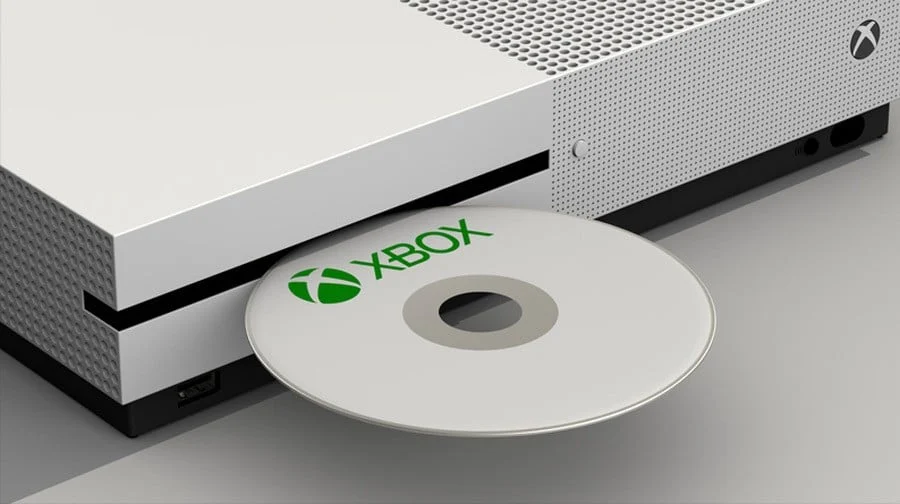
The highly anticipated Xbox Disc to Digital feature has significantly broadened its availability within the Xbox Insider program, now reaching members across all testing rings and strongly indicating an imminent public release. This development marks a pivotal moment for Xbox gamers, offering a bridge between their physical game collections and the increasingly digital-first ecosystem.
Phased Rollout Reaches Full Insider Spectrum
Initially introduced to the Alpha, Alpha Skip-Ahead, and Beta rings, the Disc to Digital functionality has now been extended to include most participants in the Delta and Omega rings. This comprehensive rollout means that, with the exception of very recent sign-ups who may still be awaiting activation, every tier of the Xbox Insider program now has access to this transformative feature. The sequential expansion across these rings is a standard operating procedure for Microsoft, designed to systematically gather feedback and identify potential issues before a broader deployment.
The Xbox Insider Program operates as a multi-tiered public beta testing system, allowing dedicated Xbox users to preview upcoming system updates, features, and games. Each ring serves a distinct purpose in the development cycle:
- Alpha Skip-Ahead: The earliest access, receiving builds that may skip future releases, often containing experimental features.
- Alpha: Receives builds from the next major Xbox OS update, providing a stable but early preview.
- Beta: A more stable build, closer to public release, focused on broader testing and refinement.
- Delta: Generally stable builds, often focused on specific features or minor updates, accessible to a wider audience.
- Omega: The largest and most stable ring, receiving updates closest to the general public release, primarily for final bug identification and broad compatibility testing.
The progression of Disc to Digital through each of these stages underscores Microsoft’s methodical approach to feature deployment. The successful integration and positive reception within the earlier, more experimental rings have evidently paved the way for its wider release to the more stable Delta and Omega groups. This final stage of Insider testing is crucial for ensuring scalability, compatibility across diverse hardware configurations, and the overall stability of the feature before it reaches the millions of Xbox users globally.
The Shifting Landscape: Physical to Digital Dominance
The introduction of a Disc to Digital conversion feature arrives at a time when the gaming industry is experiencing an irreversible shift towards digital distribution. Over the past decade, digital sales have steadily eclipsed physical sales, fundamentally altering how consumers purchase and access games. Industry reports from various market analysis firms consistently show that digital content, including full game downloads, DLC, and subscriptions, now accounts for well over 70-80% of total game sales revenue across major platforms.
This trend is driven by several factors:
- Convenience: Digital purchases offer instant access to games without the need to visit a physical store or wait for shipping.
- Accessibility: Games can be pre-loaded and played immediately upon release, or downloaded from anywhere with an internet connection.
- Space-Saving: Eliminating physical media reduces clutter and storage requirements for gamers.
- Platform Strategy: Console manufacturers like Microsoft have increasingly leaned into digital ecosystems, exemplified by the introduction of disc-less consoles such as the Xbox One S All-Digital Edition and the Xbox Series S.
Microsoft’s strategic embrace of digital is further highlighted by the immense success of Xbox Game Pass, a subscription service offering a vast library of games for a monthly fee. The Disc to Digital feature can be seen as a natural extension of this strategy, aiming to bridge the gap for users who still own extensive physical game libraries but wish to transition more fully into the digital realm, or who own disc-less consoles. It acknowledges the legacy of physical media while facilitating a move towards a unified digital library.
Understanding the "Disc to Digital" Mechanism
While Microsoft has not yet released a detailed white paper on the technical implementation, the observed functionality within the Insider program suggests a straightforward, user-friendly process. Users with a physical game disc would likely insert it into a disc-enabled Xbox console (such as an Xbox Series X or Xbox One). The system then verifies the disc’s authenticity and ownership. Upon successful verification, the user is granted a digital license for that specific game, effectively converting their physical copy into a digital entitlement linked to their Xbox account. This digital license would then allow them to download and play the game on any Xbox console, including disc-less models like the Xbox Series S, without needing the physical disc.
Potential benefits for consumers include:
- Universal Access: Play disc-based games on any Xbox console linked to their account, including disc-less Series S consoles.
- Convenience and Portability: No longer needing to carry or insert discs, making game access more streamlined.
- Reduced Clutter: Physical game cases can be stored away or repurposed, freeing up entertainment space.
- Digital Preservation: For games that might become rare or difficult to find physically, having a digital license could offer a form of long-term access, although this remains subject to digital storefront longevity.
- Enhanced Library Management: A fully digital library simplifies game organization and access.
It is highly probable that certain conditions or limitations will apply. These could include a one-time conversion fee per game, regional restrictions based on disc licensing, or specific eligibility criteria for certain titles. The Insider testing phase is crucial for refining these parameters and communicating them clearly to the public.
Implications for Game Preservation and Ownership Debates
The Disc to Digital feature also reignites ongoing discussions about game preservation and the nature of digital ownership. For years, gamers and enthusiasts have debated the merits of physical vs. digital media, often citing concerns about the permanence of digital licenses, the potential for digital storefronts to close, and the lack of a "first-sale doctrine" equivalent for digital goods.
While not a complete solution to all digital ownership concerns, Disc to Digital offers a partial bridge. It allows owners of physical games to secure a digital entitlement, potentially mitigating some risks associated with disc degradation or the eventual obsolescence of disc drives. However, the underlying digital license still remains subject to platform terms of service and the longevity of the Xbox digital storefront.
From a preservation standpoint, the feature could help ensure that games tied to physical media continue to be accessible in a purely digital future, provided they are eligible for conversion. This could be particularly valuable for older titles that are no longer actively sold digitally or physically.
Market Reactions and Industry Perspectives
Initial reactions from Xbox Insider participants have been overwhelmingly positive, as noted in early reports. Users are praising the convenience and flexibility the feature offers, particularly those who own a mix of disc-enabled and disc-less consoles. The ability to consolidate their library into a single digital format is a significant draw.
From an industry perspective, the Disc to Digital feature represents a strategic move by Microsoft:
- For Microsoft: It strengthens the Xbox ecosystem by encouraging further engagement with their digital storefront and Game Pass. It could also drive adoption of disc-less consoles by removing a significant barrier for physical game owners. Furthermore, it positions Xbox as an innovator in offering hybrid solutions to long-standing consumer dilemmas.
- For Game Publishers: The feature could potentially increase the lifespan and accessibility of their back catalog titles, especially if it encourages players to convert older physical games they might no longer play into a more convenient digital format. It could also lead to new revenue streams if Microsoft implements a conversion fee, which would likely be shared with publishers.
- For Retailers: The impact on physical game retailers is likely to be mixed. While it might slightly reduce demand for new physical games over time, the overall market trend is already moving away from physical media. For pre-owned game markets, the feature could introduce complexities. If a disc is converted, its value in the pre-owned market might diminish as the original owner now has a digital license, raising questions about whether the physical disc retains any standalone value beyond its decorative aspect. Clear policies on this aspect will be crucial.
- For Competitors: Sony and Nintendo, who also operate hybrid console ecosystems, will be closely watching the success and user adoption of this feature. Should it prove popular, it could pressure them to explore similar solutions, particularly as the PlayStation 5 still offers a disc drive, but a significant portion of its sales are digital, and the Nintendo Switch is entirely cartridge/digital.
Microsoft’s Strategic Vision and Future Outlook
The Disc to Digital feature aligns perfectly with Microsoft’s broader vision for Xbox: an interconnected, flexible gaming ecosystem centered around player choice and accessibility. By offering a pathway from physical to digital, Microsoft is not only catering to current consumer preferences but also future-proofing its platform. It reinforces the idea that an Xbox game, regardless of its original format, should be accessible across all Xbox devices and generations.
The rapid progression through the Insider rings suggests that Microsoft is confident in the feature’s core functionality and is keen to bring it to the wider public. Assuming no major, unforeseen bugs are discovered during these final stages of testing, a full public release could indeed be a matter of days or weeks, rather than months. This accelerated timeline would be a testament to the development team’s efficiency and the stability achieved during earlier Insider phases.
However, it is crucial to temper expectations with the understanding that software development can be unpredictable. Any significant issue, security vulnerability, or unexpected performance problem discovered in the Delta or Omega rings could necessitate a delay for further refinement. Microsoft’s priority will undoubtedly be a smooth, reliable launch for all users.
Looking ahead, the evolution of the Disc to Digital feature will likely involve expanding the list of supported titles. While many games are expected to be compatible from launch, some older or niche titles might require specific licensing agreements or technical adjustments. Ongoing support and expansion of the game library will be key to the feature’s long-term success and appeal. Furthermore, potential future enhancements could include options for digital game gifting from converted titles, or clearer integration with cloud gaming services, further blurring the lines between ownership and access.
The Road to Public Release
With the Disc to Digital feature now available across all Xbox Insider rings, the final stage of quality assurance and feedback collection is underway. This broad testing phase will provide invaluable data on performance, user experience, and any lingering bugs in a real-world environment. The sheer volume of users in the Delta and Omega rings will expose the feature to a vast array of console configurations, network conditions, and game titles, ensuring robust testing.
Once Microsoft’s internal metrics indicate sufficient stability and positive user sentiment from the Insider community, an official public release announcement can be expected. This will undoubtedly be accompanied by comprehensive guides, FAQs, and a clear outline of any associated terms, conditions, and potential costs. The gaming community eagerly awaits this final step, poised to embrace a feature that promises to simplify and enhance the Xbox gaming experience by bringing physical game collections into the digital age. This move by Microsoft is not merely an incremental update; it is a significant step in shaping the future of game ownership and accessibility within the console ecosystem.