


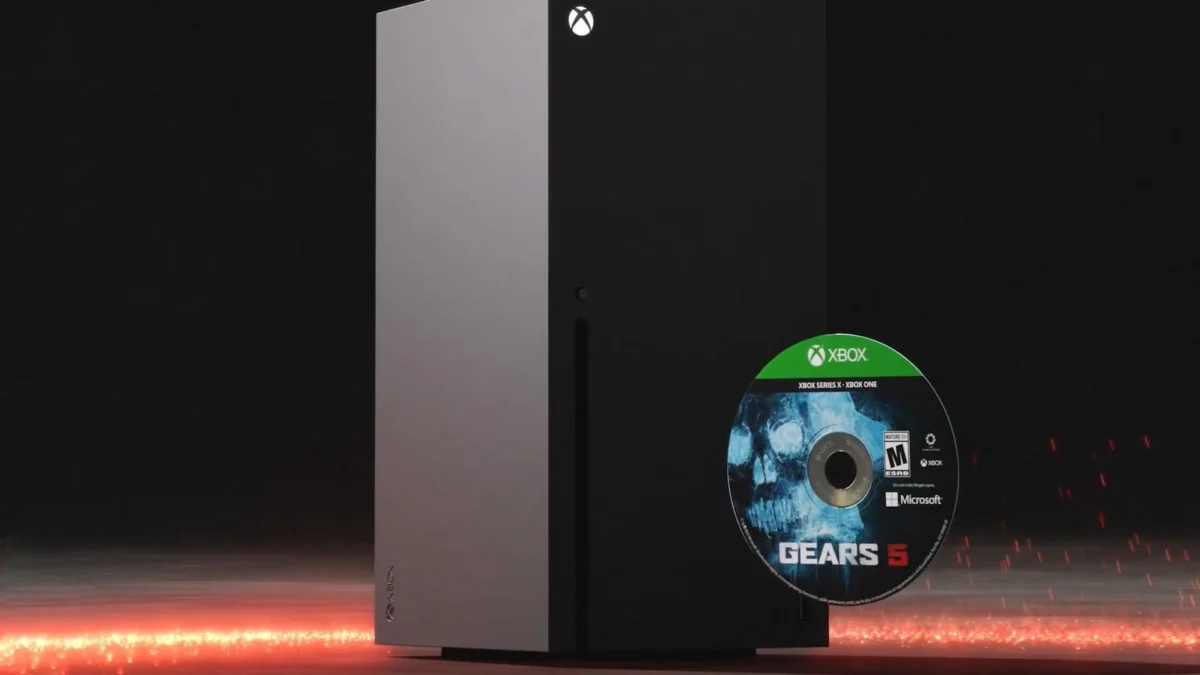
The program is designed to allow owners of physical Xbox One and Xbox Series X software to "convert" their discs into digital entitlements. This conversion is not a one-way trade-in but rather a linking process that grants the user a digital license for as long as they remain the recognized holder of the physical medium. As the gaming industry continues its aggressive pivot toward a digital-first future, this move is seen by analysts as a critical bridge for consumers who have invested decades of capital into physical libraries.
The Evolution of Xbox Digital Rights Management
To understand the weight of this announcement, one must look back at the 2013 launch of the Xbox One. At that time, Microsoft proposed a similar system where physical discs would be tied to user accounts, allowing for disc-free play. However, the proposal was met with significant backlash due to restrictive "always-online" requirements and limitations on used game sales. A decade later, the "Disc to Digital" feature arrives in a vastly different landscape—one where digital sales account for upwards of 80% of total software revenue for major publishers.
Microsoft’s approach in 2026 appears more refined and consumer-centric. By utilizing unique identifiers embedded in modern Blu-ray discs, the company can now verify ownership without the draconian restrictions that defined the early eighth-generation console era. This technological advancement allows the Xbox ecosystem to treat a physical disc essentially as a "physical key" that unlocks a digital license across the Xbox network, including the console, PC, and the cloud.
Ownership and the Secondary Market: How the License Functions
One of the most pressing questions regarding the new feature involves the resale and lending of physical software. Since the program grants a digital license for a physical disc, the mechanics of ownership transfer are paramount.
The digital license is technically attached to the specific unique ID of the disc itself. When a user inserts a supported disc into their Xbox console and opts into the Disc to Digital program, that specific disc’s ID is registered to their Microsoft account. This grants the user the ability to play the game without the disc in the drive, as well as access to Xbox Cloud Gaming and Xbox Play Anywhere (on supported titles).
However, if that disc is sold, traded, or lent to another individual, the license remains fluid. Once the disc is inserted into a different console and the new user registers it, the digital entitlement transfers to the new owner. This system effectively prevents "license cloning," where multiple people could theoretically use one disc to create infinite digital copies. For the original owner, the digital access is revoked the moment the disc is validated on a new account. This maintains the value of the secondary market while providing the convenience of digital play for the current owner.
Legacy Support: The Status of Original Xbox and Xbox 360 Titles
While the program supports "thousands" of titles at launch, it is currently limited to the Xbox One and Xbox Series X eras. During a recent interview at Gamescom, Jason Ronald, Xbox’s lead on hardware and backward compatibility, was asked about the inclusion of legacy titles from the original Xbox (2001) and Xbox 360 (2005) generations. Ronald stated that the company has "nothing to announce" regarding those platforms at this time.
The technical hurdle lies in the disc manufacturing standards of previous decades. Original Xbox and Xbox 360 discs were produced using older DVD and early-generation security sectors that do not contain the unique per-disc serial numbers found on modern Blu-ray media. Without these unique identifiers, Microsoft’s servers would be unable to distinguish between two different copies of Halo 3, making it impossible to track individual license transfers. While software emulation for these games exists, the physical-to-digital handshake remains a significant engineering challenge that may require a different verification method, such as a one-time "burn-in" or a trade-in program at participating retailers.
The Preservation Crisis: Will Delisted Games Be Included?
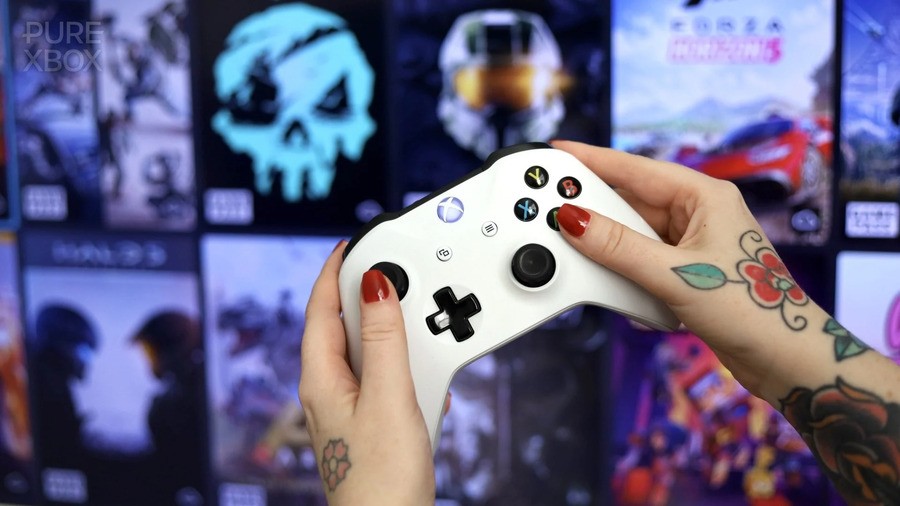
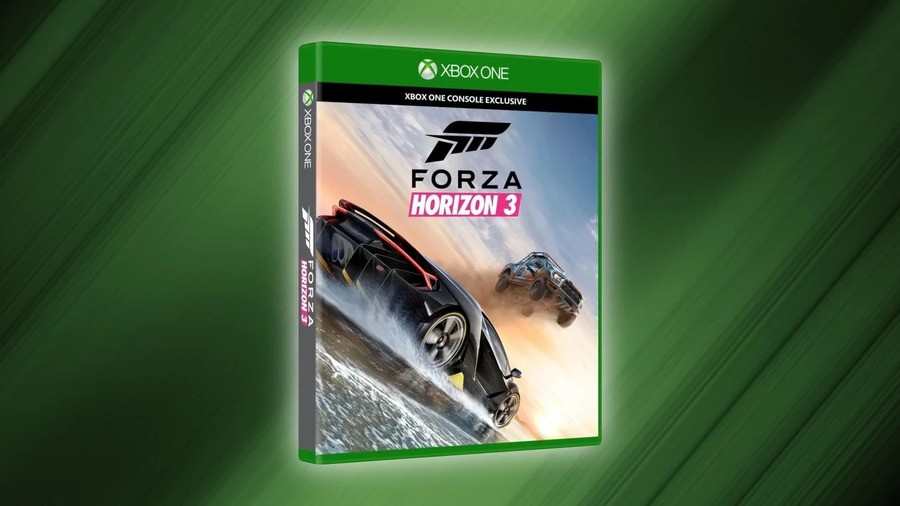
The announcement has sparked hope among video game preservationists. Over the last several years, many popular titles—most notably the Forza Horizon series and various licensed sports games—have been "delisted" from the Xbox Store due to expiring music or car licenses. While users who already own these games digitally can still download them, new players are forced to seek out physical copies.
If the Disc to Digital program supports delisted titles, it would allow physical owners of these "lost" games to finally access them via the cloud or on digital-only hardware like the Xbox Series S. Microsoft has confirmed that the program will launch with a massive catalog, but a definitive list of supported titles has not yet been published. The inclusion of delisted software would depend heavily on the legal nuances of the original licensing agreements; however, since the user already owns the physical license, the digital "handshake" could theoretically serve as a workaround for storefront unavailability.
Technical Synergies and Next-Gen Upgrades
The Disc to Digital feature is expected to resolve a long-standing friction point regarding next-generation upgrades. Some titles offer free "Series X|S Enhanced" versions for digital owners but require a paid upgrade or a specific "Gold Edition" for physical owners. By converting a physical entitlement into a digital one, users may find themselves eligible for "Smart Delivery" benefits that were previously locked behind the digital storefront.
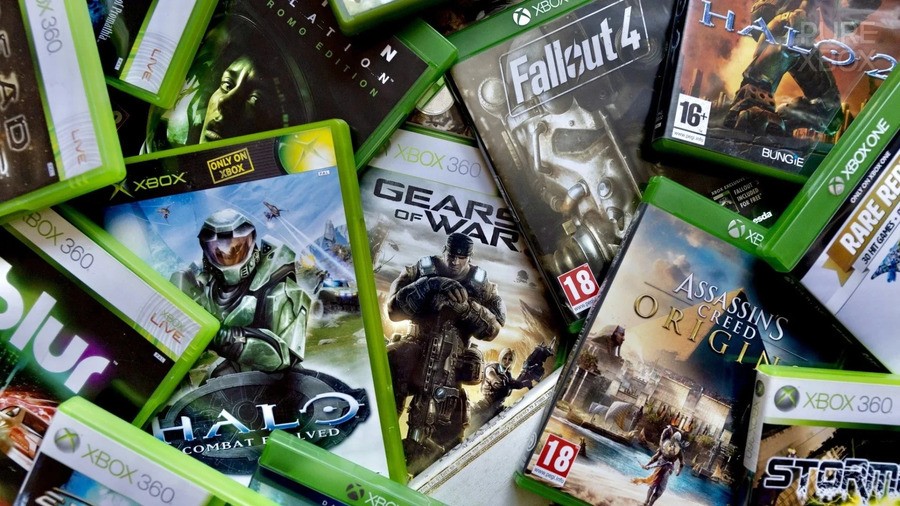
This transition is particularly relevant for games like Mafia: Definitive Edition or Red Dead Redemption, where the digital ecosystem offers a more streamlined path for performance patches and enhancements. By verifying the disc and granting the digital entitlement, the Xbox OS can treat the user as a digital owner, potentially unlocking the highest-quality version of the game available without further hardware checks.
Project Helix and the Strategic Shift to All-Digital Hardware
Perhaps the most significant implication of the Disc to Digital program is what it reveals about Microsoft’s upcoming hardware, codenamed "Project Helix." Speculation within the industry, supported by reports from Digital Foundry and Windows Central, suggests that Project Helix may be a purely digital console.
Asha Sharma, a senior executive at Xbox, recently emphasized that "efficiency and affordability" are the primary drivers for the next generation of Xbox hardware. Sourcing Blu-ray drives has become increasingly difficult and expensive as the global manufacturing of physical media players declines. By launching the Disc to Digital program now, Microsoft is effectively future-proofing its user base. If a consumer buys a digital-only Project Helix console in the future, they will not lose access to their physical library, provided they have used a disc-based console (like a Series X) to "digitize" their collection beforehand.
Industry analysts suggest this is a "soft landing" for the end of the physical era. Rather than forcing a hard cutoff, Microsoft is providing a multi-year window for users to transition their libraries. This strategy also aligns with the growth of Xbox Game Pass, where the goal is to remove all barriers between the player and the software, regardless of the device being used.
Implementation Timeline and Insider Testing
The rollout of Disc to Digital is scheduled to begin on August 31, but it will not be available to the general public immediately. Microsoft will utilize the Xbox Insider Program—a multi-tiered testing group—to monitor the feature’s stability.
- August 31: Initial rollout to Alpha and Alpha Skip-Ahead rings.
- September/October: Expansion to Beta and Delta rings.
- Late 2026 (Projected): Full public release.
This phased approach allows Microsoft to stress-test the unique ID verification servers and ensure that the license transfer mechanism is robust enough to prevent fraud. The company has cautioned that not all users in the Insider program will receive access on day one, as the feature may be deployed in "waves" to manage server load.

Conclusion: A New Standard for Console Ecosystems
The introduction of the Disc to Digital feature marks a pivotal moment in the "platform wars." By allowing physical media to exist within a digital framework, Microsoft is positioning the Xbox ecosystem as the most flexible environment for long-term game ownership. This move addresses the primary fear of the digital age—the loss of access to purchased content—by validating the value of the physical disc while providing the modern benefits of the cloud.
As the industry moves toward the launch of Project Helix and the next generation of hardware, the success of this program will likely determine how other platform holders, such as Sony and Nintendo, handle their own legacy libraries. For now, Xbox owners with stacks of discs on their shelves have a clear path forward into a disc-less future, ensuring that their physical investments remain relevant in an increasingly virtual world.