


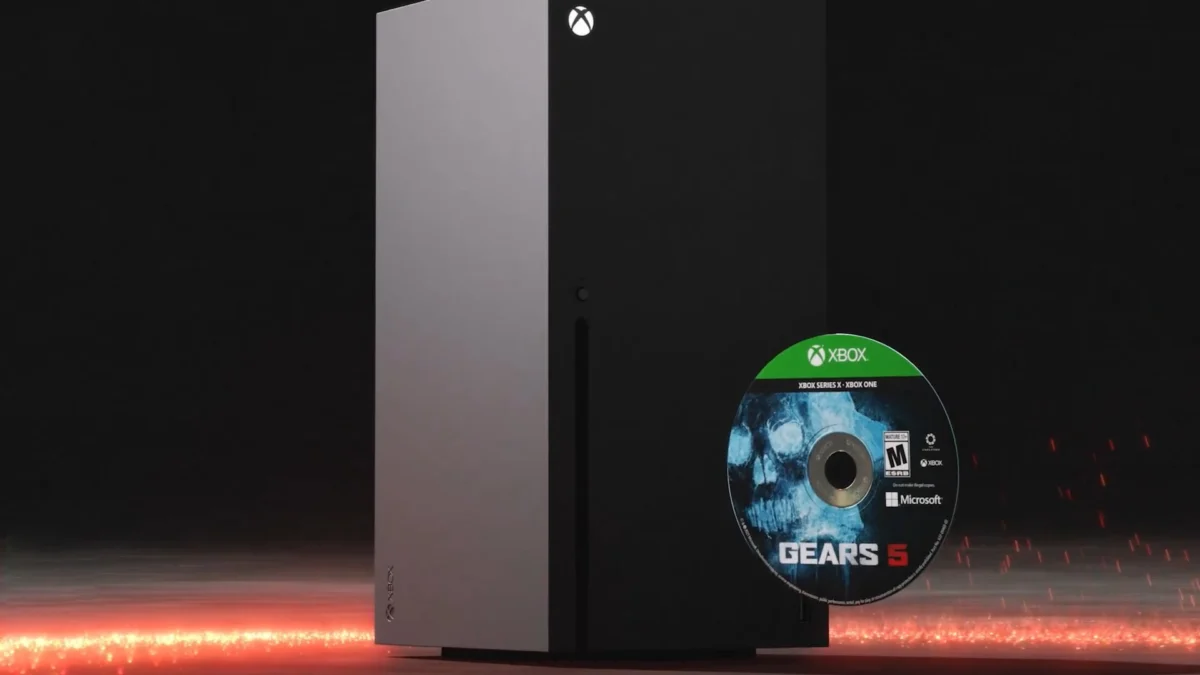
As the gaming industry increasingly gravitates toward a software-as-a-service model, the "Disc to Digital" program represents one of the most substantial attempts by a console manufacturer to preserve the value of physical collections in an increasingly digital landscape. Microsoft has confirmed that thousands of titles will be compatible at launch, with the library expected to expand as technical and licensing hurdles are cleared. However, the announcement has sparked a wave of technical and logistical queries from the global Xbox community. To provide clarity, this report analyzes the core mechanics of the feature, its impact on the secondary market, and its implications for the future of Xbox hardware.
The Evolution of the Xbox Ecosystem: A Chronology of Digital Integration
To understand the significance of the Disc to Digital feature, one must look at the trajectory of the Xbox platform over the last decade. In 2013, the initial reveal of the Xbox One was met with significant pushback due to proposed digital rights management (DRM) policies that would have restricted the resale of physical games. Following a consumer-led pivot, Microsoft spent the subsequent years focusing on backward compatibility and the "Play Anywhere" initiative, which allowed gamers to buy a title once and play it across both console and PC.
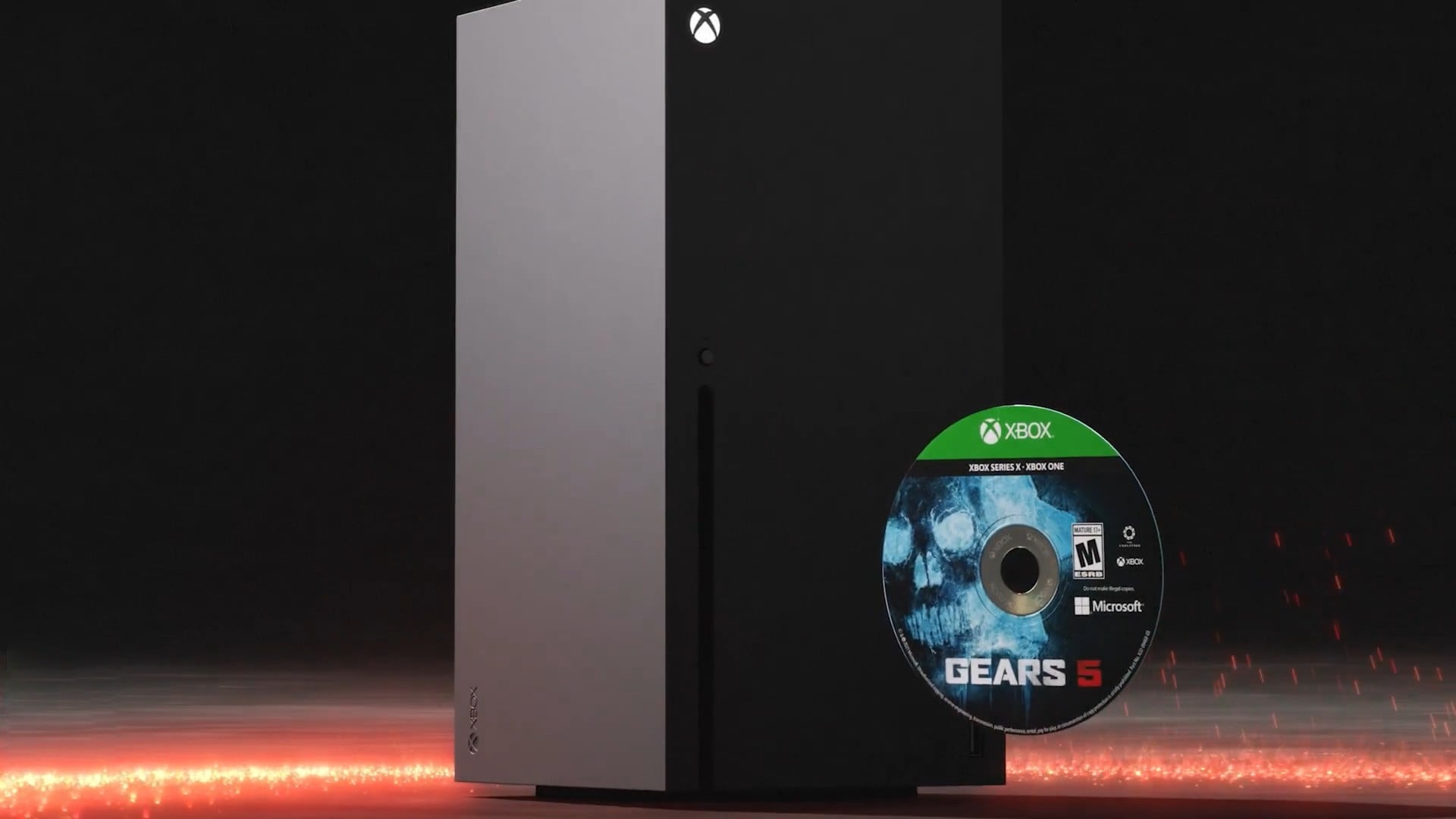
The introduction of the Xbox Series S—a console entirely devoid of an optical disc drive—further accelerated the shift toward digital consumption. According to industry data, digital software sales now account for over 70% of total game purchases for major publishers like Electronic Arts and Ubisoft, a figure that continues to rise annually. The Disc to Digital program is the logical culmination of this trend, offering a "peace of mind" solution for those who have invested heavily in physical media but wish to utilize the hardware advantages of digital-only consoles or cloud-based streaming.
Ownership and the Secondary Market: How Licenses Are Managed
One of the most pressing concerns regarding the Disc to Digital feature involves the transfer of ownership. Unlike traditional digital purchases, which are permanently bound to a user’s account, the Disc to Digital system utilizes a unique identifier embedded in the physical disc’s security sector. When a user inserts a supported disc and claims the digital license, that license is linked to their account. However, Microsoft has clarified that the digital entitlement follows the disc.
If a user decides to sell or lend their physical disc, the next person to insert that disc into their console will become the new holder of the digital license. This mechanism prevents the "doubling" of licenses and ensures that only one digital copy is active per physical unit. While some users have speculated about potential workarounds—such as claiming a license and then using the disc in "offline mode" on a different console—industry analysts suggest this will be highly impractical. Most modern games require periodic online check-ins or updates, and the system is designed to prioritize the most recent hardware handshake. For the vast majority of consumers, the feature serves as a lifestyle upgrade rather than a way to duplicate software.
Legacy Hardware and Technical Constraints
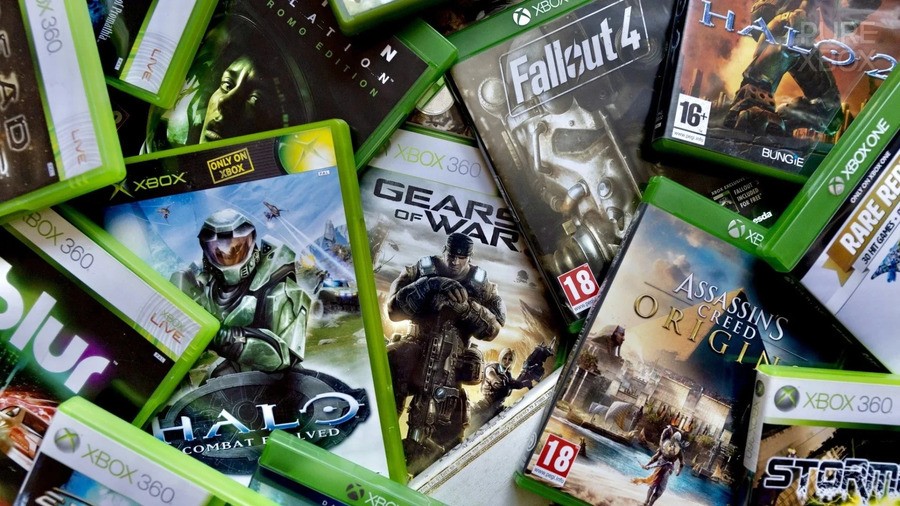
A significant point of contention among enthusiasts is the exclusion of original Xbox and Xbox 360 titles from the initial rollout. During a recent interview at Gamescom, Xbox’s Jason Ronald noted that there is currently nothing to announce regarding support for these older generations. The limitation appears to be technical rather than purely a matter of policy.
Discs produced during the Xbox One and Xbox Series X eras include specific data structures that allow the console to identify the unique "fingerprint" of a specific piece of plastic. Older DVD-based media from the 360 era and the original Xbox’s CD/DVD formats do not possess these modern identifiers. Without a way to uniquely tag each disc, Microsoft would face significant challenges in preventing the mass exploitation of the system, where a single disc could theoretically be used to generate thousands of digital licenses. Whether a software-based solution or a manual verification process will be introduced in the future remains a subject of internal investigation.
The Challenge of Delisted Content and Licensing Hurdles
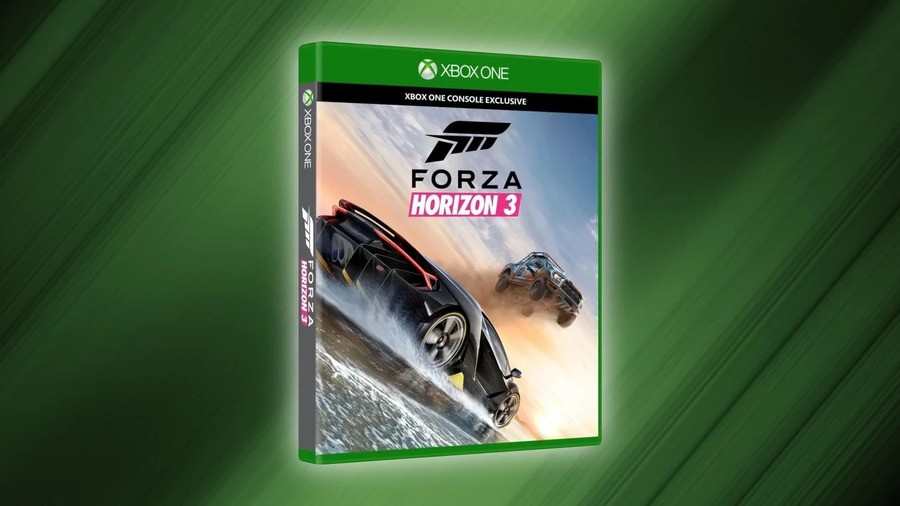
The "thousands of games" promised at launch sounds comprehensive, but it remains unclear how the program will handle delisted titles. Delisting typically occurs when the digital distribution rights for a game expire—often due to licensed music, branded vehicles, or third-party intellectual property. Popular titles like the early Forza Horizon entries or various sports simulations are frequently removed from the Xbox Store, making them impossible to purchase digitally.
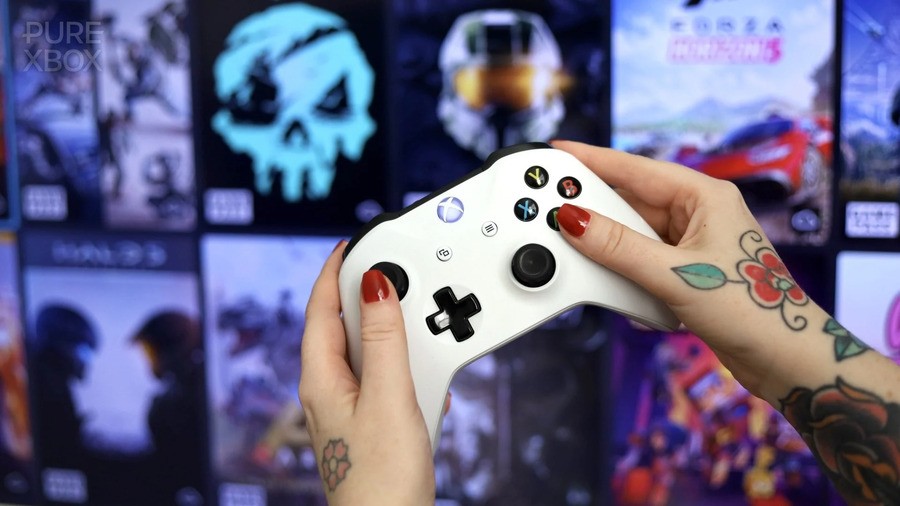
If the Disc to Digital feature can provide digital access to these delisted titles, it would represent a massive win for game preservation. It would allow owners of rare physical copies to enjoy their games with modern benefits like cloud streaming without requiring the publisher to renew expensive licenses for a formal "re-release." However, legal experts suggest that Microsoft must navigate complex contractual waters to ensure that "reactivating" a digital license for a delisted game does not violate existing agreements with IP holders.
Technical Upgrades and the "Smart Delivery" Factor
The Disc to Digital program also holds the potential to resolve long-standing issues with "cross-gen" upgrades. Several titles in the Xbox library offered free upgrades from the Xbox One version to the Series X version, but occasionally these offers were restricted to digital owners to simplify the verification process. By converting a physical disc to a digital entitlement, users may finally be able to trigger "Smart Delivery" updates that were previously locked behind the presence of a physical disc in the drive.
This shift is particularly relevant for titles like Mafia: Definitive Edition or Red Dead Redemption, where the digital versions offer streamlined performance or bundled content that physical owners have struggled to access with the same ease. By August 31st, as Insiders begin testing, the community will gain a clearer picture of how these "digital entitlements" interact with the existing Xbox Store infrastructure.
Project Helix and the All-Digital Future
Perhaps the most significant implication of the Disc to Digital announcement is what it suggests about future Xbox hardware. Rumors regarding "Project Helix"—the internal codename for the next iteration of Xbox hardware—suggest a move toward a modular or entirely disc-less design. Xbox executive Asha Sharma recently emphasized that "efficiency and affordability" are the pillars of the Helix philosophy.
Industry insiders, including reports from Digital Foundry and Windows Central, indicate that the global supply chain for Blu-ray drives is shrinking. As manufacturing facilities for optical drives close and the cost of integrating physical drives into consoles remains high, Microsoft appears to be preparing its user base for a transition. If the next generation of Xbox hardware does not include a disc drive, the Disc to Digital program serves as the essential "bridge" that prevents current physical collections from becoming obsolete.
Furthermore, reports suggest that Microsoft may offer an optional, external disc drive for those who still wish to use physical media, similar to the approach taken by Sony with the PlayStation 5 Slim. In this context, the Disc to Digital program is not just a feature; it is a strategic safeguard designed to protect consumer investments while allowing Microsoft to streamline its hardware production.
Conclusion and Future Outlook
The launch of the Disc to Digital program on August 31st represents a pivotal moment in the "all-digital" conversation. By addressing the friction between physical ownership and digital convenience, Microsoft is attempting to create a more flexible ecosystem that caters to both traditional collectors and modern "cloud-first" gamers.
While questions remain regarding the compatibility of legacy titles and the legalities of delisted software, the program’s rollout through the Xbox Insider program suggests a cautious, data-driven approach. As testing begins, the feedback from the Insider community will be instrumental in shaping the final version of the feature. For now, Xbox owners are encouraged to maintain their physical libraries, as those discs are about to become the keys to a much larger, more versatile digital world. The success of this initiative will likely dictate how other console manufacturers approach the inevitable sunsetting of optical media in the years to come.