


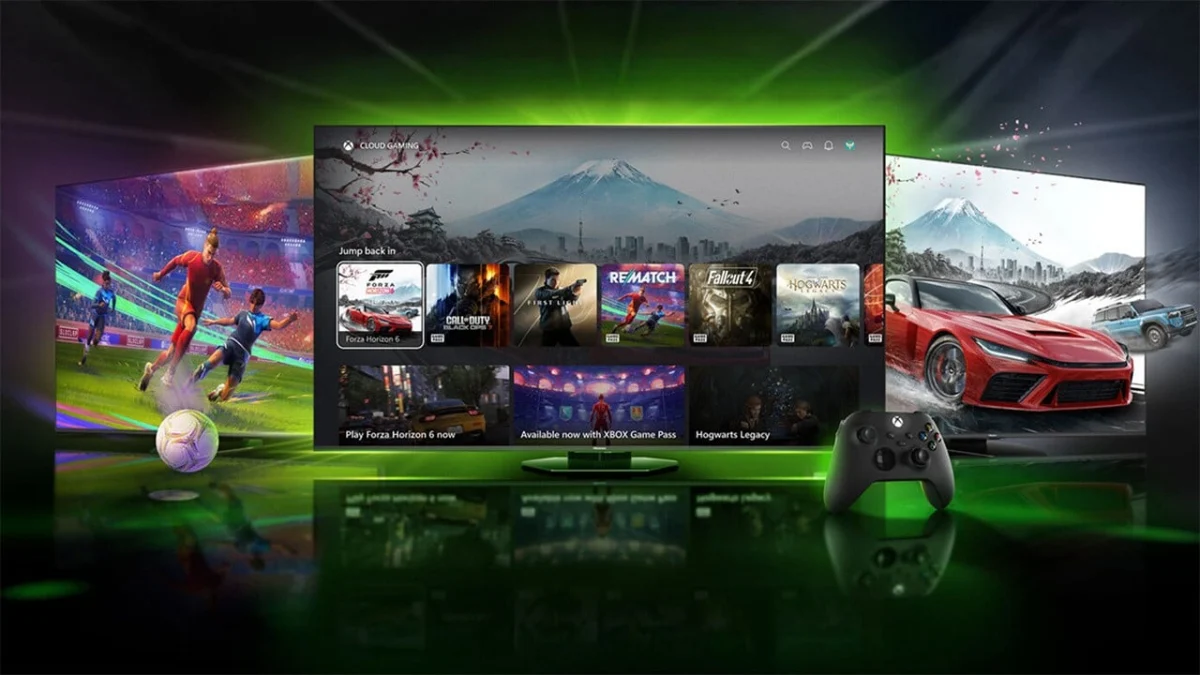
Microsoft has announced the integration of the Xbox application onto select Hisense and VIDAA OS-powered Smart TVs, marking a significant step in the ongoing expansion of Xbox Cloud Gaming. This strategic deployment, targeting Hisense/VIDAA models from 2024 to 2026, enables users to access a vast library of Xbox titles directly through their televisions, bypassing the traditional requirement of a dedicated console. This initiative underscores Microsoft’s long-term commitment to making gaming accessible across a multitude of devices, aligning with its "Xbox Everywhere" philosophy, even following the retirement of campaigns such as "This Is An Xbox."
The Strategic Imperative: Gaming Beyond the Console
This latest move builds upon Microsoft’s foundational strategy to democratize gaming, making it available wherever players are. The core idea behind Xbox Cloud Gaming, often referred to as xCloud, is to stream high-fidelity games over the internet, much like video streaming services, thereby removing the hardware barrier for entry. This vision began to materialize publicly with Project xCloud’s initial previews and its subsequent integration into Xbox Game Pass Ultimate. The overarching goal is to reach billions of devices, positioning Xbox not merely as a console manufacturer but as a comprehensive gaming ecosystem provider.
The decision to expand to Smart TVs, specifically Hisense and VIDAA OS, is a logical progression in this strategy. Smart televisions have evolved into central entertainment hubs in modern households, capable of running sophisticated applications and connecting to the internet. By embedding the Xbox app directly into these devices, Microsoft significantly broadens its potential audience, appealing to consumers who may not own an Xbox console but are keen to explore high-quality gaming experiences. This mirrors previous successful partnerships, such as the one established with LG TVs in April 2025, which similarly allowed LG Smart TV owners to stream Xbox titles directly. The gradual rollout across compatible VIDAA OS TVs signifies a methodical approach to ensuring stability and broad regional availability, with updates reaching additional devices and territories over time.
Chronology of Xbox Cloud Gaming Expansion
The journey of Xbox Cloud Gaming has been one of continuous evolution and strategic partnerships.
- 2019: Project xCloud, the precursor to Xbox Cloud Gaming, was initially unveiled and began public trials, demonstrating the feasibility of streaming console-quality games to mobile devices.
- September 2020: Xbox Cloud Gaming officially launched for Xbox Game Pass Ultimate subscribers, initially supporting Android mobile devices. This marked the commercial debut of Microsoft’s cloud streaming service.
- June 2021: Cloud Gaming expanded to web browsers (Edge, Chrome, Safari) on Windows PCs and Apple iOS devices, further extending its reach beyond Android.
- November 2021: The service was integrated into Xbox consoles, allowing Game Pass Ultimate subscribers to stream select games they don’t own, reducing download times and storage requirements.
- April 2025: A significant milestone was achieved with the launch of the Xbox app on LG Smart TVs. This marked Microsoft’s first direct integration of Xbox Cloud Gaming into a major smart TV platform, eliminating the need for a console or external streaming device.
- July 2026: The current announcement, as detailed in the Xbox Wire release, confirms the expansion of the Xbox app to Hisense and VIDAA OS-powered Smart TVs, further cementing the console-free gaming paradigm. This rollout is slated for 2024-2026 models running VIDAA OS 9.6 or higher, signifying a continued push into the smart TV market.
This chronological progression illustrates a clear trajectory: from mobile, to web browsers, to dedicated consoles, and now extensively into smart TV ecosystems, Microsoft is systematically expanding the footprint of its gaming services.
Deep Dive into Hisense and VIDAA OS Integration
The partnership with Hisense and its proprietary VIDAA OS is particularly noteworthy. Hisense is a global electronics giant, and its televisions are widely available across numerous markets. VIDAA OS, developed by Hisense, is a fast-growing smart TV platform known for its user-friendly interface and extensive app support. By integrating the Xbox app directly into VIDAA OS, Microsoft taps into a substantial installed base and future sales of Hisense televisions.
For consumers, the technical requirements for enjoying Xbox Cloud Gaming on these new platforms are straightforward but crucial:
- Compatible TV Model: Users will need a VIDAA OS-powered Smart TV or a supported Hisense TV running on VIDAA OS 9.6 or higher. The specific model years (2024-2026) indicate that this functionality is being baked into newer generations of televisions. For precise compatibility details, users are advised to contact VIDAA support.
- Xbox Game Pass Subscription: Access to Xbox Cloud Gaming typically requires an active Xbox Game Pass Ultimate subscription. While the announcement mentions "Ultimate, Premium, or Essential," traditionally, Cloud Gaming is a feature of Game Pass Ultimate. This phrasing might hint at potential future expansions of cloud gaming benefits across more Game Pass tiers by 2026 or a simplified way of listing compatible subscription types for users. Game Pass Ultimate not only provides access to a rotating library of hundreds of games but also includes Xbox Live Gold for online multiplayer and an EA Play membership.
- Supported Bluetooth Controller: A low-latency, Bluetooth-enabled wireless controller is essential for a seamless gaming experience. The Xbox Wireless Controller is naturally recommended, but compatibility extends to other popular options such as the Xbox Adaptive Controller, Xbox Elite Wireless Controller Series 2, PlayStation DualSense, and PlayStation DualShock 4 controllers. This broad compatibility ensures that many gamers can use their existing peripherals.
- Reliable High-Speed Internet Connection: Cloud gaming is inherently dependent on robust internet infrastructure. A stable, high-speed internet connection is paramount to minimize latency, prevent stuttering, and ensure high-resolution streaming. Microsoft typically recommends a minimum download speed of 20 Mbps for optimal performance, though higher speeds are beneficial, especially for 4K streaming (if supported in the future) and households with multiple internet users. Latency, measured in milliseconds, is particularly critical; a lower ping to the Xbox Cloud Gaming servers translates to a more responsive and enjoyable gaming experience.
Getting Started: A User’s Guide
The process for users to begin playing Xbox games on their Hisense or VIDAA TV has been streamlined for ease of access:
- TV Update Verification: The first step involves ensuring the television is updated to VIDAA OS 9.6. Manufacturers often roll out updates in phases, so availability may vary. Users can typically check for system updates through their TV’s settings menu or contact VIDAA support for assistance.
- Accessing the Xbox App: Once the TV software is updated, the Xbox app is designed to appear prominently on the Home Page or within the "Games" section of the TV’s menu bar, making it easy to locate.
- Account Sign-In/Creation: Users will then be prompted to sign in with an existing Xbox account or create a new one. This links their television to their Xbox profile, game library, and Game Pass subscription.
- Controller Connection: A compatible Bluetooth-enabled wireless controller needs to be paired with the television. This is typically done through the TV’s Bluetooth settings, similar to connecting any other wireless peripheral.
- Game Selection and Play: With the account logged in and controller connected, users can browse the Game Pass library within the Xbox app, select a desired title, and commence streaming their game.
The convenience of this setup is a major selling point. It eliminates the need for additional hardware, cables, or setup time associated with a physical console, offering a truly plug-and-play (or rather, "stream-and-play") experience.

Industry Reactions and Strategic Implications
The expansion of Xbox Cloud Gaming to Hisense and VIDAA TVs carries significant implications for the gaming industry and consumer landscape.
- Increased Market Penetration: Hisense holds a substantial share in the global television market. This partnership immediately grants Xbox Cloud Gaming access to millions of households worldwide, significantly broadening its addressable market beyond traditional console owners and even existing Xbox Game Pass subscribers who might not have considered cloud gaming on a TV before.
- Competition and Console Sales: This move intensifies competition within the gaming sector. While Microsoft maintains its console business, the emphasis on cloud gaming suggests a strategic shift towards a services-first model. This could potentially impact future console sales, as some consumers might opt for a cloud-only approach, particularly if they already own a compatible smart TV. It also puts pressure on competitors like Sony (with PlayStation Plus Premium’s cloud streaming) and NVIDIA (with GeForce Now) to further enhance their own smart TV integrations and cloud gaming offerings.
- Enhanced Smart TV Value Proposition: For Hisense and VIDAA, integrating the Xbox app enhances the value proposition of their smart TVs. It provides a compelling, built-in gaming feature that can differentiate their products in a crowded market, attracting tech-savvy consumers and families looking for versatile entertainment solutions.
- Democratization of Gaming: By lowering the barrier to entry, this initiative further democratizes access to high-fidelity gaming. It allows individuals who cannot afford or choose not to purchase a dedicated gaming console to experience titles that would otherwise be inaccessible. This aligns with a broader trend in entertainment towards subscription-based, on-demand content delivery.
- Future Trends: This partnership reinforces the accelerating trend towards cloud-centric gaming. As internet infrastructure improves globally, and streaming technology becomes more sophisticated, the distinction between console gaming and cloud gaming may continue to blur. It suggests a future where gaming hardware is increasingly abstracted, with the focus shifting to services and content accessibility across all screens.
Challenges and Future Outlook
Despite the significant advantages, challenges remain. The quality of the cloud gaming experience is heavily reliant on internet infrastructure, which varies considerably across regions and even within individual households. Latency and bandwidth limitations can still lead to input lag or visual artifacting, impacting the user experience. Microsoft must continue to invest in its global server infrastructure and optimize its streaming technology to ensure a consistently high-quality experience for all users.
Furthermore, the long-term success of this model hinges on the appeal and value of the Xbox Game Pass library. While extensive, continuous additions of high-profile titles and day-one releases are crucial to retain subscribers and attract new ones. The competitive landscape for subscription services is fierce, and Xbox must consistently deliver compelling content.
In conclusion, the integration of the Xbox app onto Hisense and VIDAA Smart TVs represents a pivotal moment in Microsoft’s journey to redefine gaming. It solidifies the company’s commitment to a future where high-quality gaming is an accessible service rather than an exclusive hardware experience. By leveraging the ubiquity of smart televisions, Microsoft is not only expanding its reach but also shaping the evolution of the gaming industry towards a more interconnected, console-agnostic, and subscription-driven landscape. This partnership is a clear indicator that the lines between traditional gaming platforms and broader entertainment devices will continue to converge, promising a more flexible and inclusive future for gamers worldwide.