


The ongoing discussion surrounding video game preservation has intensified, with industry leaders like Xbox actively investing in initiatives to ensure that historical gaming titles remain accessible and playable amidst rapid technological advancements. This commitment was underscored during a recent Game Developers Conference (GDC) panel, where Xbox’s Next Generation Vice President articulated the company’s deep-seated belief in the enduring value of classic games and its strategy for their future.
The Enduring Legacy of Great Games
During the GDC session, the Xbox executive articulated a profound personal conviction regarding the timeless nature of exceptional video games. "I fundamentally believe that great games are timeless," he stated, emphasizing that this sentiment extends beyond a corporate mission to a deeply personal philosophy. He shared an anecdote about his own son experiencing games released decades before his birth, highlighting how these older titles offer novel and engaging experiences for younger generations, even if they represent a bygone era for older players. This perspective underscores the intrinsic value of these digital artifacts, not just as historical curiosities, but as sources of ongoing entertainment and cultural connection.
The executive further elaborated on the importance of respecting these classic works by providing players with familiar and comfortable ways to engage with them. He argued against forcing players to adapt to archaic interfaces or hardware limitations when more modern and accessible methods can be employed. This philosophy underpins Xbox’s approach to game preservation: ensuring that the spirit and enjoyment of a game are maintained, while simultaneously leveraging contemporary technology to enhance the player experience.
Embracing the Future of the Past: Technological Enhancements
Xbox’s strategy extends beyond mere archiving; it actively seeks to integrate classic games with cutting-edge technology to create entirely new ways to play. "Not only do we want to preserve those games, but we also want to take advantage of the latest technology to enable them to be played in entirely new ways," the executive explained.
Specific examples of this philosophy in action include features like Auto HDR and FPS Boost. Auto HDR, a technology that adds High Dynamic Range (HDR) visual enhancements to games created before HDR even existed, imbues older titles with a renewed visual vibrancy. This process can make a game feel "entirely new" and "very fresh" for players, offering a visual fidelity that was unimaginable at the time of its original release.
Similarly, FPS Boost significantly increases the frame rate of older games. For titles originally designed to run at a fixed, often lower, frame rate, the substantial uplift provided by FPS Boost can transform the gameplay experience, making it feel smoother, more responsive, and akin to a modern remaster. This technological intervention breathes new life into games, enhancing their playability and appeal for contemporary audiences without fundamentally altering their core design.
Expanding Accessibility Through Cloud Streaming
Further demonstrating its commitment to broad accessibility, Xbox is enabling cloud streaming for a growing library of retro games. This allows players to access and enjoy classic titles on a variety of devices, including smartphones, a feat that would have been science fiction when many of these games were first developed. The executive pointed out the stark contrast between the original development environments and today’s technological landscape, noting that even high-definition visuals were a distant concept, and portable gaming on a smartphone was virtually inconceivable.
"The developers that built the games could have never imagined a future 25 years later where their game is being streamed from the cloud to a smartphone," he remarked, highlighting the transformative power of modern infrastructure and innovation in bringing older content to new platforms and audiences. This initiative democratizes access to gaming history, breaking down barriers of hardware compatibility and physical media limitations.
A Glimpse into Upcoming Releases and the 25th Anniversary
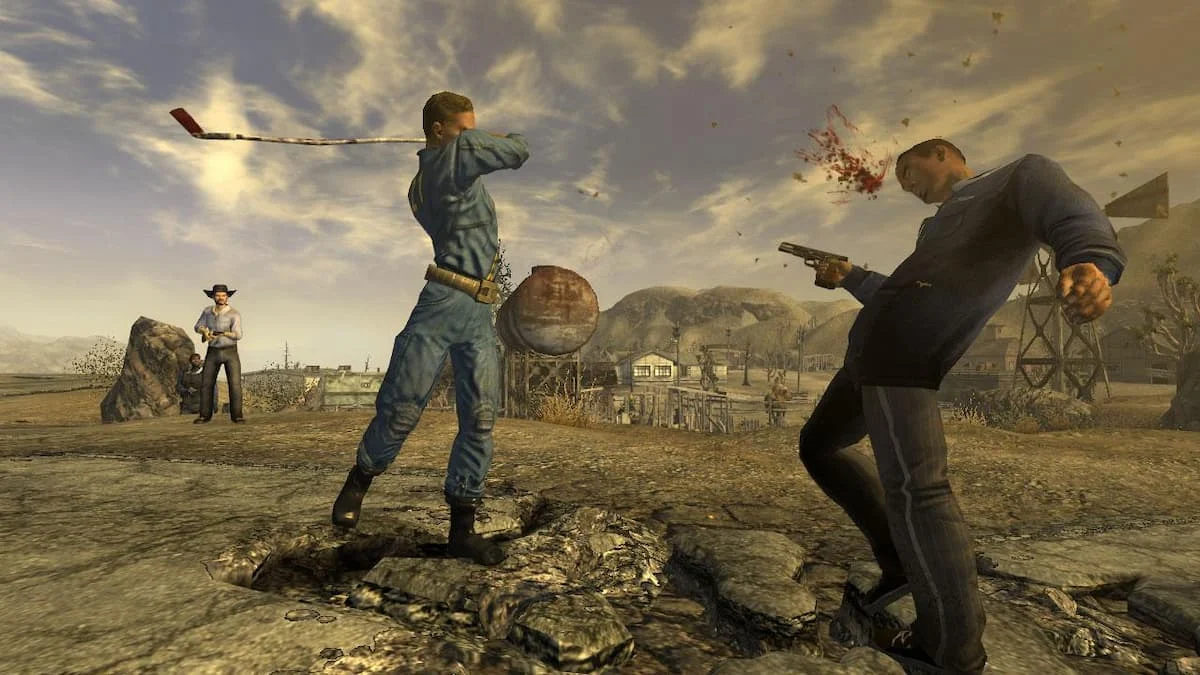
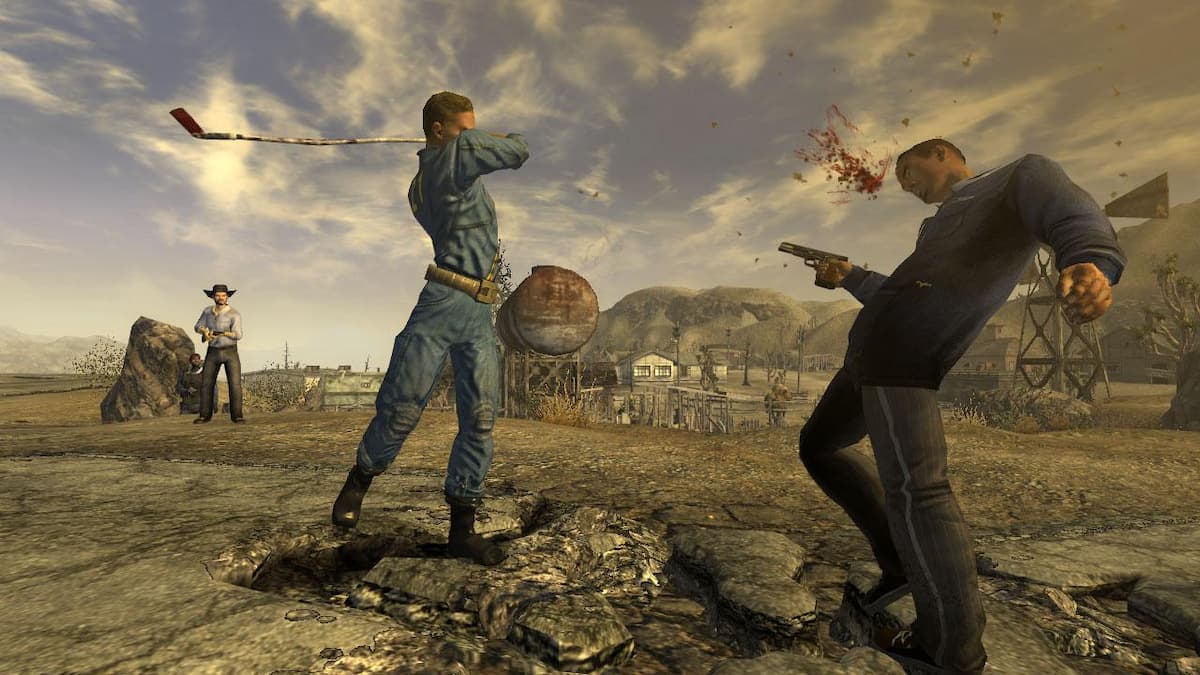
During the GDC presentation, the executive hinted at potential remakes or remasters planned for release later this year, coinciding with Xbox’s 25th anniversary celebration. While specific titles were not officially announced, industry speculation is rife. Reports suggest that a remaster or remake of Fallout: New Vegas may be in development. Given Microsoft’s ownership of both the Xbox brand and Obsidian Entertainment, the studio behind the original New Vegas, this possibility is considered highly plausible. The acquisition of numerous other studios by Microsoft further expands the potential for reimagined classic titles.
These upcoming releases could potentially arrive as surprise "shadow drops," mirroring the unexpected release of the Oblivion remaster last year. The Xbox 25th anniversary falls on November 15th, a date that may hold significance for these planned releases.
"The game preservation team has been working very hard in the background for a number of years," the executive stated. "As part of our 25th anniversary later this year, they will release some iconic games from the past that are now going to be able to be played in an entirely new way." This announcement signals a significant push to bring more beloved classics to players, enhanced by modern technological capabilities.
Commitment to Preservation and Future Innovations
The executive reaffirmed that these ongoing efforts and strategic decisions underscore Xbox’s unwavering commitment to game preservation. The impending release of "Xbox Mode" for all Windows devices is also expected to introduce further software solutions designed to meaningfully enhance the retro gaming experience. This broader integration of Xbox’s ecosystem is anticipated to unlock even more avenues for accessing and enjoying classic titles.
While the executive expressed optimism about these advancements, there is an underlying hope that many of these enhancements will remain optional. The sentiment is that while technological upgrades are valuable, there remains a distinct and valuable charm in experiencing a game as it was originally intended, without modifications that might detract from its historical context or artistic integrity. This perspective acknowledges the nuanced approach required for effective game preservation, balancing modernization with respect for the original work.
Game Preservation as Cultural Heritage
Ultimately, the expanded discussion on game preservation highlights its critical importance in the contemporary video game landscape. The argument is made that video games, much like literature and other forms of media, should be recognized and treated as cultural heritage. They serve as invaluable historical documents, reflecting the societal, technological, and creative landscapes of their respective eras. Furthermore, they offer a unique window into the minds of the individuals who created and played them, providing insights into cultural trends and evolving forms of entertainment.
While acknowledging that not every game possesses universal cultural significance, the overarching goal should be to strive for their continued existence and accessibility for as long as possible. This enduring availability allows future generations the opportunity to explore, engage with, and ultimately determine which of these digital creations hold lasting meaning and contribute to our collective understanding of interactive entertainment history. Xbox’s proactive approach, combining preservation with innovative enhancements, positions the company as a significant force in safeguarding this vital aspect of digital culture.