


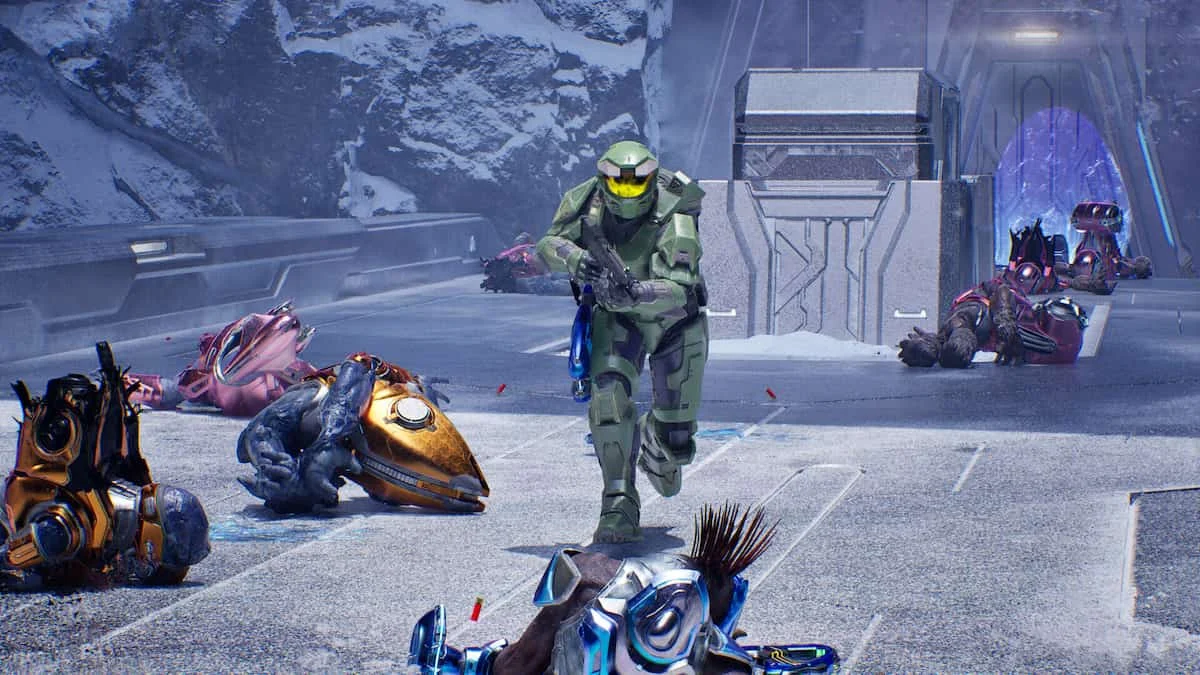
The ink on the celebratory launch of Halo: Campaign Evolved had barely dried before a somber reality set in for many at Halo Studios. In a move that underscores Xbox CEO Asha Sharma’s aggressive restructuring strategy, a new wave of layoffs has impacted the beloved game development studio, casting a shadow over the franchise’s latest release. This latest round of job cuts follows a significant reduction in force earlier this year, signaling a broader and more persistent shake-up within Microsoft’s gaming division.
The unsettling news began to surface late last night through social media platforms, with several developers from Halo Studios sharing poignant messages on LinkedIn. These posts confirmed that an unspecified number of employees have been let go mere days after the official release of Halo: Campaign Evolved. This development is not an isolated incident but rather a continuation of a trend initiated with a substantial layoff of 1,600 employees across Microsoft’s gaming divisions in January, a figure confirmed by Xbox CEO Phil Spencer. The rhetoric from leadership suggests these workforce adjustments are far from over, painting a picture of ongoing, strategic recalibration within the Xbox ecosystem.
A Bitter Aftertaste to a Celebrated Launch
The timing of these layoffs is particularly jarring. Halo: Campaign Evolved, a title widely anticipated by fans and critically reviewed, has now become the backdrop for significant workforce reductions. The game, a remake of the original Halo experience, has garnered a mixed reception from the player base, reflected in its "Mixed" rating on Steam and a user score of 5.7 on Metacritic. While critics generally lauded the game’s updated visuals and gameplay mechanics, player sentiment appears more divided, pointing to potential disconnects between development goals and audience expectations.
One of the developers who confirmed their departure, producer Nick Treitman, shared his experience on LinkedIn. "After 6.5 years working on Halo and dodging just as many rounds of layoffs – it has finally caught up to me," Treitman wrote. He expressed his enduring affection for the franchise and his colleagues, stating, "I have nothing but love for Halo and the folks at the studio, this is just a tough reality in the gaming industry right now." His sentiment highlights the personal toll these industry-wide shifts are taking on dedicated professionals.
Another producer, Paul Morris, also took to LinkedIn to announce his departure following the game’s launch. "Today, I learned my time at Halo Studios will be coming to an end following the successful launch of our latest game, Halo: Campaign Evolved," Morris stated. He acknowledged the challenging job market but maintained a forward-looking perspective: "I know this is one of the most challenging job markets our industry has seen, and I know the road ahead won’t be easy. But I’m not done, and my purpose has not changed." These personal accounts offer a glimpse into the human impact of these corporate decisions, emphasizing resilience amidst uncertainty.
A Pattern of Restructuring Across Xbox Game Studios
Halo Studios is not an anomaly in this period of upheaval. The layoffs at the studio are part of a broader pattern affecting multiple entities under the Xbox Game Studios umbrella. Several other prominent development houses have either undergone significant layoffs, been spun off into independent entities, or seen their operational models fundamentally altered. The list of affected studios includes, but is not limited to, Arkane, Compulsion Games, Double Fine, Ninja Theory, Undead Labs, and id Software. This widespread impact suggests that the "reset" initiated by CEO Asha Sharma is a comprehensive strategic overhaul rather than a targeted intervention.
The rationale behind these drastic measures has been articulated by Sharma herself, who in an internal memo dated July 6th, painted a stark picture of the Xbox business’s financial standing. "Our business today is not healthy," Sharma declared. She elaborated on the financial discrepancies, stating, "We are operating at margins that are 3-10x lower than comparable platform and publishing businesses." This assertion points to a critical need for improved profitability and operational efficiency.
Sharma further detailed the strategic missteps and market challenges that have contributed to the current situation. "We entered Gen 9 with a smaller install base and a higher cost structure," she explained. "To grow, we bet on Game Pass, multi-platform, and a broader portfolio of content. While those businesses have created meaningful value, they did not grow at the pace we expected. As that happened, our core business weakened, and we added more teams, more investment, and more time, hoping for a better outcome." The acknowledgment of misaligned growth expectations and increased investment without commensurate returns underscores a strategic re-evaluation. The ongoing "hardware crisis" in the industry, as described by Sharma, further exacerbates these challenges, creating an imperative for decisive action. "And now the industry is facing the most severe hardware crisis in its history. We must reset Xbox," she concluded, signaling a commitment to radical change.

The Chronology of a "Reset"
The current wave of layoffs is the culmination of a series of strategic decisions and market realities that have been unfolding over the past year.
- Early 2023: Speculation and reports begin to emerge regarding potential restructuring within Microsoft’s gaming division.
- January 2024: Xbox announces a significant layoff of approximately 1,600 employees across its gaming division, impacting studios like Bethesda Softworks and Activision Blizzard, which had recently been acquired. This marks the initial, large-scale execution of the "reset."
- May/June 2024: Reports surface of further, more targeted layoffs and studio reorganizations within Xbox Game Studios. Certain studios face significant staff reductions, while others are consolidated or their mandates altered.
- July 2024: Halo: Campaign Evolved is released to a generally positive critical reception but a more divided player base.
- Immediately following the launch of Halo: Campaign Evolved (July 2024): A new round of layoffs is confirmed at Halo Studios, directly impacting developers working on the franchise. This event is framed as a direct consequence of the ongoing "reset" strategy articulated by CEO Asha Sharma.
This timeline illustrates a deliberate, phased approach to restructuring, with the recent layoffs at Halo Studios representing a significant development in this ongoing process. The decision to implement these cuts so soon after a major product launch suggests a prioritization of long-term financial health and strategic alignment over short-term post-launch team stability.
Data and Analysis: The Broader Implications
The impact of these layoffs extends far beyond the immediate financial restructuring. The gaming industry, already a highly competitive and volatile sector, is experiencing a period of significant consolidation and strategic reorientation. Microsoft’s actions at Xbox are indicative of a broader trend among major technology and entertainment companies to streamline operations, focus on core revenue streams, and adapt to evolving market dynamics.
Supporting Data and Trends:
- Industry-Wide Layoffs: The 1,600 layoffs announced in January were part of a much larger trend, with the gaming industry seeing tens of thousands of job cuts across numerous companies in the past year. This indicates a systemic challenge rather than an isolated issue at Microsoft.
- Shifting Player Engagement: While subscription services like Game Pass have seen growth, the pace of user acquisition and engagement may not be meeting aggressive projections. This forces companies to re-evaluate their investment strategies and profitability models.
- Hardware Market Saturation: The "hardware crisis" mentioned by Sharma could refer to a plateau in console sales or the increasing cost of developing for next-generation hardware, impacting profitability and the viability of certain development approaches.
- Multi-Platform Strategy: While betting on multi-platform releases and services like Game Pass has created value, as Sharma noted, it may not have offset the declining performance of traditional business models or the high cost of talent acquisition and retention.
- Profitability Pressures: The stated goal of increasing profit margins by 3-10x suggests a significant gap between current performance and desired financial outcomes. This level of improvement typically necessitates substantial cost-cutting measures, including workforce reductions.
Analysis of Implications:
- Talent Drain and Morale: Repeated layoffs can lead to a significant drain of experienced talent and a decline in morale among remaining employees, potentially impacting creativity and productivity in the long term. The industry’s reputation as an unstable career path may also deter new talent.
- Impact on Franchise Development: The reduction of experienced staff at studios like Halo could affect the quality and pace of future Halo titles. The franchise’s legacy is built on strong development teams, and sustained workforce instability poses a risk to its continuity.
- Strategic Reorientation: The "reset" implies a potential shift in Xbox’s strategic priorities. This could mean a greater focus on profitability over sheer growth, a re-evaluation of which IPs are prioritized, or a more aggressive pursuit of third-party content for Game Pass.
- Competitive Landscape: Microsoft’s aggressive restructuring could influence competitors to adopt similar strategies, leading to further consolidation and increased pressure on development studios across the industry. The focus on profitability may also lead to more risk-averse game development, potentially impacting innovation.
- Player Trust and Perception: While the ultimate goal is to create a healthier business, frequent layoffs and the perceived impact on game development can erode player trust and negatively affect the perception of the Xbox brand.
Official Statements and Broader Industry Context
The public statements from Xbox leadership, particularly CEO Asha Sharma’s internal memo, provide a critical insight into the strategic thinking behind these extensive layoffs. Her frank assessment of the business’s health, coupled with the acknowledgment of strategic missteps, suggests a move towards a more data-driven and fiscally responsible approach. The mention of "margins that are 3-10x lower than comparable platform and publishing businesses" is a stark indicator of the financial pressures at play.
The broader context of the gaming industry cannot be overstated. Following a period of unprecedented growth during the pandemic, many companies are now grappling with market corrections, changing consumer habits, and the ever-increasing costs of game development. This has led to a wave of consolidation, with major acquisitions like Microsoft’s purchase of Activision Blizzard itself being a part of this larger industry recalibration.
The implications for the future of Xbox are significant. The "reset" suggests a commitment to streamlining operations, potentially by focusing on fewer, more profitable projects, or by optimizing the delivery of content through services like Game Pass. The challenge will be to execute this reset in a way that preserves the creative talent and innovative spirit that has defined Microsoft’s gaming division, while also achieving the financial stability and growth that leadership deems necessary. The coming fiscal year will be crucial in determining the long-term success of Asha Sharma’s ambitious plan to "reset Xbox." The continued reduction of workforce across key studios like Halo signals that this is not a temporary adjustment but a fundamental shift in the operational philosophy of one of the industry’s most influential players.