


In a seismic shift that has sent ripples throughout the global gaming industry, Xbox CEO Asha Sharma unveiled a comprehensive restructuring initiative on July 6, 2026, resulting in the immediate dismissal of approximately 1,600 employees. This initial wave of layoffs is projected to be followed by an additional 1,600 job losses by the close of the 2027 fiscal year, marking one of the most significant workforce reductions in Xbox’s history. The repercussions extend beyond the immediate Xbox division, with broader layoffs also impacting other Microsoft departments, underscoring the magnitude of this strategic realignment.
Sharma characterized the overhaul as "the most significant restructure in XBOX history," signaling a decisive pivot in the company’s operational and strategic direction. While the full scope of the changes is still unfolding, early indications suggest a deliberate reallocation of resources and a re-evaluation of development priorities across its vast portfolio of studios and intellectual properties. Crucially, Sharma assured stakeholders that no publicly announced first-party games or projects are slated for cancellation as a direct consequence of these reductions, offering a measure of relief to fans eagerly awaiting upcoming titles.
The immediate aftermath of the announcement saw a significant number of employees across various Xbox studios and affiliated companies being let go. While no studios have been entirely shuttered, the selling off of certain development entities has been confirmed, indicating a strategic divestment or consolidation of operations. This complex maneuver aims to streamline the Xbox ecosystem, potentially focusing on core strengths and future growth areas.

Chronology of the Xbox Restructure
The decision to implement such a drastic restructuring did not occur in a vacuum. Following a period of intense market analysis and strategic planning, CEO Asha Sharma, who assumed leadership of Xbox in early 2026, identified key areas for optimization and future investment. The announcement on July 6, 2026, marked the culmination of these deliberations.
- Early 2026: Asha Sharma appointed CEO of Xbox, tasked with charting a new course for the gaming division.
- Spring 2026: Internal strategic reviews and market analyses intensify, focusing on operational efficiency and future growth opportunities. Reports emerge of potential significant shifts within the Xbox division.
- July 6, 2026: CEO Asha Sharma officially announces the "reset" initiative, confirming 1,600 immediate layoffs. The company outlines plans for an additional 1,600 job reductions by the end of fiscal year 2027.
- July 6, 2026 onwards: The impact of the layoffs begins to be felt across various studios. Information regarding specific studio adjustments and potential studio sales starts to surface.
- Ongoing: Xbox continues to communicate updates regarding the restructuring, with the full extent of studio and project impacts expected to become clearer in the coming months.
Impact on Development Studios and Key Projects
The restructuring has inevitably affected a wide array of Xbox’s internal development studios, each with its own unique history and portfolio of games. While the full list of impacted studios and departments remains under wraps, initial reports and analyses point to a broad reach.
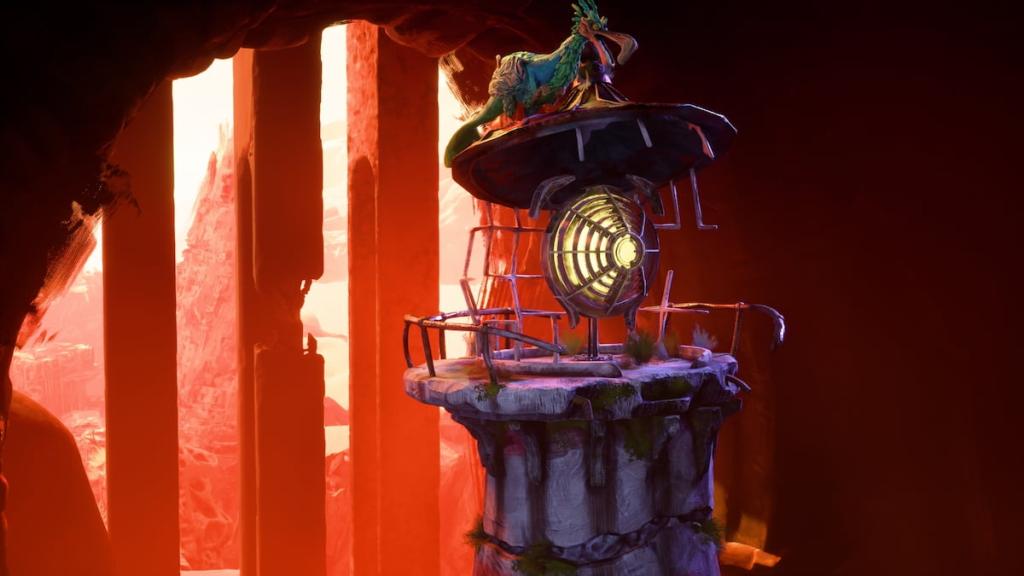
- Compulsion Games: Known for titles like We Happy Few and the upcoming South of Midnight, Compulsion Games is among the studios reportedly experiencing workforce adjustments. The studio’s focus on narrative-driven experiences may be re-evaluated within the new strategic framework.
- Double Fine Productions: The celebrated studio behind games such as Psychonauts and Broken Age, Double Fine Productions has also been cited as being affected by the layoffs. Their distinctive creative output now faces a new operational landscape within Xbox.
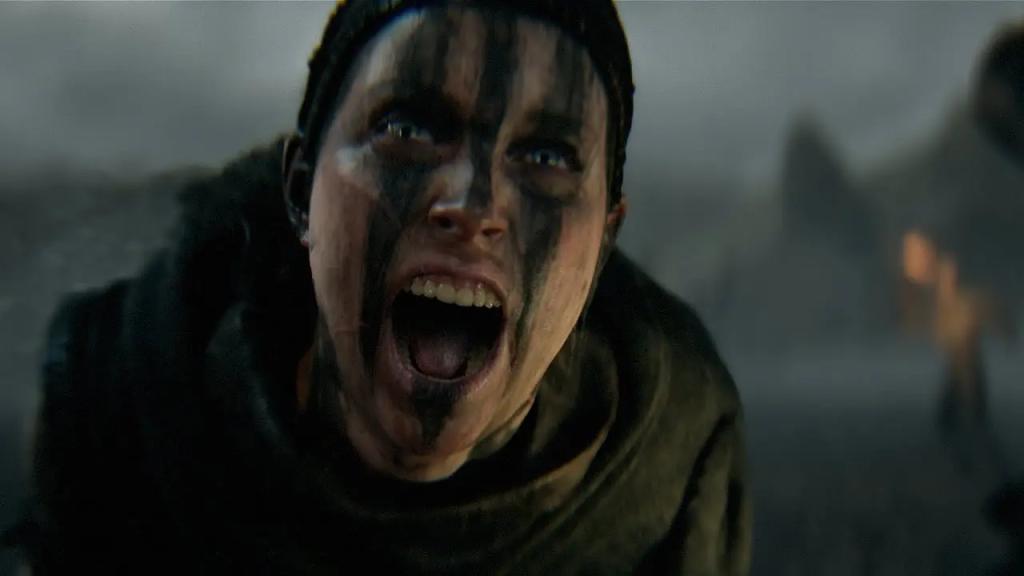
- Ninja Theory: The acclaimed developer of Hellblade: Senua’s Sacrifice and the recently released Senua’s Saga: Hellblade II, Ninja Theory is another studio reportedly undergoing changes. The future direction of their highly anticipated projects will be closely watched.
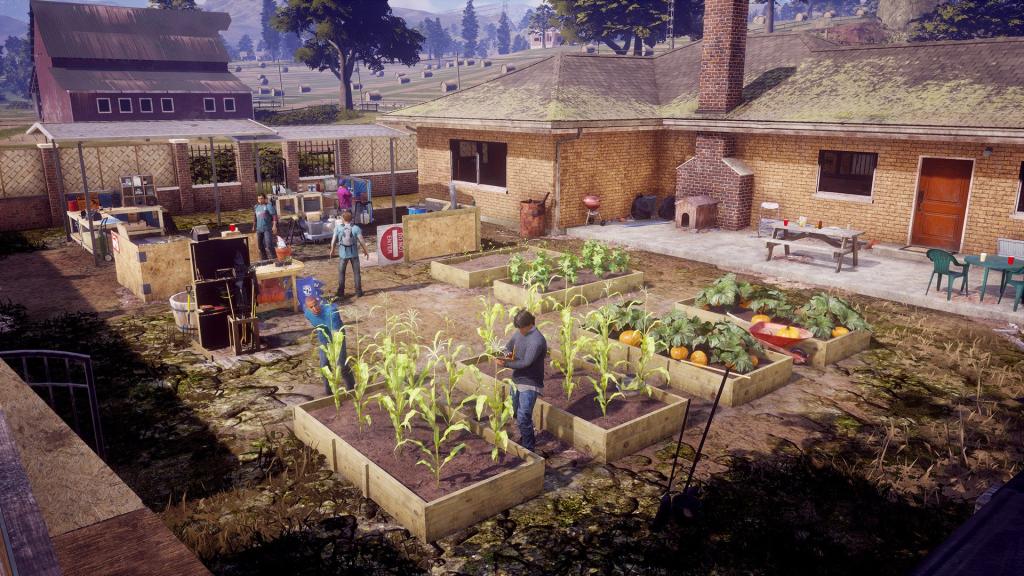
- Undead Labs: The creators of the State of Decay series, Undead Labs, are also understood to have been impacted. The continued development and future of their zombie survival franchise will be a key indicator of strategic shifts.
- Arkane Lyon: Renowned for the Dishonored and Prey franchises, Arkane Lyon’s operations are also subject to the broader restructuring. The studio’s signature immersive sim gameplay is a valuable asset that will likely be integrated into new strategic objectives.
- Activision and Blizzard Entertainment: Following Microsoft’s landmark acquisition of Activision Blizzard, these entities, now integrated into the Xbox ecosystem, are not exempt from the company-wide adjustments. While specific details remain scarce, it is plausible that redundancies and strategic realignments are occurring within these vast organizations to align with Xbox’s overarching goals. The immense talent pool and extensive IP library of Activision and Blizzard present both opportunities and challenges for integration.
- Bethesda/ZeniMax: Similarly, Bethesda Softworks and its subsidiaries, including studios like id Software, MachineGames, and Tango Gameworks, are part of the broader Xbox family. While Bethesda’s recent output has been strong, the company-wide restructuring suggests that even established studios are being assessed for efficiency and strategic alignment.
- King: The mobile gaming giant, known for Candy Crush Saga, is also under the Microsoft umbrella. Its integration and any potential workforce adjustments will be crucial to understanding the full scope of Sharma’s vision for Xbox’s diverse gaming presence.
- Mojang Studios: The creators of the globally dominant Minecraft franchise are a cornerstone of Xbox’s portfolio. While Minecraft continues to be a massive success, the restructuring may involve optimizations in how the studio operates and its future development pipelines.
- Obsidian Entertainment: Known for critically acclaimed RPGs such as Fallout: New Vegas, Pillars of Eternity, and The Outer Worlds, Obsidian Entertainment is another studio that may be experiencing changes. Their expertise in role-playing games is a significant asset within the Xbox Game Studios roster.
Analysis of Implications and Strategic Drivers
The aggressive nature of this restructuring suggests a multifaceted strategic imperative. Several factors likely contributed to CEO Asha Sharma’s decision to implement such a sweeping overhaul:
- Market Saturation and Competition: The gaming industry is characterized by intense competition, with companies vying for market share across consoles, PC, and mobile platforms. A leaner, more focused organization may be seen as essential to navigating this landscape effectively.
- Financial Performance and Profitability: While specific financial data is proprietary, large-scale layoffs often indicate a drive to improve profitability, reduce operational costs, and reallocate capital towards areas deemed to have higher growth potential.
- Technological Shifts: The industry is constantly evolving with advancements in cloud gaming, artificial intelligence in game development, and new hardware capabilities. Sharma’s "reset" could be aimed at aligning Xbox’s resources with these emerging trends.
- Portfolio Optimization: The acquisition of Activision Blizzard significantly expanded Microsoft’s gaming portfolio. The restructuring may be an effort to consolidate, integrate, and optimize these diverse assets to ensure synergy and maximize their collective value. This could involve prioritizing certain franchises or development studios over others.
- Streamlining Development Pipelines: A more concentrated approach to game development, potentially with fewer, more impactful projects, could be a strategic goal. This might involve focusing on fewer, but higher-quality, first-party titles that can drive console sales and subscription growth.
Broader Industry Impact and Reactions
The implications of these layoffs extend beyond Xbox and Microsoft. The tech and gaming industries have seen periods of significant growth followed by necessary adjustments. This event serves as a stark reminder of the volatile nature of the sector and the constant pressure on companies to adapt and innovate.
Industry analysts have expressed a range of perspectives. Some view the move as a necessary, albeit painful, step towards long-term sustainability and strategic focus in a competitive market. Others have voiced concerns about the impact on employee morale and the potential loss of valuable talent and creative expertise. Unions and employee advocacy groups have condemned the layoffs, calling for greater transparency and support for affected workers.
The assurance that no announced first-party games are being canceled is a critical point, indicating that the company’s commitment to its core product pipeline remains strong. However, the long-term impact on the culture and creative output of the affected studios remains to be seen. The success of Sharma’s "reset" will ultimately be measured by Xbox’s ability to emerge from this period of transition as a more agile, innovative, and dominant force in the global gaming market. The coming months will be crucial in understanding the full ramifications of this significant strategic maneuver.

This article will be updated as more information about Xbox’s restructuring is revealed.