


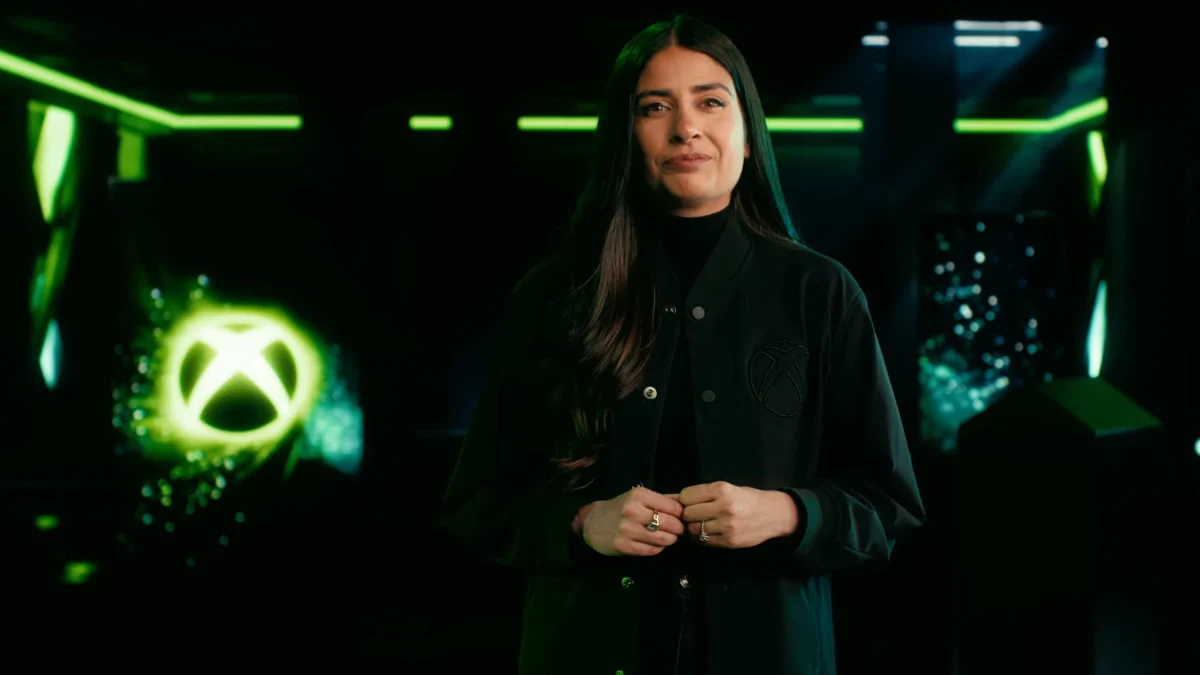
Xbox CEO Asha Sharma has officially confirmed widespread layoffs affecting approximately 1,600 employees, representing about eight percent of the company’s workforce. This initial wave is part of a larger, anticipated restructuring that will see an additional 1,600 job losses by the end of the fiscal year 2027, bringing the total to 3,200 positions eliminated, or roughly 20 percent of the entire Xbox workforce. These significant workforce reductions are a component of broader, sweeping changes across Microsoft’s various divisions over the coming year, with many remaining employees facing the unsettling reality of further cuts still on the horizon.
The announcement, delivered by Sharma in a candid statement, underscores a challenging period for the gaming giant. These layoffs are not isolated incidents but are intertwined with a comprehensive strategic realignment aimed at enhancing profitability and operational efficiency within the Xbox ecosystem. The scale of these reductions places them among the most significant single layoff events in the history of the gaming industry, a stark indicator of the pressures facing major technology and entertainment companies in the current economic climate.
Strategic Realignment and Studio Transitions
Sharma articulated the necessity for these drastic measures, stating, "I recognize that a year-long restructuring creates additional challenges. Unfortunately, it is not possible to make all the necessary changes in a single day, and I wanted to be direct about the scale." This acknowledgment of the protracted nature of the restructuring suggests a phased approach to implementing these changes, aiming to mitigate immediate disruption while signaling a sustained period of transition.
As part of this strategic overhaul, several Xbox-owned studios are undergoing significant transformations. Compulsion Games and Double Fine Productions are set to transition back to independent operational management, marking a departure from direct Xbox ownership. Concurrently, Ninja Theory and Undead Labs are in the process of finalizing agreements to transfer to new ownership structures. These new owners are expected to provide the necessary funding to ensure the completion and future growth of their respective flagship titles, Senua’s Saga: Hellblade II and State of Decay 3. The future of Arkane, currently engaged in developing the Marvel’s Blade game, is also subject to review, with the studio initiating consultation with its Works Council to explore strategic options.
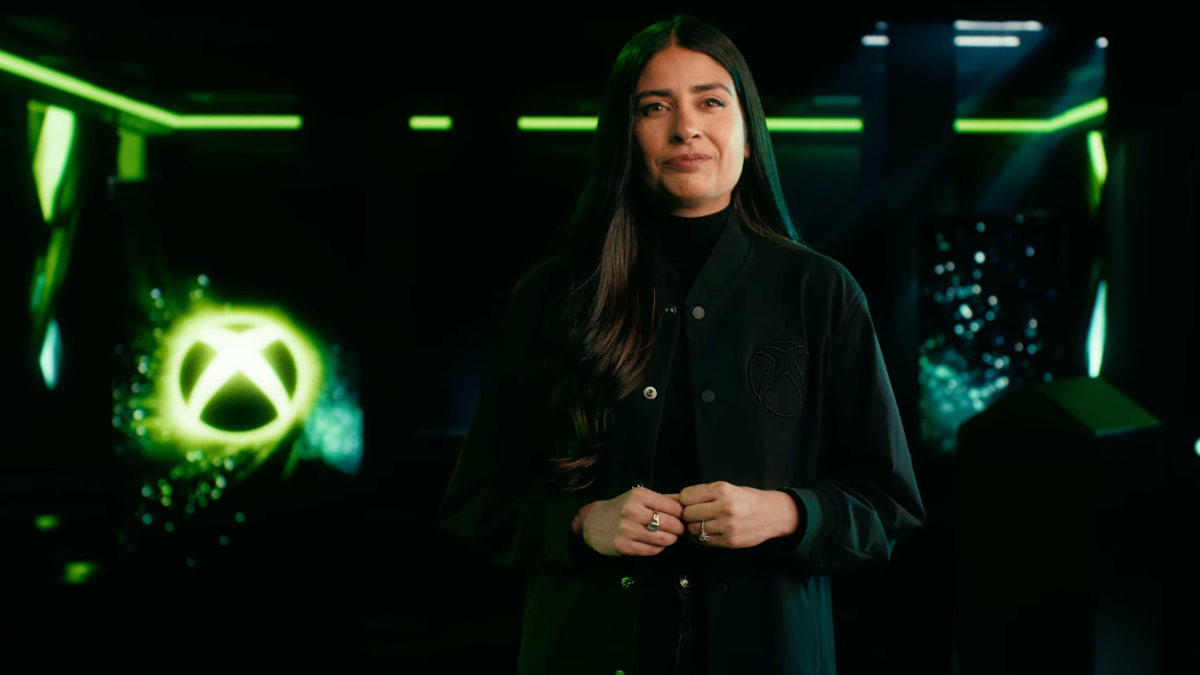
The statement from Sharma was extensive, detailing the imperative for the business to adapt for greater profitability. This overarching strategy impacts a wide array of prominent Xbox entities, including Activision, Bethesda/ZeniMax, Blizzard, King, Mojang, and Xbox Game Studios. While the news is undoubtedly grim for those affected by job losses, Sharma offered a crucial reassurance: "none of our first-party publicly announced games or projects are being cancelled as part of these reductions." This commitment suggests that the core development pipelines for anticipated titles remain intact, despite the significant human resource adjustments. Furthermore, Mojang, the creator of Minecraft, and King, known for Candy Crush, will now report directly to Sharma, indicating a consolidation of key content divisions under her direct leadership.
Financial Performance and Strategic Bets
Sharma was forthright in her assessment of the Xbox business’s current standing, describing it as "not healthy." She highlighted a critical issue: "operating at margins that are 3-10x lower than comparable platform and publishing businesses." This significant disparity in profitability compared to industry benchmarks underscores the urgent need for the current restructuring. Sharma attributed some of the challenges to strategic bets that have not yielded the desired returns. "To grow, we bet on Game Pass, multi-platform, and a broader portfolio of content," she explained, acknowledging that these initiatives have not fully materialized as anticipated.
The company’s investment in Game Pass, its subscription service, has been a cornerstone of its strategy to expand reach and recurring revenue. While Game Pass has seen considerable growth in subscriber numbers, its direct impact on overall profitability, as indicated by Sharma’s comments on margins, appears to be less than projected. The push for multi-platform releases, a significant shift from Xbox’s historical console-centric approach, also represents a strategic gamble to broaden the audience for its intellectual properties and services beyond the Xbox console.
Acknowledging the Human Cost
The human impact of these decisions was a prominent theme in Sharma’s communication. "I know this is painful," she stated empathetically. "These changes will directly affect people who have poured their creativity into building Xbox. Many joined us through acquisitions, while others were recruited here, or sought us out because they loved this industry and loved Xbox. Today’s decisions do not reflect their talent or dedication." This acknowledgment of the dedication and talent of the departing employees aims to soften the blow, though it offers little solace to those facing immediate career uncertainty.
The expectation of further layoffs over the next three years casts a long shadow, creating an atmosphere of apprehension and instability within the company. The initial 1,600 employees now face the immediate challenge of navigating an uncertain job market, compounded by the knowledge that more colleagues may be affected in the near future. This prolonged period of restructuring can also impact the morale and productivity of the remaining workforce, as individuals grapple with job security concerns and the potential loss of colleagues and collaborators.
Broader Industry Context and Future Outlook
While the immediate focus is on the layoffs and studio realignments, these events occur within a broader context of intense competition and evolving consumer behavior in the gaming industry. The significant investments made in acquiring studios like Activision Blizzard, while intended to bolster Xbox’s content library and market share, also bring their own integration challenges and financial considerations. The industry as a whole has seen periods of rapid growth followed by necessary adjustments, and Xbox is clearly navigating a period of recalibration.
The decision to keep all first-party announced games on track is a critical factor for maintaining developer morale and investor confidence. It suggests that the core creative output of Xbox remains a priority, with the restructuring aimed at optimizing the business operations supporting these development efforts. The promise of returning to growth in 2027, as articulated by Sharma, hinges on the success of these strategic adjustments and the continued appeal of Xbox’s franchises and services.
Sharma concluded her statement with a vision for the future: "I want Xbox to be one of the few companies that entertains more than a billion people each day and gives everyone the opportunity to create and connect. I know we can achieve this goal. Xbox has many of the most beloved franchises in entertainment history, talented studios around the world, and we will return to growth in 2027." This forward-looking statement aims to instill confidence and provide a clear objective amidst the current turmoil, highlighting the enduring strength of Xbox’s intellectual property and its global development talent. The coming years will be crucial in determining whether these significant strategic shifts will indeed lead to the renewed profitability and growth that Xbox leadership is striving for.