


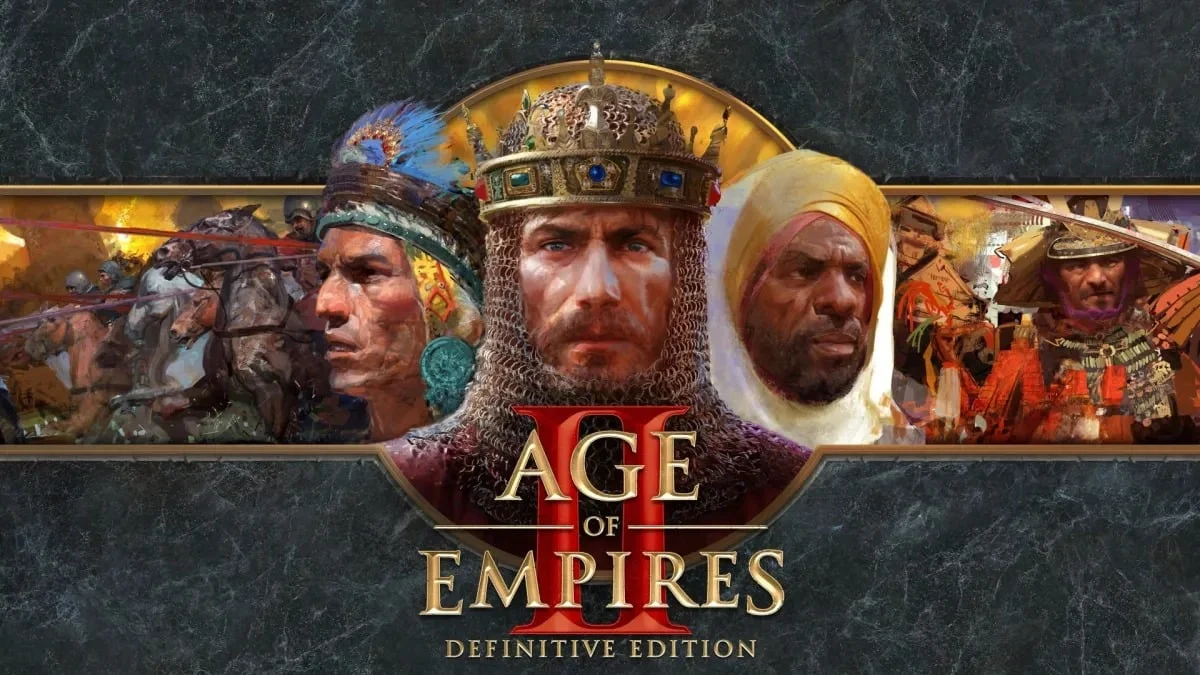
The future of a highly anticipated, yet officially unannounced, project from World’s Edge, the studio responsible for the venerable Age of Empires franchise, has been extinguished. This development stems directly from a significant wave of layoffs that have swept through Xbox Game Studios, impacting the creative director, Adam Isgreen, and approximately half of the World’s Edge team. In the wake of these workforce reductions, World’s Edge has undergone a structural shift, now operating under the umbrella of Activision. This move places the Age of Empires developers alongside other prominent franchises like Halo, signifying a considerable realignment within Microsoft’s gaming divisions. World’s Edge has been the custodian of the Age of Empires series since 2019, a period marked by continued development and updates for existing titles and, until recently, the exploration of new ventures.
Genesis of the Cancellation: Layoffs and Restructuring
The cancellation of the unannounced project was brought to light through communications from key World’s Edge personnel. Creative Director Adam Isgreen, in a post on ResetEra, a prominent gaming forum, detailed the extent of the layoffs affecting his studio. He stated that "half the studio" was let go, a measure that directly included his own position. While Isgreen indicated that the studio was "generally spared" the most severe cuts experienced elsewhere within Xbox Game Studios, the scale of the departures was evidently substantial enough to necessitate the termination of their latest development endeavor.
Further corroboration of the circumstances surrounding the cancellation emerged from Senior Software Engineer Andrew Martz. In a LinkedIn post, Martz explained that the layoffs at World’s Edge were directly linked to the studio’s reorganization and subsequent integration into Activision. This integration, he clarified, was the primary driver behind both the workforce reductions and the cancellation of the new game. Martz’s personal experience highlighted the abrupt nature of these changes; he noted that a promotion he received at World’s Edge, effective September 15th, became obsolete just one week later due to his subsequent termination. His account suggests that such rapid and impactful career disruptions were not isolated incidents within this wave of layoffs.
The Broader Xbox Layoff Landscape
The impact on World’s Edge is a component of a much larger restructuring initiative within Xbox Game Studios. Reports indicate that approximately 270 jobs were cut across various studios under the Xbox banner. Microsoft has characterized these actions as a "restructuring," suggesting that the company is nearing the completion of its organizational adjustments. Industry analysts anticipate that further workforce reductions may occur as this process concludes, potentially impacting an additional hundred or more employees. This extensive layoff round has fueled concerns within the gaming community about the future of original intellectual property development within Xbox, with a prevailing sentiment that the focus may shift towards established franchises and collaborations with third-party entities, such as the previously announced partnership with Kojima Productions.
Timeline of Events: A Chronology of Change
While precise dates for all internal decisions remain undisclosed, a general chronology of the events can be inferred:
- Prior to September 2024: World’s Edge is actively engaged in the development of an unannounced project, likely an expansion or a new installment within the Age of Empires universe. The studio has been managing the Age of Empires franchise since 2019, indicating a sustained investment in the series.
- Early to Mid-September 2024: Microsoft initiates a significant wave of layoffs across Xbox Game Studios. This period sees a substantial reduction in personnel at World’s Edge, impacting around half of its workforce, including key creative and engineering leads.
- September 15, 2024: Andrew Martz receives a promotion at World’s Edge, signifying ongoing internal career progression and investment in staff.
- Week of September 22, 2024: Following the broader Xbox layoffs, World’s Edge undergoes a formal reorganization, integrating into Activision. This restructuring directly leads to the cancellation of the unannounced project and the termination of employees, including those who had recently received promotions.
- Late September/Early October 2024: Creative Director Adam Isgreen and Senior Software Engineer Andrew Martz publicly disclose the layoffs and project cancellation via online forums and professional networks, bringing the situation to wider attention.
- Ongoing: Xbox Game Studios continues its "restructuring" process, with further workforce adjustments anticipated.
Strategic Realignment: World’s Edge Under Activision
The integration of World’s Edge into Activision represents a significant strategic maneuver by Microsoft. Since acquiring Activision Blizzard in early 2024, Microsoft has been exploring ways to synergize its vast portfolio of studios and intellectual properties. Placing World’s Edge under Activision, a company with a long history of managing real-time strategy and other genre-defining titles, suggests a belief in shared expertise and potential for collaborative development. This move also brings the Age of Empires franchise into closer proximity with other major Activision-published franchises, such as Call of Duty and Diablo, though the direct impact on the Age of Empires development pipeline remains to be seen.
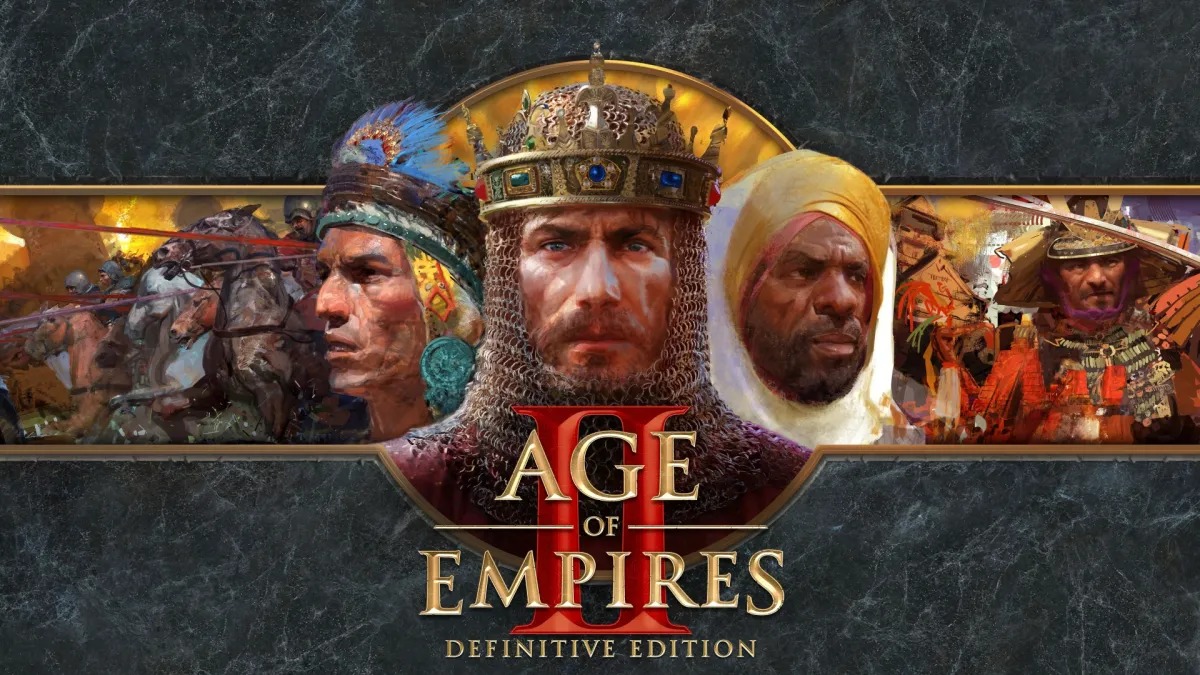
The responsibility for the Age of Empires franchise has been with World’s Edge since 2019, following a period where the series was managed by different entities. During their tenure, World’s Edge has been instrumental in revitalizing the franchise, overseeing significant updates and expansions for Age of Empires II: Definitive Edition and Age of Empires III: Definitive Edition, as well as developing Age of Empires IV. Their success in maintaining and growing the player base for these established titles suggests a deep understanding of the franchise’s legacy and its appeal to a dedicated audience. The cancellation of their latest project raises questions about the long-term vision for new Age of Empires content and the studio’s future creative direction.
Implications for the Age of Empires Franchise and Beyond
The cancellation of World’s Edge’s unannounced project, coupled with the significant staff departures, carries several implications:
- Delayed or Altered Future Content: The termination of a development project inherently means that whatever content or innovations it was intended to deliver will either be significantly delayed, drastically altered, or entirely scrapped. For Age of Empires fans, this could mean a postponement of anticipated new features, expansions, or even a potential sequel.
- Talent Drain and Knowledge Loss: The departure of experienced developers, including creative leads and senior engineers, can result in a loss of institutional knowledge and specialized skills. Rebuilding this expertise and ensuring continuity in development can be a lengthy and challenging process.
- Shift in Development Focus: With World’s Edge now under Activision, there’s a possibility that the studio’s development priorities may shift to align with Activision’s broader strategic goals. This could involve a greater emphasis on existing, revenue-generating titles or a redirection of resources towards projects deemed more commercially viable by the new parent company.
- Community Concerns: The gaming community, particularly the dedicated fanbase of Age of Empires, is likely to express concern over these developments. Uncertainty regarding the future of new content and the studio’s creative direction can lead to speculation and a decline in player confidence.
The broader context of Xbox’s restructuring also points towards a potential consolidation of efforts and a more focused approach to game development. While this can lead to greater efficiency and more polished final products, it also carries the risk of stifling innovation and reducing the diversity of games released. The emphasis on established franchises and third-party partnerships, as suggested by some observers, could lead to a future where groundbreaking original titles become a rarer commodity from Xbox Game Studios. The success of World’s Edge in cultivating the Age of Empires legacy over the past seven years makes the current situation particularly noteworthy, as it raises questions about how this foundational talent will be leveraged or redirected within the newly integrated structure.
The coming months will be crucial in determining the long-term trajectory for World’s Edge and the Age of Empires franchise. The integration with Activision, while potentially offering new avenues for collaboration and resource allocation, also introduces an element of uncertainty that will be closely watched by developers, publishers, and the global gaming community. The cancellation of a project, especially one that was likely a significant investment of creative energy, serves as a stark reminder of the volatile nature of the video game industry and the profound impact that corporate restructuring can have on creative endeavors.