


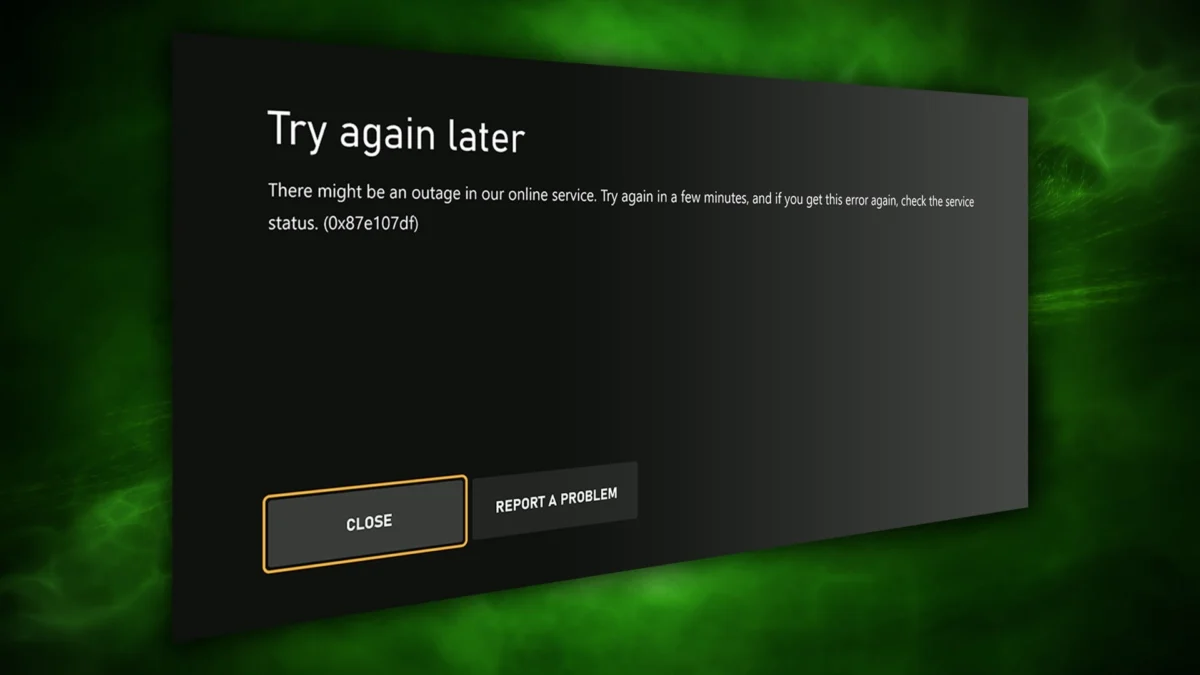
A significant and prolonged outage of Xbox Live servers on July 27 has severely impacted millions of players worldwide, preventing access to both digital and, critically, many physical disc-based games. The disruption, which began early morning UTC and persisted for the majority of the day, has left a vast segment of the Xbox user base unable to play their purchased content, prompting widespread frustration and reigniting debates surrounding digital rights and the inherent vulnerabilities of an increasingly online-dependent gaming ecosystem. The incident underscores the foundational reliance of modern gaming on robust server infrastructure, even for titles traditionally associated with offline play.
Unfolding Crisis: A Chronology of Disruption
The server issues first surfaced in the early hours of July 27, with numerous reports from users across various global regions indicating an inability to launch games, sign into Xbox Live services, or access cloud gaming features. Initial complaints quickly escalated across social media platforms like X (formerly Twitter) and Reddit, where players detailed error messages preventing game launches, even for titles already installed on their consoles. The official Xbox Support channels and the Xbox Status page were soon inundated with inquiries, confirming a widespread operational disruption.
By mid-morning UTC, the Xbox Status page acknowledged "limited services," specifically citing issues with "Signing in" and "Game & app launches." This initial acknowledgment, however, understated the full extent of the problem, as players discovered that even games in Quick Resume – a feature designed to allow instant resumption of gameplay – were failing to load. Efforts to circumvent the problem, such as hard resetting consoles, clearing caches, or attempting to launch games offline, proved largely futile for the majority of affected users. The core issue appeared to lie with the digital rights management (DRM) authentication servers, which verify game ownership upon launch, regardless of whether the game itself requires an active internet connection for gameplay.
Throughout the day, the status page was updated periodically, often reflecting "limited" or "major" outages across multiple critical services, including "Cloud Gaming," "Store & subscriptions," and "Social & gaming." Despite ongoing efforts by Microsoft’s engineering teams, a comprehensive resolution remained elusive for many hours, leading to sustained user discontent. The incident bore similarities to previous, albeit typically shorter, Xbox Live outages, but its prolonged nature and the broad impact on all forms of game access, including physical media, distinguished it as particularly severe.
The Unseen Hand of Digital Rights Management
The most striking aspect of this outage for many players was its impact on physical disc-based games. Traditionally, owning a physical copy of a game provided a degree of immunity from online service disruptions, allowing players to install and play without an internet connection after an initial setup. However, modern gaming consoles, including the Xbox Series X and S, integrate sophisticated DRM systems that often require an online verification check upon a game’s first launch, or periodically thereafter, even for disc-based titles. This mechanism ensures that the game copy is legitimate and licensed to the user’s account, preventing piracy and managing content rights.
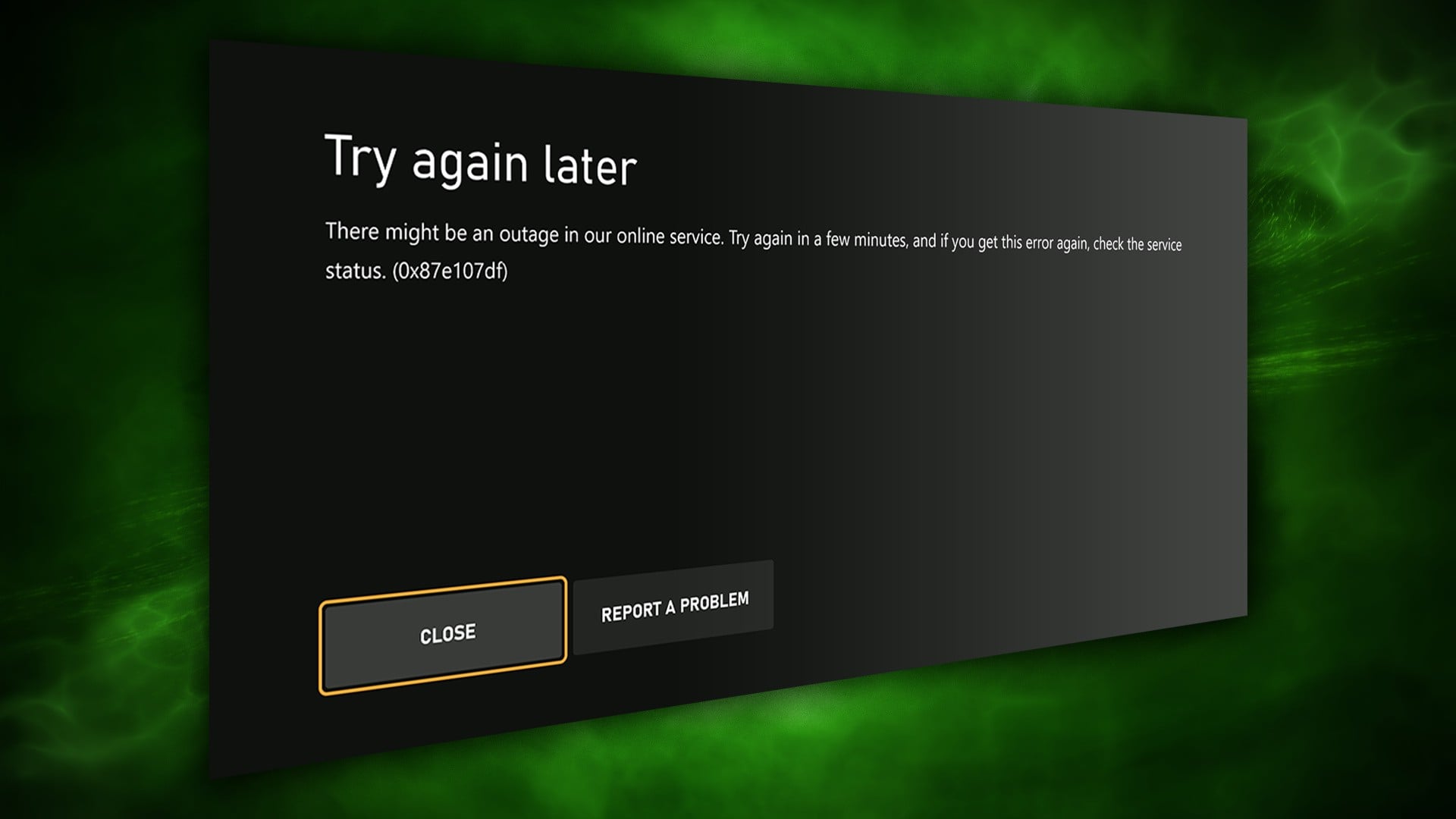
When Xbox Live authentication servers experienced the outage, these essential verification processes failed. Players inserting a physical disc, or attempting to launch an installed disc-based game, were met with error messages indicating an inability to verify ownership or license, effectively rendering their purchased physical media unplayable. This situation profoundly challenged the conventional understanding of "ownership" in the context of modern console gaming, highlighting how even tangible products are now inextricably linked to online digital services. The scenario was particularly dire for owners of the Xbox Series S, Microsoft’s digital-only console, who inherently lack the option of a physical library, placing them entirely at the mercy of server functionality.
Beyond game launches, the outage also crippled access to subscription services like Xbox Game Pass, preventing subscribers from accessing their extensive libraries of included titles. Cloud Gaming, which relies entirely on streaming from remote servers, was naturally non-functional. Even seemingly minor functionalities like accessing the Xbox Store, managing subscriptions, or engaging with friends through social features were compromised, leading to a comprehensive disruption of the Xbox ecosystem.
Broader Context: The Digital Shift and Its Vulnerabilities
The July 27 outage is not an isolated incident but rather a stark reminder of the inherent vulnerabilities in the industry’s accelerating shift towards digital distribution and always-online functionalities. Over the past decade, the gaming industry has seen a dramatic pivot from physical media to digital downloads, driven by convenience, cost efficiencies for publishers, and the rise of subscription models. This transition has led to significant changes in consumer behavior and expectations, but also introduces new points of failure.
Previous major outages, such as those affecting PlayStation Network or Steam, have similarly demonstrated the fragility of these interconnected systems. In March 2021, a significant Xbox Live outage affected millions, primarily impacting sign-in and multiplayer services. Another incident in May 2022 saw similar issues, though none have been as widespread in preventing all game launches, including physical, for such an extended period in recent memory. These events collectively underscore the critical importance of robust, redundant server infrastructure and transparent communication from platform holders.

For consumers, the primary concern revolves around the concept of digital ownership. When a digital game is purchased, the user typically acquires a license to play it, rather than outright ownership of the software itself. This license is validated by the platform’s servers. Outages like this reveal the conditional nature of this license, as access can be revoked or suspended due to external factors beyond the player’s control. The debate over whether consumers truly "own" digital content, or merely rent access to it, is intensified by such incidents.
Microsoft’s Response and User Frustration
Throughout the outage, Microsoft’s Xbox Support team utilized its official X (formerly Twitter) account and the Xbox Status page as primary communication channels. Initial messages acknowledged "issues with some users signing in," gradually expanding to cover game launch problems. The communication typically involved statements like, "We are aware that users may be experiencing issues with game launches and are working to resolve this as quickly as possible. Thank you for your patience." While regular updates were provided, the prolonged nature of the disruption naturally fueled considerable frustration among the player base.
Social media was awash with exasperated gamers, many expressing anger over their inability to access content they had paid for. Memes and discussions questioning the viability of an entirely digital future dominated gaming forums. A small number of users reported limited success with workarounds, such as accessing games through the Xbox for PC app, which for some, allowed games like "Replaced" to boot on a PC or handheld gaming device like the ROG Ally. However, this was not a universal solution and offered no relief for console-specific titles or those without a PC version. The disparity highlighted the platform-specific nature of the outage.
The sentiment on forums often coalesced around a common theme: the expectation that purchased content, especially single-player games, should be accessible offline. The outage served as a stark reminder that even offline-capable games are often tethered to online authentication, creating a single point of failure that can render entire libraries inaccessible.
Implications for the Gaming Industry and Consumer Trust
This widespread Xbox Live outage carries significant implications for both Microsoft and the broader gaming industry. For Microsoft, ensuring the reliability of its online services is paramount, especially as it continues to push its Game Pass subscription service and digital-only hardware like the Xbox Series S. Frequent or prolonged outages can erode consumer trust, potentially deterring future digital purchases or subscription renewals. Investment in server infrastructure, redundancy, and disaster recovery protocols will likely be a renewed focus to mitigate the risk of future disruptions.
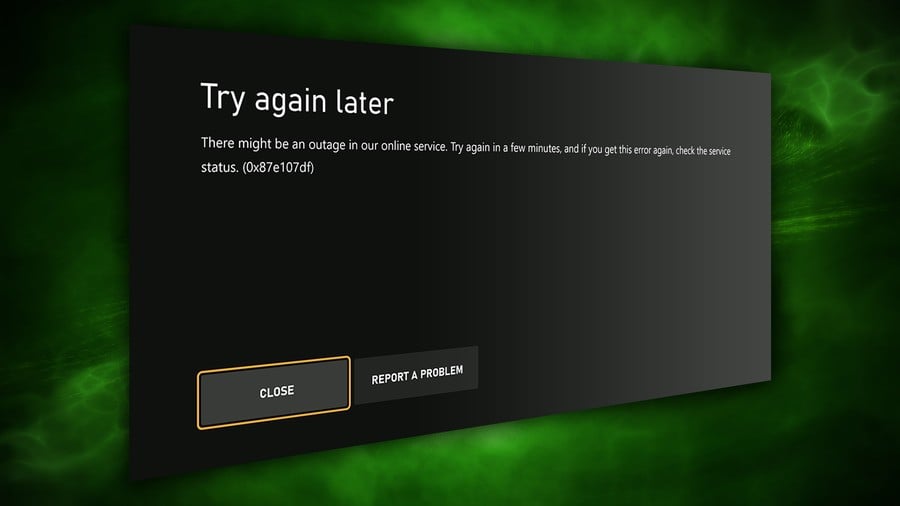
The incident also reignites the critical discussion about digital ownership and consumer rights. As the industry moves towards an increasingly digital future, questions arise about what recourse consumers have when purchased content becomes inaccessible due to platform-side failures. This could prompt greater scrutiny from consumer advocacy groups and potentially lead to calls for industry-wide standards regarding offline playability, digital content preservation, and clearer terms of service regarding access guarantees.
Moreover, the outage provides an inadvertent boost to the ongoing relevance of physical media in some circles. While digital distribution offers convenience, the July 27 event served as a potent illustration of the tangible security that physical discs used to offer, and the lingering desire among some consumers for a form of media ownership that is not entirely dependent on a remote server. This might subtly influence purchasing decisions for some players who prioritize uninterrupted access.
In conclusion, the extensive Xbox server outage on July 27 was a significant event that disrupted gaming for millions globally, highlighting the profound reliance of modern gaming on robust online infrastructure. Beyond the immediate frustration for players, it has intensified long-standing debates about digital ownership, consumer rights, and the delicate balance between convenience and reliability in a digitally dominant world. As Microsoft works to restore full service and prevent future occurrences, the gaming community will be closely watching for assurances that such widespread disruptions become a relic of the past.