


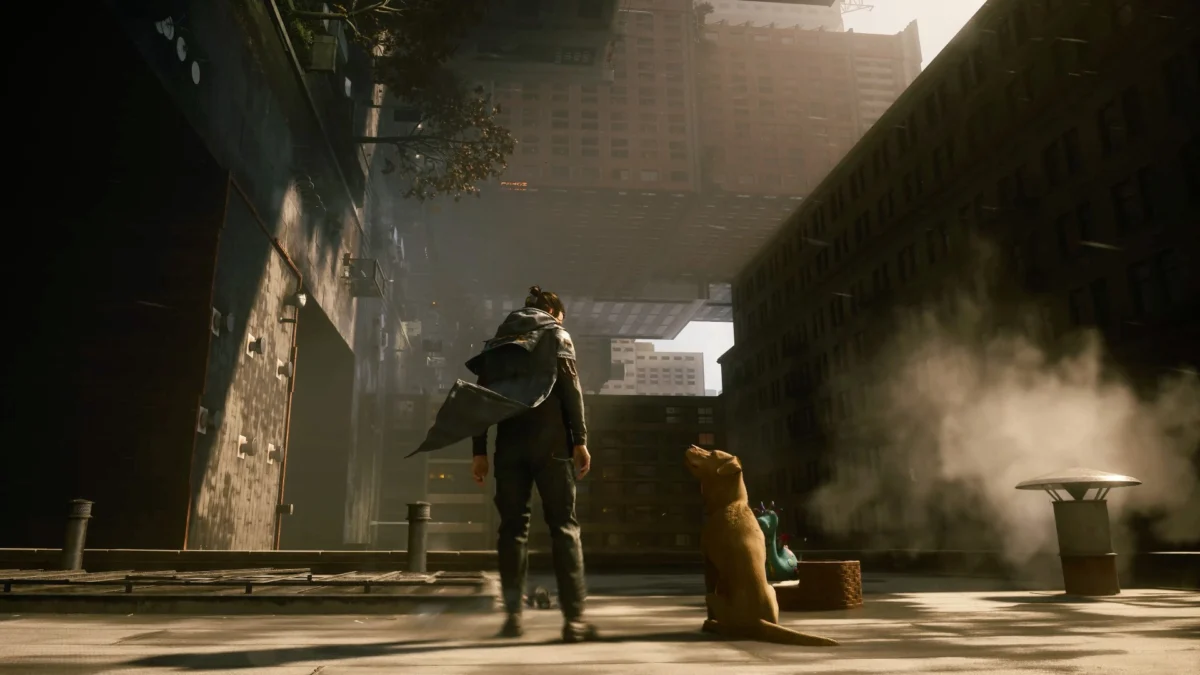
The third weekend of September 2026 marks a pivotal moment for the Xbox ecosystem as Microsoft balances a robust slate of Game Pass additions, a high-profile Tokyo Game Show (TGS) sale, and the critical reception of several major franchise installments. As the industry moves further into the current console generation, the diversity of titles currently being engaged by both critics and consumers reflects a broader strategy of content saturation and legacy preservation. From the supernatural corridors of the latest Remedy Entertainment project to the revitalized battlefields of the Gears of War franchise, the current gaming landscape offers a comprehensive look at how Microsoft is positioning its platform for the final quarter of the fiscal year.
The September Game Pass Surge and Tokyo Game Show Integration
The current deployment of titles on Xbox Game Pass, spanning the window of September 15 to October 6, 2026, represents one of the service’s most aggressive late-third-quarter pushes. This strategy is designed to maintain subscriber momentum following the summer lull and preceding the high-volume holiday release schedule. Data suggests that Microsoft has increasingly relied on "shadow drops" and mid-month refreshes to combat churn rates, a tactic that appears to be yielding results as engagement metrics for the platform remain steady.
Concurrent with these additions is the Tokyo Game Show sale on the Xbox Store. Historically, the Xbox brand has struggled to penetrate the Japanese market; however, the 2026 TGS sale indicates a continued commitment to Eastern developers. With over 25 major titles discounted, including prominent JRPGs and action-adventure games, the sale serves as a bridge for Western audiences to engage with titles that may have previously been overlooked. This initiative is bolstered by the Free Play Days program, which from September 17 to September 20, allows users to trial premium titles at no cost, effectively serving as a high-conversion funnel for the TGS sale.
Technical Analysis of Control Resonant and the Review Landscape
A primary focus for the Xbox community this weekend is the launch and critical evaluation of Control Resonant. Following the expiration of the global review embargo on September 17, initial impressions indicate that the title is a technical showcase for the Xbox Series X hardware. Developed by Remedy Entertainment, Control Resonant continues the narrative established in previous installments while introducing a more complex "Resonant" mechanic that leverages the console’s high-speed SSD for instantaneous environment shifting.
Early reports from staff writers and industry analysts suggest that while the primary narrative can be completed within a standard 20-hour window, the depth of side content and environmental storytelling necessitates a much longer engagement. The "mop up" phase—where players return to complete missed missions—is proving to be a significant driver of player retention. From a technical standpoint, the game utilizes an updated Northlight Engine, featuring advanced ray-tracing global illumination and a highly stable 60 frames-per-second performance mode, which has become the expected standard for AAA releases in 2026.
The Revival of Onimusha and the Appeal of Legacy Mechanics
The resurgence of the Onimusha franchise with Onimusha: Way of the Sword represents a broader industry trend of reviving dormant intellectual properties with modern fidelity. Centered around the iconic figure of Musashi Miyamoto, the title has been described as a "banger" by early adopters, citing its refined combat mechanics and cinematic presentation. This release is particularly notable for how it balances traditional hack-and-slash elements with the "Souls-like" precision that has dominated the action genre over the last decade.

The success of Onimusha: Way of the Sword on Xbox highlights the platform’s ability to host diverse gameplay styles. For players who find the complexity of modern RPGs overwhelming, the focused, high-intensity combat of Onimusha provides a palatable alternative. The inclusion of legendary historical figures adds a layer of cultural resonance that has performed well across both domestic and international markets.
Iterative Improvements in Annual Sports Franchises: NHL 27
Electronic Arts’ release of NHL 27 continues to be a point of discussion within the Xbox community. While annual sports titles often face criticism for incremental rather than revolutionary changes, NHL 27 has seen a shift in player behavior. Many users are gravitating toward the offline experience, citing a more balanced and rewarding progression system compared to the often volatile nature of online competitive play.
Analysts note that the "Superstar" difficulty setting in NHL 27 has been tuned to be more accessible, which has elicited a mixed response from the hardcore simulation community. However, this move appears to be a calculated effort by EA to broaden the game’s appeal to casual fans. The offline "Franchise Mode" remains the cornerstone of the title’s longevity, offering a deep management simulation that keeps players engaged throughout the professional hockey season.
Legacy Content and the Road to Gears of War: E-Day
The Xbox ecosystem is currently experiencing a "Gears of War" renaissance, largely driven by the availability of Gears of War: Reloaded. This remastered collection is being used as a strategic primer for the upcoming release of Gears of War: E-Day. For many players, including long-time platform enthusiasts who may have missed the franchise’s initial peak, Reloaded offers a modernized entry point into the lore of Marcus Fenix and the Locust War.
The Gears of War franchise has remained a pillar of the Xbox brand for two decades. The current surge in playtime for the older titles suggests that Microsoft’s strategy of leveraging nostalgia—while updating visuals and controls for modern standards—is an effective way to build hype for new installments. E-Day is positioned as a return to the franchise’s horror-inspired roots, and the high engagement with Reloaded this weekend serves as a barometer for the market’s appetite for the series.
The Steam-to-Console Pipeline: The WARDOGS Phenomenon
A notable outlier in this weekend’s activity is WARDOGS, a title currently available via Steam Early Access but not slated for an Xbox console release until 2028. Despite the four-year wait for a native console version, the game has captured the attention of the Xbox community, with many players opting to engage with it on PC to stay ahead of the curve. WARDOGS is described as a "heart-pounding" cooperative experience that emphasizes team coordination and high-stakes tactical play.
The long development cycle for WARDOGS highlights the shifting timelines in game production. In 2026, five-to-seven-year development cycles have become the norm for ambitious indie and AA titles. The fact that players are willing to engage with the title so early in its lifecycle suggests a high level of confidence in the developer’s vision. It also underscores the importance of the PC-Xbox cross-pollination, where success on Steam often serves as a precursor to a major Game Pass launch years later.

Longevity in the Survival Genre: Valheim’s Continued Relevance
Even amidst a sea of new releases, titles like Valheim continue to occupy significant playtime on Xbox. The survival-crafting game, known for its distinct low-fidelity aesthetic and atmospheric "vibes," remains a staple for players seeking a more meditative experience. The contrast between the "calm melodies" of the game’s soundtrack and the sudden danger of its environment—famously represented by "murderous trees"—creates a unique gameplay loop that has sustained a loyal player base for years.
Valheim’s presence in the "currently playing" lists of 2026 is a testament to the "evergreen" nature of well-designed survival games. Microsoft’s support for such titles through Game Pass has ensured they remain visible to new subscribers, even years after their initial launch.
Broader Impact and Industry Implications
The collective gaming habits observed this weekend reflect a mature console market that prizes variety over singular "blockbuster" dominance. The interplay between high-budget sequels (Control Resonant), revived classics (Onimusha), annual staples (NHL 27), and enduring indies (Valheim) creates a resilient ecosystem.
From a business perspective, the data suggests that Microsoft’s multi-pronged approach—combining a subscription service, aggressive sales, and a focus on backward compatibility—is effectively capturing different segments of the gaming public. The anticipation for future titles like Gears of War: E-Day and WARDOGS indicates that while players are satisfied with current offerings, there is a sustained demand for technological and narrative innovation.
As the weekend concludes, the focus will likely shift to the upcoming October 6 Game Pass milestone, which is expected to introduce another wave of high-profile content. For now, the Xbox platform remains a hub of diverse activity, proving that in 2026, the strength of a gaming ecosystem lies in its ability to offer something for every type of player, whether they are seeking the cutting edge of supernatural thrillers or the nostalgic comfort of a chainsaw-bayonet.