



The digital landscape of Welcome to the Game 3 is not merely a virtual space for exploration and information gathering; it is a treacherous realm where players are relentlessly pursued by a cast of menacing antagonists. This installment of the popular horror simulation game introduces a fresh wave of threats alongside returning adversaries, each with unique mechanics and behaviors designed to test a player’s resourcefulness and nerve. The core premise remains: navigating the dark web to achieve objectives, but the escalating danger from these persistent killers transforms a digital quest into a fight for survival. Players are thrust into a high-stakes environment where every click, every decision, and every moment of inattention can lead to a swift and unforgiving demise. Understanding the intricate patterns and vulnerabilities of these digital predators is paramount to turning the tide and emerging victorious from the shadowy corners of the internet.
Genesis of the Threat: The Evolving Lore of Welcome to the Game
The Welcome to the Game series, developed by Reflect Studios, has carved a niche in the horror genre by immersing players in the visceral fear of being hunted while engaging with the often-unsettling realities of the dark web. The games simulate the experience of an investigative journalist or an individual delving into illicit online activities, only to find themselves targeted by those who operate within these hidden networks. Welcome to the Game 3 builds upon the established lore, intensifying the psychological horror and the strategic complexity. The introduction of new killers, alongside the return of fan-favorite antagonists, signifies an evolution in the game’s design, aiming to provide a more challenging and immersive experience. The persistent nature of these killers means that players are never truly safe, and the game mechanics are finely tuned to create a constant sense of dread and urgency.
Early Game Strategy: Laying the Foundation for Survival
Survival in Welcome to the Game 3 hinges on meticulous preparation during the initial stages of each playthrough. Killers begin their hunt as early as 9:30 PM in normal mode, necessitating a proactive approach from the player. The first hour is critical for establishing a secure operational base and acquiring essential resources. A key early-game strategy involves leveraging the VirtMesh platform for cryptocurrency mining. The acquired digital currency is then vital for purchasing crucial items and upgrades on DarkDrop, a virtual marketplace for digital goods and services.

Simultaneously, players must engage with the A.C.R.S. (an in-game platform for managing requests and reputation) to bolster their in-game reputation and earnings. This is achieved by fulfilling requests, which often involve gathering and selling sensitive video data sourced from the dark web, as well as actively defending against incoming hacking attempts. The ShadowFetch utility plays a pivotal role in this process, allowing players to convert various URLs into accessible MP4 files, a common requirement for fulfilling dark web data requests.
A unique time-sensitive mechanic involves pinging users on specific channels before they reset every half hour. This action effectively saves their requests, providing a fallback option should players need to revisit them later in their playthrough. This foresight and diligent management of in-game resources are not merely optional; they are fundamental to mitigating the immediate and escalating threats posed by the game’s antagonists.
The Pantheon of Peril: A Comprehensive Guide to Welcome to the Game 3 Killers
The true terror of Welcome to the Game 3 lies in its diverse array of persistent killers. Each antagonist presents a unique challenge, demanding specific counter-strategies and a deep understanding of their behavioral patterns.
The Bomb Maker: A Race Against Time
The Bomb Maker, a spiritual successor to the Dollmaker from Welcome to the Game 2, operates on a trigger-based mechanic. This killer only becomes active if a player voluntarily visits their specific website. While not guaranteed to appear in every game session, if encountered, this action initiates a highly visible and time-sensitive countdown timer. Upon activation, players must immediately check their CryptChat. The Bomb Maker will have personally messaged the player with a disarm code. The player then has a mere 90 seconds to locate and neutralize the planted bomb. Failure to do so results in immediate game over.
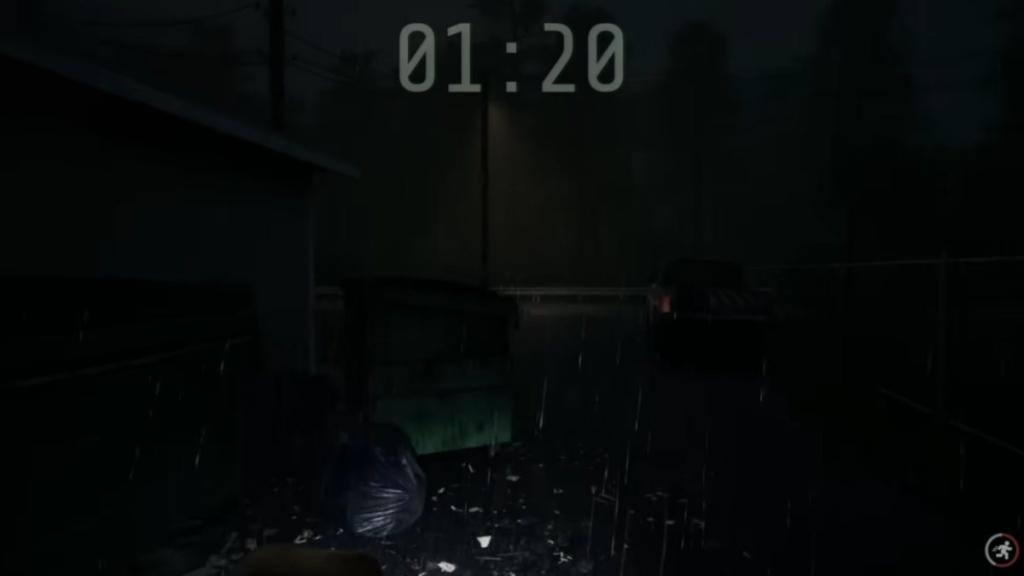
Counter-Strategy: The most effective method to avoid the Bomb Maker entirely is to simply never visit their associated website. This proactive avoidance strategy eliminates the threat before it even materializes.
The Breather: The Stalker of Dead Drops
A recurring threat across multiple Welcome to the Game titles and Dead Signal, the Breather is notorious for its predatory behavior, particularly its obsession with stalking Amazon Prime drones. The Breather’s presence is intrinsically linked to the act of retrieving packages from a specific dead drop location. This location is situated beneath a lit bridge on the far left side of the in-game map, outside the player’s motel.
The Breather becomes active the moment a player attempts to pick up items from this dead drop. Straying too far from the designated path during this process will result in an immediate termination by the Breather. A scripted event occurs upon collecting the DarkDrop packages, during which the Breather spawns and initiates a chase.
Counter-Strategy: Players must ensure their stamina is at its maximum capacity before approaching the dead drop. Upon being chased, the primary objective is to retreat to the safety of the motel. Stepping into the motel’s parking lot acts as a deterrent, causing the Breather to abandon its pursuit.
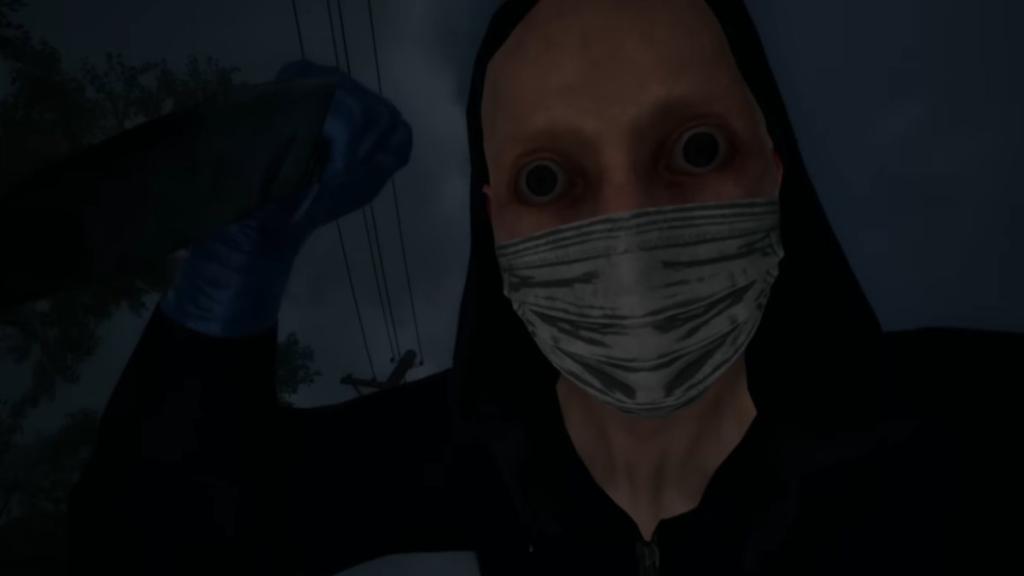
Cletus: The Addicted Enforcer
Cletus presents one of the most unique and demanding gameplay mechanics among the killers in Welcome to the Game 3. His aggression is directly tied to the player’s possession of his required supply: meth. Cletus will only refrain from attacking if the player has his substance readily available.
Players must acquire product from designated motel rooms and around the parking lot at the commencement of each run. When the player’s supply dwindles, they must locate and contact dealers on A.C.R.S. This involves checking their Reputation level and initiating contact via a "PING" action. Successful contact yields a Dealer ID, which is then entered into DAREdash. It is crucial to note that these Dealer IDs do not persist across game saves. Purchasing crystal from these dealers functions similarly to acquiring items from DarkDrop.
Counter-Strategy: Maintaining at least one baggie of meth in the inventory is paramount. However, players should endeavor to carry no more than one at a time. If Cletus encounters a player with multiple baggies, he will confiscate the entire supply, forcing the player to incur additional costs to replenish it. While Cletus will not kill a player with his needed supply, being caught outside without it will result in being forcibly moved into a motel room.
The Kidnapper: The Silent Abductor
The Kidnapper employs the most straightforward, yet potentially the most disruptive, mechanic. This threat escalates significantly when the player experiences power outages or internet disruptions. The Kidnapper patrols the motel’s parking lot, typically operating from a white van.

Counter-Strategy: Players must avoid exiting the motel through either the front or back doors when the white van is present in the parking lot. Doing so will result in immediate abduction. The safest course of action is to remain indoors until the van has departed. Prolonged waiting for the van to leave can increase the likelihood of Noir’s appearance, especially if multiple lights have been switched off to counter Lucas.
Lucas: The Persistent Hitman
Lucas, a staple of the Welcome to the Game franchise since his debut in WTTG2, remains the most consistent and formidable threat. Developed by Reflect Studios, Lucas embodies the quintessential hitman, a constant shadow lurking in the player’s periphery. His primary method of attack involves assassinating the player, Simon, through the back entrances of the main building. While he can engage players outdoors, his preferred approach is through rear access points, including the Electrical Room door, which can be unlocked by the player.
Counter-Strategy: It is imperative to keep all back doors locked from the outset of a game session. These doors should only be unlocked when absolutely necessary, such as for critical tasks like repairing the internet or restoring power. A subtle audio cue signals Lucas unlocking a back door, providing a brief window of opportunity to reach one of two designated hiding spots: the lockers to the far right of the computer terminal or the laundry basket situated to the far left.
Upon reaching a hiding spot, a mini-game initiates. Players must hold and release the spacebar to maintain a moving ring within a band of two concentric, moving dotted rings. The gauge will only begin to deplete once Lucas has departed the immediate vicinity. The conclusion of this hiding mini-game signifies the player’s safety. To mitigate Lucas’s threat, it is advisable to turn off two to three lights at the start of each run and to shut down the computer entirely when Lucas is detected, preventing him from stealing valuable DOS coins.

The strategic deployment of motion sensors is crucial. These devices emit an audible beep and a visual red flash on the computer taskbar when triggered. Installing two motion sensors on the backside of the main building (labeled ALLEY) and positioning them at a considerable distance from the outer doors provides ample warning to turn off lights and seek cover. Players can monitor these sensors via the taskbar icon, allowing for timely evasive maneuvers.
Noir: The Ethereal Duo
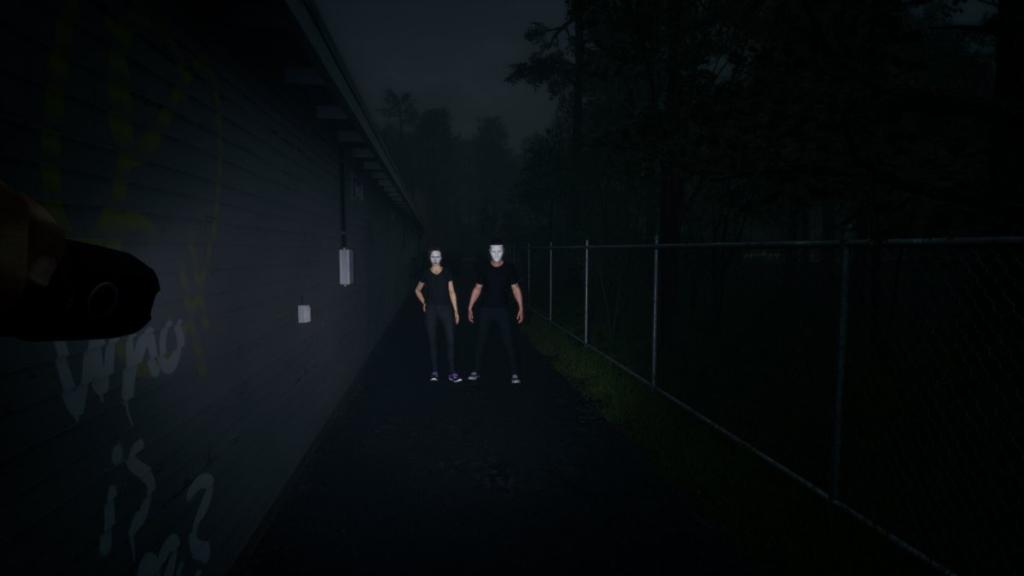
The duo of Noir, recurring antagonists from Dead Signal, return to haunt players in Welcome to the Game 3. Their presence is significantly amplified by the act of keeping lights off, thereby increasing the probability of their spawning. Consequently, addressing power outages becomes an exceptionally perilous undertaking.
Counter-Strategy: When Noir appears outside, players must accurately identify their positions. If the male figure is observed on the left, the player should shine a light in his direction and then avert their gaze for approximately five seconds. This duration increases to ten seconds if the female figure is positioned on the left. It is essential to visually confirm their departure before proceeding.
In other instances, one member of the Noir duo might materialize directly in front of the player while they are operating the computer. In such situations, a brief period of looking away, followed by waiting for a whispered indication of their departure, is the recommended course of action.
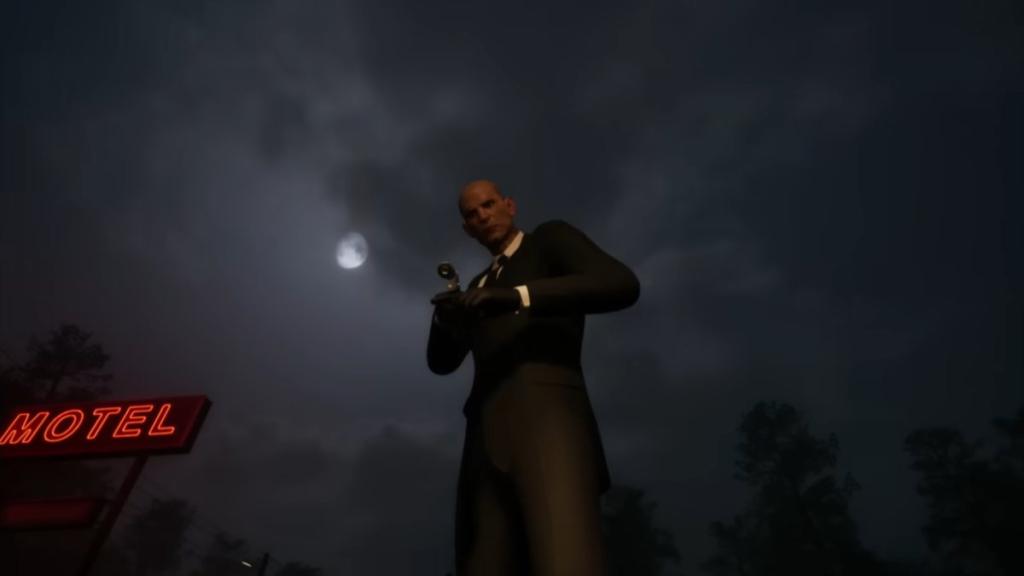
Tanner: The Desperate Addict
Tanner, a character originating from the game Scrutinized, returns with an increased sense of desperation. Tanner’s attacks can manifest in multiple ways, including ambushes within motel rooms or sudden lunges across the counter in the main building.
Counter-Strategy: A panic button, located to the right of the computer terminal, temporarily disables the automatic doors ahead. Precise timing of this button can cause Tanner to approach and potentially collide with the glass doors, thus averting a direct confrontation and the risk of being injected with a lethal dose.
However, players should not solely rely on the panic button, as its overuse can lead to network disruptions, forcing players to venture outside to rectify the issues. Installing cameras offers a means to spot Tanner, although they have a slow deployment time. Alternatively, motion sensors can be strategically placed on the thin pillars at the edge of the motel parking lot, near the road. By clicking on the sensor icon on the taskbar, players can monitor motion detection in specific areas, such as the FRONT_OUTER_LOT, and activate the panic button accordingly.
Similar to other threats, locking the motel doors after entering rooms is a critical security measure. Utilizing the peephole allows players to ascertain Tanner’s proximity. Confirming his presence provides a temporary "cooldown" period, granting players a reprieve to focus on other threats.
Tucker: The Ambush Predator
Tucker’s modus operandi involves ambushing players when they are engaged in tasks outside, particularly when repairing the internet router. The sound of rustling leaves serves as an auditory warning of his approach. This scenario typically occurs while the player is mid-animation, unplugging the router.
Counter-Strategy: When the rustling leaves are detected, the player should remain stationary and await a second rustle, indicating that Tucker has moved away. A different scenario unfolds if music is heard playing from an external speaker. In this situation, players must immediately run into the parking lot and search for an Ace of Spaces playing card affixed to one of the motel doors. Entering the designated door and locking it behind them is crucial. Players must then wait until a triumphant melody signals Tucker’s departure.
Broader Implications: The Psychological Toll of Digital Vigilance
The persistent threat posed by these killers in Welcome to the Game 3 extends beyond mere gameplay mechanics. They serve as a potent metaphor for the anxieties and dangers associated with navigating the unregulated and often perilous spaces of the internet. The constant need for vigilance, the psychological toll of anticipating an attack, and the strategic planning required to outwit these digital adversaries mirror real-world challenges faced by individuals engaging with online environments. The game’s success in fostering a palpable sense of dread and its ability to translate abstract digital threats into concrete, terrifying encounters underscore the evolving landscape of horror in interactive media. Players are not just playing a game; they are actively engaging with a simulated experience of digital paranoia and the relentless pursuit of survival in an unforgiving online ecosystem.