


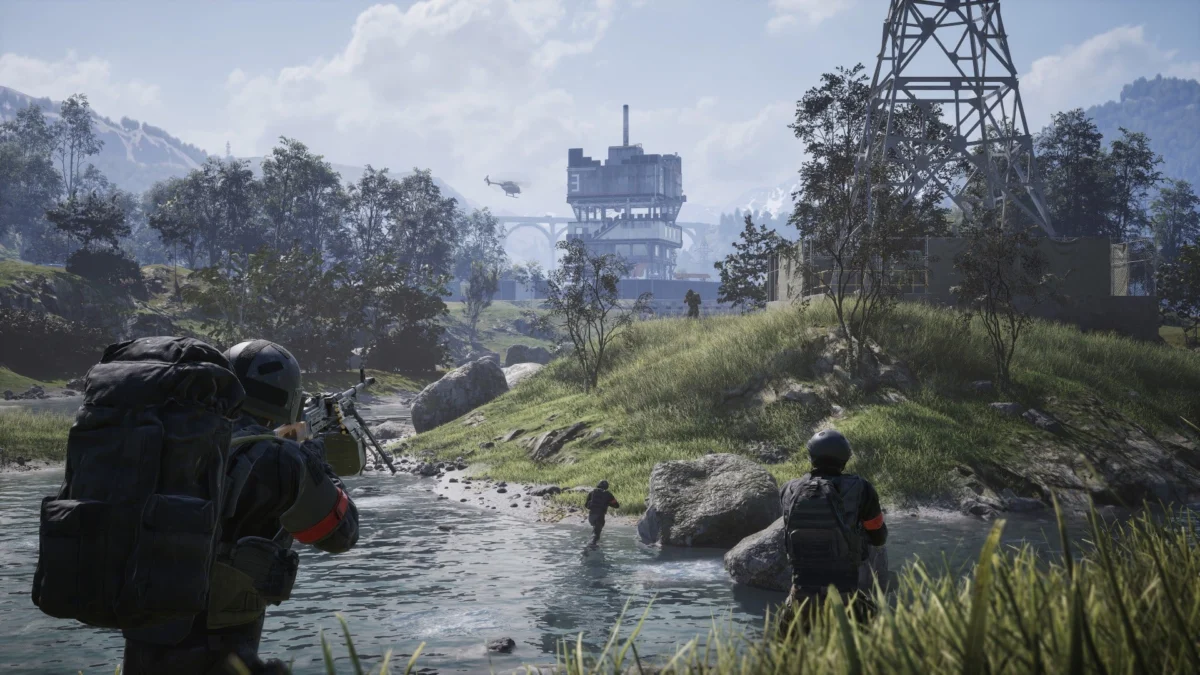
WARDOGS, an anticipated 100-player tactical first-person shooter (FPS), officially entered Steam Early Access today, marking a significant milestone for the title that has garnered considerable attention from the gaming community. The developer has simultaneously unveiled ambitious plans to extend its large-scale, tactical combat experience to Xbox and PlayStation consoles, targeting a release sometime in 2028. This dual announcement highlights a strategic, long-term vision for a game that aims to redefine the competitive landscape of the tactical FPS genre, combining classic gameplay sensibilities with modern scale and complexity.
The journey to Early Access has been punctuated by a robust community engagement strategy, particularly through popular streaming platforms and video content. Prior to its public debut, WARDOGS saw extensive play during closed beta tests, generating a substantial buzz across YouTube and Twitch. Content creators, often seen as crucial gatekeepers of pre-release hype, have been instrumental in showcasing the game’s unique blend of tactical gunplay, vehicular combat, and environmental interaction. This organic marketing through influencer channels has driven significant anticipation, positioning WARDOGS as a title to watch in the increasingly crowded online multiplayer space. The game’s Early Access launch commenced today at 5 PM BST / 4 PM UTC, allowing a broader audience to finally experience what many content creators have been touting.
The Vision: Recapturing the "Good Old Days" of Tactical FPS
At its core, WARDOGS positions itself as an homage to the "good old days" of tactical FPS gaming, a sentiment that resonates deeply with a segment of the gaming population yearning for experiences reminiscent of earlier, less streamlined multiplayer titles. The game explicitly states its intention to let players "play like you used to," implying a focus on intricate mechanics, strategic depth, and community-driven emergent gameplay over simplified, fast-paced action often found in contemporary shooters. This philosophy underpins the entire design framework, from its sprawling battlefields to its emphasis on teamwork and player-driven narratives.
The developer’s vision materializes in a multifaceted battlefield where 100 players are divided among three rival teams, a configuration that inherently introduces dynamic alliances, shifting frontlines, and unpredictable engagements. Unlike traditional two-sided conflicts, a three-way struggle amplifies strategic complexity, forcing teams to consider not only their primary adversaries but also the opportunistic maneuvers of a third party. This setup aims to foster a more fluid and less predictable combat environment, where coordinated pushes can quickly devolve into chaotic free-for-alls, and tactical advantages are fleeting.
Key gameplay elements designed to support this vision include a robust combination of tactical gunplay, diverse vehicles, and comprehensive construction and destruction mechanics. These features collectively empower players with a broad toolkit to influence the battlefield, from fortifying positions and erecting defensive structures to dynamically altering the environment through destruction. This level of player agency is crucial for a game striving to evoke a classic tactical feel, where environmental control and adaptability are paramount. The game is set across three distinct maps, each featuring three variations, promising a diverse range of combat scenarios and strategic challenges that prevent stagnation and encourage mastery.
Community-Driven Hype and Influencer Impact
The pre-Early Access phase of WARDOGS saw an extraordinary level of community engagement, primarily facilitated by prominent gaming content creators. Platforms like YouTube and Twitch became virtual proving grounds, where streamers and video producers showcased early builds of the game, provided impressions, and generated significant discussion. This strategy proved highly effective, converting pre-release access into a powerful marketing tool. Influencers, with their dedicated fan bases, provided authentic, unscripted gameplay that often carries more weight than traditional advertising.
One notable example cited is JackFrags, a well-known YouTube personality celebrated for his in-depth analysis and gameplay of military simulation and FPS titles. His frequent engagement with WARDOGS served as a strong endorsement, drawing his substantial viewership to the game. This phenomenon underscores the evolving landscape of video game marketing, where the endorsement of trusted content creators can significantly amplify a game’s visibility and credibility. The developer’s decision to provide early access to such figures demonstrates an understanding of modern digital marketing strategies, leveraging organic reach and genuine enthusiasm to build a grassroots following.
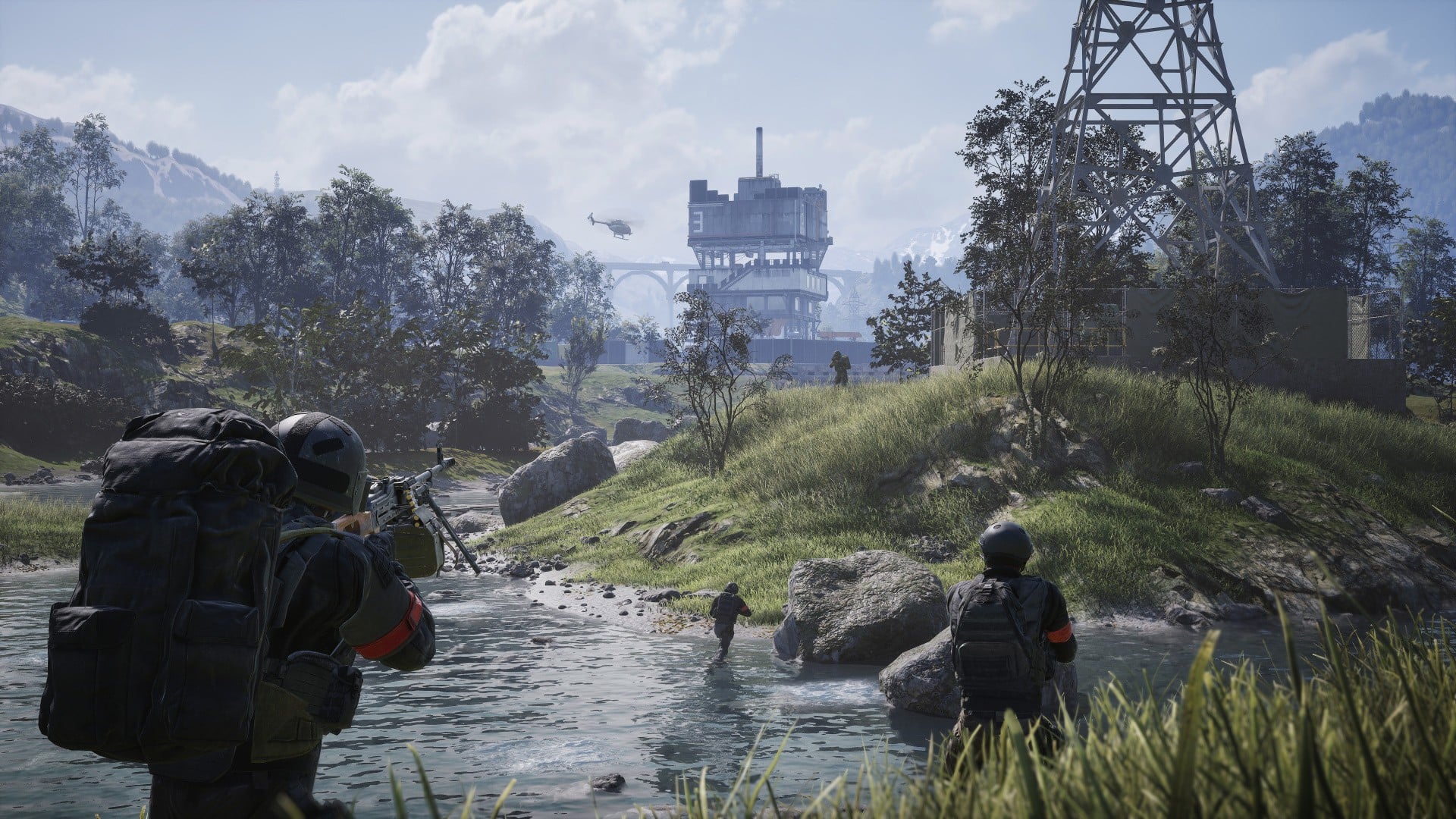
The community’s response, even during closed beta tests, manifested in "thousands of clips, streams and videos" circulating online. These user-generated content pieces serve as compelling evidence of the game’s appeal, showcasing moments of tactical brilliance, unexpected chaos, and humorous interactions arising from the unique gameplay features. This constant stream of community content not only sustains hype but also provides invaluable social proof, demonstrating that WARDOGS delivers on its promise of dynamic and engaging gameplay.
Innovative Gameplay Mechanics: Beyond the Battlefield
WARDOGS distinguishes itself not merely by its 100-player count but by the innovative mechanics designed to foster deep tactical play and emergent social interactions. The local voice chat system, which extends across all three rival teams, is a particularly intriguing feature. In an era where team communication is often siloed, allowing enemies and allies to converse in proximity creates unparalleled opportunities for unpredictable moments, psychological warfare, and even temporary, unspoken truces. This system is a significant contributor to the "thousands of clips" seen online, as it inevitably leads to memorable, often hilarious, and sometimes tense player interactions that transcend typical in-game communication.
Further enhancing the tactical depth is the integrated money economy system. In WARDOGS, "cash is king," and effective teamwork is directly rewarded through this in-game currency. While specific details on how money is acquired and spent are still emerging, the underlying principle is clear: individual prowess is secondary to collective effort. This system is designed to incentivize coordinated play, resource management, and strategic investment, potentially for purchasing weapons, vehicles, or constructing defenses. Such an economy can dramatically alter player behavior, encouraging resource sharing, strategic spending, and a greater reliance on squad-level cooperation, moving away from the lone-wolf mentality often found in other shooters. This focus on economic incentives for teamwork positions WARDOGS as a game where strategic planning and resource management are as crucial as aiming skill.
The destructible environment in the derelict industrial mountains of Eastern Europe further amplifies the strategic layer. Players are not merely fighting on a static map but within a dynamic world that can be shaped and reshaped by their actions. This allows for creative tactical approaches, such as breaching walls, collapsing structures to block enemy advances, or creating new lines of sight. Combined with the construction mechanics, players can fortify positions, build forward operating bases, or establish choke points, adding another dimension to the ebb and flow of battle. The constant potential for environmental change ensures that no two battles will ever play out identically, demanding constant adaptation and strategic thinking from all teams.
The Early Access Model: A Double-Edged Sword
The decision to launch WARDOGS into Steam Early Access today is a common yet strategic move for ambitious multiplayer titles. Early Access provides several critical advantages for developers, particularly those working on large-scale, complex games. Firstly, it allows for iterative development, where player feedback can be directly integrated into the game’s ongoing evolution. This community-driven approach can help refine gameplay mechanics, balance weapons, identify bugs, and shape the overall player experience in ways that internal testing alone cannot achieve. For a game like WARDOGS, with its complex 100-player dynamics and emergent gameplay, real-world player data is invaluable.
Secondly, Early Access often serves as a crucial funding mechanism. Revenue generated during this phase can be reinvested directly into development, supporting a longer, more robust production cycle. This is especially pertinent for independent studios or those seeking to maintain creative control without the immediate pressures of a full retail launch. For WARDOGS, which projects a console release several years down the line, sustained funding from Early Access will be vital for continued expansion and polish.
However, the Early Access model also presents significant challenges and risks. Managing player expectations is paramount; players entering Early Access understand they are buying into an unfinished product, but the line between an "early" build and a "broken" one can be thin. Developers must consistently communicate their roadmap, deliver regular updates, and demonstrate progress to maintain community trust and engagement. Failure to do so can lead to player attrition, negative reviews, and a damaged reputation that can be difficult to recover from, even for a polished final product. For WARDOGS, with its long console development timeline, sustaining momentum and player interest over several years will be a key test.
Market Context: The Enduring Appeal of Tactical and Large-Scale FPS

The gaming market has consistently shown a strong appetite for tactical first-person shooters and large-scale multiplayer experiences. Titles that emphasize realism, strategic depth, and teamwork often cultivate dedicated, long-lasting communities. WARDOGS taps into this enduring appeal by promising a blend of "military simulation" elements with the grand scale of 100-player battles. The desire for experiences that offer more than just twitch reflexes, focusing instead on coordinated efforts and strategic thinking, remains robust.
The success of other large-scale multiplayer games, particularly those with elements of realism or sandbox-style freedom, demonstrates the viability of WARDOGS’ core concept. However, sustaining a 100-player community is a significant technical and design challenge. Server infrastructure, netcode optimization, and content pipelines must be robust enough to support such a large player count while maintaining a smooth and engaging experience. The sheer logistical complexity of balancing three teams, managing diverse gameplay mechanics, and ensuring fair play for so many participants requires exceptional development prowess.
WARDOGS’ entry into this market signifies a potential disruption. By aiming to recapture a specific "feel" while simultaneously pushing boundaries with player count and emergent systems, it seeks to carve out a unique niche. Its success will depend not only on its technical execution but also on its ability to foster a vibrant, engaged community willing to grow with the game through its extended development cycle.
The Long Road to Console: A 2028 Vision
Perhaps one of the most striking aspects of the WARDOGS announcement is the projected 2028 console release window for Xbox and PlayStation. This lengthy timeline, extending several years beyond its PC Early Access launch, is highly unusual in an industry often characterized by rapid iteration and shorter development cycles. This strategic decision carries both potential benefits and significant implications.
From a development perspective, a 2028 console target provides the development team with ample time to fully realize their vision on PC, refine all core mechanics, build out extensive content, and thoroughly optimize the game. This extended period allows for a more polished and feature-rich console launch, avoiding the pitfalls of rushed ports that often plague cross-platform titles. The lessons learned, and the community feedback gathered during the multi-year PC Early Access phase, can be directly applied to ensure the console versions are of the highest quality. This could also mean that the console version, when it arrives, will be a much more complete and stable product, benefiting from years of PC player input and refinement.
However, such a long lead time also presents considerable challenges. Maintaining player interest and hype for a game that is years away from its console debut will require exceptional communication and a consistent flow of updates. The gaming landscape evolves rapidly; what is innovative or desirable today might be commonplace or outdated by 2028. The developer must navigate technological advancements, shifting player preferences, and the emergence of new competitors to ensure WARDOGS remains relevant and exciting upon its eventual console arrival. Furthermore, managing the technical demands of a 100-player game on console hardware, which will likely be next-generation by 2028, will require careful planning and optimization. The fidelity and performance expectations of console players are high, and meeting them for such a large-scale title will be a significant engineering feat.
Conclusion: A Promising, Ambitious Endeavor
WARDOGS enters the fray of online multiplayer gaming with a bold vision and a clear roadmap. Its commitment to large-scale tactical warfare, combined with innovative mechanics like cross-team voice chat and a teamwork-focused economy, positions it as a potentially refreshing entry in the FPS genre. The strong initial community engagement, fueled by influencer support, provides a solid foundation for its Early Access journey.
The ambitious long-term plan, culminating in a 2028 console release, speaks to a developer confident in their vision and willing to invest the necessary time to achieve it. While the Early Access model presents both opportunities and challenges, WARDOGS’ emphasis on community feedback and iterative development suggests a commitment to evolving the game in response to its player base. As players dive into the derelict industrial mountains of Eastern Europe today, the true test of WARDOGS’ potential will lie in its ability to consistently deliver on its promise of dynamic, tactical, and memorable 100-player battles, setting the stage for what could be a significant entry in the next generation of console gaming.