


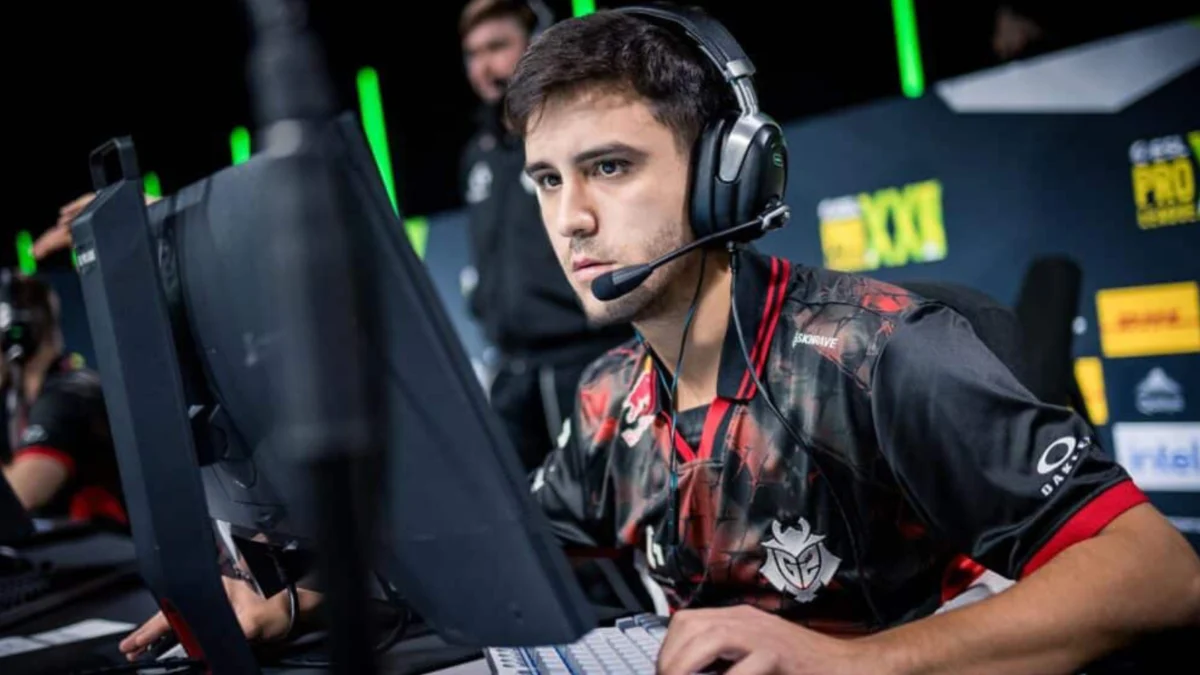
Valve, the influential game developer behind the immensely popular Counter-Strike 2 (CS2), has significantly escalated its efforts to curb the proliferation of unregulated skin gambling, trading, and case opening services within the professional esports ecosystem. A recent update to the company’s Tournament Operation Requirements and Limited Game Tournament License, effective December 9, 2025, introduces stringent new rules that effectively prohibit Counter-Strike 2 esports teams from leveraging these controversial entities as sponsors. This sweeping policy change marks a pivotal moment in the ongoing saga of the game’s vibrant, yet often scrutinized, virtual economy, signaling a concerted push by Valve to distance its flagship esports title from activities that have increasingly drawn regulatory and public concern.
The intricate and lucrative in-game economy of Counter-Strike, a core component of its enduring appeal beyond its tactical, round-based gameplay, has long been a significant draw for players and investors alike. The allure of rare weapon skins, with some items fetching astronomical prices – reportedly reaching tens of thousands of dollars and even exceeding the seven-figure mark for exceptionally rare pieces – has fueled the growth of a parallel industry. This ecosystem includes a multitude of skin trading platforms and, more controversially, numerous gambling sites that utilize these virtual items as currency. For years, these services have operated in a somewhat gray area, often sponsoring professional teams and players, and integrating their branding into the very fabric of the esports scene, including team jerseys and tournament broadcasts.
However, Valve’s stance has demonstrably shifted. In recent years, the company has been increasingly vocal and active in its efforts to minimize the influence and visibility of these unregulated services. This internal push by Valve has been complemented by external pressures, most notably from major platforms like YouTube, which has also implemented its own measures to restrict the promotion of CS2 skin gambling advertisements on its service. The latest directive from Valve, however, represents the most direct and impactful intervention to date, directly targeting the financial and promotional avenues available to these services within the professional CS2 circuit.
CS2 Esports Teams Barred from Promoting Skin Gambling Sponsors
The newly enacted rules, first brought to light by the esports news outlet Dust2.us, impose significant restrictions on what can be displayed or promoted during official Counter-Strike 2 tournaments. The updated language within Valve’s Tournament Operation Requirements and Limited Game Tournament License is unequivocal: case opening sites, alongside skin trading and gambling platforms, are now forbidden from being advertised in any capacity. This prohibition extends to all forms of visible content during official broadcasts, crucially including the prominent display of logos and branding on team jerseys.
Tournament organizers are now mandated by Valve to "not distribute or display, including on team jerseys or in any other content that may be visible during the broadcast, any content or material that either violates Valve IP or the terms of the Steam Subscriber Agreement." This clause is designed to ensure that all sponsored content and branding aligns with Valve’s intellectual property guidelines and the overarching terms of service governing the Steam platform, effectively shutting the door on the previously common practice of teams associating with skin gambling and trading entities.
The implications of this rule change are far-reaching, given the substantial presence of such sponsors within the professional Counter-Strike 2 scene. A significant number of top-tier CS2 teams have historically relied on funding from these very services. For instance, at the time of this announcement, a notable proportion of the world’s leading ranked teams are directly impacted by this new policy. Vitality, a prominent European esports organization, has Skin.Club as a sponsor, with its logo visible on team apparel. Similarly, MOUZ has been associated with G4Skins, and The MongolZ has partnered with CSGOSKINS, with these brands also prominently featured on their respective team jerseys.
A Chronology of Valve’s Growing Scrutiny
Valve’s evolving approach to the Counter-Strike skin economy and its associated third-party services can be traced over several years, marked by a series of actions and statements that indicate a progressive tightening of controls.
-
Early Years (Pre-2016): The skin trading and case opening mechanics were largely uninhibited. Players could freely trade items on the Steam Community Market, and third-party sites began to emerge, facilitating more complex trading and eventually, the concept of "case opening" as a form of virtual gambling. Valve’s initial stance was largely hands-off, focusing on the game’s core development.
-
Mid-2010s (Circa 2016): Growing concerns about the unregulated nature of skin gambling, particularly its potential impact on younger audiences and the association with real-world money laundering, began to surface. In response, Valve made changes to the Steam API, limiting the functionality of some third-party trading bots. This was a subtle but significant step towards acknowledging the issues at play.
-
Late 2010s and Early 2020s: Valve continued to implement incremental changes, often through Steam Subscriber Agreement updates, aimed at clarifying terms of service and discouraging certain types of third-party activity. The company began to emphasize that the virtual items were intended for in-game use and not as financial instruments for gambling. However, direct bans on specific types of sponsorships for professional teams were not yet in place.
-
2022-2023: The regulatory landscape surrounding online gambling, including the use of virtual items, intensified globally. Several countries began investigating or implementing stricter rules for esports and gaming-related gambling. This external pressure likely contributed to Valve’s decision to take a more proactive stance. YouTube’s crackdown on skin gambling ads in this period also signaled a broader trend across major online platforms.
-
December 2025: The current announcement marks a decisive escalation. Valve’s updated Tournament Operation Requirements and Limited Game Tournament License represent a formal, policy-driven prohibition on these types of sponsorships within the professional Counter-Strike 2 competitive circuit. This move is the most direct and comprehensive measure taken by Valve to date to address the persistent issue of unregulated skin gambling and trading affiliations.
Supporting Data and the Economic Landscape
The economic significance of Counter-Strike’s skin market cannot be overstated. While exact figures for the total value of skins traded or gambled are difficult to ascertain due to the decentralized nature of many third-party sites, industry estimates and public data from platforms like Steam provide some insight. The Steam Community Market alone facilitates billions of dollars in transactions annually for virtual items across all games, with Counter-Strike skins representing a substantial portion.

The value of individual skins can fluctuate wildly based on rarity, wear, and demand. For example, certain AWP skins, like the Dragon Lore, have historically commanded prices in the tens of thousands of dollars. More recently, the emergence of "Contraband" rarity items, coupled with specific patterns and finishes, has pushed the value of some ultra-rare skins into the six and even seven-figure range. This high-stakes environment directly fuels the appeal of gambling sites, where players can deposit skins or other virtual currency to try their luck at obtaining rare items or winning large sums.
The prevalence of these sponsors is not anecdotal. An analysis of prominent CS2 teams prior to this ruling revealed that a significant percentage of their sponsorship revenue was derived from skin trading, case opening, or gambling platforms. This financial dependence made it challenging for teams to voluntarily divest from such partnerships. Valve’s new rules force this divestment, potentially creating a significant revenue gap for affected organizations and prompting a strategic re-evaluation of their sponsorship models.
Official Responses and Inferred Reactions
While Valve has not issued a detailed public statement beyond the updated documentation, the implications of their decision are clear. The company’s action reflects a broader trend within the gaming industry towards greater corporate responsibility and a desire to distance major esports titles from activities that carry regulatory risks and ethical concerns.
-
Valve’s Position (Inferred): The decision is likely driven by a combination of factors: increasing regulatory scrutiny worldwide concerning loot boxes and virtual item gambling, a desire to protect the integrity and image of Counter-Strike 2 as a legitimate esport, and a potential concern about the long-term sustainability and public perception of a game heavily intertwined with unregulated gambling. By issuing these rules, Valve asserts its control over the professional ecosystem and signals a commitment to a more regulated and responsible environment.
-
Team and Player Reactions (Inferred): The immediate impact on professional teams is significant. Organizations that relied heavily on these sponsors will need to actively seek out new revenue streams. This could involve attracting sponsors from more traditional industries, increasing merchandise sales, or exploring new forms of fan engagement. Some teams may have anticipated this move. As reported by HLTV, some teams had already begun to swap for non-sponsored jerseys ahead of major events like the Starladder Budapest Major 2025, suggesting they received an early warning or were proactively preparing for such a policy change. Star players, who often have individual sponsorship deals with these platforms, will also need to re-evaluate their partnerships.
-
Third-Party Site Reactions (Inferred): The skin gambling and trading sites themselves will undoubtedly face a significant blow. Their primary avenue for marketing and user acquisition within the professional CS2 scene has been severed. This could lead to a decline in their visibility, user base, and ultimately, their profitability. Some sites may attempt to pivot their marketing strategies or focus on less regulated regions, while others may struggle to survive without the prominent association with top-tier esports.
Broader Impact and Future Implications
Valve’s decision to ban sponsorships from skin gambling and trading services has several profound implications for the future of Counter-Strike 2 esports:
-
Increased Sponsorship Diversity: The vacuum left by these controversial sponsors will necessitate a diversification of the esports sponsorship landscape. This could lead to an influx of sponsors from more conventional sectors, such as technology, apparel, energy drinks, and even financial services that operate within regulatory frameworks. This shift could ultimately lead to a more stable and broadly appealing sponsorship model for CS2 esports.
-
Enhanced Esports Integrity: By severing ties with unregulated gambling operations, Valve is making a strong statement about the integrity of its esport. This move aims to reduce the perception of conflict of interest and ensure that competitive integrity is not compromised by the influence of entities that profit from chance and speculation.
-
Potential for Regulatory Alignment: Valve’s proactive stance might also serve as a model for other game developers and esports organizations grappling with similar sponsorship challenges. It could influence how regulatory bodies approach the complex issue of virtual item economies and their intersection with gambling.
-
Economic Restructuring for Teams: The financial model for many CS2 teams will undergo a significant restructuring. Teams that were heavily reliant on these specific sponsorships will need to adapt quickly. This could lead to a period of consolidation or a shift in the competitive balance as teams with more diversified financial structures gain an advantage.
-
Player Agency and Risk: For players, this means navigating a landscape where a lucrative, albeit risky, sponsorship avenue has been closed off. They will need to exercise greater caution and diligence when selecting future sponsors, ensuring alignment with their personal brand and the broader values of the esports community.
In conclusion, Valve’s stringent new sponsorship rules represent a significant and deliberate effort to reshape the financial and promotional ecosystem of Counter-Strike 2 esports. By barring associations with skin gambling, trading, and case opening services, the company is not only responding to growing concerns about unregulated virtual economies but also actively working to safeguard the integrity and public perception of its flagship competitive title. This move is poised to catalyze a period of significant change, forcing teams and the broader esports industry to adapt to a new era of sponsorship and potentially usher in a more mature and sustainable future for professional Counter-Strike 2.