


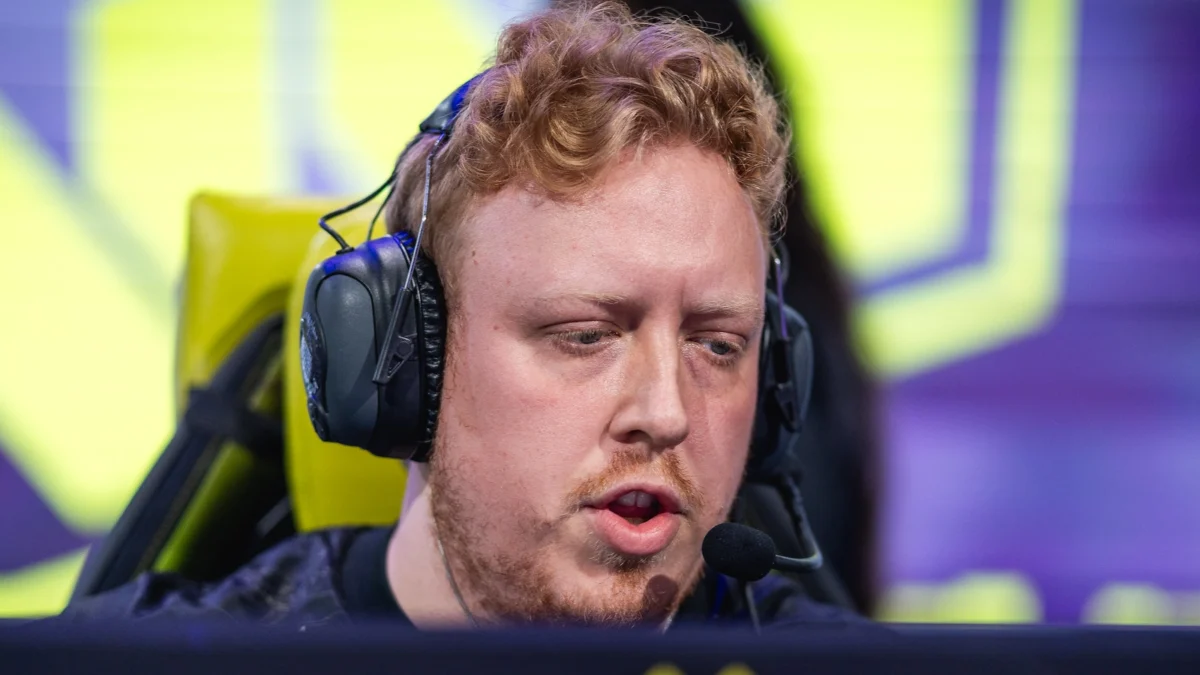
The controversy erupted after clips of the broadcast, featuring Svarenieks and former Fnatic player Leo "Leo" Jannesson, circulated widely across social media platforms. These clips prompted immediate criticism from various members of the Valorant community, sparking calls for responses from both Riot Games, the publisher of Valorant, and NAVI, Svarenieks’ associated organization. The incident highlights the ongoing importance of fostering inclusive environments within esports and the scrutiny that public figures face regarding their commentary on sensitive social issues.
The "Bumblebee" Controversy and Allegations of Transphobia
During a co-stream of the Valorant Champions Tour (VCT) Game Changers event, a competition specifically designed to provide a platform for women and gender-diverse individuals in esports, Svarenieks and Jannesson reportedly used the term "Bumblebees" to refer to certain players. Many viewers interpreted this term as a derogatory and transphobic reference to transgender competitors within the league.
Further compounding the issue, Svarenieks was quoted during the stream expressing concern about potential repercussions: "I don’t want to get banned, but we need a nickname for them, bro." He then allegedly made a remark suggesting he could change genders himself to compete in the league, a statement widely perceived as mocking and dismissive of transgender identities.
The use of such language immediately drew condemnation from a significant portion of the Valorant community. Many fans and commentators accused the pair of perpetuating harmful stereotypes and urged Riot Games to take disciplinary action, including the potential removal of Svarenieks and Jannesson from future Game Changers broadcasts. The timing of these comments is particularly sensitive, occurring within the context of a tournament series dedicated to promoting inclusivity and addressing historical underrepresentation in the esports landscape.
Ardiis’s Apology and Previous Defenses
In the wake of the widespread criticism, Svarenieks took to X (formerly Twitter) to post a public apology. The statement read: "Hey everyone, The comments I made on stream about the transgender community were unacceptable. Even for me it was too much. I’m so sorry to everyone I offended; it won’t happen again. Peace and love to everyone."
However, the sincerity of this apology has been questioned by some, given Svarenieks’s prior statements and behavior captured in other stream clips. Before issuing the formal apology, Svarenieks had reportedly defended his remarks on stream, claiming that he had received private messages from women thanking him for "speaking out" and asserting that he was drawing more attention to the Game Changers scene.
"Do you know how many women have messaged me saying ‘I can’t go public, but thank you’? Minimum five. I’m the only one putting eyes on the Game Changers scene," he was quoted as saying, implying that his controversial commentary was somehow beneficial to the league.
Furthermore, in another clip that has drawn significant ire, Svarenieks articulated a belief that individuals with a "normal upbringing" cannot be transgender. He stated, "I think if [you have] a normal upbringing, with a good family tree, and you’re a loving mother and daughter with no family trauma, trans is not an option. I think trans in this community happens if you have like some trauma in your childhood, or maybe you have like an abusive father or abusive mother, or some sh*t like this. Then you feel alone as a child, you go into a community online that is this trans, whatever community. They accept you, they mold you, they say ‘oh we love you, we do this, you’re not really a boy who’s 10 years old, you’re really called Amelia.’" These statements have been widely interpreted as deeply harmful and misinformed, suggesting a link between trauma and transgender identity, and invalidating the experiences of transgender individuals.
Adding to the skepticism surrounding his apology, other stream clips have emerged showing Svarenieks appearing to smirk and question the need for an apology while composing his statement, asking, "what do I say sorry for, genuinely?" This perceived insincerity has further fueled the debate and dissatisfaction within the community.
Background and Context of VCT Game Changers
The VCT Game Changers initiative was launched by Riot Games in 2021 as a crucial step towards fostering a more equitable and inclusive competitive landscape in Valorant esports. The program’s official rulebook, specifically the 2026 iteration, clearly outlines eligibility criteria, stating that participants must identify as women or gender diverse. The primary objective of Game Changers is to create dedicated opportunities and enhance visibility for women and other marginalized genders who have historically faced significant barriers to entry and advancement in the male-dominated esports industry.
The competition aims to provide a professional pathway and a competitive stage for these players, thereby contributing to a more diverse and representative esports ecosystem. The controversy surrounding Svarenieks’s comments directly challenges the ethos and purpose of this initiative, raising concerns about the potential for harassment and discrimination within the very spaces designed for inclusion.
Broader Implications for Esports and Online Communities
The incident involving Ardiis and Leo Jannesson underscores a persistent challenge within the esports and online gaming communities: the need to address and eradicate transphobic and discriminatory language. While Svarenieks’s apology represents a step towards accountability, the preceding justifications and the perceived insincerity have left many questioning the depth of his understanding and commitment to inclusivity.
The reactions from the community highlight a growing intolerance for such rhetoric. Calls for action from organizations like Riot Games and NAVI are not merely about punishing individuals but about setting clear standards for conduct and reinforcing the commitment to safe and welcoming environments for all players and viewers.
The implications extend beyond just the VCT Game Changers. The widespread nature of online streaming means that public figures in esports have a significant platform, and their words can have a far-reaching impact. This incident serves as a reminder of the responsibility that comes with such influence and the importance of educating oneself and others on issues of diversity, equity, and inclusion.
Riot Games, as the governing body for the VCT, faces pressure to not only investigate the incident thoroughly but also to communicate its stance and any potential disciplinary measures clearly. The esports community will be watching to see how the publisher responds, as its actions will set a precedent for how such instances of alleged prejudice are handled in the future. For organizations like NAVI, the situation presents an opportunity to reaffirm their values and demonstrate a commitment to fostering a positive and inclusive culture for their streamers and players. The long-term impact of this controversy may hinge on the collective response of these key stakeholders and the ongoing dialogue about creating a truly welcoming esports environment.