


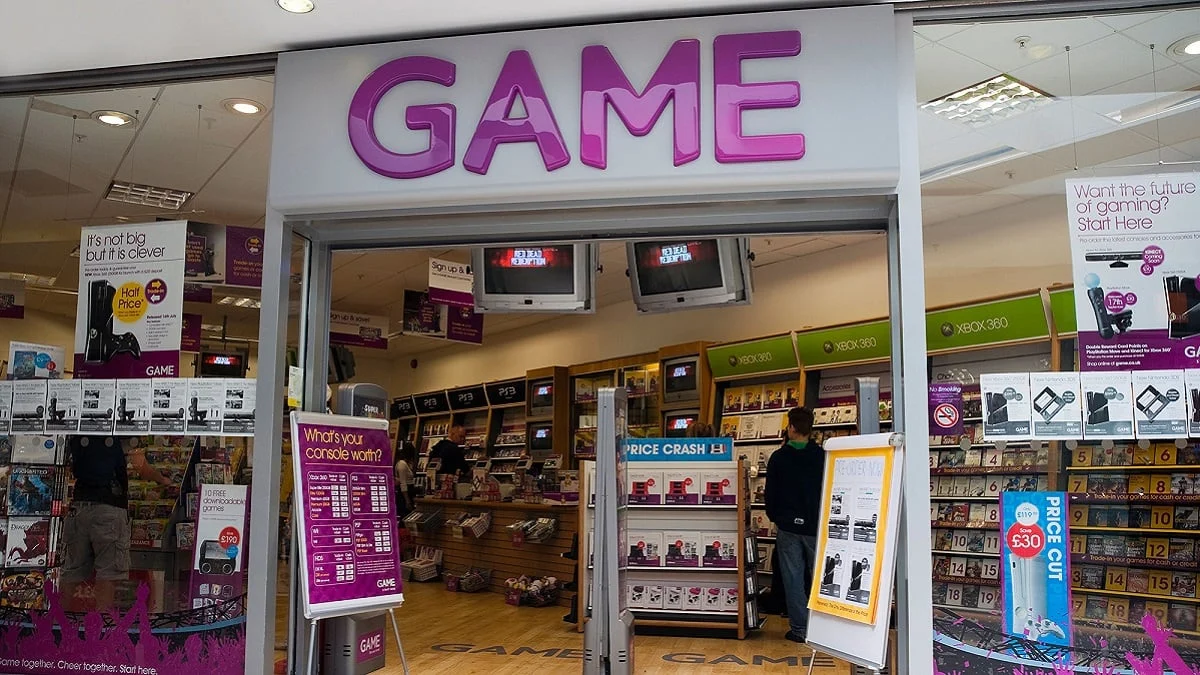
The landscape of the video game industry continues to be defined by an unsettling wave of redundancies and studio closures, a trend that has cast a long shadow over the past year. In the United Kingdom, the prominent retail chain GAME is now reportedly informing its staff of potential layoffs, signaling further disruption within the sector. This development follows a significant shift in employment practices, with many workers allegedly being transitioned to zero-hours contracts, a move that offers no guaranteed weekly or monthly work allocation.
Anonymous sources, speaking to Eurogamer, have indicated that employees have been alerted to the possibility of redundancies. While no official statement has been released by GAME at the time of reporting, the information shared suggests a company-wide restructuring of its workforce. This proactive communication to staff, even in the absence of formal confirmation, points to significant changes on the horizon for the long-standing retailer. The transition to zero-hours contracts, affecting non-managerial staff, means that individuals will be notified of their employment status through direct communication via phone or email, a process that is likely to generate considerable uncertainty and anxiety among the affected workforce. Eurogamer has reached out to GAME for an official comment on these reports.
A Shifting Retail Paradigm: The Decline of Physical Game Stores
GAME, once a cornerstone of the UK gaming community, has a history stretching back to 1992. For decades, it served as a primary destination for gamers seeking the latest releases, hardware, and a vibrant physical retail experience. With over 250 outlets strategically located across the nation, GAME played a crucial role in the distribution and accessibility of video games, fostering a sense of community among its patrons. The stores were more than just points of sale; they were hubs where enthusiasts could browse, discuss, and connect over their shared passion for gaming.
However, the inexorable march of digital distribution has fundamentally altered the retail environment for physical media. The convenience and immediacy offered by digital storefronts, coupled with the declining cost of digital storage and the increasing prevalence of high-speed internet, have significantly eroded the market share of brick-and-mortar game retailers. This seismic shift has put immense pressure on businesses like GAME, forcing them to adapt or face obsolescence.
The financial struggles of GAME have not gone unnoticed. In 2019, the company was acquired by the Frasers Group, a British retail conglomerate perhaps more widely known for its flagship brand, Sports Direct. This acquisition marked a significant moment for GAME, signaling a potential attempt to revitalize the struggling chain under new ownership and leverage the broader retail expertise of the Frasers Group. Despite this intervention, the challenges persisted. Earlier this year, further news emerged that GAME would be discontinuing its popular trade-in service. This decision, likely driven by evolving business economics and the declining profitability of physical resale markets, represented another strategic pivot away from traditional revenue streams and a further departure from services that had long been a draw for customers.
The Broader Context: Industry-Wide Tribulations
The reported issues at GAME are not isolated incidents but rather symptomatic of a wider malaise affecting the global video game industry. The past year has been marked by a sobering number of high-profile studio closures and significant layoffs across major publishers and developers. Companies that were once seen as titans of the industry have undergone substantial workforce reductions, citing factors such as the winding down of post-pandemic growth, the escalating costs of game development, and a more cautious investment climate.
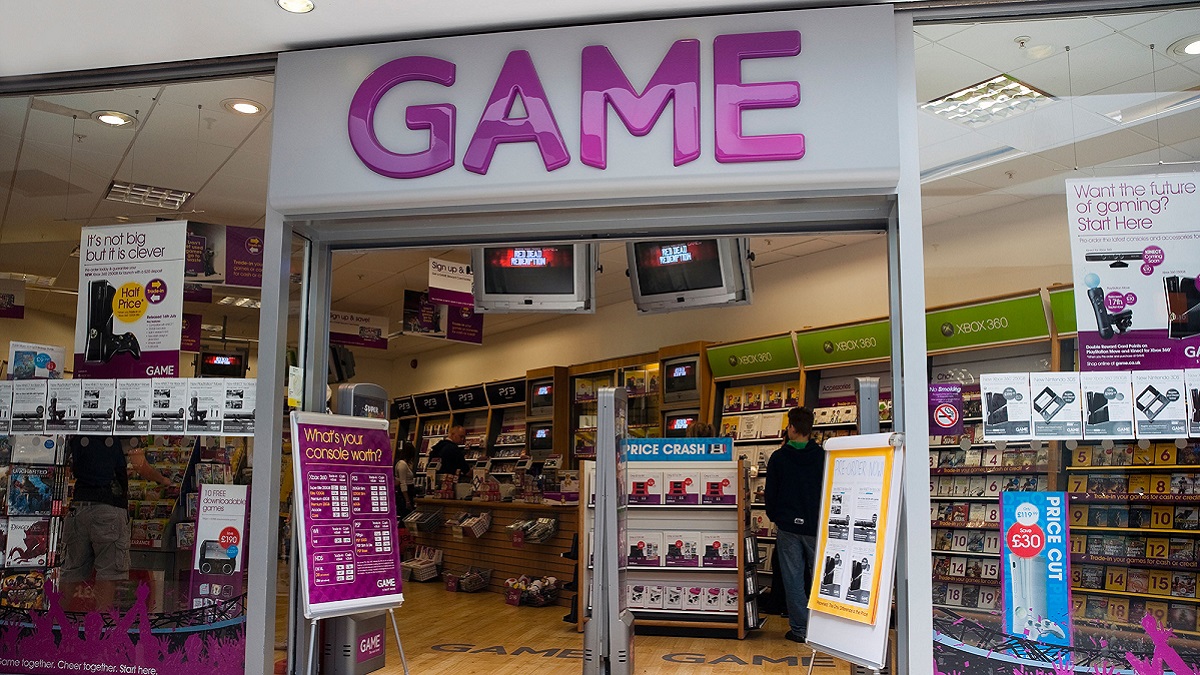
Estimates from industry analysis firms indicate that tens of thousands of jobs have been lost in the tech and gaming sectors since the beginning of 2023. For instance, a report by the gaming industry analyst group GameDeveloper showed that over 10,000 jobs were lost in the gaming industry in 2023 alone, a figure that has been surpassed in the first few months of 2024. This trend underscores a period of significant recalibration within the industry, as companies grapple with over-hiring during the pandemic boom and the inherent volatility of a market driven by blockbuster releases and evolving consumer preferences.
The shift towards digital sales, while beneficial for consumers in many ways, has also concentrated market power in the hands of platform holders like Sony, Microsoft, and Nintendo, as well as digital storefronts such as Steam and the Epic Games Store. This has diminished the role of traditional retailers like GAME, transforming them from gatekeepers of content to facilitators of digital downloads and accessories. The profitability of physical game sales has been squeezed by retailer margins, publisher demands, and the increasing efficiency of direct-to-consumer digital sales.
Zero-Hours Contracts: Implications for the Workforce
The alleged widespread transition to zero-hours contracts for GAME’s non-managerial staff is a particularly concerning aspect of these developments. This employment model, while offering flexibility to employers, provides no guarantee of work or income for employees. Workers on zero-hours contracts are often at the mercy of fluctuating business needs, making it difficult to plan finances, secure loans, or maintain stable personal lives. This lack of security can lead to increased stress and financial precarity, especially for individuals who rely on their employment for their primary income.
For a company like GAME, which operates a large number of physical stores, the use of zero-hours contracts could be an attempt to optimize staffing levels in line with fluctuating foot traffic and sales volumes. This approach might be seen as a cost-saving measure, allowing the company to avoid the fixed overheads associated with permanent staff and to scale its workforce up or down rapidly in response to market demand. However, it comes at a significant human cost, potentially alienating a loyal workforce and impacting employee morale and retention.
The Future of GAME and Physical Retail
The current situation at GAME raises profound questions about the long-term viability of physical game retail in the United Kingdom. The company’s history, its extensive store network, and its past as a beloved gaming hub all paint a picture of a brand deeply embedded in the nation’s gaming culture. Yet, the economic realities of the modern retail environment appear to be an insurmountable hurdle.
The potential layoffs and the shift to zero-hours contracts suggest that GAME is undergoing a significant strategic re-evaluation, likely aimed at survival in an increasingly challenging market. The discontinuation of the trade-in service further signals a move away from traditional revenue streams that were once central to its business model.
From the perspective of a former employee, as alluded to in the original reporting, the situation feels like a poignant farewell to an era of physical gaming retail. The once-ubiquitous presence of GAME stores now seems vulnerable, and the brand’s future is uncertain. The immediate concern, however, rests squarely on the shoulders of the staff who face potential job losses or a drastic alteration to their working conditions. Without concrete figures on the scale of potential redundancies, the full impact on the workforce remains unknown, but the implications for those directly affected are undoubtedly significant. The narrative of GAME’s struggles is a microcosm of the broader challenges faced by physical retailers in an era dominated by digital commerce, a story that is likely to resonate across various sectors of the retail landscape.