


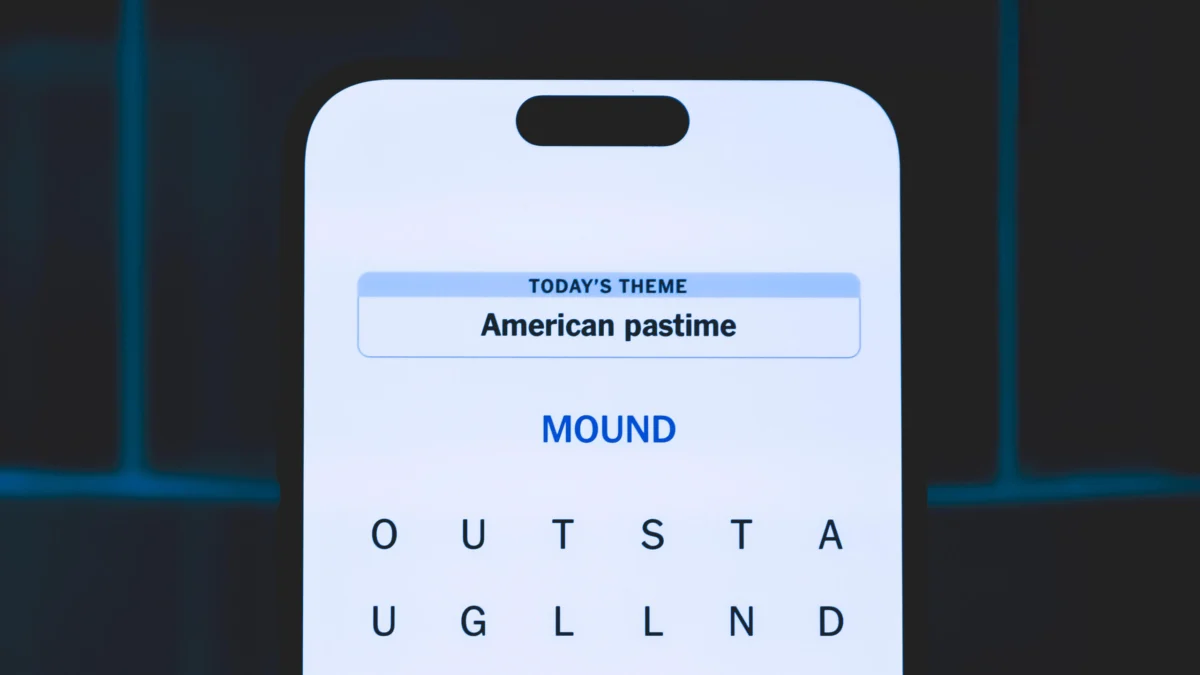
The New York Times’ innovative word puzzle, Strands, on August 28, 2026, paid homage to one of the most significant moments in American history, marking the 63rd anniversary of Dr. Martin Luther King Jr.’s iconic "I Have a Dream" speech. The puzzle, known for its thematic challenges, presented players with an inspiring journey through words connected to the pivotal August 28, 1963, address. For those navigating the grid of letters, the overarching theme was explicitly stated as "On this day in 1963," further clarified by the clue: "Iconic, historic speech." The ultimate solution, the spangram that spans the entire puzzle board, was revealed to be IHAVEADREAM, a direct reference to the speech’s most memorable phrase. This thematic choice by the NYT Strands developers underscores the enduring power and relevance of King’s message, inviting players to not only solve a puzzle but also to reflect on a transformative moment in the struggle for civil rights.
The Genesis of a Movement: The March on Washington for Jobs and Freedom
The "I Have a Dream" speech was the crescendo of the March on Washington for Jobs and Freedom, an event that brought together an unprecedented quarter of a million people to the nation’s capital. Conceived by veteran civil rights activist A. Philip Randolph and meticulously organized by Bayard Rustin, the march aimed to pressure the U.S. government to enact meaningful civil rights legislation and address systemic economic inequalities faced by African Americans. On August 28, 1963, a diverse coalition of activists, labor unions, religious groups, and ordinary citizens converged in Washington D.C., marching from the Washington Monument to the Lincoln Memorial. The atmosphere was one of profound hope and determination, yet undergirded by the stark realities of racial segregation and discrimination that permeated American society. This demonstration was the culmination of years of relentless struggle, including sit-ins, Freedom Rides, and the brutal Birmingham Campaign, which had galvanized national attention and underscored the urgent need for change. The demands of the marchers were clear: comprehensive civil rights legislation, an end to segregation in public schools, protection for civil rights workers from police brutality, a minimum wage increase, and a program for job training.

Martin Luther King Jr. and the Power of Oratory
At the forefront of the Civil Rights Movement stood Dr. Martin Luther King Jr., a Baptist minister and president of the Southern Christian Leadership Conference (SCLC). By 1963, King had already established himself as a charismatic leader and a powerful advocate for nonviolent direct action. His address at the Lincoln Memorial was strategically positioned as the final speech of the day, delivered to a massive crowd stretching across the National Mall. Standing before the statue of Abraham Lincoln, the president who had issued the Emancipation Proclamation a century prior, King began his speech with a reference to this historic document, framing the ongoing struggle as an unfulfilled promise of freedom and equality. He declared that "one hundred years later, the Negro still is not free," using the metaphor of a "promissory note" on which America had defaulted concerning its citizens of color.
Initially, King adhered to a prepared text, meticulously crafted to articulate the grievances and aspirations of the movement. However, as he spoke, Mahalia Jackson, the gospel singer who had just performed, reportedly urged him, "Tell them about the dream, Martin!" Responding to the energy of the crowd and his own profound convictions, King departed from his script, launching into the improvisational and impassioned segment that would immortalize his speech. The phrase "I have a dream" became an anaphoric refrain, repeated eight times, each instance building in emotional intensity and visionary scope. He articulated a future where racial harmony would prevail, where his children would "not be judged by the color of their skin but by the content of their character," and where the sons of former slaves and slave owners could sit together at the table of brotherhood. His words painted a vivid picture of an America transformed by justice and equality, a nation living up to the true meaning of its creed.
A Pivotal Moment and its Immediate Resonance

The "I Have a Dream" speech was instantly recognized as a masterpiece of rhetoric and a defining moment of the 20th century. Its eloquence, moral authority, and prophetic vision captivated the nation and the world. Broadcast live on television, the speech reached millions beyond those present on the Mall, bringing the urgency and righteousness of the Civil Rights Movement into American homes. President John F. Kennedy, initially hesitant about the march, acknowledged its profound impact. Following the event, Kennedy met with civil rights leaders, expressing his commitment to passing comprehensive civil rights legislation, though his assassination just months later would leave that task to his successor.
The speech resonated deeply because it transcended specific policy demands, appealing to universal ideals of justice, freedom, and human dignity. King’s genius lay in his ability to articulate the grievances of African Americans within the broader framework of American values, challenging the nation to live up to its founding principles. His call for nonviolent resistance also provided a moral compass for the movement, counteracting perceptions of radicalism and garnering broader public support. News outlets across the globe lauded the speech, recognizing it as a powerful testament to the struggle for human rights. It energized the movement’s base, inspired countless individuals, and put undeniable pressure on political leaders to act.
Legislative Triumphs and Enduring Legacy
The profound impact of the March on Washington and King’s speech played a crucial role in accelerating legislative action. Less than a year later, in July 1964, President Lyndon B. Johnson signed the landmark Civil Rights Act of 1964 into law. This comprehensive legislation outlawed discrimination based on race, color, religion, sex, or national origin, effectively ending segregation in public places and banning employment discrimination. The momentum continued, leading to the passage of the Voting Rights Act of 1965, which aimed to overcome legal barriers at the state and local levels that prevented African Americans from exercising their right to vote as guaranteed by the 15th Amendment to the U.S. Constitution. These two acts fundamentally transformed the legal landscape of American society, directly addressing many of the injustices King had highlighted.

Dr. King’s vision and sacrifice continued to inspire, even after his tragic assassination in 1968. His birthday, January 15, was eventually recognized as a federal holiday, Martin Luther King Jr. Day, in 1983, a testament to his indelible mark on the nation’s conscience. The speech itself has been preserved in various archives and is taught in schools worldwide as an exemplar of persuasive oratory and a foundational text for understanding civil rights. Its themes of justice, equality, and the pursuit of a better future continue to resonate with new generations, serving as both a historical touchstone and a blueprint for ongoing social change.
The Enduring Relevance of the Dream
Six decades after its delivery, the "I Have a Dream" speech remains powerfully relevant. While significant progress has been made in dismantling legal segregation and expanding civil rights, the dream of complete racial equality and justice continues to be pursued. Issues such as systemic racism, economic disparities, police brutality, and voter suppression underscore that the struggle King championed is far from over. His words serve as a constant reminder of the work yet to be done and the ideals to which the nation must aspire. Historians and civil rights advocates frequently invoke the speech to contextualize contemporary social justice movements, highlighting both the achievements of the past and the persistent challenges of the present. The speech is not merely a historical artifact but a living document, continuing to inspire activism and dialogue about what it truly means to achieve a just and equitable society. Its global influence is also undeniable, with activists and leaders worldwide drawing inspiration from King’s message of nonviolent resistance and universal human rights in their own struggles for freedom and dignity.
NYT Strands: Engaging with History Through Puzzles

The New York Times’ Strands puzzle, a relatively new addition to its popular games lineup, offers a unique blend of word search and thematic challenge. Players must identify hidden words within a grid of letters, all of which relate to a central theme. The game introduces a "spangram" – a theme word or phrase that stretches across the entire board, often serving as the central clue. By incorporating historical themes like the "I Have a Dream" speech, Strands transcends simple entertainment, transforming into an engaging educational tool. It encourages players to connect with significant cultural and historical events, subtly reinforcing knowledge and prompting reflection. The puzzle for August 28, 2026, exemplifies this approach, using the interactive format to commemorate a profound anniversary and invite players to delve into its historical context. The requirement to find smaller, theme-related words before revealing hints further encourages exploration of the subject matter, making the learning process an integral part of the game.
Solving Today’s Strands Puzzle: Hints and Answers
For those tackling the August 28, 2026, Strands puzzle and requiring assistance, the game’s mechanics allow for strategic play. The central theme, as established, is "On this day in 1963," further elaborated by the clue: "Iconic, historic speech." Players are tasked with finding hidden words that align with this theme. If progress stalls, the game offers a mechanism to unlock in-game hints: by successfully identifying three words of four letters or more that are not theme words, Strands will reveal one of the official theme words. This incentivizes players to constantly search the grid, even for peripheral words.
The ultimate goal is to uncover all theme words, including the spangram, ensuring every letter on the board is utilized. Today’s Strands spangram, as previously mentioned, is IHAVEADREAM. To locate this pivotal phrase, players should initiate their search with the ‘I’ positioned five letters down on the far-left row of the puzzle grid, then carefully trace the path of letters as they wind across the board. While the specific non-spangram theme words are not explicitly detailed here, they would invariably relate to key elements of the speech or the March on Washington, such as FREEDOM, JUSTICE, EQUALITY, WASHINGTON, MARCH, LINCOLN, and perhaps even words evoking the "fierce urgency of now" or the "promissory note." The total number of theme words can vary daily, challenging players to remain adaptable in their approach. This thoughtful integration of gameplay with historical commemoration ensures that the puzzle is not just a test of vocabulary but also a subtle reminder of the profound moments that have shaped the world.