


The quest for the ultimate gaming challenge is a deeply ingrained human desire, a pursuit that transcends mere entertainment and delves into the realms of personal achievement and intellectual conquest. From the pixelated gauntlets of early console generations to the meticulously crafted, often brutal experiences of modern gaming, players consistently seek experiences that push their limits, demand mastery, and ultimately deliver an unparalleled sense of accomplishment. This ongoing fascination with difficult games has seen a resurgence, fueled by a desire for experiences that eschew hand-holding and instead offer genuine tests of skill, perseverance, and strategic thinking.
The foundations of this pursuit were laid by iconic titles that defined early gaming challenges. Games like Naughty Dog’s Crash Bandicoot series, with its notoriously difficult levels such as "Cold Hard Crash," and Insomniac Games’ Spyro the Dragon, particularly the intricate platforming in "Tree Tops," demanded precise timing and execution. Further pushing the boundaries, titles like The Lost World: Jurassic Park on the Sega Saturn introduced players to the unforgiving nature of permadeath, where a single mistake could erase hours of progress. Later, games like TimeSplitters offered demanding challenge modes that required players to achieve "Platinum" status, a feat reserved for only the most dedicated. These early experiences, while perhaps born from the limitations of their respective hardware, instilled in a generation of gamers a profound appreciation for overcoming adversity within a digital realm.
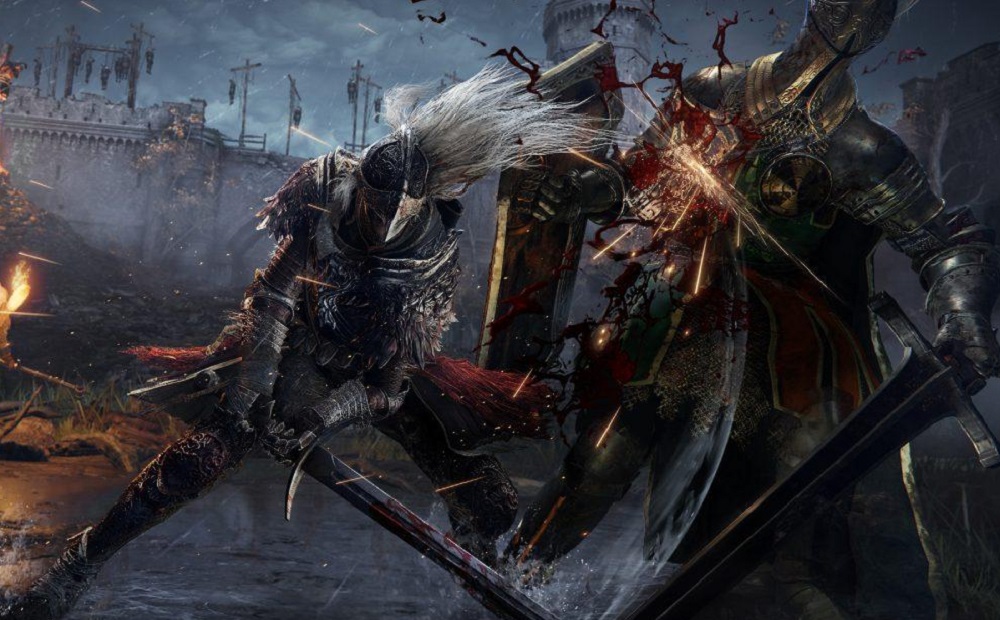
This drive for mastery has not diminished; it has evolved and found new champions in contemporary gaming. The recent landscape of critically acclaimed and player-adored titles frequently features significant difficulty as a core design pillar. FromSoftware’s monumental success with Elden Ring is a testament to this enduring appeal. The game, renowned for its intricate combat system, sprawling open world, and formidable boss encounters, has captivated millions, offering a challenging yet rewarding journey. Similarly, indie darlings like Nine Sols, a stylish 2D action game drawing inspiration from Chinese mythology and Japanese action games, and the darkly atmospheric and challenging Fear & Hunger, have carved out dedicated followings by embracing a high degree of difficulty. The satisfaction derived from these games is not solely rooted in nostalgia but in a potent blend of pride, ego, and the pursuit of in-game accolades, often referred to as "aura-farming" or achieving prestigious in-game feats. The on-screen declaration of "PREY SLAUGHTERED" after a grueling boss fight is more than just text; it’s a cathartic release and a powerful validation of player effort. However, this satisfaction is often fleeting, quickly replaced by a yearning for the next formidable obstacle, the next hurdle to surmount.
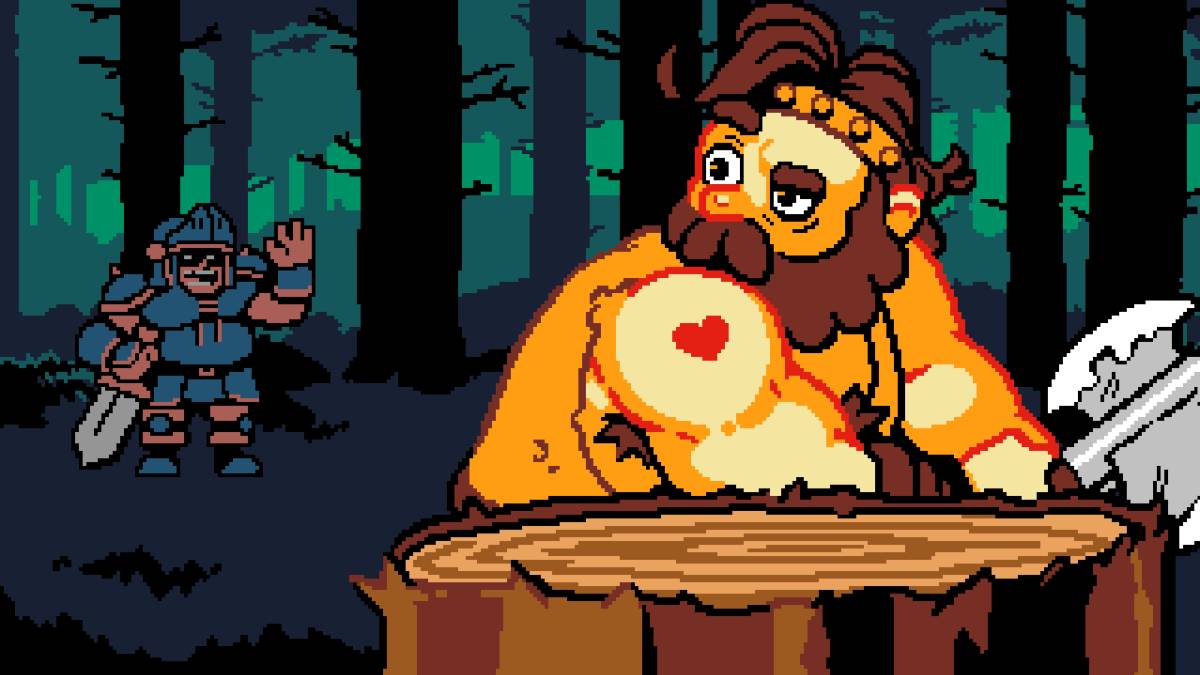
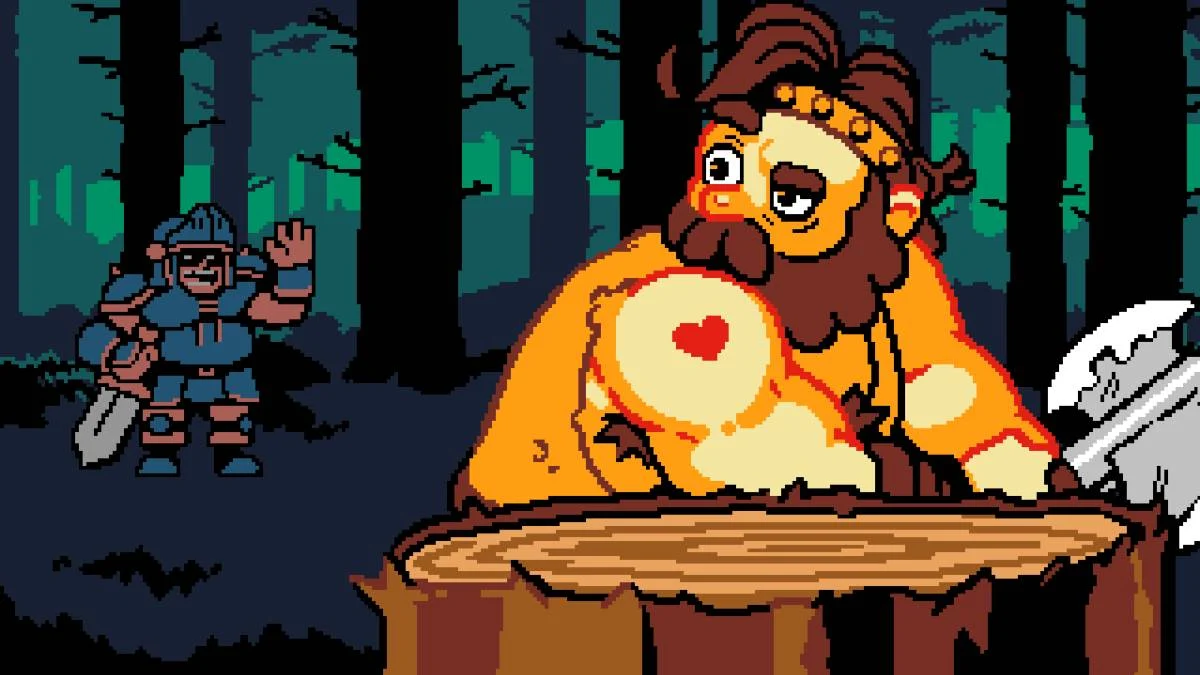
It is within this context of an ever-present hunger for demanding gameplay that independent developer doinksoft’s latest offering, Dark Scrolls, emerges. The game presents a visually striking aesthetic, characterized by vibrant 2D animation and a deceptively simple control scheme of only three buttons. This minimalist approach, coupled with the promise of discoverable secrets and an intrinsic gameplay loop designed to encourage persistence, positions Dark Scrolls as an aesthetically pleasing and potentially engaging retro-inspired adventure. doinksoft, known for previous titles such as the charming Gato Roboto, the action-packed Demon Throttle, and the highly regarded Gunbrella, has established a reputation for crafting entertaining and distinctive retro-influenced experiences.
At its core, Dark Scrolls embraces a design philosophy rooted in the simplicity of classic arcade games. The auto-scrolling nature of the levels and the limited button input create a foundational gameplay loop that, on the surface, might appear slow and repetitive. However, this apparent simplicity belies a learning curve that can feel reminiscent of the early days of the PlayStation 1 era, where players were often left to discover mechanics and objectives through trial and error. Crucially, Dark Scrolls eschews overt tutorials and hand-holding, a refreshing departure from the prevalent trend of guided gameplay in contemporary titles. This approach requires players to actively engage with the game’s systems, understand the unique ultimate abilities and perk systems of its three distinct starting characters, and deduce strategies through experimentation. Initially, this commitment to player agency and emergent discovery can foster a perception of significant challenge.
The inclusion of hidden secrets serves as a powerful motivator for replayability, encouraging players to embark on numerous runs, explore new pathways, and confront additional bosses. The discovery of mysterious items with unknown functions further deepens this sense of intrigue, compelling players to delve further into the game’s mechanics. While some design choices, such as the implementation of a non-dialogue sound effect system where every interaction results in a honking noise, might be considered unconventional or even slightly irritating, these are ultimately overshadowed by the game’s most significant drawback: its diminished challenge once the fundamental mechanics are understood. Despite its initial promise of difficulty, Dark Scrolls quickly becomes far too accessible for players seeking a truly arduous experience.
This observation aligns with the common player experience in notoriously difficult games, where the struggle to progress can lead to a profound sense of existential questioning. Titles like FromSoftware’s Sekiro: Shadows Die Twice and Elden Ring, known for their demanding combat and intricate boss patterns, often elicit strong emotional responses from players. Questions such as "Who approved this level of difficulty?" or "Has the developer even managed to defeat this boss?" are not uncommon among those grappling with these challenging games. The sentiment that such trials push players to their absolute limits, akin to competing in the Olympics or venturing into space, is a recurring theme. The arduous process of overcoming seemingly insurmountable obstacles in video games can, for some, feel like a metaphorical journey towards self-improvement and resilience, a perspective that suggests a profound psychological connection between digital struggle and personal growth. The hope that Dark Scrolls would offer a similar cathartic release through intense challenge, however, ultimately proved to be misplaced.
It is important to emphasize that this critique does not render Dark Scrolls a flawed or unenjoyable game. On the contrary, it offers a commendable and engaging experience, particularly for players who derive satisfaction from uncovering secrets and exploring game worlds. It represents a modern, arcade-inspired interpretation of retro-themed platformers, prioritizing player enjoyment and accessible fun. However, in the pursuit of that enjoyment, it arguably sacrifices the very element that many players seek: a formidable and sustained challenge. This leads to a comparison with Cuphead, a title that, in recent memory, has successfully captured the spirit of demanding yet rewarding gameplay that was once synonymous with classics like Rayman and Oddworld.
The Unparalleled Demands of Cuphead
Cuphead, developed by Studio MDHR, stands as a monumental achievement in the realm of challenging video games, a title that famously tested the mettle of even seasoned game journalists. The game’s opening moments often present a tutorial that feels like an insurmountable hurdle for many, setting the stage for a relentless and unforgiving gauntlet of boss encounters. Success in Cuphead is not a matter of luck or brute force; it is the direct result of unwavering dedication, meticulous practice, and the willingness to repeatedly confront failure until perfection is achieved. The game demands an extraordinary level of concentration, requiring players to absorb complex attack patterns, react with split-second precision, and execute flawless maneuvers within a frame-by-frame combat system.
The visual splendor of Cuphead, with its meticulously crafted 1930s cartoon animation, is a deliberate and masterful distraction. Players are challenged not only to overcome the game’s formidable mechanics but also to resist being mesmerized by its artistic brilliance. The core gameplay loop demands absolute focus, a complete immersion where players must lock in, avoid blinking, and maintain a perfect rhythm. The fleeting minutes spent in each boss encounter can feel like an eternity of intense concentration, culminating in a profound sense of accomplishment and personal growth upon emerging victorious. The experience of conquering Cuphead fosters a resilience and fortitude that extends beyond the digital realm.
In stark contrast, games like Dark Scrolls, while visually appealing and offering moments of discovery, allow the player’s mind to wander. The auto-scrolling nature, combined with a less demanding combat system, can lead to a less engaged mental state. The discovery of exploits, such as repeatedly hitting a specific move for infinite invulnerability or employing a button-mashing strategy, can quickly trivialize the game’s challenges. The author’s admission of discovering a method to "cheese the entire game within two hours" and the subsequent feeling of shame highlights a critical failing in the game’s difficulty scaling, particularly for players actively seeking a genuine test of skill.

The Search for a True Gaming Gauntlet
The contemporary gaming landscape, while rich with innovation, often sees the most profound challenges confined to specific genres. Metroidvanias and Soulslikes have become primary bastions for demanding gameplay, offering complex exploration, intricate combat, and punishing consequences for failure. FromSoftware, as a pioneer and master of this genre, consistently delivers experiences that push players to their limits. However, for those who crave the unique brand of difficulty offered by a title like Cuphead, the options remain scarce.
The appeal of Cuphead lies in its uncompromising dedication to providing a challenge that is both fair and profoundly difficult. It is a game that rewards dedication, observation, and the relentless pursuit of mastery. It demands an almost meditative focus, where every input, every dodge, and every parry is crucial. This level of engagement is what many players seek when they embark on the journey of playing a difficult game. They are not simply looking to pass the time; they are looking for an experience that will test their limits, refine their skills, and ultimately leave them with a tangible sense of accomplishment.
The yearning for another game that can replicate the specific brand of challenge found in Cuphead is a testament to its enduring impact. Without such experiences, players may find themselves returning to older, more demanding titles or seeking out niche indie games that prioritize difficulty above all else. The sentiment expressed—that without a truly testing challenge, the author would "plug my PlayStation 1 back in"—underscores the profound value that difficult games hold for a dedicated segment of the gaming community. These are not simply games; they are digital proving grounds, arenas where players can confront their limitations, forge new skills, and emerge victorious, forever changed by the crucible of challenge. The quest for such experiences continues to drive innovation and define the very essence of what it means to be a dedicated gamer in the 21st century.