


The immersive horror game "Fears to Fathom," developed by rayll, has captivated audiences with its promise of real-life horror encounters, asserting that each episode is meticulously based on true events. This bold claim, while a potent marketing strategy, invites a crucial examination into the veracity of these chilling narratives. While the game developer acknowledges that specific identifying details such as names, dates, and locations are altered for confidentiality, the fundamental question remains: have the harrowing experiences depicted in "Fears to Fathom" genuinely befallen individuals? This in-depth analysis delves into the game’s marketing approach, explores the plausibility of its "true events" premise, investigates potential inspirations, and considers the broader implications of blurring the lines between fiction and reality in interactive horror.
The Legacy of "Based on a True Story" in Horror
The proclamation "BASED ON A TRUE STORY" has long been a cornerstone of horror marketing, aiming to amplify fear by tapping into the primal human instinct that real danger lurks just beyond the screen. This tactic achieved unprecedented success with the release of The Blair Witch Project in 1999. The film’s groundbreaking use of found footage and an aggressive pre-release marketing campaign convinced many viewers that they were witnessing genuine footage of a supernatural phenomenon. The audience’s suspension of disbelief was so profound that it redefined expectations for horror narratives and popularized the found-footage genre. However, as the novelty wore off and the industry matured, audiences became increasingly skeptical, viewing the "based on a true story" disclaimer with a critical eye, often perceiving it as a narrative hook rather than a factual guarantee.
"Fears to Fathom" strategically leverages this established psychological principle. The game actively encourages players to submit their own terrifying experiences to the developer, rayll, with each subsequent episode reportedly drawing inspiration from these submissions. This direct line from player to developer creates a unique feedback loop, fostering a sense of community and authenticity. The debut episode, "Home Alone," released in 2021, set the precedent for this crowdsourced horror.
This marketing approach, while undoubtedly clever, inherently signals to the audience that the narratives are retellings rather than unfolding mysteries. In traditional storytelling, the protagonist’s survival is often uncertain, heightening suspense. In "Fears to Fathom," the knowledge that the player is navigating a pre-determined account of past events might, on the surface, seem to diminish the stakes. However, the game’s success in maintaining tension and delivering potent creepiness suggests that the emotional impact of a story, regardless of its ultimate outcome, can still be profoundly effective. The fear is not derived from the unknown fate of the protagonist, but from the visceral understanding that such terrifying circumstances have, in some form, happened to real people.
Deconstructing the "True Events" Claim: Fact vs. Fiction
The definitive answer to whether "Fears to Fathom" is based on genuine, unadulterated true events is complex. While the developer maintains that the core inspiration stems from real experiences, it is crucial to acknowledge that fictionalization and dramatization are almost invariably involved in translating personal anecdotes into compelling interactive narratives. The process of adapting a real-life event for entertainment purposes necessitates embellishment, strategic pacing, and thematic coherence, all of which contribute to a heightened sense of drama and horror.
It is entirely plausible that rayll is not fabricating stories but rather drawing inspiration from actual emails and submissions. These raw accounts of fear and survival likely form the foundational elements of each episode. However, the transformation from a personal recounting to a playable game involves significant creative interpretation. This might include expanding on ambiguous details, creating character archetypes, and structuring the narrative to maximize player engagement and fear.
A closer examination of specific episodes reveals potential discrepancies and influences that suggest a degree of creative license. The episode "Norwood Hitchhike," set in 2010, bears a striking resemblance to historical events involving serial killer Larry Ralston, who preyed on women between 1975 and 1977. While the timeline and specific details differ, the core theme of a dangerous hitchhiking encounter resonates with documented criminal history. This raises the possibility that rayll draws inspiration from documented crimes and recontextualizes them within a modern gaming framework.
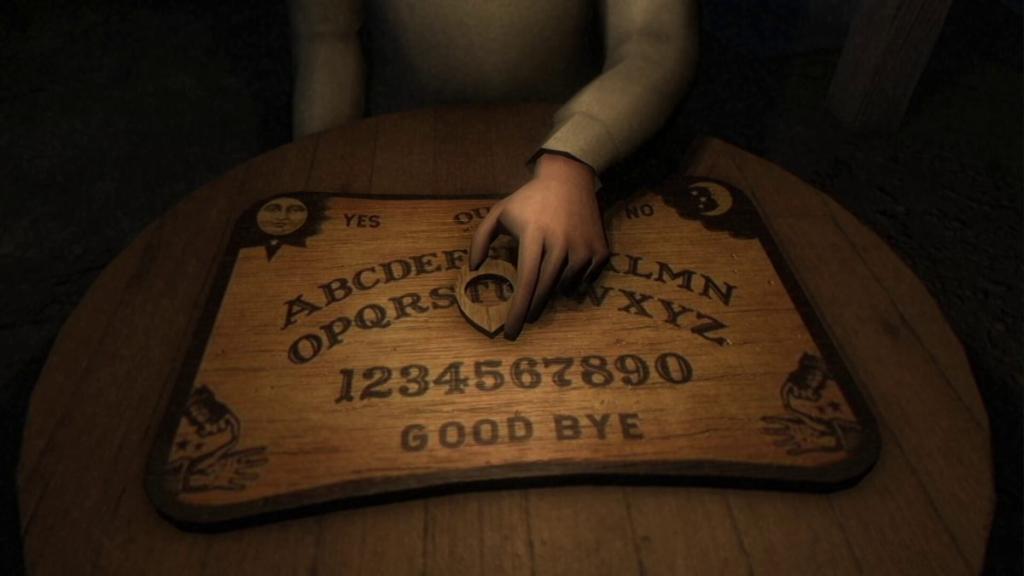
A thorough investigation into the real-world events that might have inspired the game’s scenarios is essential. Conducting searches for news reports and official crime records related to the themes presented—such as breaking and entering, home invasion, cult activities, and stalking—reveals no direct, verifiable matches for the specific incidents depicted in "Fears to Fathom." This does not invalidate the game’s premise of inspiration; rather, it underscores the transformative role of creative adaptation. The game presents realistic scenarios that, while not exact replicas of documented crimes, tap into widespread fears and anxieties rooted in the possibility of such events occurring.
Furthermore, the similarities between episode three, "Carson House," and a collection of "3 True House Sitting Horror Stories" by YouTuber Mr. Nightmare are notable. Mr. Nightmare’s content, like "Fears to Fathom," claims to be based on true stories submitted by his subscribers. This parallel suggests a shared methodology of sourcing and adapting user-generated horror content. The credibility of these "true stories" on platforms like Reddit’s r/nosleep, a frequent source for online horror narratives, is often debated, with many users acknowledging the blurred lines between personal experience and creative fiction.
The Emerging "Fears to Fathom" Universe
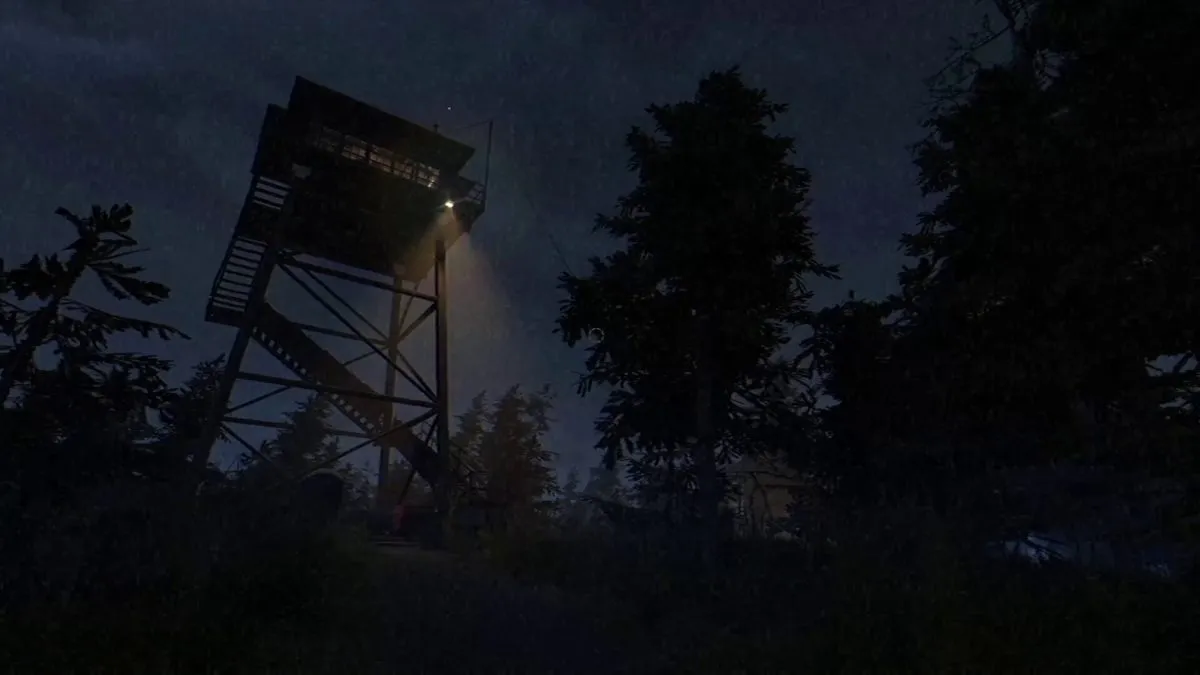
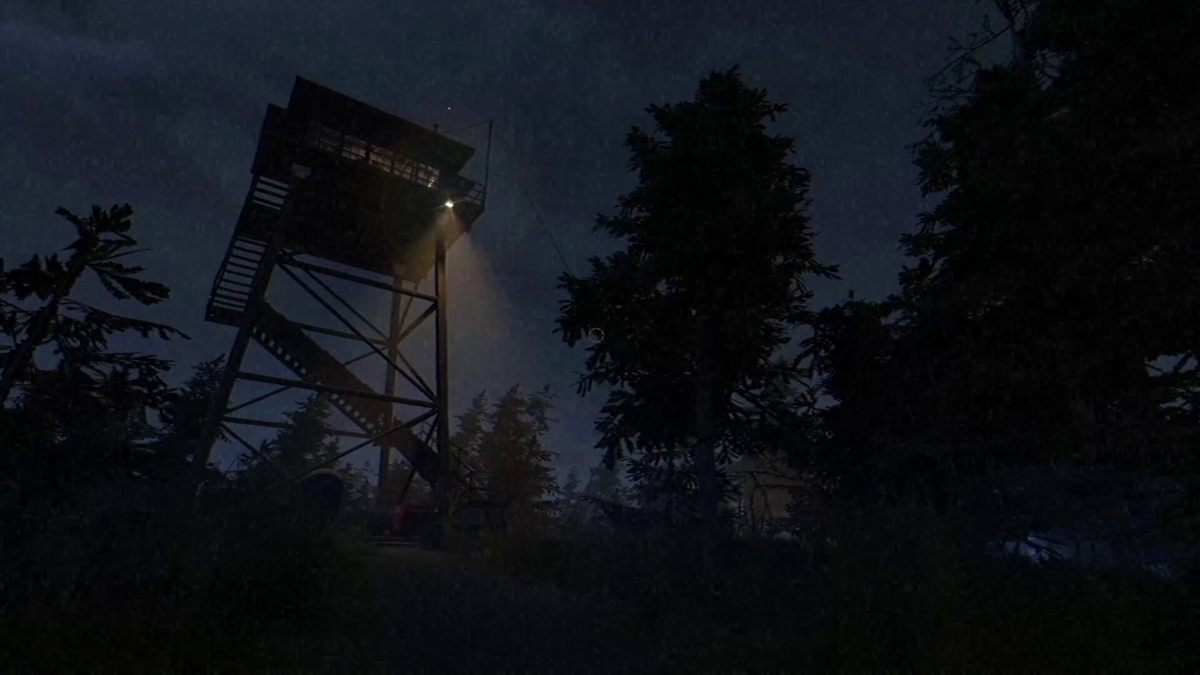
A significant development in the "Fears to Fathom" series is the establishment of an interconnected in-game universe. The latest episode, part of the [Together] series, explicitly links "Ironbark Lookout" and "Scratch Creek" by featuring the same cult. This narrative cohesion suggests a deliberate effort to build a larger, ongoing lore, adding another layer of complexity to the game’s storytelling.
"Ironbark Lookout" is reportedly set in 2002, while "Scratch Creek" has a more ambiguous timeline, referencing dates only as "April 20XX." The depiction of cult activities, particularly those that are potentially racist, as seen with "The Covenant of Old Scratch," is a common trope in horror. While the developer may choose to anonymize these elements to protect privacy or avoid direct association with real-world extremist groups, the fictionalization is clear. The absence of public news coverage of specific cult-related crimes matching these descriptions post-2000s, especially those involving widespread public knowledge like the Ku Klux Klan, reinforces the notion that these are fictional constructs. This approach allows rayll to explore dark themes without being bound by the strictures of factual reporting, while still drawing from the psychological resonance of such sinister organizations.
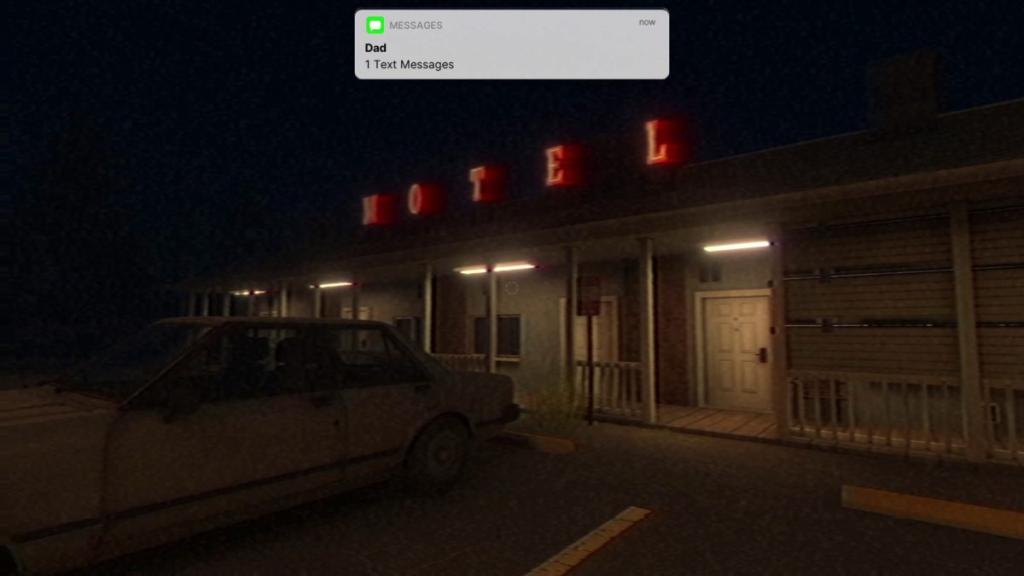
The developer’s inspiration can stem from a variety of sources, including direct submissions from players, anecdotal evidence shared within online communities, or even popular creepypasta narratives found on platforms like r/nosleep. The latter, in particular, is a fertile ground for "true" stories that often blur the lines between personal experience and creative writing, making their "truthfulness" inherently subjective.
The Enduring Power of Realistic Horror
Despite the probable fictionalization of specific events, "Fears to Fathom" excels in its ability to evoke a profound sense of realism. The game masterfully taps into common anxieties and vulnerabilities, presenting scenarios that, while perhaps exaggerated for dramatic effect, remain within the realm of plausibility for many individuals. The horror is not derived from supernatural specters or fantastical monsters, but from the chilling possibility that ordinary people could find themselves in extraordinary, life-threatening situations.
This realism is further amplified by the game’s occasional inclusion of slightly unrealistic elements, which paradoxically enhance the feeling of dread. For instance, in "Home Alone," the instantaneous teleportation of the home invader from within the house to the front door, while a clear narrative device to create a jump scare, highlights the uncanny and unpredictable nature of true terror. Such moments, while technically defying logic, mirror the disorienting and often inexplicable nature of real-life traumatic events.
The effectiveness of "Fears to Fathom" lies in its ability to present "realistic tales that could happen to anyone." The game explores themes such as stalking, home invasion, encounters with dangerous individuals, and even the fringes of cult activity, all of which, though rarer, are not entirely outside the realm of human experience. Whether rayll meticulously verifies every submitted story or uses them as springboards for fictional narratives, the ultimate impact is the creation of genuine dread. The game’s success is not contingent on the absolute truth of its premises but on its capacity to tap into the shared human fear of the unknown and the potentially malevolent forces that can disrupt the perceived safety of everyday life. Players are encouraged to embrace the inherent creepiness of "Fears to Fathom," recognizing that even if the stories are not verbatim accounts, they resonate with a disturbing plausibility that makes them all the more terrifying.