


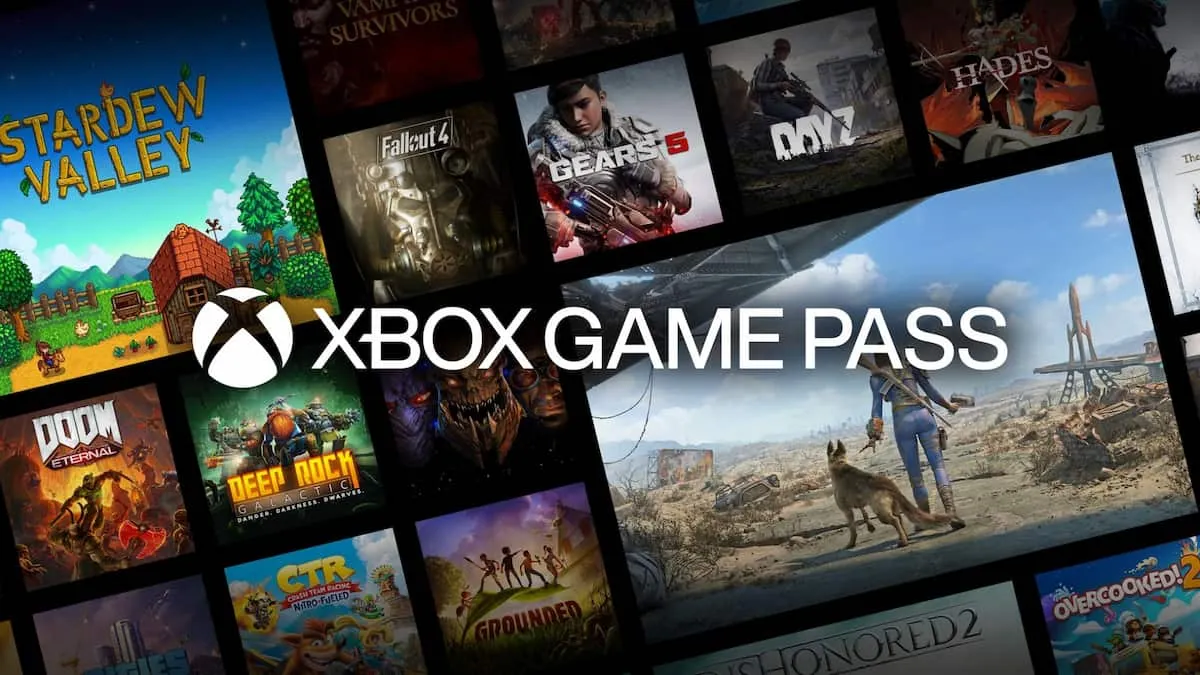
The landscape of video game distribution and consumption has been irrevocably altered by the advent of subscription services, with Xbox Game Pass standing as a titan in this evolving ecosystem. While lauded for democratizing access to AAA blockbusters and a vast library of titles, making gaming more affordable and accessible for millions worldwide, a growing undercurrent of discontent appears to be brewing within Xbox’s own studios. According to prominent industry journalist Jason Schreier, several Xbox studio executives harbor a profound, almost visceral, dislike for Game Pass, viewing it as a detrimental force that undermines the perceived value of their games and obscures their commercial success. This internal friction, if accurate, paints a complex picture of Microsoft’s strategy for its gaming division, suggesting a potential recalibration of how new titles are integrated into the subscription service.
The core of the reported dissatisfaction stems from the inherent economic model of Game Pass. For a monthly fee, significantly less than the cost of a single full-priced game, subscribers gain access to hundreds of titles, including many day-one releases. This creates a powerful incentive for consumers to opt for the subscription as their primary method of game acquisition, often bypassing outright purchases. While this model has demonstrably increased player engagement and broadened the reach of many games, it simultaneously complicates the traditional metrics of success. When a game is available for a fraction of its retail price on day one, its performance on traditional sales platforms like Steam or console storefronts becomes less indicative of its true appeal or market impact.
Schreier’s reporting, citing anonymous sources within Xbox, suggests that this disconnect between perceived value and actual revenue is a significant pain point for studio leadership. A prime example often cited is The Outer Worlds 2. While a critically well-received title, its engagement on platforms like Steam reportedly lagged behind expectations. The prevailing theory among those concerned is that a substantial portion of players opted to experience the game through Game Pass, where it was available from launch, rather than incurring the full $70 retail price. This phenomenon, according to the report, leads to a situation where the commercial success of a game is difficult to accurately gauge, and the financial rewards for developers and publishers are diminished, even if the game achieves widespread play.
The Economic Paradox of Game Pass
The economic implications of Game Pass are multifaceted. On one hand, the service has been a powerful engine for driving player adoption of Xbox platforms and PC gaming. It provides an unparalleled value proposition, allowing players to explore a vast library without the financial burden of individual purchases. This accessibility has been credited with revitalizing older franchises and introducing new titles to a wider audience than might have been possible through traditional retail models. Data from Microsoft has often highlighted the increased engagement and playtime attributed to Game Pass subscribers. For instance, a significant percentage of Game Pass members reportedly play games they would not have otherwise purchased.
However, the shift from unit sales to a subscription-based revenue model presents a fundamental challenge for studios accustomed to direct revenue streams. The revenue generated by a game on Game Pass is typically based on complex licensing agreements and player engagement metrics, rather than the direct purchase price. While these agreements can be lucrative, they often do not match the potential revenue from a successful standalone release, especially for titles with a high development cost. This can create a disconnect between the perceived value of a game by the player and the financial reality for the studio that produced it.
Consider a hypothetical AAA title costing $60 million to develop. If the game sells 2 million copies at $70 each, the gross revenue is $140 million. If that same game is included in Game Pass on day one, the revenue it generates through the subscription service might be significantly less, even if millions of subscribers play it. The exact figures are proprietary, but the principle remains: the revenue per player is drastically reduced. This is particularly concerning for studios that rely on strong sales performance to fund future projects or to demonstrate profitability to stakeholders.
The "Detriment" to the Games Industry: A Studio Perspective
The reported resentment towards Game Pass extends beyond mere financial concerns, touching upon a broader philosophical debate about the value of video games as a medium. Jason Schreier quotes sources who believe that Game Pass has eroded the inherent value of games in general. The argument is that by making hundreds of titles available for a low monthly fee, the service conditions players to expect instant access to premium content at a minimal cost, thereby diminishing their willingness to pay full price for individual games.
This perspective is articulated by the assertion that Game Pass has become a "detriment to the games industry" because it "devalues games." For studios that invest heavily in crafting immersive experiences, developing innovative gameplay, and creating compelling narratives, the inability to recoup their investment through robust sales can be disheartening. The concern is that this devaluation could lead to a chilling effect on ambitious game development, as publishers become more risk-averse, favoring titles with broader appeal and lower development costs that are more palatable for inclusion in a subscription service.
Schreier also highlights the case of South of Midnight, a title that, while not universally acclaimed, resonated deeply with its specific audience. The game was reportedly priced at $40, but its inclusion on Game Pass meant players could access it for a fraction of that cost. This scenario exemplifies the dilemma: a game with a dedicated fanbase and a reasonable retail price is essentially "discounted" to near-negligible cost for a vast majority of potential players, making it difficult to ascertain the game’s true market penetration and financial viability outside the subscription.
A Shift in Day-One Strategy?
The internal conflict within Xbox may lead to a significant strategic shift. Schreier suggests that while Microsoft is unlikely to "kill Game Pass," a substantial change in its approach to day-one releases is probable. The reasoning is that "that makes no sense anymore" for many titles. This implies a future where fewer premium, high-budget games will be immediately available on Game Pass. Instead, they might be introduced to the service after a period of exclusivity or a dedicated sales window, allowing them to generate revenue through traditional purchases first.
This recalibration could address several issues. Firstly, it would allow games to establish their commercial performance through direct sales, providing clearer metrics for success and profitability. Secondly, it could help to re-establish the perceived value of new releases, encouraging players to consider purchasing them at full price. Finally, it might alleviate some of the pressure on studio executives who feel their work is being devalued by the subscription model.
The historical context for this potential shift is important. When Xbox Game Pass launched in 2017, its primary appeal was its vast library of older and indie titles, with a growing selection of newer games. The inclusion of AAA first-party titles on day one was a more recent development that significantly boosted the service’s attractiveness. However, as the service matured and its subscriber base grew, the financial sustainability of this model for all titles became a subject of intense scrutiny, both internally and externally.
The Broader Implications for the Gaming Industry
The reported internal dissent within Xbox regarding Game Pass has significant implications not only for Microsoft but for the broader gaming industry.
- Impact on Third-Party Developers: If Xbox begins to limit day-one releases on Game Pass, it could create a ripple effect for third-party developers. Some may find their games receiving less initial exposure, while others might leverage this shift to negotiate more favorable terms for their titles’ inclusion in the service. It could also lead to a renewed emphasis on traditional sales for third-party studios seeking to maximize revenue.
- Player Expectations: Players have become accustomed to the convenience and value offered by Game Pass. Any significant reduction in day-one content could lead to dissatisfaction and potentially impact subscriber retention. Microsoft will need to carefully manage this transition to avoid alienating its user base.
- Competition: As other platform holders, such as Sony with PlayStation Plus Premium, continue to develop and refine their subscription offerings, Xbox’s strategic decisions will be closely watched. A shift away from aggressive day-one AAA releases could open opportunities for competitors to capture market share by offering a similar value proposition.
- The Future of Game Sales: The ongoing debate surrounding Game Pass and its impact on game sales raises fundamental questions about the future of the industry. Will subscription services eventually supersede traditional game purchases, or will a hybrid model, balancing both, emerge as the dominant paradigm? The internal discussions at Xbox suggest that the latter is a more likely scenario, with a conscious effort to find a sustainable equilibrium.
While players may see Game Pass as a straightforward win for affordability and access, the internal dynamics within Xbox, as reported by Schreier, reveal a more complex reality. The perceived devaluation of games and the obfuscation of commercial success are significant concerns for studio leadership. The potential for a strategic shift away from mass day-one releases on Game Pass signals a crucial moment for Xbox and could reshape the economic landscape of game development and distribution for years to come. The challenge for Microsoft will be to balance the immense success and popularity of Game Pass with the need to ensure the long-term financial health and creative ambition of its game development studios.