


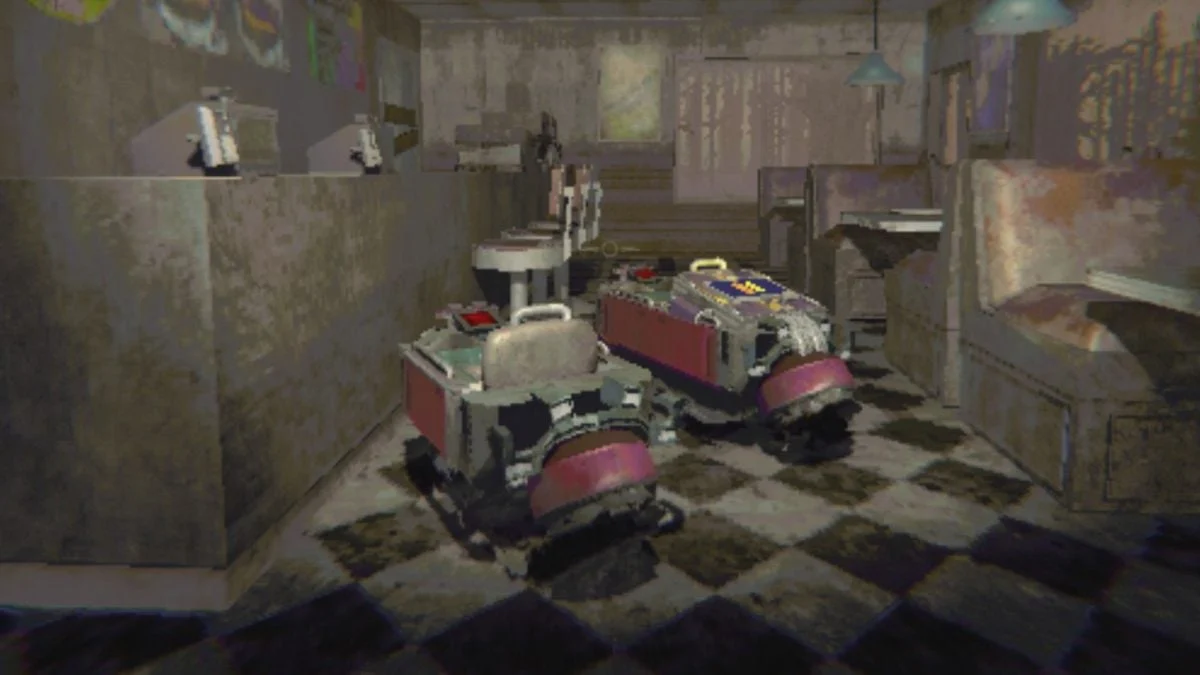
The recent R.E.P.O. Cosmetics Update has injected a significant dose of adrenaline into the game’s already chaotic world, most notably through the introduction of a new, high-stakes vehicular combat and traversal system. This update, deployed on May 7th, not only brings cosmetic enhancements but also fundamentally alters gameplay dynamics with the addition of two distinct vehicle types: the Scout and the Hauler. These vehicles, reminiscent of the fast-paced kart racing genre, are now integral to navigating the monster-infested, post-apocalyptic landscape, offering players new avenues for exploration, evasion, and resource management.
A New Era of Mobility in R.E.P.O.
At its core, the R.E.P.O. Cosmetics Update pivots on the integration of these new vehicles, designed to facilitate solo gameplay and introduce a fresh layer of strategic depth. While the game has previously featured C.A.R.T. variations that allowed for the attachment of offensive weaponry, the new scooter-like vehicles offer a different approach. They are designed for single occupants and lack direct offensive capabilities while in operation. This design choice emphasizes speed, maneuverability, and strategic positioning over direct confrontation.
The introduction of these vehicles marks a significant departure from the game’s established mechanics, which primarily focused on on-foot exploration and combat against the game’s varied and often formidable adversaries. The update effectively allows players to bring a "Tokyo Drift" aesthetic to the decrepit world of R.E.P.O., where monsters and the ever-present threat of Taxmen demand constant vigilance. The moniker "King of the Losers" now carries a new connotation, potentially referring to those who can master these new vehicles to survive and thrive.
The Scout: Agile Evasion and Tactical Distraction
The Scout is characterized by its compact design and low profile, enabling it to hug the ground and achieve impressive speeds. Its primary function revolves around rapid evasion. Players can utilize the Scout to outrun the majority of the game’s monstrous inhabitants, making it an invaluable tool for quick escapes when overwhelmed. Beyond mere getaway, the Scout excels in reconnaissance, allowing players to scout ahead for valuable cosmetic boxes and identify monster spawn points without immediate risk.
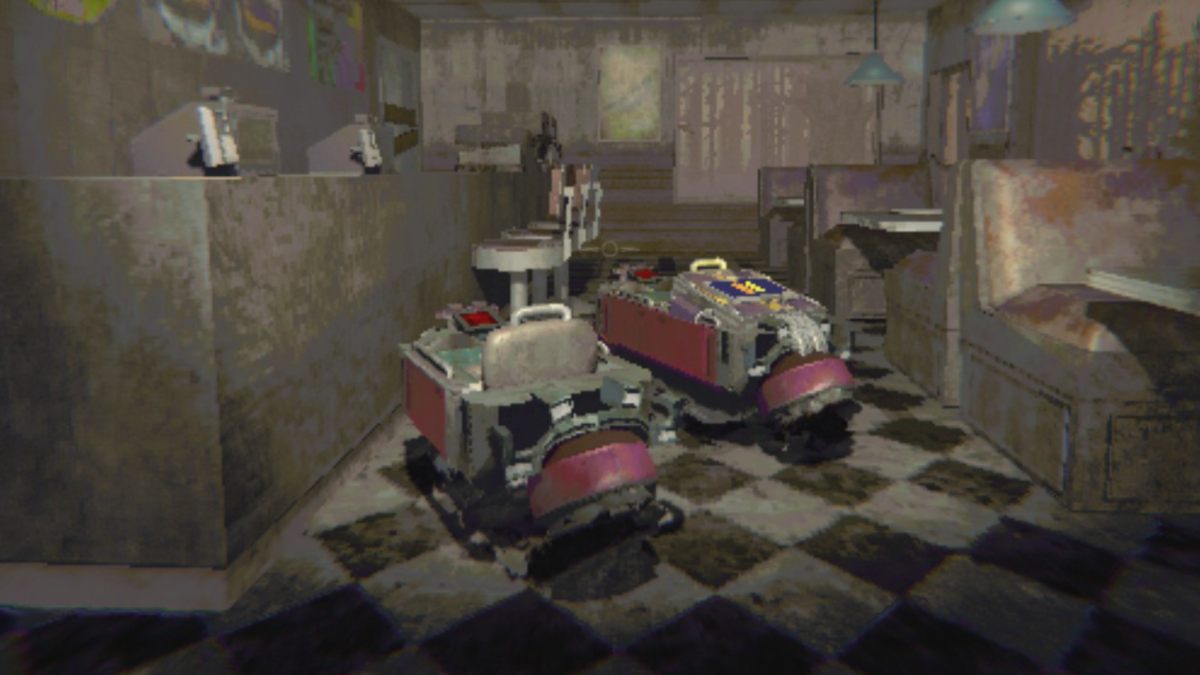
Furthermore, the Scout serves as an effective distraction mechanism. By strategically luring monsters with the vehicle, players can draw aggro away from objectives or other players, creating openings for tactical retreats or repositioning. This capability is particularly crucial in the early stages of the game, where survival is paramount. The vehicles are not invincible, however. While they can be easily righted if overturned, they are susceptible to damage and cannot traverse map gaps. The inclusion of an autopilot drifting mechanic, while useful for navigation, also introduces a risk factor, potentially leading to hazards as early as level five if not managed carefully.
The Hauler: Fortified Transport and Loot Security
In contrast to the Scout’s focus on speed and evasion, the Hauler offers a more robust solution for resource management. It shares the Scout’s agile driving characteristics but incorporates a crucial addition: a rear compartment designed for carrying Valuables. This compartment can store up to $20,000 worth of in-game loot, represented by a visual indicator when it reaches maximum capacity.
The Hauler’s ability to transport collected items to Extraction Points without requiring the player to carry them on their person is a game-changer. This significantly reduces the risk of losing valuable resources to monster attacks or the omnipresent Taxmen. For players who prefer a less combat-intensive approach, the Hauler provides a secure and efficient method of accumulating wealth and fulfilling objectives.
Vehicular Combat and Limitations
While neither the Scout nor the Hauler are equipped with onboard weaponry, they can inflict damage on smaller monsters through direct collision, especially when utilizing their boost function. The game’s boost mechanic is intrinsically linked to drifting. By continuously holding the drive icon and employing the ‘A’ and ‘D’ keys for drifting, players can accumulate boost, which can then be unleashed for rapid acceleration or to run over unsuspecting entities.
However, players are advised to exercise caution when engaging in vehicular combat. The vehicles are most effective against smaller, less formidable creatures such as Gnomes, Rugrats, Chefs, and Headgrabs. Attempting to ram larger threats like the Apex Predator or Elsa is ill-advised, as it will likely provoke their retaliatory attacks. Even the Tick and Upscream can pose a threat from their position within the vehicle.
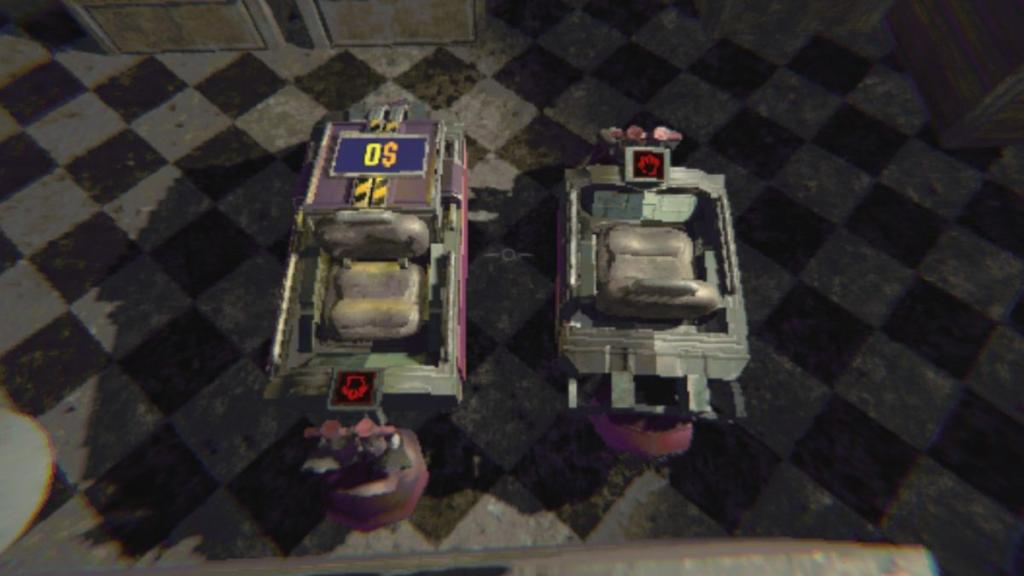
The durability of these vehicles is a key consideration. While the Hauler is generally more robust than the Scout, their operational lifespan is primarily dictated by the damage they sustain rather than the duration of their use. Both vehicles can be repaired at dedicated Charging Stations using Energy Crystals, a mechanic that encourages strategic resource investment in vehicle maintenance.
Operational Mechanics and Costs
To enter a vehicle, players interact with a hand icon, similar to the one used for C.A.R.T. vehicles. Continuous holding of this icon simulates steering, with forward momentum controlled by the ‘W’ key. Drifting with ‘A’ and ‘D’ not only aids in navigation and boost accumulation but also allows players to maneuver through the game’s environments. A notable feature is the ability for both scooters to drive through doors, allowing players to remain within the vehicle while scouting interior locations. Exiting the vehicle is achieved by jumping out of a tumbled state.
The cost of these new vehicles varies. The Scout is available for purchase at a price range of $20,000 to $24,000. The Hauler, with its enhanced carrying capacity, commands a higher price, ranging from $44,000 to $48,000. These costs represent a significant investment, necessitating careful consideration of their utility within a player’s overall strategy.
Context and Broader Implications
The introduction of vehicles in R.E.P.O. is not merely an addition of new mechanics; it represents a strategic evolution of the game’s core loop. The May 7th Cosmetics Update, while ostensibly focused on aesthetic enhancements, has delivered a substantial gameplay overhaul. This update likely stems from developer efforts to address player feedback regarding mobility and the pacing of resource gathering and objective completion in the game’s expansive, often dangerous, world.
The "Mario Kart-like mode" alluded to in early descriptions suggests a playful yet competitive element. The potential for racing to determine dominance, or the "King of the Losers," implies an underlying meta-game or event structure that encourages mastery of these new vehicles. This could lead to community-driven challenges and leaderboards centered around vehicular performance.
The fact that these vehicles are single-occupant also has significant implications for cooperative play. While they enhance solo exploration and evasion, they may necessitate new coordination strategies for groups. Players might need to designate roles, with some focusing on driving and others on providing cover fire from outside the vehicle. This adds a layer of tactical complexity to team-based scenarios.
Furthermore, the inherent risks associated with vehicular traversal – damage, inability to traverse gaps, and vulnerability to certain enemy types – ensure that these vehicles do not become an "I win" button. Players must still exercise caution, make informed decisions about when to deploy them, and manage their repair and fuel (implied by Energy Crystals) resources effectively. The game’s balance is thus maintained, with the vehicles offering advantages without completely negating the challenges that define the R.E.P.O. experience.
The longevity of these vehicles within the game’s ecosystem will depend on how effectively they are integrated into future content and potential updates. The current iteration suggests a focus on utility and strategic advantage, moving beyond mere novelty. As players become more adept at utilizing the Scout for swift escapes and the Hauler for secure loot transport, the overall pace and risk-reward dynamics of R.E.P.O. are poised for a significant transformation. The developer’s decision to implement these vehicles underscores a commitment to evolving the gameplay experience and providing players with diverse tools to conquer the game’s unforgiving world.