


The pursuit of a truly demanding video game experience has long been a cornerstone of the hobby for a dedicated segment of players. From the early days of platforming challenges like navigating Crash Bandicoot‘s Cold Hard Crash and mastering Spyro the Dragon‘s Tree Tops, to the unforgiving nature of permadeath in The Lost World: Jurassic Park and the high-stakes achievements in TimeSplitters, gamers have consistently sought out titles that push their skills to the absolute limit. This drive, once fueled by nostalgia and the nascent thrill of overcoming digital obstacles, has evolved into a complex interplay of pride, ego, and the desire for mastery in contemporary titles such as Elden Ring, Nine Sols, and Fear & Hunger. The visceral satisfaction derived from overcoming immense difficulty, epitomized by in-game pronouncements like "PREY SLAUGHTERED," continues to fuel a persistent demand for ever-greater challenges.
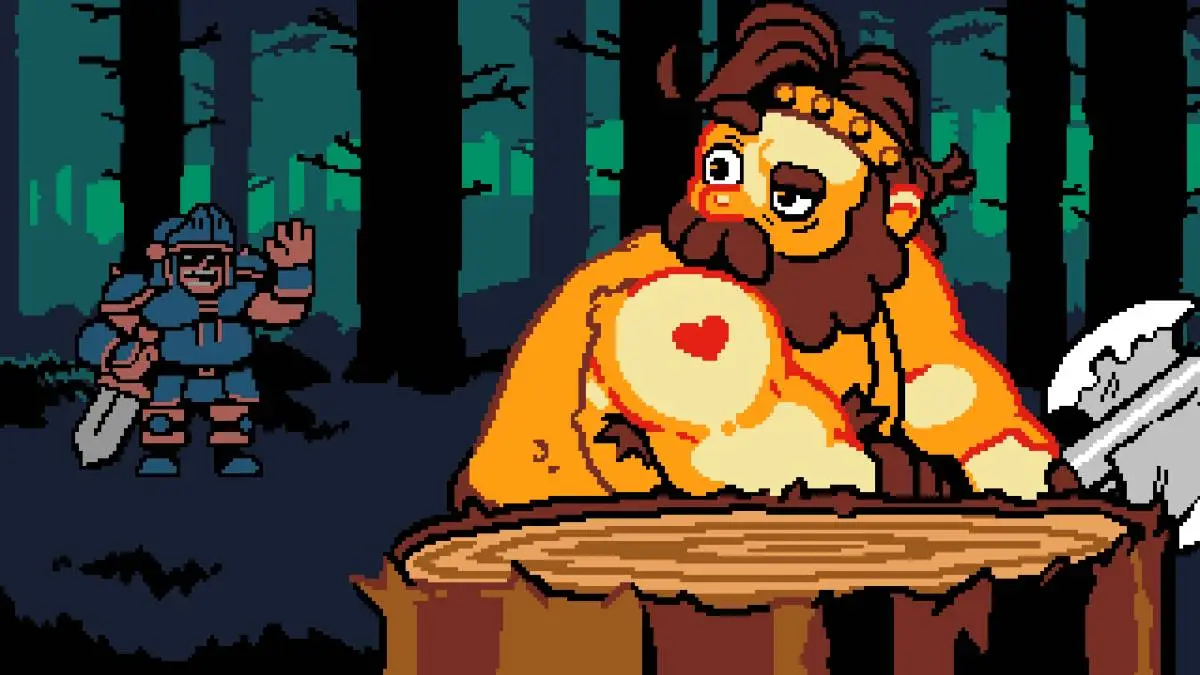
In this context, the recent release of Dark Scrolls by developer doinksoft enters the arena, promising a retro-inspired 2D adventure with a unique aesthetic and a deceptively simple control scheme. The game features vibrant 2D animation and a mere three-button input, interwoven with hidden secrets and an inherent gameplay loop designed to encourage persistent engagement. Aesthetically, Dark Scrolls appears to have achieved a remarkable level of polish, drawing praise for its charming retro design. doinksoft, known for their previous works including Gato Roboto, Demon Throttle, and the critically acclaimed Gunbrella, has once again delivered a title that captures the essence of classic gaming while incorporating modern sensibilities. However, initial impressions suggest that while the game excels in its presentation, it may falter in delivering the consistent, high-level challenge that seasoned players crave.
A Return to Retro Simplicity with a Modern Twist
Dark Scrolls embraces its retro roots through a deliberately minimalist design. The core gameplay loop, characterized by auto-scrolling levels and a three-button control scheme, is inherently repetitive. Yet, this simplicity is intentionally layered with a learning curve reminiscent of early PlayStation 2D platformers. The game eschews explicit tutorials or guided instructions, a refreshing departure from the often hand-held nature of modern game design. Players are left to decipher the mechanics and objectives independently, which initially contributes to an impression of significant challenge. Understanding the unique ultimate abilities and perk systems of the three starting characters, for instance, requires dedicated experimentation and observation. This "learn-as-you-go" approach, while potentially frustrating for some, appeals to a segment of the player base that values emergent discovery and self-directed learning.
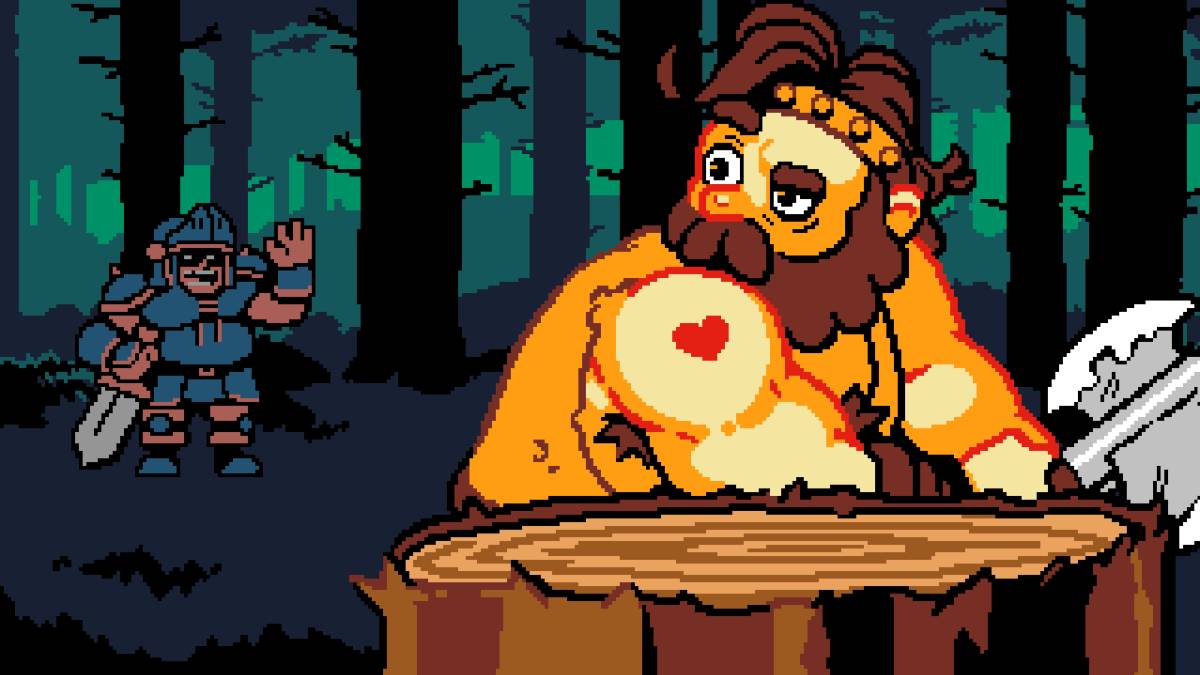
The inclusion of hidden secrets serves as a primary motivator for continued play, encouraging players to explore every nook and cranny, replay levels, and experiment with different character builds in pursuit of new areas, bosses, and enigmatic items. While the game’s commitment to its retro aesthetic is commendable, certain design choices, such as the pervasive use of honking sounds in place of character dialogue, have been noted as potentially distracting or even nonsensical. Nevertheless, these minor eccentricities are overshadowed by a more fundamental critique: once the core mechanics are grasped, Dark Scrolls reportedly loses its edge in terms of difficulty, becoming significantly easier than its initial presentation suggests.
The Elusive Nature of True Difficulty in Gaming
The pursuit of genuine difficulty in video games often leads to an existential questioning of player capabilities, developer intent, and even one’s own gaming prowess. Titles that achieve this delicate balance, such as FromSoftware’s Sekiro: Shadows Die Twice and Elden Ring, often evoke a profound sense of accomplishment upon overcoming their formidable challenges. These games are lauded for their ability to push players beyond their perceived limits, fostering a sense of growth and resilience akin to achieving a personal best in athletic endeavors. The author’s personal quest for such an experience, hoping Dark Scrolls would provide it, ultimately fell short.
While Dark Scrolls is not inherently a "bad" game, its perceived lack of sustained difficulty limits its appeal to players seeking an extreme challenge. It is, by all accounts, an enjoyable experience in shorter bursts, particularly for those who relish exploration and the discovery of secrets. It represents a more modern, arcade-style interpretation of retro-inspired platforming, prioritizing player enjoyment through its engaging presentation. However, it fails to reach the benchmark set by titles like Cuphead, a contemporary side-scroller that has managed to evoke the same sense of deep satisfaction and accomplishment that titles like Rayman and Oddworld provided in the author’s youth.
Cuphead: A Benchmark for Uncompromising Challenge
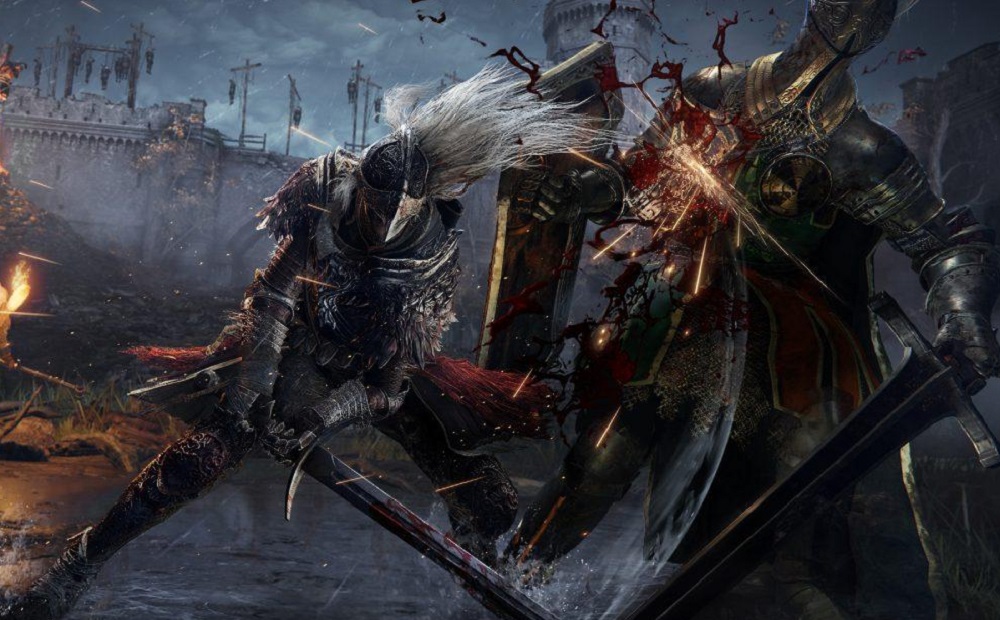
Cuphead, developed by Studio MDHR, stands as a testament to the enduring appeal of uncompromising difficulty. Its notoriously challenging gameplay, which often tested the mettle of even seasoned game journalists during its initial release, demands absolute precision and unwavering focus. The game’s tutorial alone has been described as a significant hurdle, setting the tone for the relentless trials that follow. Cuphead requires players to achieve near-perfect execution, demanding frame-by-frame accuracy and an ability to remain unphased by its stunning, hand-drawn animation. The gameplay demands intense concentration, with brief in-game moments feeling like extended periods of struggle, ultimately forging a more resilient and skilled player.
The contrast between the demanding nature of Cuphead and the discoverable exploits within Dark Scrolls is stark. While Cuphead immerses players in a state of heightened awareness, where every action and reaction is critical, games like Dark Scrolls can, according to the author’s experience, allow for a degree of mental wandering. The discovery of exploits, such as repeatedly using a specific attack for invincibility or a button-mashing strategy, significantly undermines the intended challenge. The author admits to discovering a method to "cheese" the entire game within two hours of play, a feat that, while impressive in its efficiency, carries a degree of shame due to its circumvention of the developer’s intended experience.
The Evolving Market for Difficulty: Soulslikes and Beyond
The current landscape of video games that offer truly profound challenges is largely dominated by the Metroidvania and Soulslike genres. FromSoftware’s extensive catalog of titles, including the aforementioned Elden Ring and Sekiro, has cemented their position as leaders in this niche. However, the author expresses a desire for more experiences akin to Cuphead, a game that, despite its side-scrolling format, delivers a level of difficulty that rivals the most demanding RPGs. The search for such a title is driven by a need to be truly tested, suggesting a potential market gap for games that blend accessible genres with punishing mechanics. The statement, "otherwise I’m plugging my PlayStation 1 back in. Don’t try me, I’ll do it," underscores a genuine commitment to seeking out difficult gameplay, even if it means reverting to older hardware.
Analysis of Implications: The Value of Difficulty and Developer Intent

The discussion around Dark Scrolls and its perceived lack of sustained challenge highlights a critical aspect of game design: the delicate balance between accessibility and difficulty. While games that offer a steep learning curve and demand significant player investment can be immensely rewarding, they risk alienating a broader audience if not implemented thoughtfully. Conversely, games that are too easily overcome may fail to retain the interest of dedicated players seeking a true test of skill.
The success of titles like Cuphead suggests a significant player appetite for experiences that demand perfection and reward perseverance. The game’s visual artistry, combined with its brutal yet fair gameplay, created a unique and memorable experience that resonated with a wide audience. The implication is that difficulty, when coupled with excellent design, clear communication of mechanics (even if implicit), and a sense of fairness, can be a powerful tool for player engagement and satisfaction.
The existence of exploits in Dark Scrolls, while a testament to player ingenuity, also raises questions about the game’s internal balancing and the effectiveness of its challenge design. Developers of challenging games must anticipate and account for potential exploits to ensure that the intended player experience is maintained. The author’s personal experience of quickly finding a way to bypass the game’s difficulty suggests that Dark Scrolls, despite its aesthetic charm and promising mechanics, may require further refinement to meet the expectations of players who are actively seeking an unyielding digital adversary. The ongoing evolution of the gaming industry means that the demand for challenging experiences will likely continue, prompting developers to explore new ways to innovate and deliver satisfyingly difficult gameplay.