


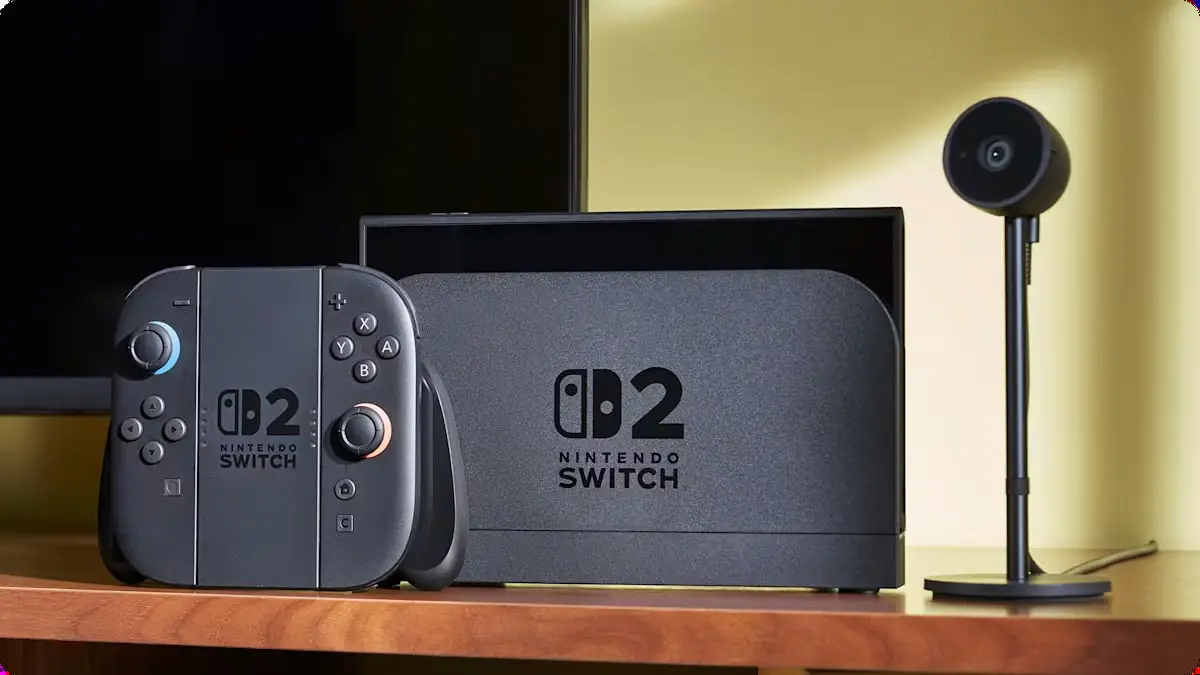
The global video game hardware market has witnessed a significant and precipitous downturn in sales during July, a trend directly correlated with escalating hardware costs and ongoing supply chain disruptions attributed to the burgeoning demand for Artificial Intelligence (AI) processing power. According to the latest data released by Circana, a leading market research firm specializing in the retail industry, total hardware unit sales experienced a staggering 39 percent decrease compared to July of the previous year. This decline, when factoring in an average price increase of 16 percent for gaming hardware, translates to a substantial 29 percent reduction in overall consumer expenditure on gaming consoles and accessories.
July Hardware Sales Plummet: A Comprehensive Overview
The Circana report, meticulously compiled by industry analyst Mat Piscatella, paints a stark picture of consumer purchasing behavior in the face of increased prices and persistent availability challenges. While the overall market contraction is significant, the impact has not been uniform across all major console manufacturers.
- PlayStation 5 (PS5): Sony’s flagship console, the PlayStation 5, demonstrated the most resilience among the current generation of hardware. It experienced the smallest decline in unit sales, with a modest decrease of 6 percent year-over-year. This suggests a dedicated core audience and potentially a more stable supply chain for Sony’s components compared to its competitors.
- Xbox: Microsoft’s Xbox consoles faced a more considerable drop in sales, with unit sales falling by 18 percent. This indicates a greater sensitivity to price increases or perhaps a less robust demand for its current offerings in the face of market pressures.
- Nintendo Switch: The Nintendo Switch, a perennial favorite known for its portability and unique gaming experiences, saw the most dramatic downturn. Unit sales for the Switch declined by a substantial 51 percent. This steep decline is particularly noteworthy, considering the console’s established market presence and broad appeal.
Despite this significant year-over-year drop, it is crucial to contextualize the Nintendo Switch’s performance within its lifecycle. The Switch has consistently been a top seller in terms of total units moved over its lifespan. As Piscatella points out, the Switch remains on track to surpass the all-time sales figures of its predecessor, the original Nintendo DS, a testament to its enduring popularity and broad market penetration. This sustained success in cumulative sales, however, starkly contrasts with the recent sharp decline in monthly unit sales, underscoring the broader market forces at play.
The AI Effect: A Ripple Effect Through the Hardware Industry
The primary driver behind the escalating costs and subsequent decline in consumer purchases appears to be the insatiable demand for AI-related hardware. The development and deployment of advanced AI technologies, particularly large language models and sophisticated machine learning algorithms, require immense computational power. This demand is heavily concentrated on high-performance graphics processing units (GPUs) and specialized AI accelerators, components that are also critical for the production of gaming consoles and other electronic devices.
Timeline of AI-Driven Hardware Strain:
- Late 2022 – Early 2023: Initial signs of increased demand for AI-specific hardware components begin to emerge, primarily from research institutions and major tech companies investing heavily in AI development.
- Mid-2023: The demand intensifies as generative AI tools gain widespread public attention and adoption. This leads to a significant surge in orders for GPUs and other specialized chips.
- Late 2023 – Early 2024: The strain on the semiconductor supply chain becomes palpable. Manufacturers of consumer electronics, including gaming consoles, begin to experience delays and increased costs for essential components like memory chips and processing units.
- Spring/Summer 2024: The cumulative effect of these supply chain pressures and increased component costs directly translates to higher retail prices for a wide range of electronic devices, including gaming hardware. This period coincides with the significant sales decline observed in July.
This phenomenon has created a competitive bidding war for crucial semiconductor resources. Companies developing AI solutions are willing to pay premium prices for the limited supply of advanced chips, directly impacting the cost of production for other electronics. Consequently, the price of virtually any product containing digital components has seen an upward trend. From smartphones and personal computers to smart home appliances and even basic digital calculators, consumers are now facing higher price tags across the board. The report’s assertion that "AI-induced hardware woes, primarily due to that technology hogging all the memory for itself, have started impacting pricing on basically any product out there that contains digital components" accurately reflects this widespread issue.
Analyzing the Implications: Consumer Behavior and Market Dynamics
The dramatic drop in hardware sales in July is a clear indicator of consumer price sensitivity. When the cost of essential goods rises significantly, discretionary purchases like new gaming consoles are often among the first to be deferred. The 16 percent increase in hardware prices, coupled with economic uncertainties in various global markets, has likely led many potential buyers to postpone their purchases or opt for older, more affordable models.
Broader Impact and Future Outlook:
- Shift in Consumer Priorities: The increased cost of living, fueled by inflation and the rising prices of electronics, may force consumers to re-evaluate their spending habits. This could lead to a greater emphasis on value and affordability in future purchasing decisions.
- Impact on Game Development and Sales: A sustained decline in hardware sales can have a ripple effect on the entire gaming ecosystem. Lower hardware adoption rates can translate to a smaller player base, potentially impacting game sales and the profitability of game developers. Publishers may become more cautious with their investment in new titles, leading to fewer ambitious projects or a greater focus on live-service games with recurring revenue models.
- Manufacturer Strategies: Console manufacturers may be compelled to adjust their strategies. This could involve exploring alternative component sourcing, investing in their own chip fabrication capabilities, or even reconsidering pricing models. The current situation might also incentivize a greater focus on digital game sales and subscription services as a means to maintain revenue streams independent of hardware unit sales.
- Long-Term Semiconductor Supply: The current imbalance in the semiconductor market highlights the need for increased production capacity and diversification of supply chains. Governments and industry leaders are increasingly recognizing the strategic importance of semiconductor manufacturing, leading to investments in new fabrication plants and research into alternative materials and designs. However, these efforts are long-term solutions and will not immediately alleviate the current pressures.
The stark contrast between the sales performance of individual consoles, even with the Switch’s overall unit dominance, underscores the raw numbers at play. While higher prices may allow Sony and Microsoft to maintain or even increase profit margins on the consoles they do sell, the sheer volume of units moving is significantly lower. This data point suggests that the premium pricing, while potentially boosting immediate profits per unit, is ultimately hindering broader market penetration for the PS5 and Xbox.
Expert Commentary and Industry Reactions
While direct statements from the manufacturers regarding the July sales figures were not immediately available at the time of reporting, industry analysts have been vocal about the underlying causes. Mat Piscatella of Circana has consistently emphasized the dual impact of elevated prices and supply chain constraints. In previous analyses, Piscatella has noted that "consumers are facing a confluence of economic pressures, and when coupled with the rising cost of technology, it inevitably leads to a slowdown in discretionary spending."
The broader tech industry is also grappling with similar challenges. Companies across various sectors are experiencing the ramifications of the AI-driven demand for semiconductors. This has led to discussions and initiatives aimed at alleviating the strain, including efforts to increase chip manufacturing capacity and to optimize the use of existing resources.
Conclusion: A Challenging Period for the Gaming Hardware Market
The July sales figures represent a significant inflection point for the gaming hardware market. The convergence of unprecedented demand for AI-related hardware and the resulting inflationary pressures on consumer electronics has created a challenging environment for console manufacturers and consumers alike. While the long-term implications are still unfolding, it is clear that the industry must navigate these complex dynamics to ensure sustained growth and accessibility for gamers worldwide. The current trend suggests a period of recalibration, where price, availability, and consumer purchasing power will be paramount in shaping the future of gaming hardware. The industry’s ability to adapt to these evolving market conditions will be critical in the coming months and years.