


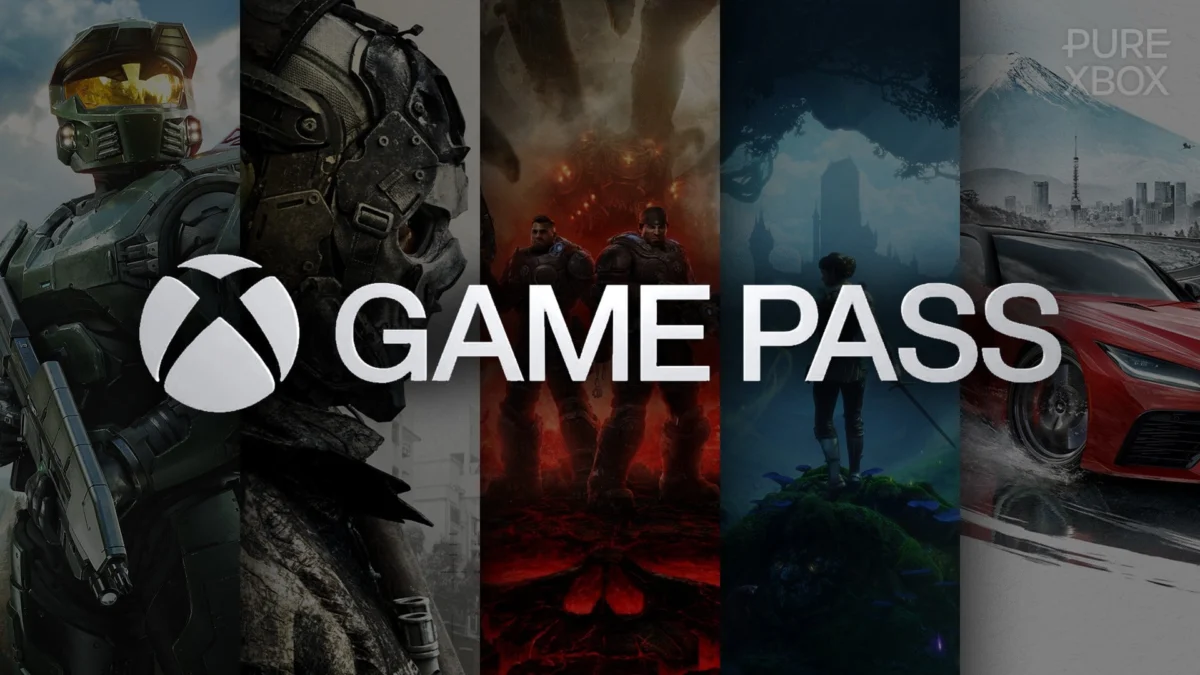
The landscape of digital video game distribution is facing a potential paradigm shift as reports surface regarding the long-term viability of "day one" releases on Xbox Game Pass. Speculation intensified following a series of industry rumors suggesting that Microsoft may be considering a major restructuring of its subscription service by early 2027, potentially moving away from the immediate inclusion of first-party titles at launch. This development comes at a critical juncture for the gaming giant, as it balances the massive capital expenditures of recent acquisitions against the need for sustainable revenue growth in a maturing subscription market.
The Origin of the Restructuring Rumors
The current discourse surrounding the future of Xbox Game Pass was ignited by reports indicating that the "day one" release model—a cornerstone of the service since 2018—could be phased out or significantly altered by 2027. While initial claims were met with skepticism, the rumor gained traction due to recent, verifiable changes in Microsoft’s strategy. Over the course of 2026, Microsoft implemented several experimental adjustments to the service, including tiered pricing structures, new membership discounts for lapsed subscribers, and the introduction of time caps on Cloud Gaming for certain membership levels.
According to industry insiders and reports from Windows Central, there is currently no finalized plan to remove day-one games from the highest tier, Xbox Game Pass Ultimate, in their entirety. However, sources close to the company acknowledge that "changes are coming" to the service’s architecture. These changes appear to be driven by a need to optimize the Average Revenue Per User (ARPU) and to ensure that high-budget AAA titles, which often cost hundreds of millions of dollars to develop, achieve their necessary retail potential.
Official Response from Microsoft
In response to the growing speculation, Microsoft issued a statement that neither confirmed nor fully denied the possibility of future structural changes. The company stated that it does not "have any changes to announce today or plans that have been finalized," further clarifying that "there are no changes to previously announced games coming to Game Pass Ultimate on day one."
Market analysts have noted that this response follows a standard corporate communications pattern: protecting current marketing cycles for upcoming titles while maintaining the flexibility to pivot strategy in the coming years. By specifying that "previously announced" games remain unaffected, Microsoft leaves the door open for a different approach to titles that have yet to be revealed or those slated for release beyond the 2026–2027 window.
A Chronology of the Xbox Game Pass Evolution
To understand the potential shift in 2027, it is necessary to examine the evolution of the service over the last decade:
- June 2017: Xbox Game Pass launches as a "Netflix-style" subscription for a rotating catalog of older titles.
- January 2018: Microsoft makes the landmark announcement that all future first-party titles from Microsoft Studios would launch "day and date" on the service.
- 2020–2021: The acquisition of ZeniMax Media (Bethesda) significantly bolsters the day-one value proposition with franchises like Starfield and The Elder Scrolls.
- October 2023: Microsoft completes the $68.7 billion acquisition of Activision Blizzard, bringing Call of Duty, Warcraft, and Diablo under its umbrella.
- Early 2024: Microsoft reports that Xbox Game Pass has reached 34 million subscribers, though growth in the console sector begins to show signs of plateauing.
- Mid-2024: The introduction of "Game Pass Standard" creates a tier that excludes day-one releases, marking the first time the feature was not universal across all console tiers.
- 2026: Implementation of Cloud Gaming time limits and price adjustments indicates a shift toward cost-management and infrastructure optimization.
The Economic Pressure of AAA Development
The primary driver behind a potential move away from day-one releases is the skyrocketing cost of game development. Modern "blockbuster" titles such as Gears of War: E-Day and the upcoming Fable reboot require years of production and massive marketing budgets. When these titles are placed on a subscription service on launch day, the platform holder essentially trades millions of potential $70 retail sales for the hope of increased subscriber retention and long-term recurring revenue.
For a company that recently spent nearly $70 billion on Activision Blizzard, the pressure to recoup investment is immense. This tension is already visible in the strategy for the Call of Duty franchise. Recent reports suggest that Activision has plans to delay the inclusion of future Call of Duty titles on Game Pass, favoring a traditional retail window to maximize initial sales before moving the titles to the subscription library. This "windowing" strategy—similar to how theatrical films move to streaming services months after their cinema debut—is becoming an increasingly attractive model for publishers.
Shifting Consumer Habits and the Physical Media Resurgence
Despite the industry’s push toward a digital-only future, a significant segment of the Xbox audience continues to value physical media and permanent ownership. Microsoft has attempted to bridge this gap with its "disc-to-digital" feature, which allows users to integrate their physical libraries with digital ecosystems.
Data suggests that while subscription services are excellent for discovery, core fans often prefer to own major first-party titles. For games like Persona 4 Revival or Gears of War: E-Day, the "collector" mentality remains strong. If Microsoft were to delay the Game Pass debut of these titles by even 30 to 90 days, it could potentially capture the high-value retail market without alienating the subscription base, who would still receive the game as part of their membership at a later date.
Comparative Analysis: Xbox vs. Sony and Ubisoft
Microsoft’s potential pivot would bring Xbox Game Pass closer in line with its primary competitor, Sony’s PlayStation Plus. Sony has famously resisted putting its biggest first-party releases—such as God of War or Spider-Man—on its subscription service on day one. Sony Interactive Entertainment leadership has repeatedly argued that day-one inclusions would diminish the quality of their games by reducing the direct return on investment.
Similarly, Ubisoft+ offers day-one access but at a premium price point ($17.99/month), often exceeding the cost of Game Pass. If Microsoft moves away from day-one releases for its standard or ultimate tiers, it may signify an industry-wide consensus that the "all-you-can-eat" model for brand-new, $200-million productions is not financially sustainable in the long term.
The Impact on the Xbox Ecosystem
The removal or delay of day-one releases would fundamentally change the value proposition of the Xbox brand. For years, "Day One on Game Pass" has been the primary marketing slogan for the Xbox Series X|S consoles. A shift in this policy could have several implications:
- Hardware Sales: If the "value" of the subscription decreases, Microsoft may need to rely more heavily on hardware innovations or exclusive features to drive console sales.
- Subscriber Retention: The "Ultimate" tier may see a decline in subscribers if the gap between retail release and subscription availability becomes too wide.
- Third-Party Partnerships: Independent developers often rely on the upfront payments from Microsoft to put their games on Game Pass on day one. If Microsoft reduces its budget for day-one content, the indie development scene on Xbox could face new financial hurdles.
Potential Future Models for Game Pass
As 2027 approaches, industry analysts expect Microsoft to explore several hybrid models to maintain the service’s appeal while protecting retail revenue. These include:
- The "Early Access" Tier: A new, higher-priced tier that retains day-one access, while the standard "Ultimate" tier receives games 3–6 months later.
- Timed Exclusivity for Retail: First-party games launch exclusively at retail and on digital storefronts for a set period (e.g., 90 days) before joining the Game Pass library.
- The "Curated Catalog" Approach: Rebranding Game Pass as a premier back-catalog service, focusing on providing a massive library of high-quality titles rather than the latest releases.
Conclusion
The rumors of a 2027 restructure for Xbox Game Pass highlight the growing pains of the gaming subscription model. While Microsoft’s official stance remains one of "no immediate changes," the economic realities of the Activision Blizzard acquisition and the rising costs of AAA development suggest that the "day one" era may be entering a transitional phase. Whether Microsoft can maintain its "player-first" reputation while satisfying the financial demands of its stakeholders will be the defining challenge for the Xbox brand in the latter half of the decade. As the industry watches closely, the eventual decision will likely set the standard for how digital games are consumed for years to come.