


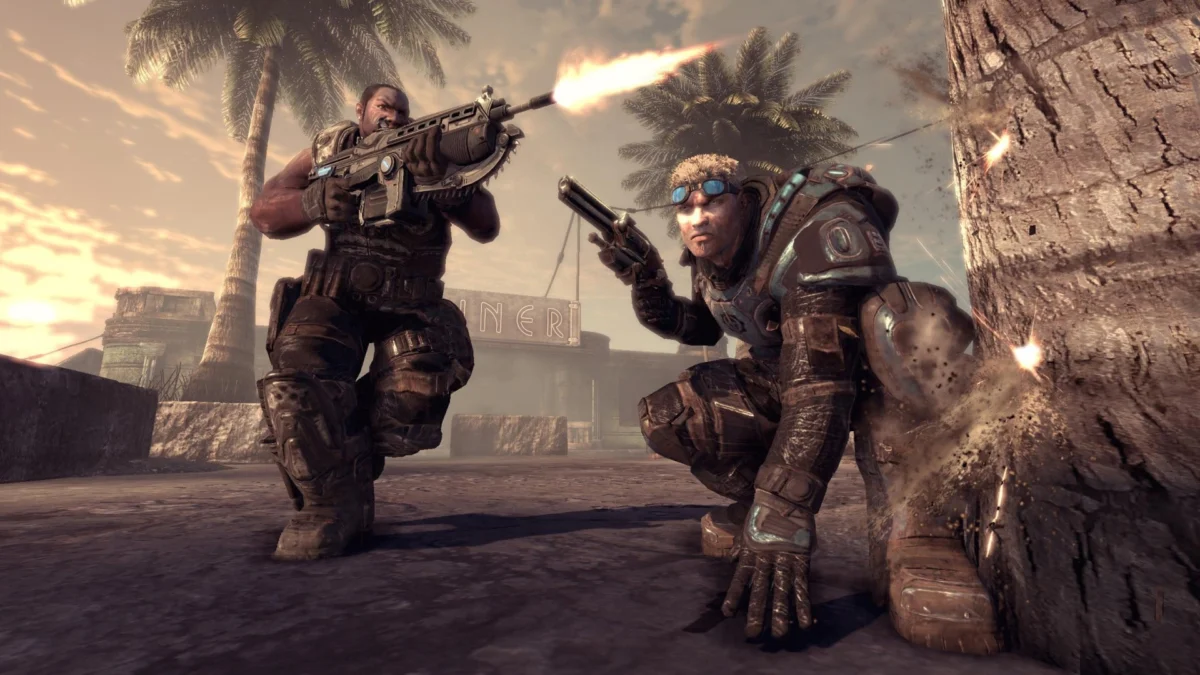
Microsoft and developer The Coalition have officially scheduled the first hands-on opportunities for the highly anticipated Gears of War: E-Day, announcing a structured multiplayer beta program set to commence in August. According to the release schedule, the initial phase of testing will run from August 6 through August 10, exclusively for players who have pre-ordered the title or maintain active subscriptions to Xbox Game Pass Ultimate or PC Game Pass. This early access window will be followed by an Open Beta period, spanning August 13 to August 17, allowing the broader gaming community to experience the latest iteration of the long-running tactical shooter. This testing phase represents a critical milestone for a franchise that has served as a cornerstone of the Xbox ecosystem for nearly two decades, marking its return to the foundational roots of the Locust War.
The Genesis of a Genre: A Historical Retrospective
The Gears of War franchise debuted on the Xbox 360 in November 2006, developed by Epic Games under the direction of Cliff Bleszinski. At the time, the industry was shifting toward high-definition visuals and more complex mechanical systems. Gears of War distinguished itself by refining the cover-based shooter mechanic, often referred to as "stop and pop" gameplay. While earlier titles like WinBack and Kill Switch had experimented with cover systems, Gears of War perfected the fluidity of movement between environmental obstacles, creating a rhythmic combat loop that would influence dozens of third-person shooters in the years that followed.
The original game was marketed with the now-legendary "Mad World" trailer, featuring a melancholic cover of the Tears for Fears song by Gary Jules. This marketing campaign was instrumental in establishing the series’ unique tone: a blend of hyper-masculine "beefy" aesthetics and a surprisingly grim, somber atmosphere. Set on the planet Sera, the narrative followed Marcus Fenix and Delta Squad as they fought an underground threat known as the Locust Horde, which had emerged on "Emergence Day" to wipe out humanity. The game was a commercial juggernaut, selling over three million copies in its first ten weeks and becoming the fastest-selling game of 2006.
The Golden Era and Narrative Expansion
The success of the first entry paved the way for a trilogy that would define the Xbox 360’s dominance in the console market. Gears of War 2, released in 2008, expanded the scope of the conflict and introduced "Horde Mode," a cooperative wave-based survival mode that became a staple of the industry. Narratively, the sequel delved deeper into the personal costs of the war, most notably through the tragic arc of Dominic Santiago and his search for his wife, Maria. This shift toward emotional storytelling helped the series transcend its "dudes with chainsaws" reputation, fostering a deep connection between the player base and the characters.
By the release of Gears of War 3 in 2011, the franchise had solidified its place in gaming history. The third installment served as the conclusion to the initial Marcus Fenix saga and is frequently cited by fans and critics as the pinnacle of the series. The game introduced four-player cooperative play and significantly expanded the multiplayer suite with Dedicated Servers, a rarity for consoles at the time. According to industry data, Gears of War 3 surpassed three million pre-orders, setting a record for Xbox exclusives. The trilogy’s conclusion was both a critical and commercial triumph, but it also left the future of the IP in a state of uncertainty as Epic Games began to pivot toward other projects.
Transition of Power: The Acquisition and The Coalition
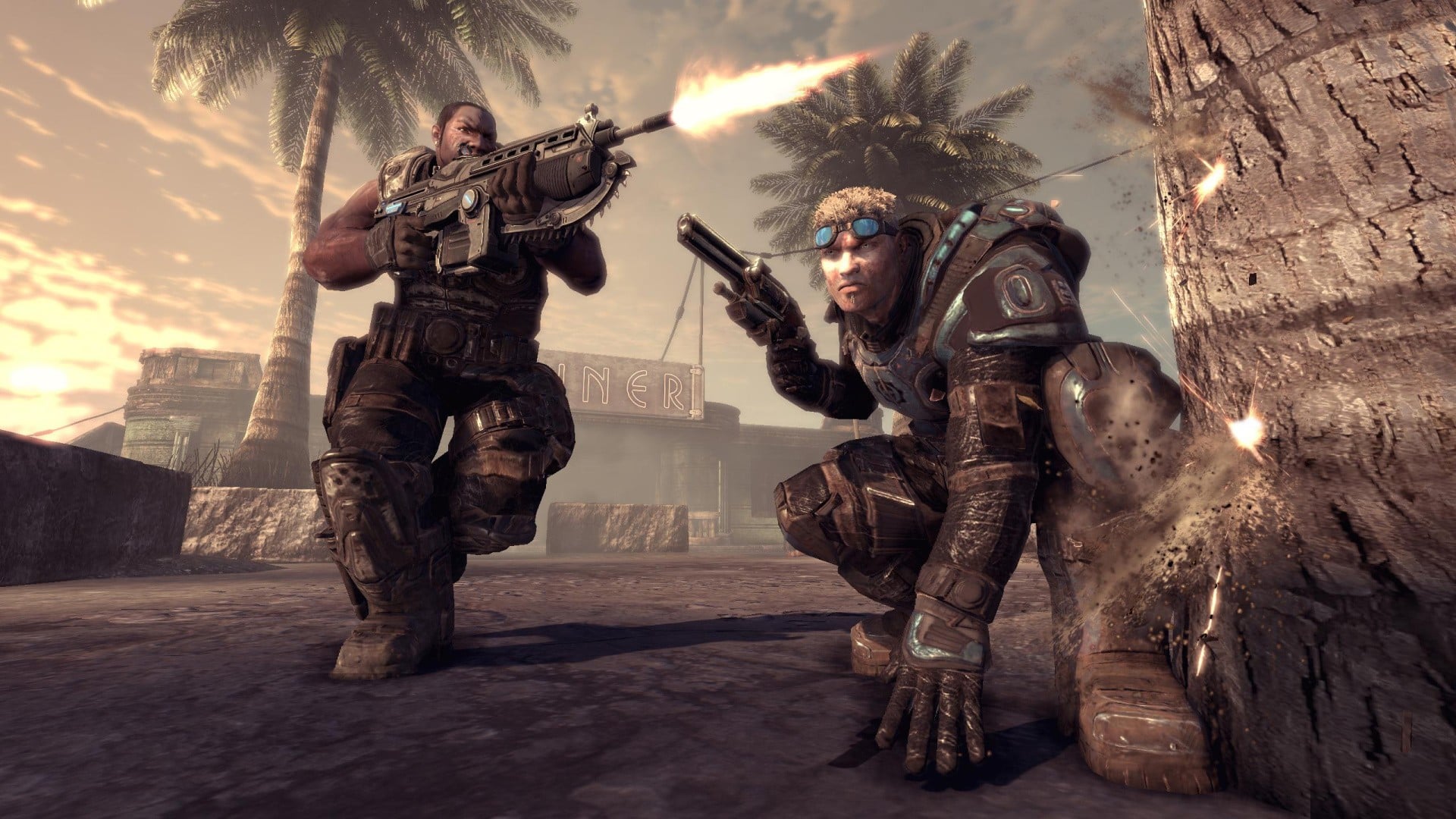
In 2014, Microsoft announced the acquisition of the Gears of War intellectual property from Epic Games, a move intended to ensure the franchise remained a pillar of the Xbox brand. To lead the development, Microsoft established a dedicated studio in Vancouver, eventually named The Coalition, headed by series veteran Rod Fergusson. The studio’s first major task was the development of Gears of War 4 (2016), which introduced a new generation of protagonists, led by Marcus Fenix’s son, JD Fenix.
While Gears of War 4 was praised for its technical polish and faithful recreation of the series’ mechanics, some critics argued it played it too safe, sticking closely to the established formula. The subsequent entry, Gears 5 (2019), sought to innovate by introducing semi-open world environments and shifting the focus to Kait Diaz, a character with a mysterious connection to the Locust origin. Gears 5 was a significant success for Microsoft’s nascent Game Pass service, attracting over three million players in its opening weekend. However, the experimental nature of the campaign and changes to the multiplayer progression system polarized some long-time enthusiasts.
Technical Analysis and the Unreal Engine 5 Shift
The upcoming Gears of War: E-Day represents a technical and narrative pivot for the franchise. Unlike Gears 5, which pushed the limits of Unreal Engine 4, E-Day is being built from the ground up on Unreal Engine 5. This transition allows The Coalition to leverage advanced features such as Lumen (dynamic global illumination) and Nanite (virtualized geometry), which are expected to deliver a level of visual fidelity that matches the "gritty" and "visceral" aesthetic of the original 2006 title.
The decision to develop a prequel rather than a direct sequel to Gears 5 is seen by industry analysts as a strategic move to recapture the series’ identity. By returning to the events of Emergence Day, the developers are focusing on the horror-tinged roots of the franchise. This "reset" allows for a more focused narrative and provides an entry point for newer players who may have been overwhelmed by the increasingly complex lore of the later sequels.
The Strategic Importance of the E-Day Beta
The upcoming beta periods in August serve multiple functions for Microsoft and The Coalition. From a technical standpoint, the beta is a "stress test" for the multiplayer infrastructure. Given the series’ history of high-intensity competitive play, ensuring server stability and weapon balance is paramount. The "Active Reload" mechanic and the "Gnasher" shotgun meta-game require precise networking to function correctly in a competitive environment.
Data collected during the August 6-17 window will likely influence the final tuning of the game’s combat systems. Historically, Gears of War betas have led to significant changes in movement speed, weapon damage values, and map layouts. For Microsoft, the beta also serves as a powerful incentive for Xbox Game Pass subscriptions. By tying early access to the Ultimate tier, Microsoft continues its strategy of using high-profile first-party content to drive recurring revenue and user engagement within its service ecosystem.

Broader Industry Impact and Implications
The revival of the Gears of War franchise comes at a pivotal time for the Xbox brand. As Microsoft continues to integrate its acquisitions of Bethesda and Activision Blizzard, the pressure remains on its legacy franchises to perform as "system sellers." Gears of War: E-Day is positioned as a showcase for the power of the Xbox Series X|S hardware, particularly in its ability to handle the demanding requirements of Unreal Engine 5 at high frame rates.
Furthermore, the "E-Day" concept reflects a broader trend in the entertainment industry toward prequels and "soft reboots" that prioritize brand heritage. By revisiting Marcus Fenix and Dominic Santiago in their younger years, The Coalition is tapping into the nostalgia of the Xbox 360 era, which many fans consider the "golden age" of the platform. If successful, E-Day could revitalize interest in the franchise and pave the way for a new era of Gears content, potentially spanning television or film, following the success of other gaming adaptations like Halo and Fallout.
Conclusion: Anticipation and Community Engagement
As the August 6 start date for the beta approaches, the community response has been a mixture of cautious optimism and high expectation. The return to a more traditional "Gears of War" title—complete with the full name restored and a focus on the brutal beginnings of the war—suggests that The Coalition has listened to feedback regarding the more experimental elements of Gears 5.
The upcoming testing phases will provide the first definitive answer as to whether the franchise can maintain its relevance in a modern gaming landscape dominated by live-service battle royales and hero shooters. For the veterans who remember the first time a Gnasher blast connected or the first time a chainsaw duel was won, the E-Day beta is more than just a preview; it is a return to a world that helped define their gaming identity. Whether it is the frantic defense of a capture point or the tense atmosphere of a 1v1 execution match, the next few weeks will determine the trajectory of one of Xbox’s most enduring legacies.