


The pursuit of overcoming formidable video game challenges has long been a cornerstone of the gaming experience for many, evolving from the pixelated trials of childhood to the demanding gauntlets presented by contemporary titles. This drive, often fueled by a blend of pride, ego, and the intrinsic satisfaction of mastery, has seen players flock to games like FromSoftware’s Elden Ring, the punishing roguelike Fear & Hunger, and the recently released indie title Nine Sols. These experiences offer a potent antidote to the increasingly accessible nature of many modern games, promising an almost existential reckoning with failure before the eventual triumph. However, the landscape of challenging gameplay is vast, and not all attempts to replicate this demanding spirit hit the mark, as exemplified by the recent release of doinksoft’s Dark Scrolls.
A Legacy of High-Stakes Gaming
For a generation of gamers, the formative years were defined by the arduous yet rewarding journeys through titles that demanded persistence and skill. The notorious difficulty of levels like Crash Bandicoot‘s "Cold Hard Crash," the intricate platforming of Spyro the Dragon‘s "Tree Tops," and the brutal permadeath mechanics of The Lost World: Jurassic Park on PlayStation instilled a unique form of resilience. These early encounters with challenge were not merely about entertainment; they were about learning to adapt, to persevere through repeated failure, and to celebrate hard-won victories. The Platinum achievements in TimeSplitters challenges further cemented this desire for ultimate mastery, pushing players to their limits through intricate, often unforgiving, gameplay loops.
This legacy has been carried forward into the current gaming era, with titles like Elden Ring dominating discussions around difficulty. The sheer scale and intricate combat system of Elden Ring, coupled with the high stakes of losing accumulated "runes" upon death, have captivated a global audience. Similarly, Nine Sols, a 2D action-platformer inspired by Asian mythology, has garnered attention for its demanding combat and boss encounters. Fear & Hunger, a dark fantasy RPG, is known for its unforgiving nature, psychological horror, and the constant threat of permanent character death, attracting a niche but dedicated player base. The satisfaction derived from these games, often summarized by in-game declarations like "PREY SLAUGHTERED," speaks to a fundamental human desire to conquer obstacles and prove one’s capability. This craving for the next "hurdle to bulldoze over" is a powerful motivator for players seeking more than just a casual gaming session.
Introducing Dark Scrolls: A Retro-Inspired Contender
It was this insatiable hunger for a significant gaming challenge that led many to investigate Dark Scrolls, the latest offering from developer doinksoft. Known for their previous works such as Gato Roboto, Demon Throttle, and the critically acclaimed Gunbrella, doinksoft has a reputation for crafting charming, retro-inspired 2D adventures. Dark Scrolls arrived with the promise of a vibrant, colorful 2D aesthetic, a seemingly simple three-button control scheme, and an emphasis on discovery through hidden secrets and an engaging core gameplay loop.
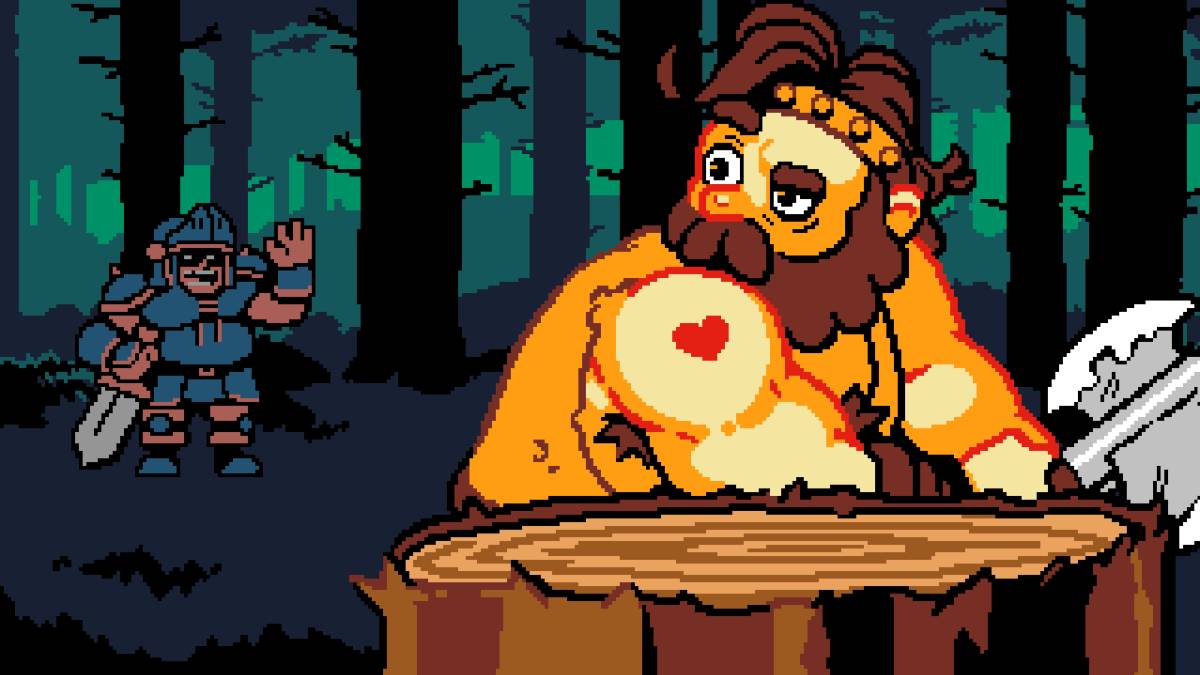
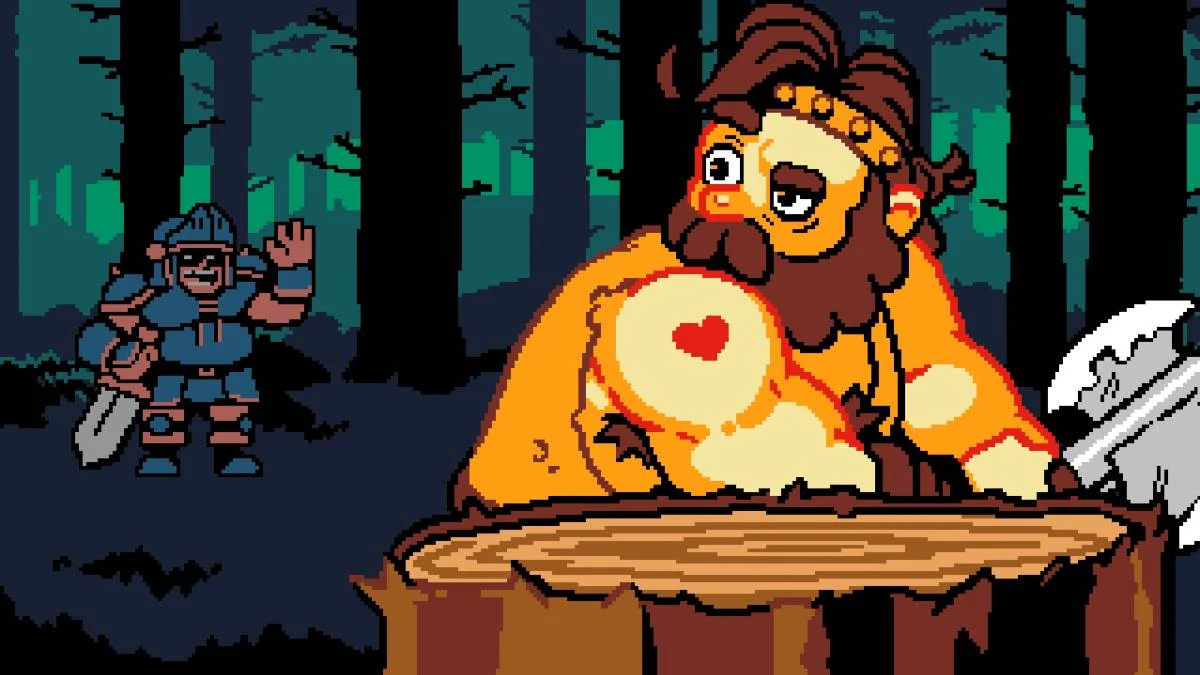
Aesthetically, Dark Scrolls delivers a visually appealing package. The 2D animation is bright and lively, contributing to a charming and approachable presentation. The developer’s signature style, characterized by clean lines and expressive character designs, is evident throughout the game. This retro-inspired approach, reminiscent of the early days of 2D platforming on consoles like the Super Nintendo and PlayStation, often appeals to players nostalgic for that era, while also attracting a new generation of gamers interested in the genre’s roots.
The Initial Allure of Challenge
Upon its initial release, Dark Scrolls presented an intriguing facade of difficulty. The auto-scrolling nature of the levels, combined with the limited three-button input, could initially be misleadingly perceived as straightforward. However, beneath this simplicity lay a deliberate design choice by doinksoft to eschew overt tutorials and hand-holding, a refreshing departure from many contemporary games. This approach forces players to engage with the mechanics organically, encouraging experimentation and discovery. The game features three distinct starting characters, each possessing a unique ultimate ability and a corresponding perk system. Unraveling these systems, understanding their synergistic potential, and mastering the timing of their activation is crucial for progression.
This "learn-as-you-go" philosophy, while often celebrated for fostering genuine player agency, can also be a double-edged sword. For Dark Scrolls, it contributed to an initial perception of significant challenge. The absence of explicit instructions means players must decipher the game’s rules through trial and error. This can lead to moments of genuine frustration, but also to profound "aha!" moments when a particular mechanic or strategy finally clicks. The allure of uncovering hidden areas, battling unique bosses, and collecting mysterious items that hint at deeper mechanics further fuels the player’s desire to delve deeper, run after run.
The Erosion of Difficulty: A Critical Flaw
Despite its promising aesthetic and initial learning curve, Dark Scrolls ultimately falters in its ability to sustain a meaningful level of difficulty. While the game boasts some idiosyncratic design choices, such as the jarring use of honking sounds in place of dialogue, its most significant failing lies in its rapid descent into oversimplicity once the core mechanics are understood. The auto-scrolling nature, which can be an effective tool for pacing and controlling the flow of action, begins to feel repetitive. The core gameplay loop, while initially engaging, lacks the depth to sustain a consistently challenging experience.
This is a common pitfall for games aiming for a retro-inspired feel; while emulating the aesthetics and certain design philosophies of older games, they sometimes overlook the nuanced ways in which those games maintained player engagement and challenge. In the case of Dark Scrolls, the "gimmick" that is supposed to ensure players "keep on, keeping on" becomes less of a driving force and more of a predictable pattern. The secrets and hidden areas, while initially rewarding, do not sufficiently compensate for the lack of robust combat encounters or strategic depth.
The Existential Crisis of True Difficulty
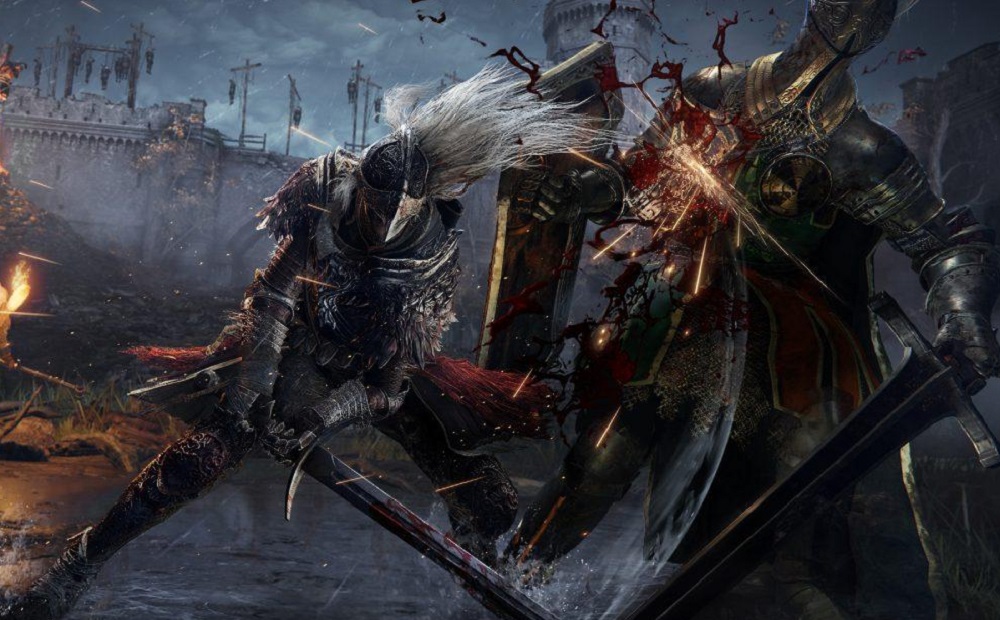
The benchmark for truly challenging games often lies in their ability to induce an "existential crisis" in the player. Titles like Sekiro: Shadows Die Twice and Elden Ring from FromSoftware are prime examples of this phenomenon. These games do not merely present obstacles; they force players to confront their own limitations, question their strategies, and confront the possibility of their own inadequacy. The questions that arise during such encounters – "Who said this was okay?", "Has the developer even beaten this boss?", and "Does God hate me?" – are not signs of a poorly designed game, but rather indicators of a profound and meaningful challenge.
This level of difficulty, when executed effectively, pushes players beyond their perceived breaking point. It is an experience that can feel akin to participating in the Olympics or undertaking a lunar mission, offering a sense of accomplishment that transcends mere entertainment. The act of overcoming such challenges can foster a sense of resilience, perseverance, and self-efficacy that extends far beyond the digital realm. The hope for such an experience from Dark Scrolls was palpable for many players seeking that profound sense of mastery. Unfortunately, Dark Scrolls ultimately falls short of delivering this transformative level of difficulty.
A Competent, Yet Unfulfilled, Promise
It is crucial to emphasize that Dark Scrolls is not an inherently bad game. On the contrary, it offers a pleasant, albeit brief, diversion for players who appreciate its charming aesthetic and enjoy the thrill of discovery. It represents a modern, arcade-like attempt at a retro-inspired platformer that prioritizes player enjoyment. However, for those who, like the author, yearn for a truly demanding gaming experience, Dark Scrolls leaves a void. The game’s primary failing is its inability to consistently present a significant challenge. Within a relatively short period of gameplay, players can discover exploitable mechanics that trivialize boss encounters and negate the need for strategic thinking. For instance, the discovery of a button-mashing exploit or a specific character’s invulnerability frames can effectively "cheese" the entire game, leading to a hollow victory and a sense of personal shame for circumventing the intended experience.
Cuphead: The Gold Standard of Modern Difficulty
In the realm of recent side-scrolling games, Cuphead stands as a towering achievement in delivering a challenging yet immensely rewarding experience. Developed by Studio MDHR, Cuphead captivated the gaming world with its stunning hand-drawn animation, inspired by 1930s cartoons, and its notoriously unforgiving gameplay. The game is a testament to the power of relentless practice and meticulous execution.
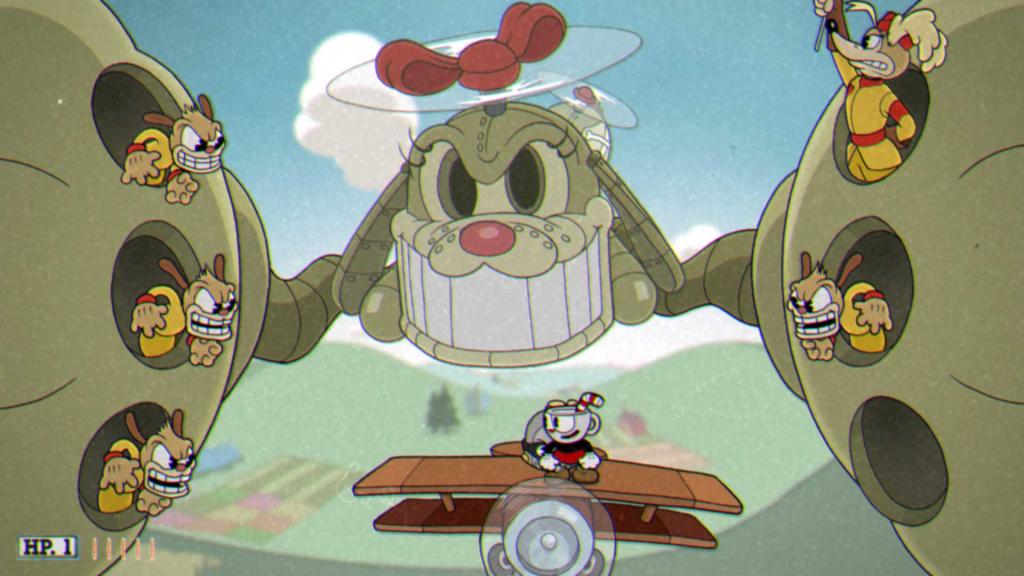
The challenge presented by Cuphead is frame-by-frame perfection. Players are not simply asked to survive; they are demanded to achieve absolute precision in their movements and attacks. The game’s visual splendor, while a major draw, serves as a beautiful distraction from the brutal reality of its gameplay. Success in Cuphead requires an unwavering focus, a commitment to learning enemy patterns, and the ability to react instantaneously to a barrage of projectiles and enemy assaults. Each boss fight is a multi-phase ordeal that demands unwavering concentration and a willingness to learn from every defeat.
The minutes spent in a Cuphead boss encounter can feel like an eternity, a grueling test of endurance and skill. Yet, emerging victorious from these encounters fosters a profound sense of accomplishment. It is a journey that transforms players, building resilience and a deep appreciation for mastery. The feeling of overcoming Cuphead‘s challenges is so significant that it’s humorously suggested it "deserves to be put on résumés." This sentiment underscores the extraordinary level of dedication and skill required to conquer the game, a level that Dark Scrolls simply does not reach.
The Evolving Landscape of Gaming Challenge
The search for games that truly test players’ mettle has, in recent years, largely been confined to specific genres. Metroidvanias, with their intricate level design and often punishing combat, and Soulslikes, renowned for their deliberate pacing and high-stakes combat, have become the primary bastions of difficulty. Cuphead stands as a rare exception, a side-scroller that successfully marries a demanding gameplay experience with a unique artistic vision.
While developers like FromSoftware have perfected the art of crafting challenging, engaging worlds, the desire for a different flavor of difficulty persists. The author’s yearning for another Cuphead-esque experience highlights a broader player demand for games that push them to their absolute limits, games that offer a genuine test of skill and perseverance. Without such titles, players may find themselves revisiting older consoles, such as the PlayStation 1, to recapture that elusive feeling of overcoming truly formidable obstacles. The quest for genuine gaming challenge continues, a testament to the enduring appeal of pushing boundaries and achieving mastery in the interactive medium. The industry’s response to this demand, whether through the evolution of existing genres or the creation of entirely new ones, remains a critical factor in satisfying the dedicated segment of the gaming community that thrives on the thrill of the impossible.