


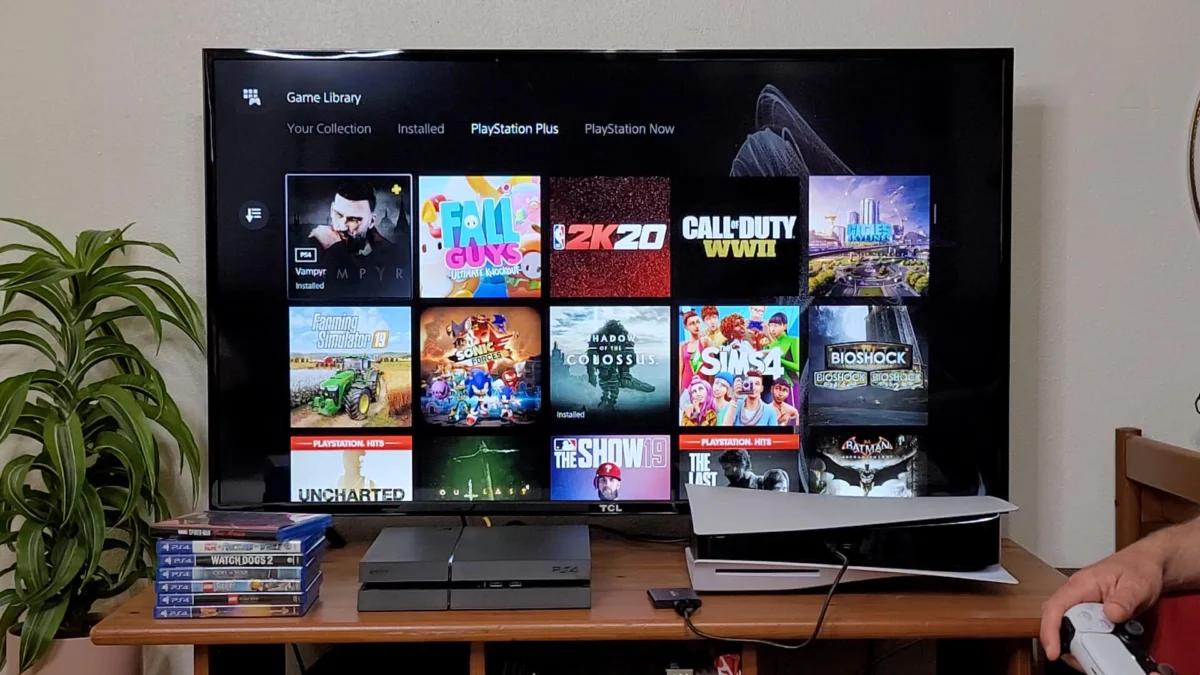
Sony PlayStation is definitively moving away from physical media, announcing plans to halt the sale of new physical disc games by January 2028. This strategic pivot, communicated through a PlayStation blog post on July 1, 2026, marks a significant shift towards an all-digital future for the console giant, a decision that has ignited a furious backlash among a substantial segment of its global player base. The company cited evolving consumer trends and a general preference for digital content as the primary drivers behind this monumental change.
The official statement from Sony clarified, "Following this date, new games will be available on PlayStation Store and at retailers in digital formats only. This transition has no impact on games that already released, or will be releasing, prior to January 2028 in disc format." While existing physical libraries will remain playable on compatible hardware, the impending cessation of new disc releases signals the definitive twilight for physical gaming on PlayStation platforms.
The Immediate and Intense Gamer Backlash
The announcement was met with immediate and vocal disapproval from the gaming community. Many PlayStation enthusiasts expressed feelings of betrayal and concern over the implications for game ownership, preservation, and consumer rights. This discontent quickly coalesced into organized protest movements.
One prominent initiative, dubbed "PSBlackout," urged gamers worldwide to participate in a coordinated boycott of Sony platforms. Spearheaded by various content creators and community organizers, the PSBlackout campaign called for players to power off their PlayStation systems for the entire week of August 23, refraining from any logins, play sessions, or digital purchases on Sony’s ecosystem. A viral tweet from the advocacy group "Does it play?" encapsulated the sentiment, stating, "Sony wants to abandon fans? Let’s give them a small taste of their own medicine! Together with other creators we call for a 1 week #PSBlackout in August. No logins, no play sessions, no purchases on any of Sony’s platforms." This call to action resonated deeply, signaling a significant rift between the company’s strategic direction and a passionate segment of its user base.
Beyond the boycott, a Change.org petition titled "Don’t Kill the Disc: Tell Sony to Keep Physical PlayStation Games" rapidly gained traction. Within weeks of the announcement, the petition garnered over 350,000 verified signatures, reflecting the widespread desire among gamers to retain the option of physical media. These initiatives underscore the emotional attachment many players have to collecting, owning, and reselling physical game copies, a sentiment that appears to have been underestimated by Sony.
Sony’s Unwavering Stance Amidst Dissent
Despite the fervent outcry, Sony has indicated no intention of reversing its decision. During a subsequent Q&A session with shareholders, Sony CFO Lin Tao addressed the controversy directly. Tao reiterated the company’s commitment to the all-digital roadmap, acknowledging the "emotions of upset players" and the connection games have to "people’s fond memories." However, she maintained that the company does not anticipate the backlash will negatively affect overall sales, though she did note Sony would proceed "cautiously" with its plans.
Tao further elaborated that Sony is actively "deciding how to address feedback from gamers unhappy with the decision" and hinted at potential future measures to "lessen the blow," without providing specific details. She expressed Sony’s desire to "engage with gamers in the future digital ecosystem," suggesting that while the medium of distribution is changing, the company aims to maintain community connection. A representative from Sony did not immediately respond to requests for further comment on these prospective measures.

The Broader Digital Transformation in Gaming and Entertainment
Sony’s move is not an isolated event but rather a significant step within a larger, inexorable trend towards digital distribution across the entertainment industry. The music industry largely completed its transition from physical CDs to digital downloads and streaming services over a decade ago. Similarly, the film and television sectors have seen physical media like DVDs and Blu-rays largely supplanted by streaming platforms.
In the gaming world, PC gaming has long been predominantly digital, with platforms like Steam, Epic Games Store, and GOG dominating the market. Modern PC builds rarely include optical drives as a default component, and many legacy physical PC games face compatibility issues with contemporary operating systems. This transition in PC gaming provides a historical precedent for what console gaming is now experiencing. Data from market research firms consistently shows a year-over-year increase in digital game sales revenue, often outpacing physical sales even prior to explicit platform holder mandates. For instance, in recent years, digital sales often account for 70-80% or more of total game sales revenue for major publishers. Sony’s own financial reports have highlighted the growing share of digital sales within its PlayStation ecosystem, providing a clear economic incentive for this transition.
Economic and Strategic Implications for Sony
From a corporate perspective, the shift to an all-digital model offers substantial economic and strategic advantages for Sony. Eliminating physical disc production, packaging, shipping, and inventory management significantly reduces manufacturing and logistical costs. Furthermore, by removing the intermediary role of traditional retailers for physical copies, Sony can capture a larger share of revenue from each game sale. Retailers typically take a percentage cut (e.g., 20-30%) of physical game sales, a margin that largely disappears when sales are conducted directly through the PlayStation Store. This increased profitability per unit sold is a powerful driver for the company’s strategy.
The digital model also grants Sony unprecedented control over its content ecosystem. It allows for dynamic pricing strategies, direct distribution of patches and updates, and enhanced data collection on player behavior. This data can then be leveraged to inform future game development, marketing campaigns, and platform features. Moreover, an all-digital future strengthens the company’s subscription service offerings, such as PlayStation Plus, by making digital ownership and access to a vast library of games the default expectation. This creates a more stable, recurring revenue stream.
The current PlayStation 5 lineup already reflects this digital-first mindset. While the PS5 Slim Disc model still features a built-in disc drive, both the PS5 Digital Edition and the newer PS5 Pro offer the option to purchase a separate, attachable disc drive. This modular approach already signals a move away from integrated physical media support as a standard.
Impact on Consumers and Game Preservation
The transition to an all-digital ecosystem carries profound implications for consumers. The most significant concern revolves around the concept of "ownership." As many commentators highlight, digital game purchases typically grant a revocable license to play the game, rather than outright ownership of the software. This means that, in theory, Sony could remove access to a purchased and downloaded game, although this is rare and usually only occurs due to severe copyright, licensing, or technical issues. The fear among gamers is the potential loss of access to their digital libraries should Sony decide to discontinue support for older digital storefronts or if their accounts are compromised or terminated.
Game preservation is another critical issue. Physical discs, even if their corresponding online services are shut down, can often still be played on compatible hardware for decades. Digital-only titles, however, are entirely reliant on the continued operation of servers and storefronts. If a game is delisted from the PlayStation Store, or if the store itself eventually becomes obsolete, future generations may lose the ability to purchase, download, or even re-download those titles, leading to a significant loss of gaming history. This raises questions about the long-term archival responsibility of platform holders.

For players in regions with unreliable or slow internet access, the reliance on large digital downloads poses a practical barrier. Physical discs offer a solution for those who cannot easily download hundreds of gigabytes of game data. Furthermore, the inability to resell digital games eliminates a valuable avenue for consumers to recoup some of their investment in a game they no longer play, or to access titles at a discounted rate through the used game market.
The Future of Retail and the Used Game Market
The demise of physical game sales on PlayStation will have a substantial impact on traditional video game retailers and the broader secondary market. Stores like GameStop, which have historically relied heavily on new and used physical game sales, will face a significant challenge to their business model. While they may pivot further into merchandise, accessories, and digital gift cards, the loss of physical game transactions will necessitate a radical transformation of their operations.
Similarly, online marketplaces like eBay, which facilitate the trade of used physical games, will see this revenue stream diminish for PlayStation titles post-2028. The absence of a secondary market for digital games means that consumers will no longer be able to purchase pre-owned titles at discounted prices, effectively creating a controlled market where pricing is dictated solely by the platform holder and publishers. This could lead to higher effective costs for gamers over the long term, as the ability to trade in or sell games provided a form of value retention.
Competitors’ Approaches and the Console Landscape
Sony’s move is not entirely unique within the console space, but its definitive timeline sets it apart. Microsoft, a direct competitor with its Xbox platform, has also been steadily moving towards digital. Reports, such as one from IGN, indicated that "Project Helix," Xbox’s next-generation console, is rumored to not include a disc drive, with Microsoft actively "exploring ways to digitize physical games." This suggests that Xbox may follow a similar path, potentially offering a conversion service for physical discs into digital licenses, though no concrete plans have been officially announced.
This leaves Nintendo as the primary holdout in fully embracing physical media. The company has consistently supported physical game cartridges for its Switch consoles, and reports suggest the upcoming Switch 2 will also feature cartridge support, with backward compatibility for original Switch games. Nintendo’s strategy often diverges from its competitors, and its continued commitment to physical media could become a unique selling proposition for a segment of the market that values tangible game ownership. This differentiation might offer Nintendo a competitive edge among players disaffected by the digital-only trends of other console makers.
Looking Ahead: The Evolving Gaming Ecosystem
The 2028 deadline for PlayStation physical disc sales marks a pivotal moment in the history of console gaming. It underscores the accelerating pace of digital transformation and the evolving relationship between platform holders, publishers, and consumers. While Sony’s decision is driven by clear economic incentives and aligns with broader industry trends, the intensity of the gamer backlash highlights the significant cultural and emotional value placed on physical media by a dedicated fan base.
The coming years will reveal whether the "PSBlackout" and similar protests significantly impact Sony’s bottom line or merely represent a vocal minority. The company’s promise to "address feedback" and "lessen the blow" will be closely scrutinized, with gamers hoping for tangible measures that mitigate concerns over ownership, preservation, and consumer choice within the new digital paradigm. As the gaming landscape continues to shift, the debate between convenience, corporate control, and consumer rights will undoubtedly remain a central theme. The end of the physical disc on PlayStation is not just a change in distribution; it’s a fundamental redefinition of what it means to own and experience video games.