


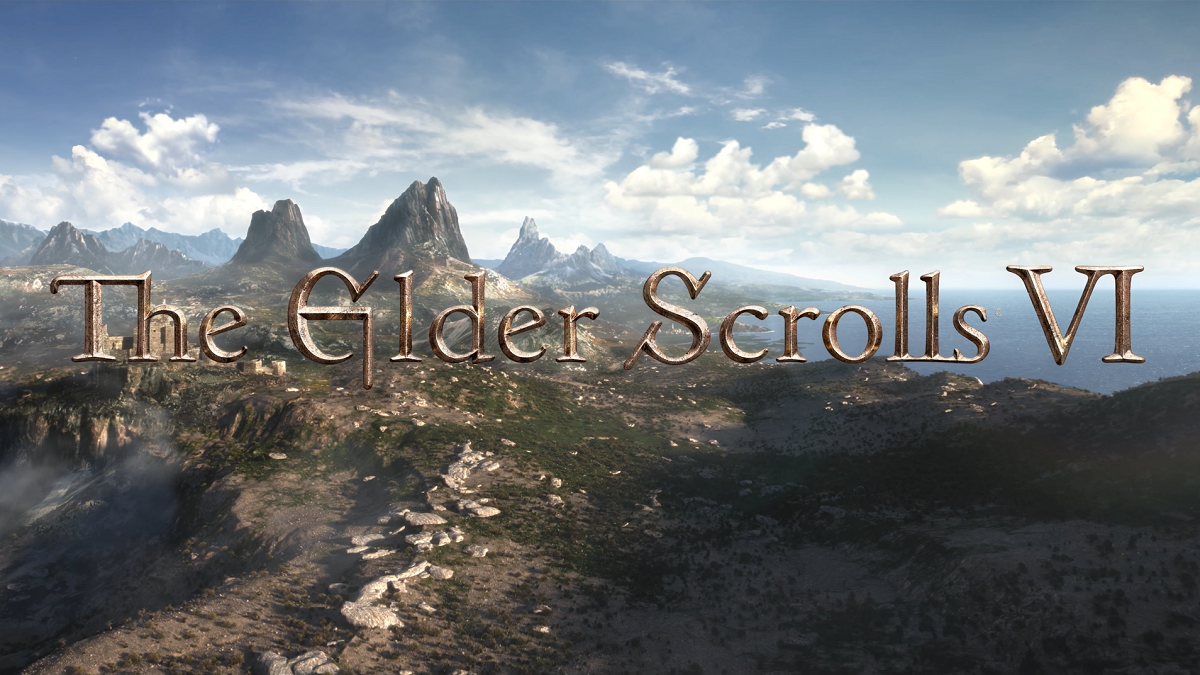
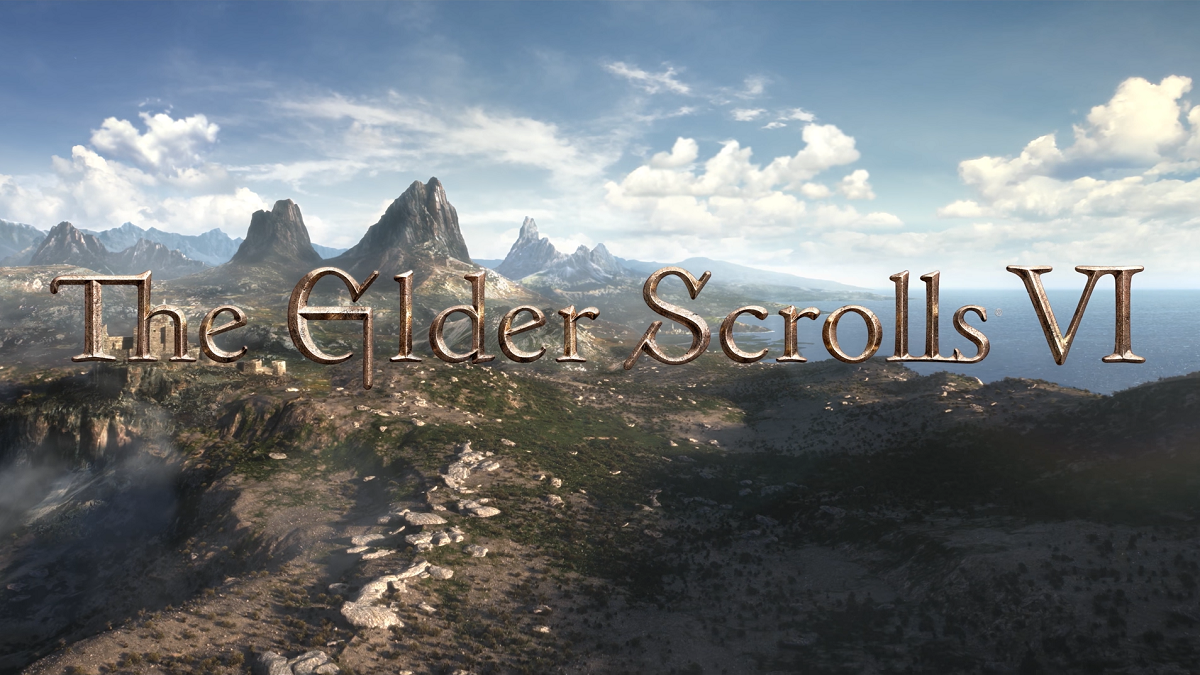
The highly anticipated sequel to the beloved Elder Scrolls franchise, The Elder Scrolls VI, has once again found itself in the spotlight, this time through an enigmatic tease from Xbox CEO Asha Sharma. While offering a tantalizing glimpse into the game’s potential, Sharma’s cryptic message, coupled with recent industry developments, has amplified both fan anticipation and underlying concerns about the state of AAA game development. This update arrives following a previous statement from Bethesda Game Studios in the preceding month, which asserted that The Elder Scrolls VI was "where we planned to be" in its development cycle, a statement made eight years after the game’s initial announcement.
A Cryptic Tease from the Top
The latest ripple in the Elder Scrolls VI narrative emerged from Sharma herself via a post on the social media platform X (formerly Twitter). She shared a brief, yet impactful, statement: "Live playthrough of *The Elder Scrolls VI: *****’ this morning. The scale and grandeur are incredible. The story is even greater." The title of the game was deliberately obscured by eight asterisks, leaving the community to speculate wildly about its true name. This deliberate ambiguity, while potentially a marketing tactic, has fueled an intense online discussion among fans who have been yearning for concrete details about the game for nearly a decade.
The timing of Sharma’s comment is particularly noteworthy. It follows a period of significant organizational shifts within Microsoft’s gaming division, including a notable wave of layoffs that impacted Bethesda Softworks and other Xbox studios in May. These layoffs, described by Sharma as part of a "reset," have cast a shadow over the industry, raising questions about the long-term stability and direction of game development at major corporations.
A Decade of Anticipation: The Elder Scrolls VI Timeline
The journey of The Elder Scrolls VI from announcement to its current, albeit nebulous, development stage is a testament to the protracted nature of modern AAA game production.
- E3 2016: Bethesda officially announced The Elder Scrolls VI during their E3 press conference, presenting a cinematic teaser that offered no gameplay footage or concrete details about the setting or plot. This announcement, while met with immense excitement, was also criticized by some for being premature, setting expectations years in advance of any substantial progress.
- 2018: Todd Howard, Executive Producer at Bethesda Game Studios, confirmed that The Elder Scrolls VI was in pre-production. This marked a crucial step, indicating that conceptualization and early design work were underway.
- 2020: Bethesda’s parent company, ZeniMax Media, was acquired by Microsoft. This acquisition placed The Elder Scrolls VI under the Xbox umbrella, raising questions about potential platform exclusivity.
- 2021: Phil Spencer, Head of Xbox, stated that The Elder Scrolls VI would be an Xbox and PC exclusive. This solidified the platform strategy for the highly anticipated title.
- Early 2024: Reports emerged regarding significant internal challenges at Bethesda, including allegations of "crunch" and "shattered morale" among development teams. These reports, coupled with the aforementioned layoffs, fueled concerns about the development environment and the potential impact on game quality and release timelines.
- May 2024: Bethesda provided a brief update, stating that The Elder Scrolls VI was "where we planned to be" in its development. This statement was interpreted by many as a signal of continued progress, albeit within a long-term development framework.
- June 2024: Xbox CEO Asha Sharma shared her cryptic tease, reigniting public interest and debate.
This extended timeline highlights the immense pressure and scrutiny under which The Elder Scrolls VI is being developed. The gap between announcement and release has become a significant talking point, with fans grappling with the reality of modern game development cycles that often span a decade or more for ambitious titles.
Analyzing the Implications of Sharma’s Statement
Sharma’s declaration of a "live playthrough" and her enthusiastic description of the game’s "scale and grandeur" and "incredible story" carry several potential implications.
Confirmation of Playability: The most immediate takeaway is that The Elder Scrolls VI is, in fact, playable internally. This is a crucial reassurance for fans who have feared that the game might be stuck in a perpetual state of pre-production or conceptualization. The ability to conduct a "live playthrough" suggests that core gameplay mechanics are implemented, and at least sections of the game world are navigable.
Scale and Ambition: The emphasis on "scale and grandeur" aligns with the established reputation of The Elder Scrolls series, known for its vast open worlds, intricate lore, and player freedom. This suggests that Bethesda aims to deliver an experience that surpasses its predecessors in scope and ambition.
Narrative Depth: Sharma’s comment about the "story" being "even greater" points towards a continued focus on compelling narratives, a hallmark of the franchise. Given the long development cycle, it is reasonable to assume that significant effort has been dedicated to crafting a rich and engaging storyline.
Potential Marketing Strategy: The deliberate use of asterisks to mask the game’s title could be a calculated move by Microsoft and Bethesda to generate further buzz and speculation. This tactic, while effective in drawing attention, also risks fueling unrealistic expectations.
Industry Context: Layoffs and the Pressure Cooker of AAA Development
Sharma’s comments, however, cannot be viewed in isolation. They arrive against a backdrop of significant industry turbulence. The recent layoffs at Xbox and its studios, including Bethesda, represent a stark reality of the current economic climate in the gaming industry. While Sharma framed these as a "reset," the impact on employee morale and the long-term implications for development pipelines remain subjects of concern.
The gaming industry has seen a surge in production costs and development times for AAA titles. Games like The Elder Scrolls VI, Grand Theft Auto VI, and others require massive teams, advanced technology, and years of dedicated work, leading to budgets often exceeding hundreds of millions of dollars. This financial pressure, coupled with evolving player expectations, creates a high-stakes environment.
The practice of announcing games years in advance, while intended to build anticipation, can also lead to a disconnect between initial hype and the eventual product. Players’ perceptions can shift, and the competitive landscape can change dramatically over the course of a lengthy development period.
Fan Reactions and Community Speculation
The immediate reaction to Sharma’s post on X has been a mixture of elation and fervent speculation. The eight asterisks have become a focal point for theories about the game’s title. Early contenders include:
- Hammerfell: Based on persistent rumors and fan theories, many believe the game will be set in the Redguard homeland.
- High Rock: Another province in Tamriel that has not been the primary setting for a mainline Elder Scrolls game.
- Skyrim: While seemingly unlikely given the context, some fans humorously suggest a return to Skyrim, perhaps a spiritual successor or a vastly expanded version.
Beyond the title, fan discussions have predictably gravitated towards other key aspects:
- Platform Exclusivity: With The Elder Scrolls VI confirmed as an Xbox and PC exclusive, many PlayStation fans have expressed disappointment. Conversely, Xbox loyalists are eager to see the franchise bolster the Xbox ecosystem.
- Physical Releases: In an era of increasing digital-only distribution, a significant segment of the fanbase continues to advocate for physical disc releases, citing collection value and ownership rights.
- Launch Stability: Given the historical issues with buggy launches for some Bethesda titles, a recurring hope is that The Elder Scrolls VI will arrive with a polished and stable experience. This concern is amplified by the studio’s past struggles with delivering bug-free releases.
The Shadow of Starfield and Future Projects
Bethesda’s most recent major release, Starfield, garnered a mixed reception. While praised for its ambition and expansive universe, it also faced criticism for certain design choices and technical limitations, leading to a polarized player base. This context is crucial when evaluating future Bethesda projects, as it influences fan expectations and the perceived reliability of the studio’s development capabilities.
Furthermore, reports indicate that Fallout 5 is also in pre-production, with Bethesda reportedly working on multiple new iterations of the Fallout franchise. This suggests a busy slate for the studio, raising questions about resource allocation and the potential for delays across their ambitious project portfolio. The alleged reports of internal studio turmoil, including delays and morale issues, only add to the complexity of assessing the current development environment at Bethesda.
A Glimmer of Hope Amidst Uncertainty
While Asha Sharma’s statement provides a much-needed update on the progress of The Elder Scrolls VI, it ultimately leaves more questions than answers. The game remains shrouded in mystery, a testament to the long and often arduous path of AAA game development.
The promise of "incredible scale and grandeur" and an "even greater story" offers a compelling vision for the future of the franchise. However, until concrete gameplay is revealed and a more definitive release window is provided, fan excitement will likely be tempered by a healthy dose of skepticism, shaped by years of anticipation and the evolving realities of the gaming industry.
The recent update on August 12th, detailing protests outside Bethesda Game Studios offices, further underscores the complex landscape in which The Elder Scrolls VI is being developed. The presence of an inflatable giant rat, a symbol of labor disputes, and red flags representing laid-off employees, as reported by Tom Warren of The Verge, highlights the broader labor and economic challenges facing the gaming industry. These external factors, while not directly related to game design, contribute to the overall atmosphere of uncertainty surrounding major development projects. Sharma’s assurances about the game’s progress will need to be substantiated by tangible demonstrations and a clear path forward to truly resonate with a fanbase that has patiently, and at times anxiously, awaited its arrival for nearly a decade. The path to The Elder Scrolls VI remains long, and the industry’s current climate adds layers of complexity to its eventual emergence.