


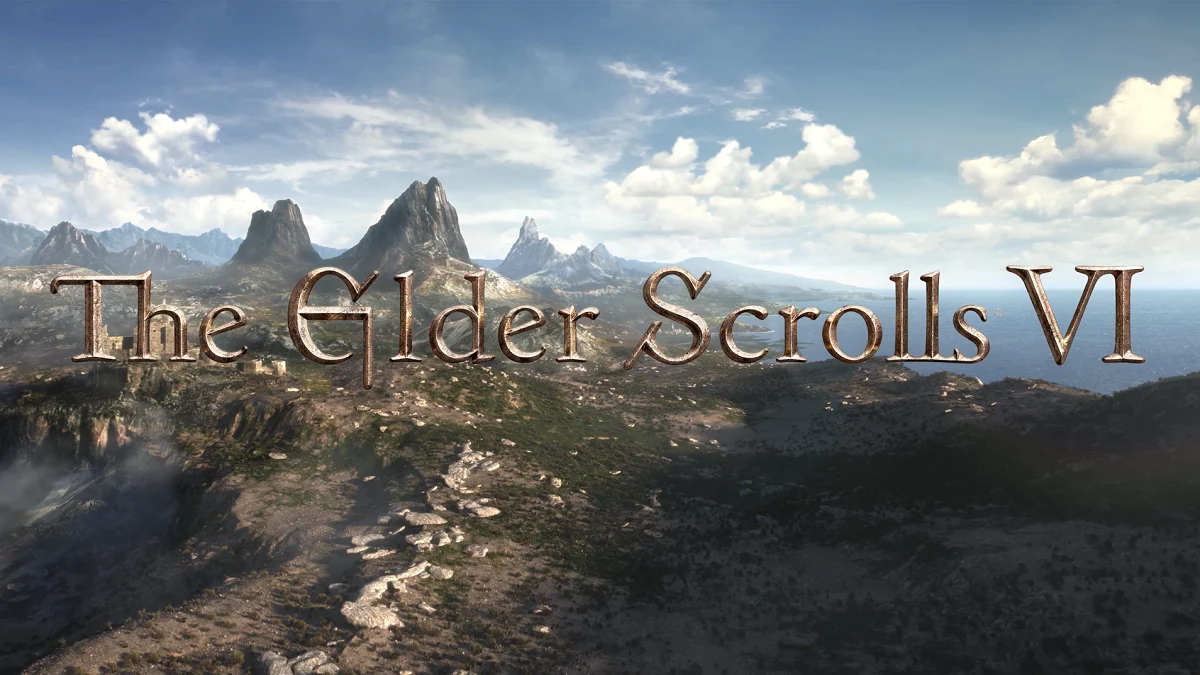
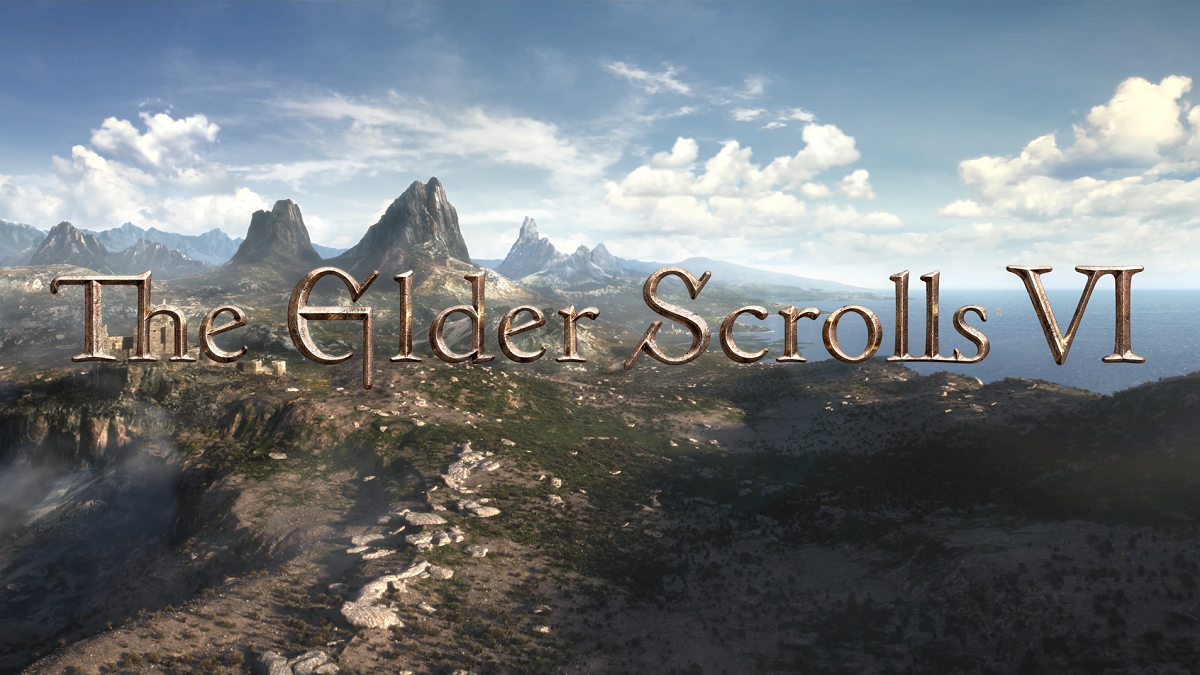
The anticipation surrounding the next installment in Bethesda Game Studios’ iconic Elder Scrolls franchise, The Elder Scrolls VI, has been a constant hum in the gaming community for years. Recent pronouncements from Xbox leadership have offered tantalizing, albeit cryptic, glimpses into the game’s development status, sparking renewed discussion and scrutiny. While these updates provide a sense of forward momentum, they arrive against a backdrop of broader industry challenges, including studio restructuring, employee layoffs, and ongoing debates about game exclusivity and development practices.
A Tentative Glimpse of Progress
In the latest development, Xbox CEO Asha Sharma shared a brief, yet significant, comment on her social media platform, X (formerly Twitter). Sharma alluded to a "live playthrough of *The Elder Scrolls VI: *****" that she witnessed, describing the experience as "incredible" in terms of both "scale and grandeur," and further stating that "The story is even greater." The use of eight asterisks in place of the game’s full title has become a point of speculation, potentially indicating a working title or a deliberate obfuscation to maintain an air of mystery.
This statement follows a previous update from Bethesda in the preceding month, where studio representatives indicated that The Elder Scrolls VI was "where we planned to be" in its development cycle. This comment, made approximately eight years after the game’s initial announcement at E3 2016, highlighted the protracted nature of its creation. The dual updates, arriving in close succession, suggest a gradual acceleration in the visibility of the project, even if concrete details remain scarce.
A History of Anticipation and Silence
The announcement of The Elder Scrolls VI so early in its development cycle has been a defining characteristic of its public narrative. Unlike typical game reveals, which often showcase substantial gameplay or definitive release windows, TES VI was initially presented as a future project, a promise of what was to come after the monumental success of Fallout 4 and subsequently Starfield. This early reveal, while generating immense excitement, also set a precedent for long periods of silence, punctuated only by reassurances of ongoing development.
The intervening years have seen the release of The Elder Scrolls V: Skyrim, which continues to be a commercially successful and critically acclaimed title, even over a decade after its original launch. Skyrim itself has undergone numerous re-releases and expansions, demonstrating the enduring appeal of the franchise. This sustained popularity has, for many fans, amplified the desire for a new mainline entry, making the protracted development of TES VI a source of both patience and frustration.
Fan Reactions and Industry Demands
Sharma’s recent comments on X quickly garnered a significant response from the Xbox and broader gaming community. A recurring theme in the replies was the fervent hope for The Elder Scrolls VI to be an Xbox exclusive. This sentiment is rooted in Microsoft’s acquisition of Bethesda’s parent company, ZeniMax Media, in 2021, and the subsequent exclusivity of other major Bethesda titles like Starfield on Xbox and PC platforms.
Beyond platform exclusivity, other fan concerns echoed common anxieties surrounding major game releases. Many expressed a desire for the game to be available physically, on disc, reflecting a segment of the player base that prefers tangible media. Furthermore, there was a palpable concern about potential bugs and technical issues at launch, a common point of contention for large-scale, open-world RPGs. These varied reactions underscore the diverse expectations and priorities of the gaming community as they await news of this highly anticipated title.
Broader Industry Context: Challenges and Concerns
The discussion around The Elder Scrolls VI is inextricably linked to the current landscape of the video game industry, which has been marked by significant shifts and challenges. Bethesda’s most recent major release, Starfield, while critically praised for its ambition and scope, received a mixed reception from some segments of the player base, with its gameplay loop and design choices proving divisive. This followed earlier reports of delays, instances of crunch, and concerns about "shattered morale" within Bethesda Game Studios earlier in the year.
Adding to these internal studio concerns are the broader implications of Microsoft’s strategic "reset" under Xbox CEO Phil Spencer. This has involved significant organizational changes, including substantial layoffs that affected Bethesda and multiple other Xbox studios in the months preceding Sharma’s TES VI update. These workforce reductions have raised questions about the long-term stability and creative direction of various development teams within the Xbox ecosystem.
Analysis of Implications
The seemingly innocuous tweet from Asha Sharma, while intended to provide a positive update on The Elder Scrolls VI, inevitably carries weight within this complex industry context. For fans, the confirmation of a playable build is a welcome reassurance. However, the continued lack of concrete visuals or a projected release window means that the excitement remains largely aspirational. The question of when players can realistically expect to experience The Elder Scrolls VI—with projections often extending to 2029 or 2030—remains unanswered.
The pressure on Bethesda and Xbox to deliver a polished and impactful Elder Scrolls VI is immense. Following the mixed reception of Starfield and the significant layoffs that have impacted the wider Xbox Game Studios portfolio, The Elder Scrolls VI represents a critical opportunity to reaffirm Bethesda’s standing as a premier RPG developer and to solidify Xbox’s position in the premium gaming market. The success of TES VI could significantly influence player perception of Xbox’s acquisition strategy and its commitment to delivering high-quality, exclusive content.
Furthermore, the ongoing discussion about exclusivity, while a significant factor for platform holders, also raises questions about accessibility for players on other platforms. As Microsoft continues to integrate its acquired studios, the decision-making process regarding which titles will be exclusive and which will have broader availability will continue to be a focal point of industry analysis.
A Call for Transparency Amidst Uncertainty
While any update on The Elder Scrolls VI is a positive step, the current pronouncements from Xbox leadership, including Sharma’s recent tweet, will likely continue to be viewed with a degree of skepticism until more tangible evidence of the game’s progress is presented. The gaming public has been conditioned by years of anticipation and a lack of concrete information, leading to a demand for greater transparency.
The recent update on August 12th at 9:20 am CT, as noted by Tom Warren of The Verge, brought a somber dimension to the ongoing narrative. Sharma’s visit to the Bethesda Game Studios offices yesterday was met with a protest by Communications Workers of America (CWA) union members. This demonstration featured an inflatable giant rat, known as "Scabby," and red flags symbolizing each employee laid off by Xbox. This visual representation starkly contrasted with the optimistic pronouncements about game development, highlighting the human cost of corporate restructuring and the ongoing labor disputes within the industry.
The juxtaposition of a celebrated game’s development progress with visible protests against layoffs underscores the complex and often fraught relationship between game development, corporate strategy, and employee welfare. For the fans eagerly awaiting The Elder Scrolls VI, these recent events serve as a potent reminder of the broader challenges and controversies that continue to shape the industry. The hope remains that despite these complexities, The Elder Scrolls VI will eventually emerge as a testament to Bethesda’s creative prowess and a satisfying culmination of years of anticipation, delivered in a manner that respects both the craft of game development and the well-being of its creators.