


The inaugural $300,000 Marvel Rivals Creator World Championship concluded last weekend, a highly anticipated event that brought together twelve elite teams of prominent content creators from across the globe. While the tournament culminated in Team AMER United clinching the grand prize of $75,000, the post-event discourse has been dominated by the disappointing performance of Team Canada and the ensuing controversy surrounding player accountability. Team Canada, featuring a roster including popular streamers xQc, aramori, Dokibird, Fanfan, Surefour, and Warn, ultimately placed in the bottom tier (9th-12th), securing a modest $12,000 prize pool share. However, the team’s ninth-place finish has been overshadowed by internal friction, with streamer Warn emerging as the focal point of criticism following accusations of deflecting blame for the team’s underperformance.
Tournament Overview and Team Canada’s Performance
The Marvel Rivals Creator World Championship, held from June 26th to June 29th, represented a significant investment in the burgeoning esports scene of the recently released hero shooter. The tournament aimed to showcase the game’s competitive potential and provide a platform for well-known streamers to engage with their audiences in a high-stakes environment. The substantial $300,000 prize pool was distributed among the top-performing teams, with first place receiving a substantial $75,000, second place $45,000, and subsequent tiers receiving progressively smaller amounts.
Team Canada’s journey through the tournament was notably brief. Despite featuring a lineup with considerable individual popularity, the team struggled to find cohesion and secure victories. Their final standing of 9th-12th meant they exited the competition without advancing to the latter stages, a result that clearly disappointed both the players and their fan bases. The $12,000 prize money, while not insignificant, represented a considerably smaller return than anticipated, especially considering the stakes and the caliber of talent involved.
The Spark of Controversy: Allegations of Blame Shifting
The core of the post-tournament discord appears to stem from comments made by streamer Warn, which were captured and widely circulated on social media platforms. According to reports and subsequent reactions from his teammates, Warn allegedly attributed Team Canada’s losses to the performance and hero choices of specific teammates, namely FanFan, Dokibird, and aramori. A clip that gained traction depicted Warn seemingly suggesting that past successes were solely due to his and xQc’s contributions, while failures were linked to the other members.
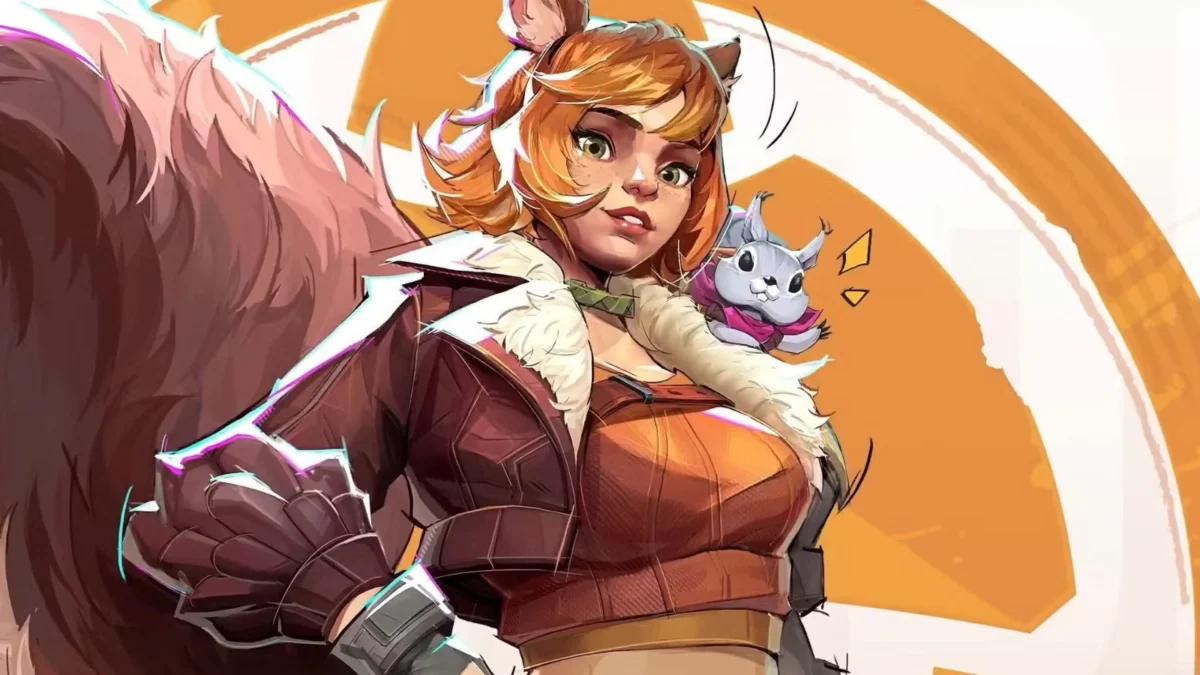
Warn, who confirmed his participation was on short notice, stated that he primarily practiced with his preferred heroes, Squirrel Girl and Namor, in preparation for the event. This limited hero pool has become a central point of contention. His defense against the circulating clip was that it was taken out of context and that his remarks were not gender-based, asserting, "nothing to do with them being women." This assertion, however, has done little to quell the ensuing debate.
Teammates Dispute Warn’s Account and Strategy Engagement
The narrative presented by Warn was quickly contested by his teammates, who offered a different perspective on the team’s dynamics and Warn’s level of engagement. Aramori, who captained Team Canada, publicly expressed her frustration with Warn’s portrayal of events. In a series of posts on X (formerly Twitter), she refuted the idea of a one-sided blame game and directly addressed Warn’s narrative.
"I don’t want to sit here and let Warn act like ‘woe is me she was so mean’," aramori stated, pushing back against what she perceived as an attempt by Warn to position himself as a victim. She then specifically highlighted the issue of hero selection, particularly Warn’s repeated use of Squirrel Girl. "My bad next time I’ll tell you it’s not your fault for picking Squirrel Girl over and over," she wrote sarcastically, implying that Warn’s stubborn adherence to a particular hero, despite team needs, was a significant factor in their losses.
The "Zazzastack" Precedent and Community Reaction
Aramori’s criticism drew a parallel to a previous incident in the Marvel Rivals community, widely referred to as the "Zazzastack incident." Earlier in the year, during a $40,000 creator tournament, a player named Kingsman265 reportedly refused to switch off the hero Black Widow, a decision that demonstrably hampered his team’s momentum and ultimately contributed to their defeat. The community’s reaction to that situation was swift and overwhelmingly critical, with the term "Zazza" becoming synonymous with stubborn, detrimental hero choices.
By invoking this incident, aramori aimed to draw attention to the perceived double standard in how Warn’s actions were being received compared to Kingsman’s. She wrote, "I GOT ZAZZA’D IN A TOURNAMENT 10X THE PRIZE POOL AS BASIM," and further emphasized the point by stating, "KINGSMAN WAS SO MUCH MEANER AND GOT A BAJILLION FOLLOWERS." Her intention was clear: to highlight that Warn was facing a comparatively milder backlash for a similar, arguably more impactful, offense, given the significantly larger prize pool of the Creator World Championship.
Data and Statistical Counterarguments
While the controversy centered on player accountability and hero choices, Warn also pushed back against the notion that a single player’s decisions were solely responsible for the team’s downfall. He argued for a collective team loss rather than individual failure. Supporting this perspective, statistics emerged tracking the performance of Team Canada’s players throughout the tournament. These statistics indicated that several members of the team also experienced struggles in their respective roles.
For instance, xQc, a prominent streamer and often a carry player, reportedly had a 2-6 win-loss record on tank. Aramori herself went 3-5 on Jeff, FanFan finished 1-4, and Dokibird had a 2-4 record. These figures suggest a broader team-wide performance issue, rather than a singular point of failure. Warn’s argument implies that while hero selection may have played a role, other factors, including individual performance slumps across the team, contributed significantly to their early exit.
Broader Implications for Marvel Rivals Esports
The controversy surrounding Team Canada’s performance and the subsequent fallout underscores a recurring theme in creator-led esports events: the tension between entertainment value and competitive integrity. While these events are designed to leverage the popularity of streamers, they also place immense pressure on players to perform at a high level in a competitive setting.
The "Zazzastack" incident and the current situation with Warn highlight the challenges of managing team dynamics and player accountability in a high-stakes environment where individual reputations are on the line. The community’s strong reactions to perceived instances of poor sportsmanship or strategic inflexibility suggest a growing demand for professionalism, even within the creator space.
Furthermore, these controversies can have a tangible impact on the perception of the game itself. For Marvel Rivals, which is still in its early stages of establishing its competitive scene, such public disputes can deter potential new players or investors if the community is perceived as toxic or unprofessional. The success of future creator events will likely depend on the ability of organizers and participants to foster an environment that balances entertainment with a genuine commitment to competitive play and respectful discourse. The fact that this is not the first such incident in a Marvel Rivals creator event suggests that the community is still navigating these dynamics. The ongoing discussion around these events, as evidenced by the continued media coverage and social media engagement, indicates a strong vested interest in the game’s competitive future. The resolution of these disputes, or the establishment of clearer guidelines for player conduct, will be crucial for the long-term health of the Marvel Rivals esports ecosystem.