


The inaugural $300,000 Marvel Rivals Creator World Championship concluded last weekend, leaving a trail of competitive disappointment and public controversy for Team Canada. The tournament, which ran from June 26th to June 29th, saw twelve of the world’s top creator teams vie for a substantial prize pool. While Team AMER United emerged victorious, securing the lion’s share of $75,000, the dominant narrative that followed the final buzzer centered on Team Canada’s surprising 9th-12th place finish and the ensuing fallout, with prominent streamer Warn drawing significant criticism.
A Tournament of High Stakes and Global Reach
The Marvel Rivals Creator World Championship was positioned as a landmark event for the burgeoning hero shooter, designed to showcase the game’s competitive potential and engage its most influential online personalities. With a prize pool of $300,000, the stakes were undeniably high, attracting a diverse array of talent from across the globe. The tournament format typically involved a group stage followed by a double-elimination playoff bracket, culminating in a grand final. This structure rewards consistent performance and resilience, making early exits particularly impactful.
Team Canada, a roster featuring well-known personalities such as xQc, aramori, Dokibird, Fanfan, Surefour, and Warn, entered the competition with considerable fanfare. Their collective following represented a significant portion of the viewership for the event. However, their campaign fell short of expectations, resulting in a shared 9th-12th place finish and a modest payout of $12,000, a stark contrast to the $75,000 claimed by the champions.
The Spark of Discord: Hero Swap Drama Unfolds
The post-tournament recriminations began to surface shortly after Team Canada’s elimination. At the heart of the controversy was a clip that circulated widely, appearing to capture streamer Warn attributing the team’s losses to specific teammates – FanFan, Dokibird, and aramori – while crediting past successes solely to himself and xQc. This narrative immediately drew the ire of his teammates and the wider community, sparking accusations of blame-shifting and a lack of accountability.
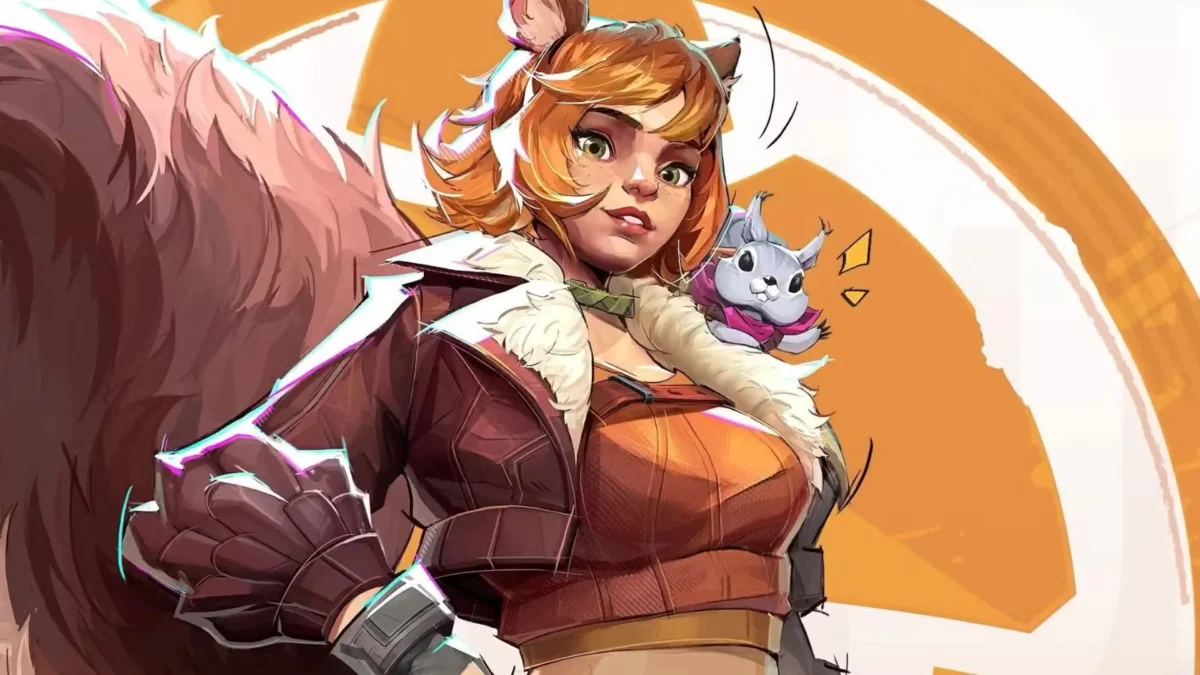
Warn, in his defense, stated that his invitation to the tournament had been extended with very little notice, allowing him only a few days to prepare. He asserted that during this limited preparation time, he focused on mastering his primary heroes, Squirrel Girl and Namor. He later attempted to contextualize his controversial remarks, claiming the clip was taken out of context and that his comments were unrelated to the gender of his teammates, a point of contention given the inclusion of female players in the team.
Teammates Dispute Warn’s Engagement and Strategic Input
The narrative presented by Warn was swiftly challenged by his fellow Team Canada members, who painted a different picture of his involvement and commitment to the team’s strategy. Aramori, who captained the squad, was particularly vocal in refuting Warn’s portrayal of events. In a series of posts on the social media platform X (formerly Twitter), she expressed frustration with Warn’s attempts to cast himself as a victim.
"I don’t want to sit here and let Warn act like ‘woe is me she was so mean’," aramori stated, directly addressing the perceived victimhood narrative. She then explicitly brought the focus back to a key point of contention: Warn’s persistent selection of Squirrel Girl, even when team strategy might have dictated otherwise. "My bad, next time I’ll tell you it’s not your fault for picking Squirrel Girl over and over," she sarcastically remarked, highlighting a potential inflexibility in hero selection that may have hampered the team’s adaptability.
The "Zazzastack" Precedent: A Community’s Memory
Adding further weight to aramori’s criticism was her invocation of a previous incident within the Marvel Rivals creator community, often referred to as the "Zazzastack incident." Earlier in the year, a similar controversy erupted when a player allegedly refused to switch off the hero Black Widow during a crucial moment in a $40,000 creator tournament. This refusal to adapt reportedly cost their team momentum and contributed to their defeat.
Aramori drew a direct parallel between Warn’s alleged hero selection issues and the Zazzastack situation, emphasizing the disparity in the community’s reaction. "I GOT ZAZZA’D IN A TOURNAMENT 10X THE PRIZE POOL AS BASIM," she wrote, using the term "Zazzad" as a verb to signify being subjected to a similar disruptive player behavior. She further contrasted the public response, stating, "KINGSMAN WAS SO MUCH MEANER AND GOT A BAJILLION FOLLOWERS." This pointed comparison suggested that the community’s response to Warn’s alleged transgressions was considerably more lenient than the swift and often ferocious backlash faced by the player in the Zazzastack incident, despite a comparable offense and a significantly larger prize pool at stake in the Creator World Championship. The implication was that Warn, despite potentially causing similar team disruption, was not facing the same level of public scrutiny or condemnation.
Statistical Analysis and Counterarguments
In response to the escalating accusations, particularly those targeting individual hero choices, Warn attempted to shift the focus back to a collective team failure. He argued that attributing the loss to a single player’s hero selection was an oversimplification. To support his stance, he pointed to broader team statistics that indicated systemic issues across multiple players.
Data presented indicated that xQc, a prominent streamer and often the face of the team, had a 2-6 win-loss record on the tank role. Aramori’s performance showed a 3-5 record on the support hero Jeff, while FanFan recorded a 1-4 record and Dokibird a 2-4 record. These figures, Warn contended, demonstrated that performance issues were not confined to one individual or one specific hero choice. His position was that the team’s overall performance was a reflection of collective shortcomings rather than the singular failure of any one player. This presented a more nuanced, albeit still contentious, perspective on the team’s downfall.
Broader Implications for Creator Events and Competitive Integrity
The fallout from the Marvel Rivals Creator World Championship, particularly Team Canada’s internal disputes, highlights ongoing challenges within the realm of creator-driven esports events. While these tournaments provide invaluable exposure for games and streamers, they often operate with less stringent oversight than traditional professional leagues. This can lead to situations where personal dynamics and online personas can overshadow competitive integrity.
The controversy also raises questions about player accountability and the impact of public perception. The comparison drawn by aramori to the Zazzastack incident underscores the community’s sensitivity to perceived unfairness and the potential for disproportionate reactions based on an individual’s existing popularity or online narrative.
The precedent set by events like the Zazzastack incident and the recent Marvel Rivals Creator World Championship suggests a need for clearer guidelines and expectations for participants in high-stakes creator tournaments. Establishing protocols for player conduct, communication, and conflict resolution could mitigate future controversies and ensure that the focus remains on the competitive spirit and the game itself.
Furthermore, the reliance on popular streamers to drive viewership, while effective, can also create a complex dynamic where individual personalities and their associated online dramas can become the primary narrative, potentially detracting from the game’s competitive merits. The long-term health of Marvel Rivals as an esport may depend on its ability to foster a culture where competitive performance and sportsmanship are prioritized, even within the vibrant and often unpredictable landscape of creator-driven content. The $300,000 tournament, while concluding with a clear winner, has undoubtedly left Team Canada and the broader Marvel Rivals community with much to reflect upon regarding team dynamics, player responsibility, and the delicate balance between entertainment and competition.