


The inaugural $300,000 Marvel Rivals Creator World Championship concluded last weekend, leaving a bitter taste for Team Canada, who finished in a disappointing 9th-12th place. While the tournament itself, held from June 26th to June 29th, saw 12 international teams vying for a substantial prize pool, the aftermath has been dominated by internal discord within the Canadian squad, with a significant portion of the blame being directed at Twitch streamer Warn. The controversy has cast a shadow over the event, raising questions about team dynamics, player accountability, and the pressures inherent in high-stakes esports competitions.
The Tournament Landscape and Team Canada’s Performance
The Marvel Rivals Creator World Championship was designed to be a landmark event, bringing together prominent content creators and skilled players from across the globe to showcase their talents in the newly released hero shooter. With a grand prize of $75,000 awarded to the victors, Team AMER United, and a total prize pool of $300,000 distributed among the top performers, the stakes were undeniably high. Team Canada, comprising notable figures such as xQc, aramori, Dokibird, Fanfan, and Surefour, alongside Warn, entered the competition with considerable fanfare. However, their campaign failed to live up to expectations, culminating in a shared 9th-12th placement and a consolation prize of $12,000. While this financial reward is significant, it pales in comparison to the potential earnings and the desired outcome for a team of their caliber. The narrative surrounding their exit, however, is less about the final standings and more about the interpersonal conflicts that reportedly surfaced during and after the tournament.
Unpacking the "Hero Swap Drama"
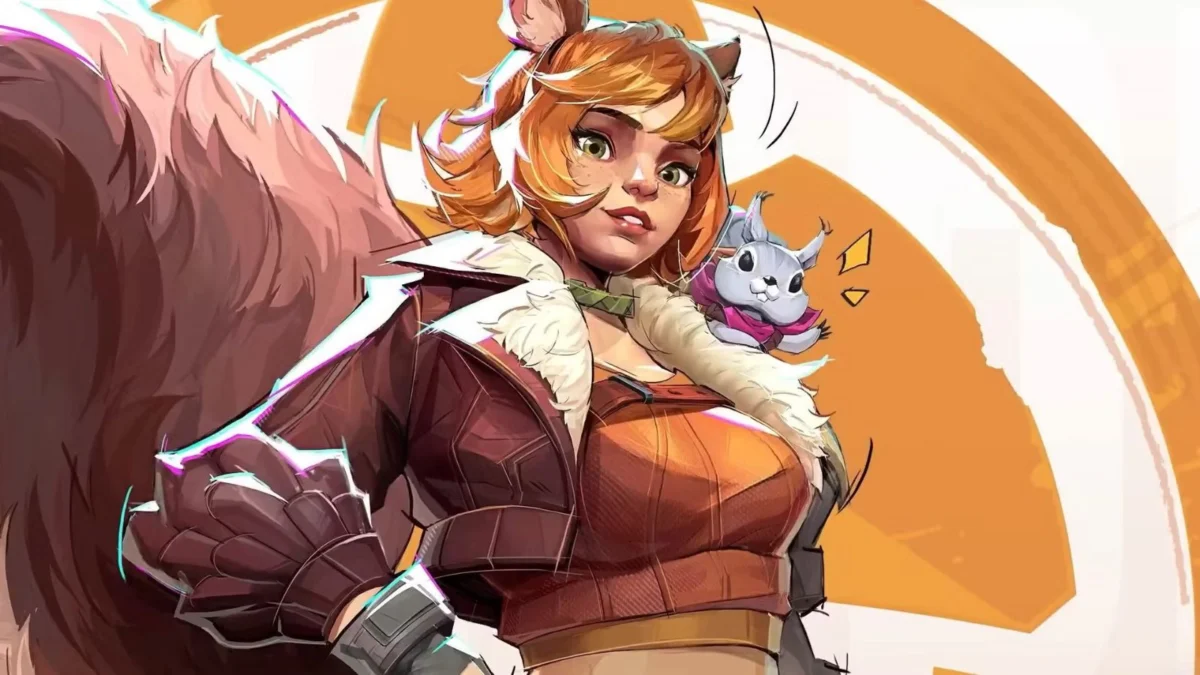
The core of the controversy appears to stem from an alleged dispute over hero selection and perceived player contributions. Warn, who joined Team Canada with limited notice—reportedly only a few days before the tournament began—stated that he focused his practice on his preferred characters, Squirrel Girl and Namor, to maximize his effectiveness. This limited preparation time, he indicated, was a contributing factor to his own performance and the team’s overall struggles.
Following the tournament, a clip emerged on social media platforms, purportedly capturing Warn attributing the team’s losses to the performances of FanFan, Dokibird, and aramori, while simultaneously highlighting his and xQc’s individual contributions to past successes. This characterization immediately ignited debate within the community. Warn later attempted to clarify his remarks, asserting that the clip was taken out of context and that his comments were not motivated by any gender bias, specifically stating they had "nothing to do with them being women." This defense, however, did little to quell the growing discontent.
Teammates Dispute Warn’s Narrative
The situation escalated when members of Team Canada began to publicly dispute Warn’s account of events. Aramori, who captained the team, took to social media to counter Warn’s narrative, expressing her frustration with his portrayal of the situation. She explicitly stated her reluctance to let Warn frame himself as a victim, saying, "I dont want to sit here and let Warn act like ‘woe is me she was so mean.’"
Aramori then directly addressed the issue of hero selection, specifically calling out Warn’s repeated use of Squirrel Girl. She insinuated that his insistence on playing this hero, despite potential strategic disadvantages, was a significant factor in their defeats. "my bad next time I’ll tell you it’s not your fault for picking Squirrel Girl over and over," she posted, with clear sarcasm. This statement directly challenged Warn’s claim that his preparation was hindered, suggesting instead that his hero choices were a strategic impediment.
Drawing Parallels to Past Controversies
In her critique, aramori drew a pointed comparison to a previous controversy within the Marvel Rivals creator community: the "Zazzastack incident." Earlier in the year, a player in a $40,000 creator tournament, referred to as "Kingsman," reportedly refused to switch off the hero Black Widow, a decision that severely hampered his team’s momentum and ultimately contributed to their loss. Aramori invoked this incident, writing, "I GOT ZAZZA’D IN A TOURNAMENT 10X THE PRIZE POOL AS BASIM. KINGSMAN WAS SO MUCH MEANER AND GOT A BAJILLION FOLLOWERS." Her intent was clear: to highlight the perceived leniency in the community’s reaction to Warn’s alleged inflexibility compared to the harsh backlash faced by Kingsman. The "Zazzastack incident" became a cautionary tale, with "Zazza" even evolving into a verb within the community to describe a player whose stubborn hero choice leads to a team’s downfall. The implication was that Warn, despite a comparable, if not more significant, transgression given the tournament’s prize pool, was receiving a comparatively softer reception.
Counterarguments and Statistical Analysis
Warn, however, remained steadfast in his defense, pushing back against the notion that a single player’s hero choice was the sole determinant of their failure. He argued for a collective responsibility, emphasizing that the team’s performance was a result of multiple factors and not solely attributable to his or any other individual’s choices. To support his stance, he pointed to statistical data that emerged from the tournament, which detailed the win-loss records of various players on different roles. This data indicated that xQc had a 2-6 record as a tank player, aramori finished with a 3-5 record on the hero Jeff, FanFan went 1-4, and Dokibird concluded with a 2-4 record. These figures, Warn contended, demonstrated that other players also experienced suboptimal performances, thus reinforcing his assertion that the team’s collective effort, or lack thereof, was the primary cause of their low ranking.
The Broader Implications for Marvel Rivals Esports
The fallout from the Marvel Rivals Creator World Championship, particularly the Team Canada drama, underscores a recurring theme in the nascent esports scene of the game. Creator tournaments, while excellent for generating buzz and engaging a wider audience, often present unique challenges related to player professionalism, team cohesion, and conflict resolution. The high visibility of these events, combined with the financial incentives, can amplify existing tensions and expose underlying issues in team dynamics.
The contrast in community reactions to similar controversies, as highlighted by aramori, also points to a developing meta-narrative around player accountability. The swift and severe condemnation of Kingsman, versus the more divided and defensive responses to Warn, suggests that the community’s perception of a player’s influence and past behavior can significantly shape how their actions are judged. This can lead to inconsistencies in how infractions are perceived and penalized, potentially creating an uneven playing field or fostering resentment among players.
Furthermore, the emphasis on individual player performance versus team strategy remains a critical point of contention in many team-based esports. The Marvel Rivals Creator World Championship has served as a stark reminder that while individual skill is paramount, effective communication, strategic flexibility, and a willingness to compromise are equally vital for success. The debate between Warn and his teammates highlights the delicate balance required to manage diverse personalities and playstyles under pressure, especially when significant prize money is on the line.
The long-term implications for Marvel Rivals esports are significant. For the game to mature into a stable and respected competitive title, clearer guidelines for creator events, more robust player conduct policies, and a greater emphasis on fostering a positive and professional environment are likely necessary. The controversies, while damaging in the short term, also offer valuable learning opportunities for both the developers and the community, paving the way for more structured and less drama-filled competitions in the future. The precedent set by these early tournaments will undoubtedly shape the competitive landscape for Marvel Rivals as it continues to evolve.