


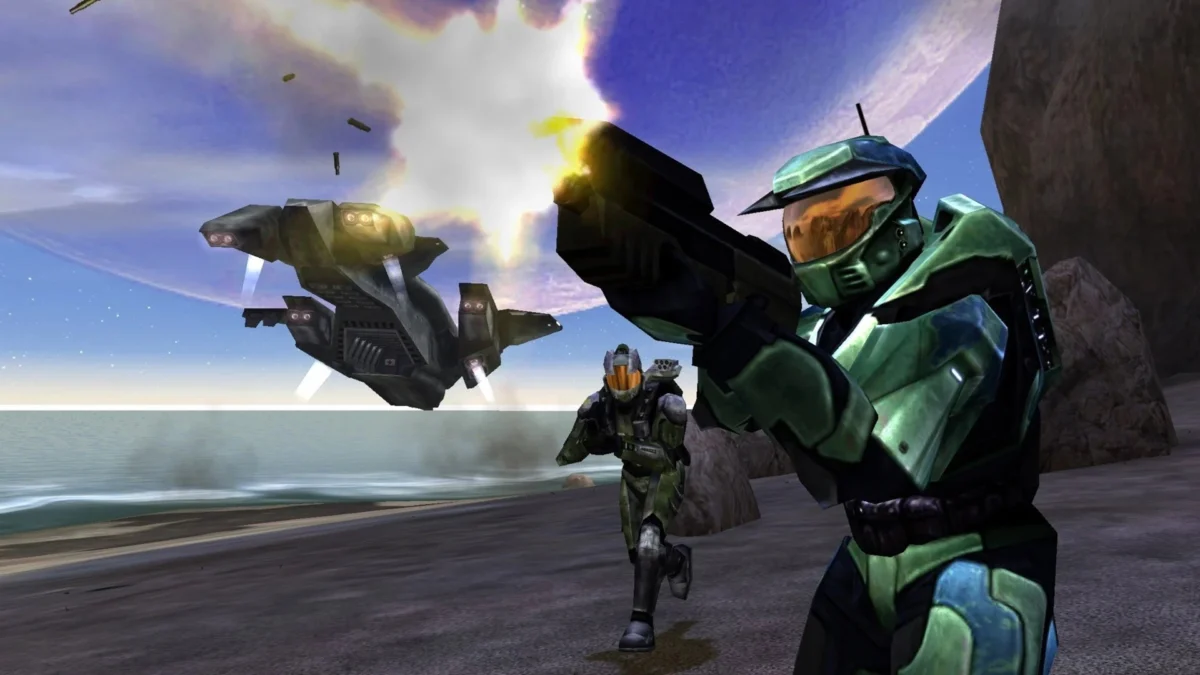
The upcoming release of Halo: Campaign Evolved, scheduled for July 23 for Premium buyers and July 28 for the general public, has reignited a global conversation regarding the origins and legacy of one of the most influential franchises in interactive entertainment. As the community prepares for this latest iteration, a retrospective analysis of the series reveals how various entry points have shaped the perspectives of millions of players worldwide. From the initial launch of the original Xbox in 2001 to the live-service model of the modern era, the Halo franchise has served as a foundational pillar for the first-person shooter (FPS) genre and the Xbox ecosystem at large.
The Genesis of a Gaming Phenomenon
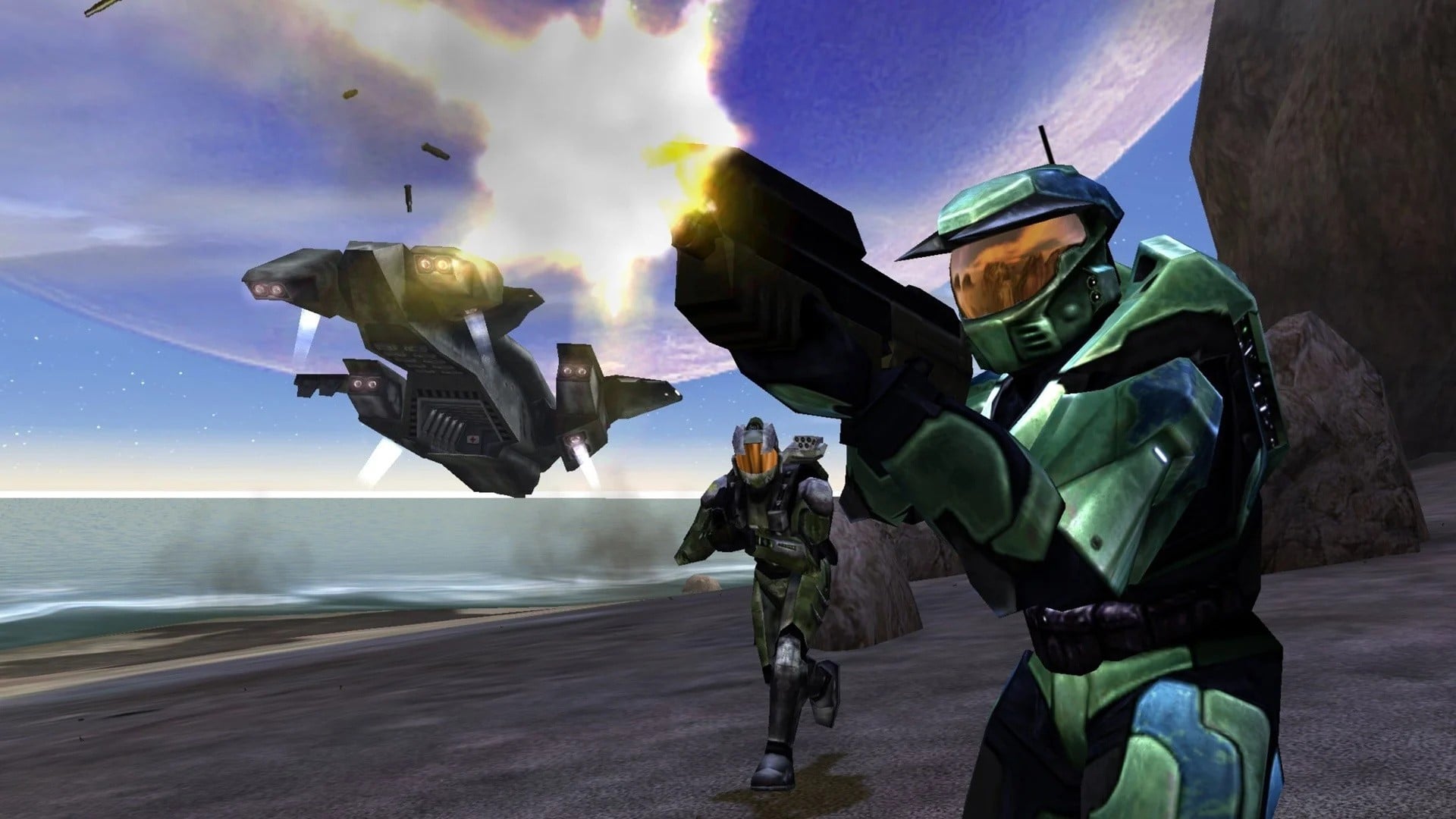
The story of Halo began with Halo: Combat Evolved, a title that famously transitioned from a third-person strategy game for the Macintosh to the definitive first-person shooter for Microsoft’s debut console. Released on November 15, 2001, it did more than just sell hardware; it established the "golden triangle" of gameplay—weapons, grenades, and melee—that remains the industry standard for console shooters. For many early adopters, Combat Evolved was the primary justification for owning an Xbox.
The game’s introduction of a regenerating shield and a two-weapon limit forced players to think tactically, moving away from the "twitch-reflex" inventory management of previous PC-centric shooters like Quake or Doom. According to historical sales data, Halo: Combat Evolved sold over five million copies by 2005, a staggering figure for a new intellectual property on a debut console. This success cemented the Master Chief as the face of the Xbox brand, a position the character has maintained for over two decades.
The Evolution of Online Multiplayer
While the first game established the mechanics, Halo 2, released on November 9, 2004, revolutionized how the world played games online. It was the catalyst for the growth of Xbox Live, introducing a sophisticated matchmaking system that eliminated the need for manual server browsers—a feature that is now ubiquitous in the industry. Halo 2’s launch was a cultural event, generating $125 million in its first 24 hours, surpassing the opening weekend records of major Hollywood films at the time.
For a significant portion of the fanbase, Halo 2 was their first exposure to the series. The introduction of playable Elites, dual-wielding, and the expansion of the lore through the Arbiter’s perspective provided a depth that was rare in the shooter genre. The game’s impact on competitive gaming cannot be overstated, as it laid the groundwork for the professional circuit and the modern esports landscape.
The Cultural Peak of the Xbox 360 Era
The release of Halo 3 on September 25, 2007, marked what many historians consider the franchise’s commercial and cultural zenith. As the first entry on the Xbox 360, Halo 3 benefited from an unprecedented marketing campaign titled "Believe." The game sold more than 14.5 million copies, making it one of the best-selling titles of its generation.
Halo 3 introduced the Forge map editor and a comprehensive Theater mode, empowering the community to create and share their own content. This era saw the rise of "machinima" and community-driven game modes like "Grifball" and "Infection." For many younger gamers who entered the hobby during the mid-2000s, Halo 3 was not just a game; it was a social platform that defined their formative years in gaming.
Chronology of Major Halo Releases and Milestones
To understand the trajectory of the series and the varying entry points for fans, it is essential to look at the timeline of major releases:
- 2001: Halo: Combat Evolved launches with the original Xbox.
- 2004: Halo 2 introduces modern matchmaking and dual-wielding.
- 2007: Halo 3 concludes the original trilogy on Xbox 360.
- 2009: Halo Wars (Strategy spin-off) and Halo 3: ODST expand the narrative.
- 2010: Halo: Reach marks Bungie’s final contribution to the series.
- 2011: Halo: Combat Evolved Anniversary brings the original title to the high-definition era.
- 2012: Halo 4 begins the "Reclaimer Saga" under 343 Industries.
- 2014: Halo: The Master Chief Collection launches, consolidating the legacy titles.
- 2015: Halo 5: Guardians introduces enhanced mobility and Warzone mode.
- 2021: Halo Infinite launches as a semi-open world and free-to-play multiplayer experience.
- 2024: The release of Halo: Campaign Evolved offers a new perspective on the series’ foundational roots.
The Transition to 343 Industries
The departure of Bungie following the release of Halo: Reach in 2010 led to the formation of 343 Industries, a dedicated studio within Microsoft tasked with managing the franchise. This transition marked a shift in the series’ art style, narrative focus, and gameplay mechanics.
Halo 4 (2012) explored a more personal story between the Master Chief and his AI companion, Cortana, while Halo 5: Guardians (2015) attempted to expand the cast with Fireteam Osiris. While these titles were commercially successful—Halo 5 reportedly generated over $400 million in its opening week—they also polarized the long-term fanbase. Some players appreciated the modernized movement and higher fidelity, while others felt the series was drifting too far from its "arena shooter" roots. This friction has created a unique dynamic where a fan’s "first Halo" often dictates their preference for either the "classic" or "modern" gameplay styles.
Community Sentiment and the Legacy of Reach
Halo: Reach occupies a unique space in the franchise’s history. As a prequel, it allowed new players to enter the universe without needing decades of backstory, while providing veterans with a tragic, high-stakes narrative. Reach introduced "Armor Abilities," a controversial addition that sparked debates about the role of RNG and loadouts in Halo. Despite the debates, Reach remains a favorite for many due to its gritty atmosphere and robust customization systems. For many who skipped the original trilogy, Reach was the entry point that made them fans of the broader universe.
Data Analysis: The Franchise by the Numbers
The scale of the Halo franchise is best understood through its cumulative data. As of 2021, the Halo series has sold over 81 million copies worldwide. The franchise has generated more than $6 billion in total revenue, including games, novels, and merchandise.
| Title | Release Year | Metacritic Score | Notable Innovation |
|---|---|---|---|
| Halo: CE | 2001 | 97 | Two-weapon limit, Regenerating shields |
| Halo 2 | 2004 | 95 | Skill-based Matchmaking, Xbox Live |
| Halo 3 | 2007 | 94 | Forge Mode, Theater Mode, 4-player Co-op |
| Halo: Reach | 2010 | 91 | Firefight expansion, Daily/Weekly Challenges |
| Halo 4 | 2012 | 87 | Spartan Ops, Narrative-heavy campaign |
| Halo 5 | 2015 | 84 | 24-player Warzone, Advanced Mobility |
| Halo Infinite | 2021 | 87 | Open-world exploration, Grappleshot |
The Impact of Halo: Campaign Evolved
The upcoming Halo: Campaign Evolved represents a continued commitment to the franchise’s history. By revisiting the core campaign experience with modern sensibilities, Microsoft and the development teams aim to bridge the gap between those who remember the 2001 launch and those who are just beginning their journey.

The staggered release—offering early access to Premium buyers—reflects modern industry trends in monetization and player engagement. While some purists argue against the fragmentation of the player base, others see it as a way to sustain the high costs of maintaining a massive franchise. The focus on the campaign is particularly significant, as it highlights the enduring appeal of Halo’s lore and single-player (or cooperative) storytelling in an era often dominated by purely competitive multiplayer titles.
Broader Implications and the Future of the Franchise
The question of "What was your first Halo game?" is more than a simple inquiry into a player’s history; it is a metric for how the series has evolved to meet the needs of different generations. The franchise has survived the transition of three console generations and multiple development leads.
The success of Halo Infinite’s free-to-play multiplayer model demonstrated that there is still a massive appetite for the series’ unique brand of combat, even as it faces stiff competition from titles like Call of Duty, Apex Legends, and Fortnite. However, the consistent return to the "Combat Evolved" era—whether through remasters, the Master Chief Collection, or the new Campaign Evolved—suggests that the core identity of the franchise remains tied to its origins.
As the industry moves forward, the Halo franchise faces the challenge of maintaining its legacy while innovating for a new audience. The release of Halo: Campaign Evolved this July will serve as a litmus test for the series’ staying power. Whether players began their journey on a CRT television in 2001 or on a mobile device via cloud gaming in 2024, the shared experience of the Halo universe continues to be a unifying force in the gaming community.
The ongoing dialogue between the developers and the fans ensures that while the mechanics may change, the fundamental spirit of the franchise—centered on exploration, heroism, and community—remains intact. As July 28 approaches, the industry will be watching closely to see how this latest chapter resonates with the millions of Spartans who have called this universe home for the last twenty-three years.