


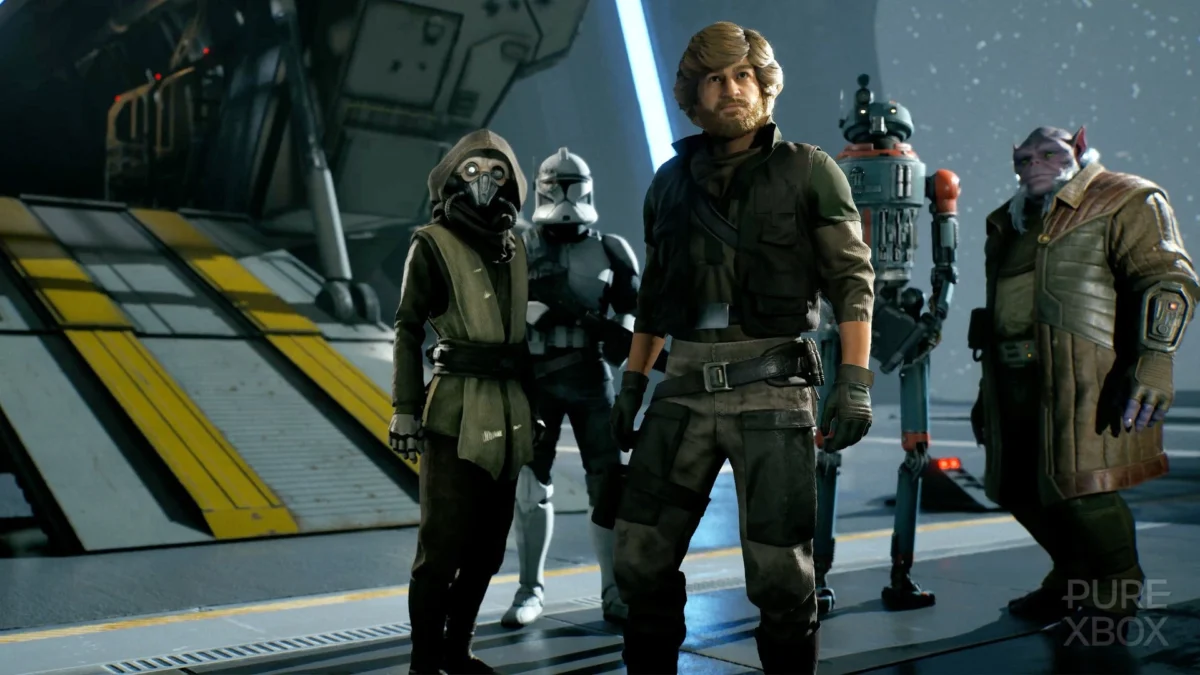
The recent launch of Star Wars Zero Company on platforms including the Xbox Series X has not only met with stellar critical reviews but has also ignited a fervent discussion among tactical role-playing game (RPG) enthusiasts. Emerging as a significant contender in a genre often dominated by established franchises, the title, developed by Bit Reactor, has quickly garnered a reputation for its innovative approach and deep immersion within the beloved Star Wars universe. Initial reports from players logging 40-50 hours post-launch indicate a widespread sentiment that the game is poised to be recognized as one of the standout tactical experiences of the past decade. This article delves into the core aspects that position Star Wars Zero Company as a landmark achievement, analyzing its distinctive features and broader implications for the tactical RPG landscape.
A New Standard in Tactical Gameplay: Beyond the XCOM Blueprint
The tactical RPG genre has long been influenced, if not defined, by Firaxis Games’ seminal XCOM: Enemy Unknown, a title that set a high bar for turn-based strategy, base management, and global resource allocation. Many subsequent games in the genre are inevitably measured against this standard, often leading to comparisons that can sometimes overshadow their unique contributions. Star Wars Zero Company embraces certain foundational "XCOM-style" mechanics, such as intricate base management, research and development trees, overarching global strategy, and precise turn-based combat encounters. Indeed, the familiar frustration of a low hit chance at seemingly point-blank range is present, a nod to the genre’s sometimes unforgiving nature.
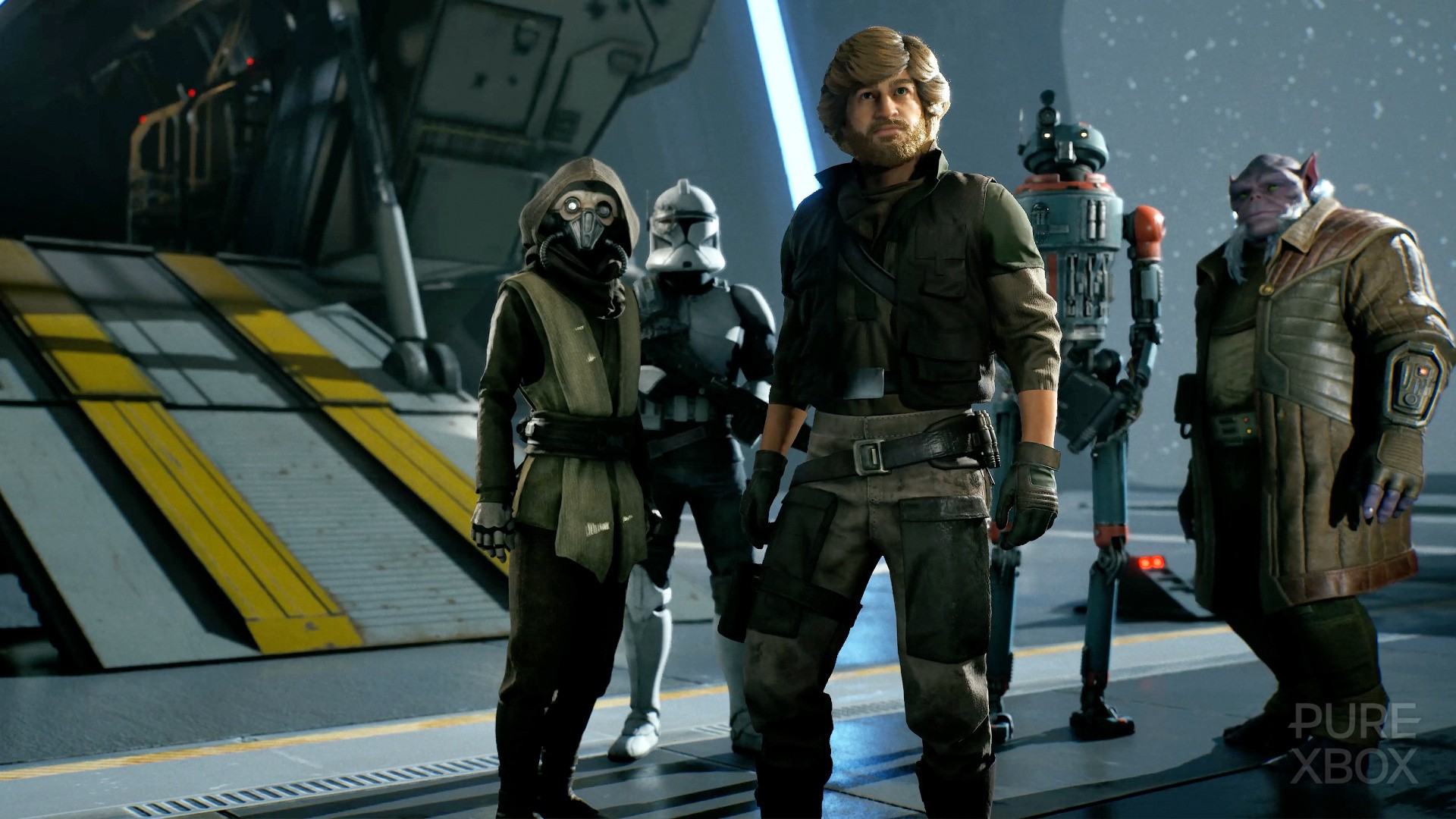
However, Bit Reactor has demonstrably evolved this formula rather than merely replicating it. Industry analysts and players alike point to the game’s streamlined approach to resource management and mission selection as a significant quality-of-life improvement. Where some tactical games, including aspects of XCOM 2, have been criticized for potentially clunky or overwhelming interfaces regarding resource allocation and mission prioritization, Zero Company introduces a more intuitive system. This design choice appears to intentionally lower the barrier to entry for newcomers while simultaneously enhancing the flow for veteran players, allowing them to focus more on strategic combat and narrative progression rather than administrative minutiae. This refinement is crucial for the genre’s continued growth, as market data suggests an increasing appetite for complex strategic titles, provided they maintain accessible user experiences. The tactical RPG market has seen a steady expansion over the last five years, with titles that successfully balance depth and accessibility often achieving broader commercial success and critical acclaim.
Seamless Control: Bridging Console and PC Tactical Experiences
Traditionally, complex tactical games have often been perceived as best experienced with a mouse and keyboard due to the precision and speed offered for navigating intricate menus and battlefield grids. This perception has historically limited the genre’s reach on console platforms, where gamepads are the primary input device. Star Wars Zero Company actively challenges this notion through its exemplary controller implementation. Extensive playtesting has shown that a significant portion of the player base, even those accustomed to PC-centric control schemes, has opted for gamepads like the Xbox Elite 2.0 controller for the majority of their playtime.
This preference is largely attributed to the game’s innovative "action wheel" – a radial menu system that replaces traditional linear action bars. This design choice, optimized for controller input, allows for quick and intuitive selection of actions and abilities during combat, effectively mitigating the perceived disadvantages of a gamepad in strategic titles. While the instantaneous number-key shortcuts of a keyboard might still offer a fractionally faster input for some, the overall comfort and fluidity provided by the action wheel transform the console experience. This flexibility is not merely a convenience; it is a strategic design decision that significantly broadens the game’s appeal, enabling players to engage with the title from the comfort of a living room sofa rather than being confined to a desk setup. This accessibility trend is vital for the growth of traditionally PC-dominant genres on console, aligning with broader industry movements towards cross-platform optimization and inclusive design philosophies.
Immersive Narrative and Canonical Integration: A Star Wars Saga Unfolding
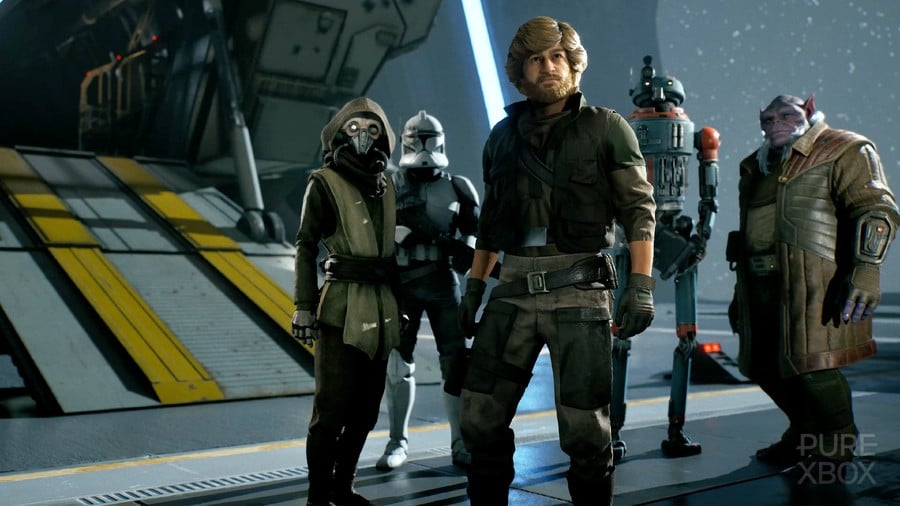
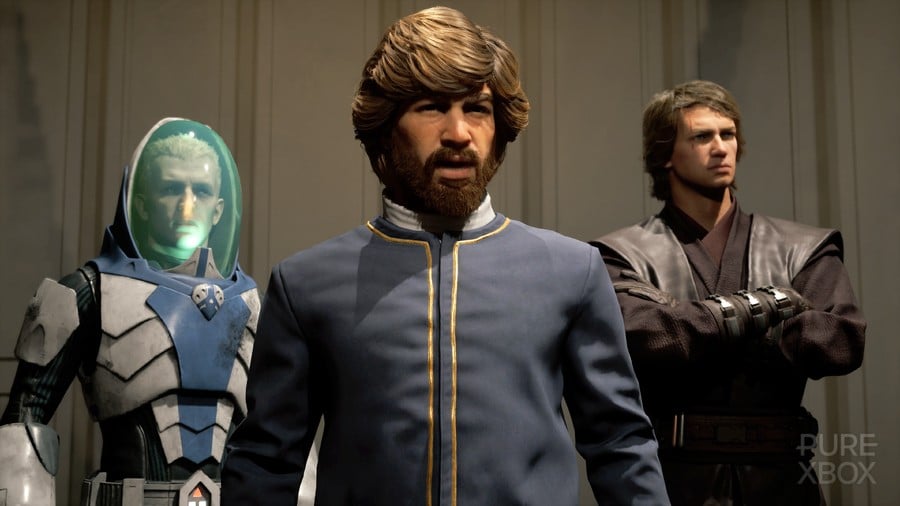
The Star Wars universe is renowned for its vast lore and iconic characters, and successfully integrating new narratives and protagonists into this established tapestry is a delicate balancing act. Star Wars Zero Company excels in this regard, weaving meaningful cameos and contextual mentions throughout its storyline, significantly elevating the player experience. Rather than serving as superficial fan service, the appearance of notable characters, such as Anakin Skywalker, is meticulously integrated, fostering a profound sense of authenticity and connection to the larger Star Wars saga.
During a memorable in-game sequence involving Anakin Skywalker, players have reported a strong emotional resonance, highlighting how these interactions ground the game’s original protagonist, Hawks, within a credible, expansive universe. The game manages to feature these legendary figures without diminishing the agency or importance of Hawks, who remains a customizable and compelling leader of the Zero Company. This stands in contrast to some other franchise-based tactical games, such as Gears Tactics, where character cameos, while welcome, sometimes felt less organically integrated into the main narrative. Bit Reactor’s approach demonstrates a deep understanding of the Star Wars canon and a commitment to enriching the player’s connection to the universe, ensuring that Zero Company feels like a vital, authentic chapter rather than a peripheral anecdote. This careful narrative integration is a critical factor in fan engagement and ensures the game’s longevity within the Star Wars multimedia landscape.
Cinematic Spectacle: Redefining Visual Storytelling in Tactics
Star Wars Zero Company sets a new benchmark for cinematic presentation within the tactical RPG genre. The game’s visual fidelity, particularly when experienced in "Quality mode" on high-end hardware like the Xbox Series X, is consistently praised. Bit Reactor has clearly prioritized an immersive visual experience, transforming what could be static turn-based engagements into dynamic, visually striking battles.
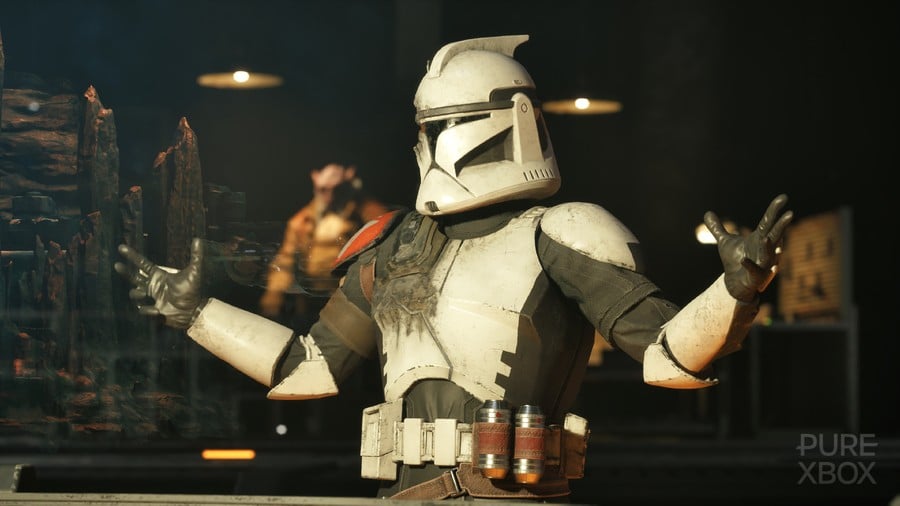
A key element of this cinematic approach is the game’s dynamic camera system. It fluidly transitions from traditional bird’s-eye tactical views to tight, over-the-shoulder perspectives during combat actions, offering glimpses that could easily belong to a third-person shooter. This technique injects a visceral energy into every blaster shot and lightsaber swing. Furthermore, this dynamic viewpoint extends to the game’s base of operations, "The Den," which is rendered not as a mere functional menu hub but as an explorable environment. Players can walk around and interact with allies, fostering a deeper connection to their squad and headquarters.
The environmental design and lighting effects are equally sublime, contributing significantly to the atmosphere. Blaster fire streaks realistically through smoke plumes, and spectacular explosions dynamically annihilate destructible cover, creating a battlefield that feels alive and responsive to every action. Beyond the combat, Zero Company incorporates subtle yet impactful passive animations. Idle units might fire off stray blaster shots at each other purely for cosmetic flair, and characters like Jedi Padawan Tel-Rea might reflexively swat these stray blasts away with her lightsabers. These minor details collectively create an unprecedented level of ambiance during downtime, further blurring the lines between tactical gameplay and real-time action, making the strategic decision-making process feel integral to a larger, unfolding cinematic narrative.
Deep Character Progression and Squad Dynamics: The Heart of Zero Company
At its core, Star Wars Zero Company thrives on its robust character development and intricate squad dynamics. Building upon mechanics like the "Bonding" system introduced in XCOM 2: War of the Chosen, Zero Company significantly expands on the concept, making inter-unit relationships a pivotal gameplay element. As squad members work together to overcome challenges, their bonds strengthen, unlocking a range of perks that boost critical stats such as movement distance, melee damage, and critical hit chance.
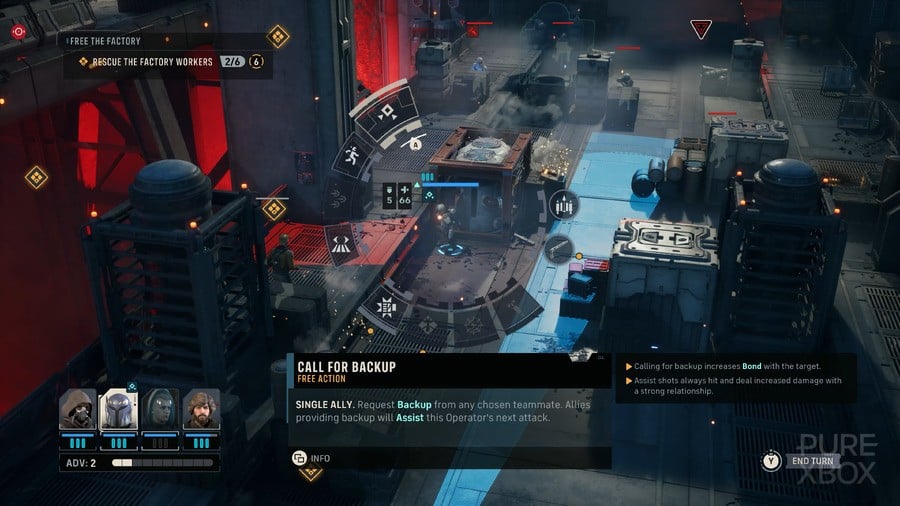
Unlike previous iterations of such systems, Zero Company allows every character to develop unique bonds with one another. As the leader of Zero Company, Hawks, the customizable protagonist, is occasionally tasked with resolving disputes between squad members, adding a layer of managerial depth and ensuring that the characters feel like living, evolving personalities. Even generic recruitable units are imbued with interesting dialogue options, contributing to the sense of a cohesive, vibrant team.
The game’s skill trees and operator classes also make a tangible impact on battlefield performance and strategic choices. Characters like the Mandalorian Cly Kullervo, with her unique sticky-dart ability that can be devastatingly upgraded, exemplify the depth of customization. The satisfaction derived from strategically deploying multiple shock darts and then, with a simple command, wiping out an entire enemy platoon in an electrified swoop, underscores the power of well-developed character abilities. The emphasis on supporting one another in battle—strategically positioning units for clear lines of sight, providing backup, and executing synchronized combo attacks—is the true identity of Star Wars Zero Company. Witnessing three squad members react in sequence to dismantle a single formidable target is a testament to the game’s excellent design in fostering teamwork and rewarding thoughtful strategy. This deep investment in characters, from the highly customizable Hawks to the unique and memorable squadmates, significantly enhances replayability and player immersion, solidifying the game’s position as a premier tactical RPG.
Minor Challenges and Long-Term Outlook
While Star Wars Zero Company has largely been met with effusive praise, a few minor technical quirks have been noted. Similar to other games in the XCOM lineage, instances of enemy units experiencing "decision paralysis" – becoming temporarily stuck or unresponsive before executing their actions – have been reported. While typically resolving within a few seconds, these momentary pauses can disrupt the flow of otherwise thrilling encounters. Additionally, some players have experienced intermittent unresponsiveness from the ‘A’ button when attempting to confirm actions, a minor bug that Bit Reactor will likely address in future patches.
These minor issues, however, do not detract from the overwhelmingly positive reception. Critical consensus points towards Star Wars Zero Company achieving high scores, with many reviewers suggesting it could become a strong contender for "Game of the Year" accolades within its genre. The game’s blend of refined tactical gameplay, accessible controls, deep narrative integration, stunning cinematic presentation, and engaging character dynamics sets a new standard. Industry analysts are already speculating on the potential for expansions, sequels, and further entries in the Star Wars gaming universe from Bit Reactor, given the strong foundation established by Zero Company. The title is poised not only to be a fan favorite but also a significant contributor to the evolution of tactical RPGs in the broader gaming landscape.