


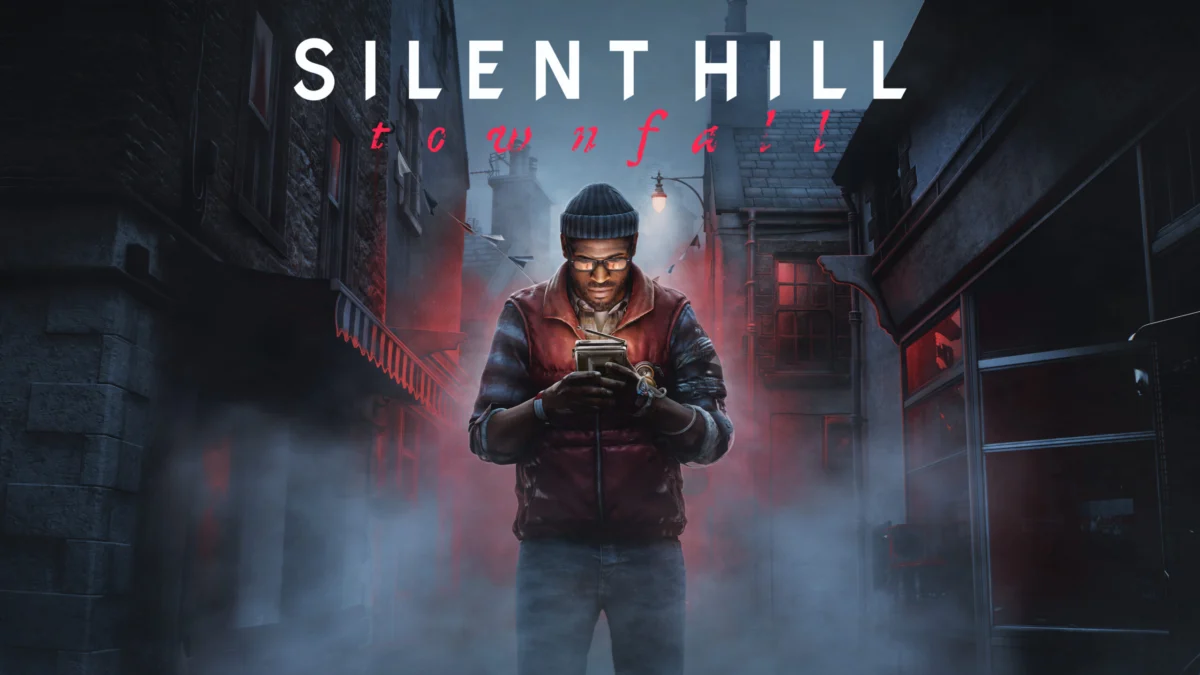
The venerable Silent Hill franchise, historically synonymous with the titular, perpetually fog-shrouded town in Maine, is undergoing a significant geographic and stylistic metamorphosis. Following last year’s Silent Hill f, which transported players to 1960s Japan, the upcoming Silent Hill: Townfall further expands these horizons, setting its intimate tale of terror in a sleepy Scottish port town. Developed by Screen Burn Interactive in collaboration with Konami and Annapurna Interactive, this new installment, slated for release on September 24 for PlayStation 5 and PC, promises a fresh, first-person perspective on the series’ signature psychological dread, challenging preconceived notions of what a Silent Hill game can be.
A New Chapter for a Venerated Franchise
Silent Hill: Townfall represents a pivotal moment for a franchise that has experienced both critical acclaim and prolonged periods of dormancy. The series, which debuted in 1999, quickly established itself as a pioneer of psychological horror, distinguishing itself from contemporaries like Resident Evil through its emphasis on internal demons, symbolic landscapes, and a pervasive sense of dread rather than overt jump scares. Key entries such as Silent Hill 2 are frequently cited as masterpieces in video game storytelling, lauded for their nuanced exploration of guilt, trauma, and the fragility of the human psyche. However, after a period of declining critical reception and Konami’s broader pivot away from AAA console development, the series entered a hiatus, punctuated only by spin-offs and the ill-fated P.T. demo for Silent Hills in 2014, which, despite its cancellation, left an indelible mark on the horror genre.

The recent resurgence of the Silent Hill brand, spearheaded by Konami, signals a renewed commitment to its iconic intellectual property. This revival includes the highly anticipated Silent Hill 2 Remake by Bloober Team, the Japanese-set Silent Hill f, and the interactive streaming series Silent Hill: Ascension. Townfall stands out in this diverse slate by entrusting its vision to Screen Burn Interactive, a studio partnering with Annapurna Interactive, known for its discerning taste in publishing innovative, artistically driven, and narrative-rich independent titles such as What Remains of Edith Finch and Stray. This collaboration suggests an emphasis on unique storytelling and atmospheric design, potentially appealing to both long-time fans and newcomers accustomed to more contemporary horror experiences.
Innovations in Perspective and Presentation
The most striking innovation in Silent Hill: Townfall is its adoption of a first-person perspective, a departure from the traditional third-person camera angles of the main series, with the exception of the 2007 mobile games Silent Hill: Orphan and Silent Hill: The Escape. This shift in viewpoint is not merely cosmetic; it is a deliberate design choice aimed at intensifying player immersion and vulnerability. As director Jon McKellan explains, the first-person perspective, much like its effective implementation in modern horror titles such as Resident Evil 7: Biohazard and Resident Evil Village, heightens the terror and atmosphere by placing players directly within the protagonist’s compromised reality. Every creak, every distant moan, and every lurking shadow becomes more immediate and personal, transforming passive observation into visceral experience.
Further enhancing this immersive quality is the game’s cinematic 2.35:1 aspect ratio, a wider frame than the standard 16:9 widescreen common in most video games. This intentional choice, frequently employed in film to convey epic scale or a sense of psychological unease, crafts a more theatrical and visually encompassing experience. It allows for broader environmental storytelling, emphasizing the desolation of St. Amelia and potentially framing unsettling elements within the periphery of the player’s vision, contributing to a pervasive sense of dread that transcends mere jump scares. McKellan states this was an "intentional choice for a more cinematic look," underscoring the team’s commitment to aesthetic and atmospheric impact.

St. Amelia: A New Canvas for Psychological Torment
The decision to move the narrative to a Scottish port town named St. Amelia marks a significant geographical departure for the series. While Silent Hill f initiated this trend, Townfall further solidifies the notion that the franchise’s core themes of psychological horror and manifestations of inner turmoil are not confined to a single cursed locale. St. Amelia, with its inherent atmospheric potential of rolling fogs, maritime isolation, and rich folklore, provides a fertile new ground for the series’ unique brand of terror. Director Jon McKellan, drawing from his own experiences growing up in Scottish port towns, noted the natural suitability of the setting: "Scotland’s full of fog and monsters already, so, easy win." This personal connection imbues the environment with an authenticity that aims to make St. Amelia feel like a "real place," where the mundane community announcements and mariner memorials take on an eerie quality in the absence of its denizens.
The preview, held in the suitably atmospheric Biltmore Hotel in Los Angeles, offered journalists a three-hour glimpse into the game’s opening. Players assume the role of Simon, an American protagonist who arrives in the fog-drenched St. Amelia with a profound sense of amnesia. His immediate surroundings are devoid of life, amplifying the isolation. Clues adorning his person – a medical bracelet, an IV bag, and a needle inserted into his arm – hint at a recent, perhaps traumatic, medical experience, immediately establishing a core mystery surrounding his identity and circumstances.
Gameplay: Desperate Survival in an Unreliable Reality

Silent Hill: Townfall appears to lean into a more intimate, claustrophobic form of horror, prioritizing psychological discomfort over bombastic action sequences. Simon’s initial journey through St. Amelia is marked by a pervasive sense of vulnerability. The game’s first-person perspective, combined with scarce resources, instills a methodical, cautious pace. Ambient noises – the creak of signs, the sighs of settling buildings – punctuate the silence, each sound capable of spiking adrenaline. This echoes the survival horror ethos of Resident Evil 7, where direct confrontation is often a last resort.
A crucial piece of 1996-era technology, the CRTV, becomes the player’s primary tool for navigating this hostile environment. This gray plastic gadget, resembling a pocket TV crammed into an original Game Boy, serves as an upgraded iteration of the iconic radio from earlier Silent Hill games. Instead of static, the CRTV broadcasts warped video signals, allowing Simon to detect fiendish creatures through walls. This mechanic is vital, as combat is presented as desperate and dangerous. Enemies, described as shuffling, seemingly straightjacketed humanoids with wood posts warping out of their faces, can quickly overpower Simon. A simple plank of wood, his first weapon, requires multiple hits to dispatch a single foe and breaks easily, while a later acquired gun offers limited ammunition, its loud reports attracting more adversaries. This scarcity and vulnerability encourage evasion and strategic navigation over direct engagement, reinforcing the psychological strain.
As Simon delves deeper, he uncovers fragments of his past, leading him to a house containing his picture, suggesting a connection to St. Amelia. Answering machine messages reveal the presence of his partner, Zoe Ellis, adding another layer to the unfolding mystery. The CRTV also becomes a conduit for unsettling, looping video messages from Zoe, repeating phrases like "Come back to me" and "I can’t do this much longer," her voice distorted by static and visual interference. These fragmented, haunting messages, coupled with Simon’s medical condition and amnesia, strongly suggest a narrative steeped in unreliable reality and potential delusion, a hallmark of the Silent Hill experience.
Preserving the Essence of Psychological Horror

Despite the numerous innovations, the development team at Screen Burn Interactive emphasizes its dedication to preserving the core tenets of the Silent Hill experience. Motoi Okimoto, producer of the Silent Hill series, articulates this commitment: "The core tenets of the next Silent Hill is, of course, the narrative and also the psychological horror that comes from that narrative. I believe that’s something that their team has masterfully adapted, and so they’ve been able to preserve that essence in the game." This suggests a focus on deep, character-driven narratives that delve into the psychological fragility of its protagonists, using the environment as a mirror to their inner turmoil.
Jon McKellan further elaborated on this, highlighting the diverse perspectives within his team: "Whilst everyone has their own experience of Silent Hill, [we] tried and used that collective knowledge to make something that felt Silent Hill to everyone in a way." This inclusive approach to understanding the franchise’s legacy indicates a desire to distill the foundational elements of its horror – the unsettling atmosphere, the symbolic monsters, the ambiguous narrative – and reinterpret them through a contemporary lens. The game’s setting in 1996 also provides a specific cultural backdrop, allowing for period-appropriate technology like the CRTV and reinforcing the sense of isolation from modern conveniences.
Broader Implications for the Franchise and Horror Genre
Silent Hill: Townfall carries significant implications for the future trajectory of the Silent Hill franchise and the broader horror gaming landscape. Konami’s strategy of commissioning multiple studios for distinct Silent Hill projects indicates a willingness to diversify the brand, exploring different gameplay styles, settings, and narrative approaches. This could lead to a more varied and robust future for the series, moving beyond the confines of its traditional lore while retaining its psychological core. The partnership with Annapurna Interactive, in particular, could signify a shift towards more artistically ambitious and narrative-focused experiences, potentially attracting a wider audience beyond existing fans.

For the horror genre, Townfall‘s blend of first-person perspective, cinematic presentation, and deep psychological narrative positions it within a growing trend of games that prioritize immersion and mental distress over overt action. Its emphasis on limited combat and environmental puzzle-solving aligns with a more thoughtful approach to horror, echoing the success of titles that leverage atmosphere and storytelling to create lasting dread. Should Townfall succeed in resonating with players, it could further validate Konami’s distributed development model and encourage other publishers to experiment with beloved, dormant franchises through creative partnerships.
The preview of Silent Hill: Townfall provided an evocative, if inconclusive, glimpse into a game that promises to be both a respectful homage and a bold evolution for the venerable horror series. The central mystery of Simon’s amnesia, the haunting messages from Zoe, and the unsettling reality of St. Amelia are poised to draw players into a deeply personal and terrifying journey. As the release date of September 24 approaches, the gaming community awaits to discover how Screen Burn Interactive, Konami, and Annapurna Interactive have navigated the fog, both literal and metaphorical, to deliver a Silent Hill experience that is both familiar and strikingly new. The journey through St. Amelia, into Simon’s fractured sanity, and beyond the veil of trustable reality, promises to be an unforgettable one.