


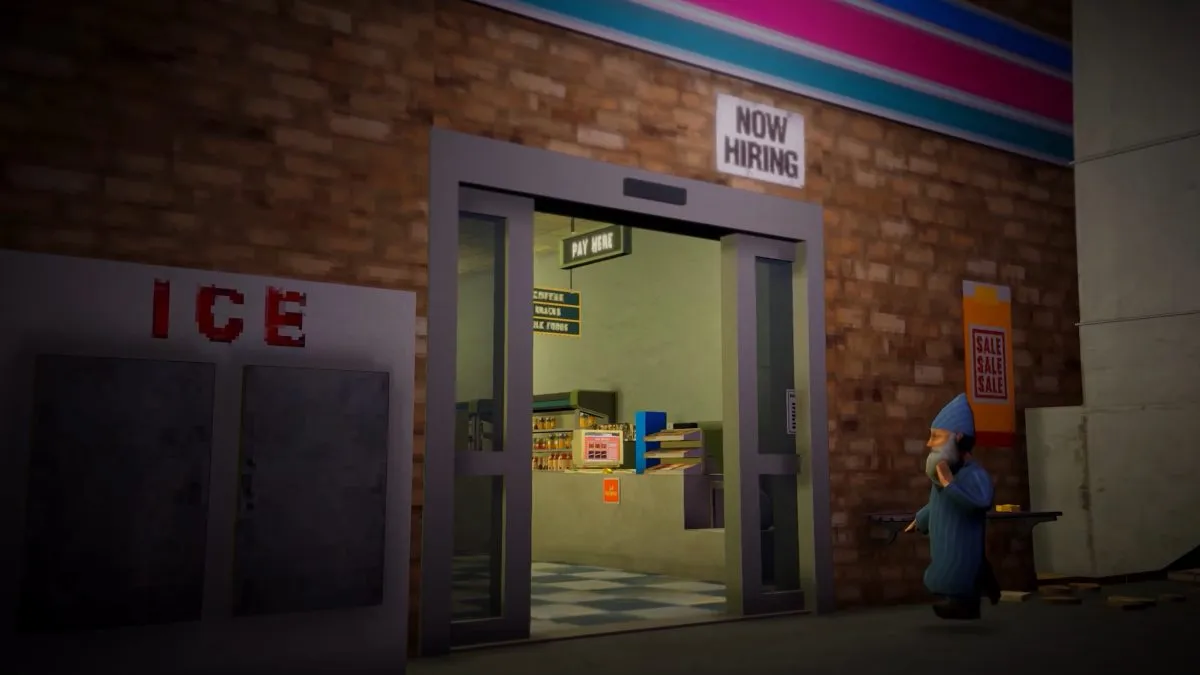
The unsettling phenomenon known as Shift at Midnight, a simulation game that gradually devolves into a surreal and chaotic experience, has introduced a character who embodies its escalating madness: Norbert. While the game’s premise begins with a semblance of normalcy, the gradual appearance of blatant doppelgangers signals a significant shift in its gameplay, with Norbert identified as the primary instigator of this escalating disarray. This report delves into the multifaceted nature of Norbert, examining his behavioral patterns, the unique mechanics he introduces, and his pivotal role in the game’s narrative and gameplay progression.
Norbert’s Enigmatic Presence: A Doppelganger in Disguise?
Norbert is not merely a recurring character; he is a disruptive force that consistently manifests in both the game’s "Story Mode" and "Endless Mode." His presence is deliberately designed to undermine player progress and introduce unforeseen complications, transforming otherwise manageable shifts into exercises in extreme improvisation and damage control. The game’s core challenge often revolves around identifying and mitigating threats, particularly the titular doppelgangers, which are disguised entities posing as legitimate customers. Norbert, however, operates on a different plane of disruption, presenting a unique challenge to players.
His behavior immediately signals an anomaly. From his initial interaction, Norbert exhibits characteristics that deviate from the norm. He introduces himself with an unsettling demeanor and, crucially, positions himself behind the store counter as if he were an employee, even when attempting to purchase items. This act of appropriation of space and perceived authority is a direct challenge to the player’s role as the store operator. Furthermore, Norbert consistently evades direct questioning, offering no discernible responses to player inquiries. This reticence is compounded by his absence from the game’s in-universe "NET Database," a digital repository that typically logs and verifies customer identities. The perplexing fact that he possesses a valid identification document, yet remains uncatalogued, heightens his mysterious and potentially illicit nature.
This evasive and disruptive conduct serves as a crucial "doppelganger test" within the game’s mechanics. Unlike standard doppelgangers, which, when identified and eliminated, trigger a confrontation with one of the game’s designated "entity types" at the shift’s conclusion, confronting Norbert yields a different outcome. Attacking or attempting to "murder" Norbert does not result in a predictable entity encounter. Instead, it initiates a cascading series of unpredictable events, a chain reaction of chaos that can drastically alter the course of the player’s shift and potentially jeopardize their overall progress. This mechanic suggests that Norbert is not a standard doppelganger to be eliminated, but rather a unique catalyst for the game’s emergent anarchy.
Norbert’s Modus Operandi: A Symphony of Sabotage
Norbert’s disruptive actions are varied and often elaborate, designed to inflict maximum damage on the player’s operational efficiency and reputation. He reappears at random intervals across different shifts, employing a range of tactics to sow discord. These interventions are not limited to subtle sabotage; they often involve overtly bizarre and attention-grabbing stunts.
One of his signature methods of disruption involves a high-speed traversal of the store on a motorcycle. This act not only creates a spectacle but also directly interferes with the flow of legitimate customers and potentially damages store property. In another instance of his illicit enterprise, Norbert operates a lemonade stand – a venture for which he demonstrably lacks the necessary permits. This illegal operation can have detrimental consequences, including the potential for poisoning unsuspecting customers, thereby directly impacting the store’s health and safety ratings and, by extension, its reputation.
Perhaps his most insidious tactic is his ability to masquerade as a regular customer. While appearing outwardly normal to the untrained eye, these disguised Norberts are only detectable through the use of the game’s "Scanner" tool, a crucial item for identifying genuine threats. This deception highlights the unreliable nature of appearances within Shift at Midnight and forces players to remain vigilant, constantly questioning the identity of those within their establishment.
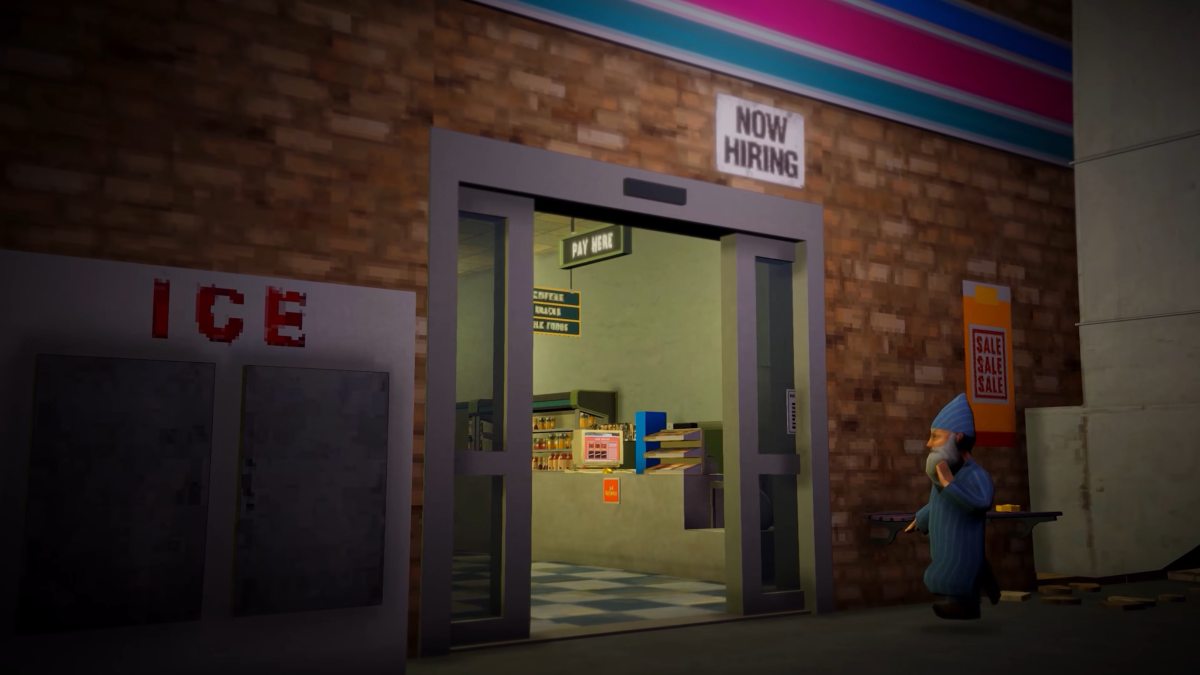
The act of harming Norbert, in any capacity, is a critical turning point. It triggers a more aggressive and direct response from him. He becomes actively engaged in manipulating the player, attempting to coerce them into harming innocent customers or directly attacking the player themselves. This transformation from a subtly disruptive character to a direct antagonist underscores his unkillable nature; he is described as a "maniacally laughing force of nature" that cannot be permanently removed from the game’s ecosystem.
Strategic Implications: Norbert’s Role in Game Progression
Norbert’s unique mechanics present distinct strategic pathways for players, particularly those aiming for specific game endings or seeking to maximize content for their playthroughs.
For content creators and players who prioritize emergent gameplay and high-stakes scenarios, provoking Norbert is often the preferred approach. His interventions guarantee a dynamic and unpredictable run, filled with unexpected challenges and dramatic moments that can enhance entertainment value and provide compelling narrative material. The chaos he introduces ensures that no two playthroughs are ever quite the same, offering a consistent source of novelty and surprise.
However, for players focused on achieving the "True Ending" of Shift at Midnight, a different strategy is advised. The game’s lore suggests that a specific approach to Norbert’s initial appearance is beneficial. By serving Norbert when he first presents himself and choosing not to engage in any hostile action, players can avoid triggering his more destructive tendencies. This act of peaceful transaction and subsequent dismissal is presented as a long-term strategic advantage, contributing to the player’s ability to unlock the game’s ultimate conclusion. This nuanced approach to interacting with a seemingly antagonistic character highlights the game’s depth, rewarding players who understand and adapt to its complex systems.
Broader Context and Potential In-Universe Analysis
The introduction of Norbert and the escalating doppelganger threat within Shift at Midnight can be interpreted as a meta-commentary on the nature of identity, surveillance, and societal breakdown within a simulated environment. The game, which often places players in roles of authority and responsibility within a commercial setting, begins to unravel as the lines between genuine individuals and deceptive entities blur.
Norbert, as the nexus of this chaos, can be seen as a personification of the inherent instability within the game’s simulated reality. His lack of traceable identity, his appropriation of official spaces, and his ability to manipulate both the environment and the player suggest a fundamental flaw or external influence corrupting the system. The game’s progression, from a relatively mundane retail simulation to an anarchic struggle for survival and sanity, mirrors the anxieties surrounding the loss of control and the proliferation of misinformation in the digital age.
The explicit mention of "five entity types" suggests a structured, albeit hostile, underlying system that Norbert transcends. His immunity to these standard consequences implies a unique origin or purpose, perhaps a glitch in the simulation’s code, an unintended consequence of its design, or even an active agent seeking to dismantle the established order from within. The lemonade stand, a seemingly innocuous element, could represent a perversion of basic societal functions, highlighting how even mundane aspects of life can be corrupted and weaponized within this chaotic environment.
The strategic imperative to either embrace or pacify Norbert for different game outcomes further enriches the player’s experience. It forces a consideration of immediate gratification versus long-term objective, and it underscores the idea that understanding and adapting to the chaotic elements, rather than simply eliminating them, can be key to achieving mastery. The game, through Norbert, challenges players to think beyond direct confrontation and to engage with its narrative and mechanical complexities on a deeper level. The ongoing analysis of these elements by the player base continues to reveal new layers of meaning and strategic depth within Shift at Midnight.