


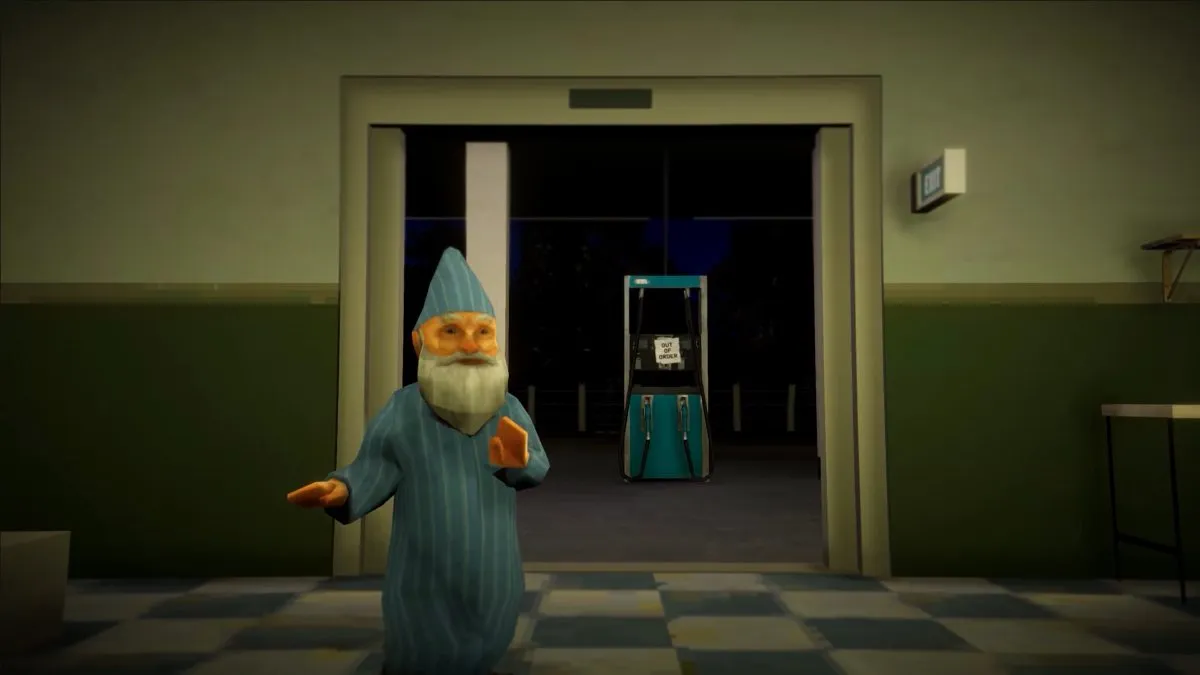
The surreal reality of a night shift at a seemingly ordinary supermarket has become the focus of intense player engagement, as "Shift at Midnight" presents a unique blend of survival horror and retail simulation. Players find themselves in a desperate struggle, not only against grotesque entities and doppelgangers that threaten their lives, but also against the mundane yet critical task of maintaining store cleanliness and inventory. This constant battle for survival, coupled with the escalating financial burden of veterinary care for a beloved pet, forms the core of the game’s narrative and its multi-faceted ending system. While the game’s premise includes fantastical elements like "fake humans" and "grotesque monsters," the most jarringly unrealistic aspect for many players, ironically, is the astronomical cost of medical bills. This article delves into the intricate mechanics that govern the various endings in "Shift at Midnight," offering a comprehensive guide to achieving each outcome.
Understanding the Mechanics of "Shift at Midnight" Endings
The ultimate fate of the player character and their cherished pet in "Shift at Midnight" is intricately tied to two primary factors: a pivotal decision made during the endgame and the cumulative personal wealth amassed throughout the game. This personal fund, distinct from the store’s revenue which can be reinvested in upgrades and essential tools or weaponry, is the key to navigating the game’s narrative arc.
Each completed shift nets the player a modest daily wage of $10. However, true financial prosperity lies in exceeding the store’s daily sales quota. For every dollar earned above this benchmark, players receive a 10% commission. This income stream is crucial, as it directly funds the escalating medical expenses for the player’s pet. The urgency of these expenses becomes starkly apparent after the tenth shift, when players are formally alerted to the impending need for extensive medical treatment, culminating in a critical surgery scheduled for night 13.
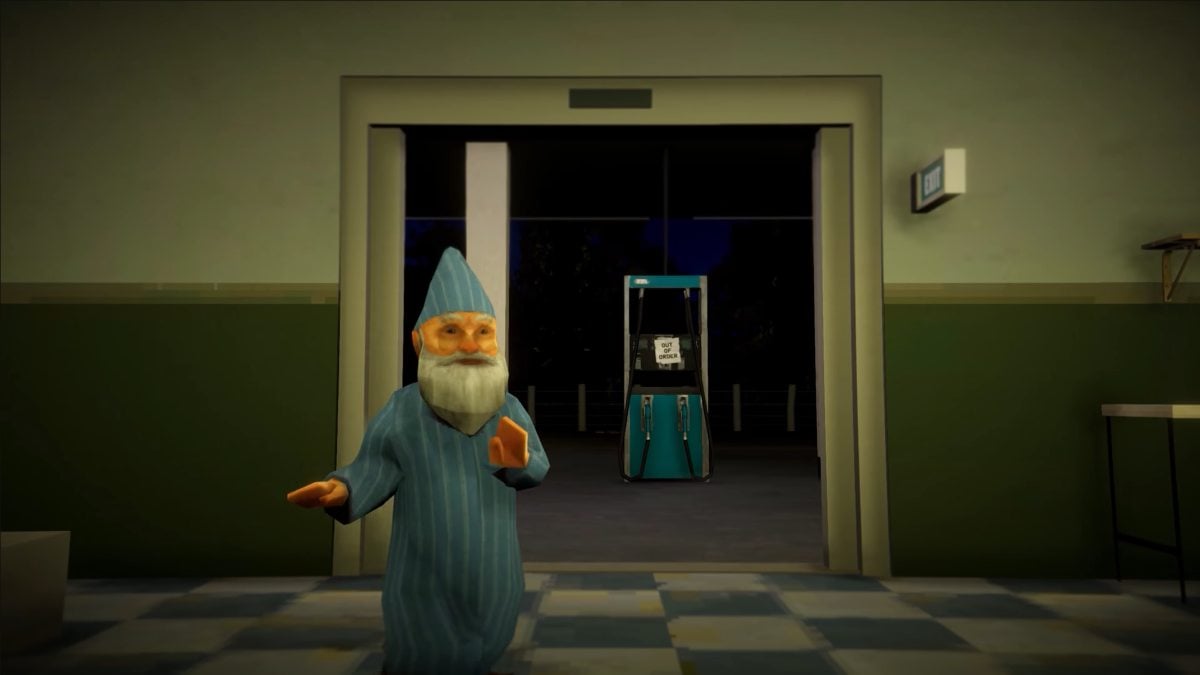
The decision to utilize the pet’s assistance on subsequent shifts, by covering their immediate medical needs, offers a significant advantage, particularly for solo players. A pet actively participating in shifts can provide invaluable support in dealing with the game’s threats. However, this immediate gratification comes at a cost. Players must exercise careful financial management; prioritizing the pet’s immediate well-being by paying for ongoing medicine can deplete personal funds, potentially jeopardizing the crucial surgery payment on night 13. The game’s narrative unfolds over a total of 13 shifts, presenting a tight deadline to accumulate the necessary $250 for the pet’s life-saving operation. The player’s choice regarding this financial obligation, or lack thereof, directly dictates which of the game’s distinct endings they will ultimately experience.
The "Grave Decision" Ending
The path to the "Grave Decision" ending is initiated on the twelfth night, following the completion of the shift. At this juncture, players are presented with the option to contact Sheriff Clyde. This decision is typically made by players who, having assessed their financial standing, realize they will be unable to meet the $250 surgical fee by the deadline.
Upon choosing to call Sheriff Clyde, he arrives at the store, a brave but ultimately fatal intervention. The narrative dictates that Sheriff Clyde sacrifices his own life in an attempt to safeguard the player and their pet. While his intervention proves fatal for him, it ensures that the pet receives the necessary surgery, thus surviving the ordeal. This ending, while tragic in its loss of life, offers a bittersweet resolution where the pet’s survival is secured through a significant sacrifice. The financial burden of the surgery is implicitly covered by the events that unfold following Clyde’s arrival, though the exact mechanism of this coverage is left to the game’s narrative interpretation. This ending highlights a theme of sacrifice and the difficult choices players must make when faced with insurmountable odds and limited resources.
The "Empty Home" Ending
The "Empty Home" ending represents a somber conclusion, stemming from a failure to secure the necessary funds for the pet’s surgery and a subsequent decision to forgo contacting Sheriff Clyde. In this scenario, the player does not call Clyde on the twelfth night. Consequently, the Sheriff never visits the store on the thirteenth night, thus avoiding the peril he faces in the "Grave Decision" ending.
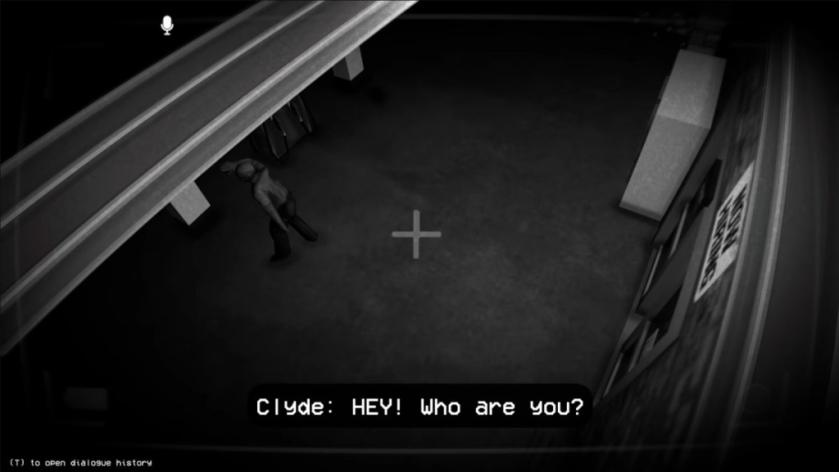
However, the critical failure lies in the inability to accumulate the $250 required for the pet’s surgery. Without the funds, and without Sheriff Clyde’s intervention, the pet succumbs to its medical condition. This ending underscores the harsh realities of the game’s financial pressures and the direct consequences of failing to meet the primary objective. The survival of Sheriff Clyde serves as a stark contrast to the loss of the player’s companion, leaving the player alone in a store filled with the remnants of their struggle, but devoid of their beloved pet. This outcome emphasizes the paramount importance of financial planning and resource management within the game’s framework.
The "True Ending"
Achieving the "True Ending" in "Shift at Midnight" requires a meticulous balance of financial success and prudent decision-making, drawing parallels to the management challenges found in games like "HELLMART." The cornerstone of this ending is the player’s decision not to call Sheriff Clyde on the twelfth night, thereby ensuring his survival. This act of preserving the Sheriff’s life is crucial for unlocking the most positive outcome.
Beyond this critical choice, the player must diligently work towards accumulating the $250 needed for the pet’s surgery by night 13. This involves a multifaceted approach to excelling in the retail environment:
- Store Maintenance: A spick-and-span store is not merely a cosmetic preference; it directly impacts customer satisfaction and, by extension, revenue. Regular cleaning, restocking shelves promptly, and maintaining an organized shop floor are essential tasks.
- Customer Engagement: Keeping customers happy is paramount. This includes addressing their needs efficiently and minimizing any disruptions.
- Store Manager’s Requests: The game often presents optional objectives issued by the Store Manager. These can range from apprehending shoplifters to undertaking more arduous tasks like clearing debris from the surrounding forest. Completing these requests often yields valuable bonuses, both in terms of immediate income and potentially improved store performance.
- Strategic Tool and Weapon Usage: While the game is a supermarket simulator at its core, the presence of threats necessitates the use of tools like bear traps, wooden planks, and grenades. However, the article explicitly warns against unnecessary violence against human patrons, stating that "Shooting humans penalizes you by docking your pay when your shift ends." This implies a need for strategic engagement, focusing on hostile entities and avoiding collateral damage to innocent customers. Understanding the optimal use of resources—balancing the cost of ammunition or trap deployment against potential revenue loss due to customer distress or injury—is a key element of success.
By successfully accumulating the $250 by night 13 and ensuring Sheriff Clyde’s safety, the player achieves the "True Ending." In this scenario, both Sheriff Clyde and the player’s pet survive. This outcome signifies the player’s mastery over the game’s challenges, demonstrating their ability to navigate the perilous night shift, manage their finances effectively, and make critical ethical decisions that lead to the most favorable resolution for all involved. The article implicitly suggests that this ending is contingent on not accidentally harming the Sheriff during his visit, reinforcing the delicate balance required.
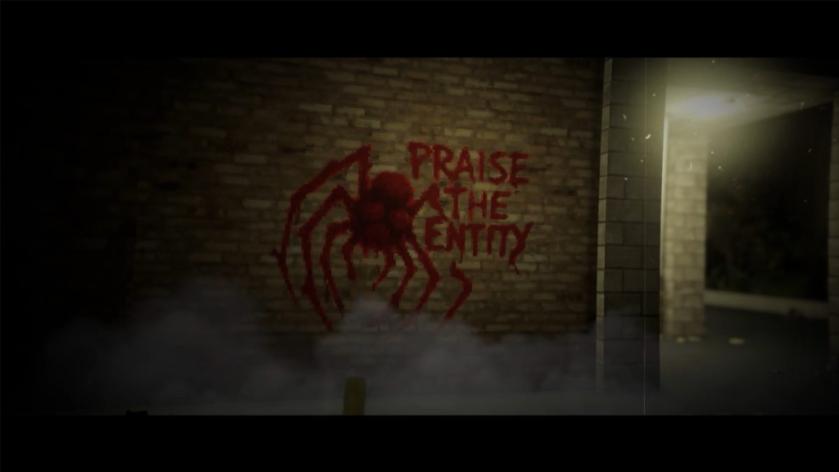
The overarching success of this ending hinges on meticulous preparation and execution across all facets of the game. It requires players to be not only adept at combat and survival but also efficient managers of a retail establishment, all while grappling with a personal crisis. The "True Ending" serves as a testament to the player’s ability to overcome adversity through a combination of skill, strategy, and empathy.